How to Clean Wood Surfaces With the Best Cleaner

How to Clean Counters Using the Best Cleaner Spray
June 28, 2026
How to Organize Storage With the Best Pantry Cabinets
June 28, 2026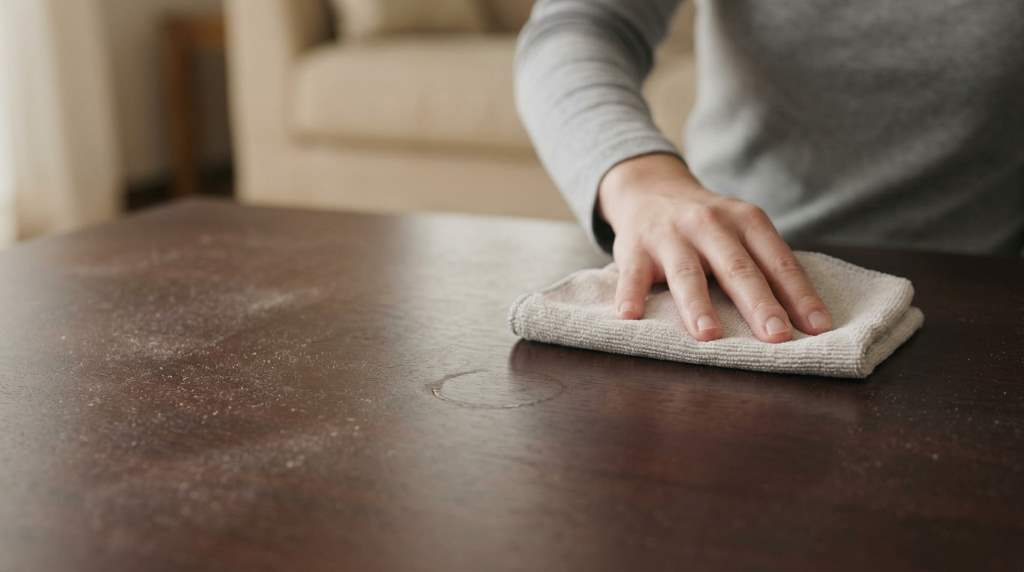
Wood surfaces add warmth, beauty, and value to homes across the USA. However, maintaining their appearance requires proper cleaning methods and suitable products. According to industry studies, nearly 68% of homeowners prefer natural wood finishes in kitchens and living spaces. Additionally, improper cleaning products contribute to thousands of dollars in avoidable furniture damage annually.
Understanding how to clean wood surfaces correctly helps preserve their finish, extend their lifespan, and maintain their natural beauty. While selecting products, many homeowners research the best kitchen wood cleaner to ensure safe and effective cleaning. This guide explains professional cleaning techniques, product selection, and maintenance strategies for various wood surfaces.
Why Proper Wood Cleaning Matters
Wood remains a living material even after processing. Therefore, temperature, humidity, and cleaning methods directly affect its appearance and durability. Using incorrect products may strip finishes, discolor surfaces, or create permanent damage.
Regular cleaning also prevents dust accumulation, grease buildup, and microbial growth. Consequently, proper maintenance protects both the wood and your indoor environment. Consistent care reduces expensive restoration costs over time.
Understanding Different Types of Wood Surfaces
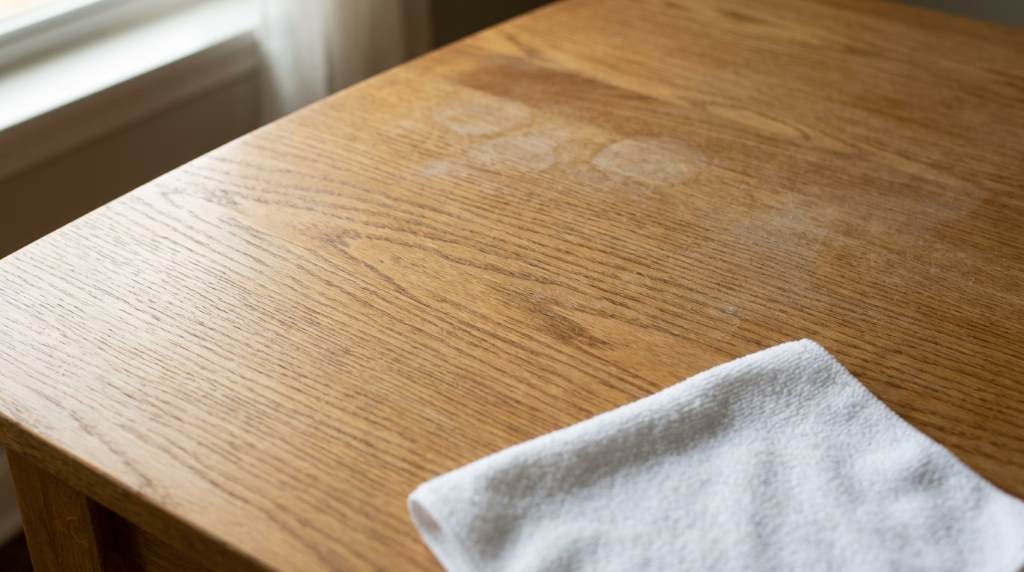
Before selecting a cleaner, identify the type of wood surface you need to clean. Different finishes require different care methods. Applying the wrong cleaner often causes irreversible damage.
Finished Wood Surfaces
Finished wood includes polyurethane-coated furniture, cabinets, flooring, and tables. These surfaces have protective layers that resist moisture and stains. Therefore, they generally tolerate gentle commercial cleaners.
Unfinished Wood Surfaces
Unfinished wood absorbs moisture quickly and requires extra caution. Harsh cleaners can penetrate the fibers and create stains. Consequently, minimal moisture cleaning methods work best.
Oiled and Waxed Wood
Oiled and waxed surfaces require specialized maintenance products. Traditional household cleaners often remove protective coatings. Therefore, manufacturers recommend dedicated wood care formulas.
Characteristics of the Best Wood Cleaners
The best wood cleaner should remove dirt without damaging finishes. Additionally, it should protect the wood’s natural appearance. Professional cleaners often prioritize balance over aggressive cleaning.
Look for products that contain gentle surfactants and protective conditioning agents. Avoid formulas containing bleach, ammonia, or abrasive particles. These ingredients frequently damage wood finishes.
Features to Prioritize
- pH-balanced formulation
- Non-abrasive ingredients
- Low moisture application
- Protective conditioning properties
- Safe for finished surfaces
- Minimal chemical residue
Tools Needed for Cleaning Wood Surfaces
Professional-quality results depend on using proper tools. Fortunately, most supplies remain affordable and widely available. High-quality materials also reduce the risk of scratches.
- Microfiber cloths
- Soft-bristle brushes
- Spray bottles
- Cotton towels
- Wood-safe cleaning solution
- Vacuum with brush attachment
- Protective gloves
How to Clean Finished Wood Surfaces
Finished wood surfaces require a systematic cleaning approach. Following proper steps ensures effective cleaning without damaging protective coatings. Consistency remains essential for long-term preservation.
Step 1: Remove Loose Dust
Begin by removing dust and debris using a microfiber cloth. Alternatively, use a vacuum with a soft brush attachment. This step prevents scratching during wet cleaning.
Step 2: Apply the Cleaner Properly
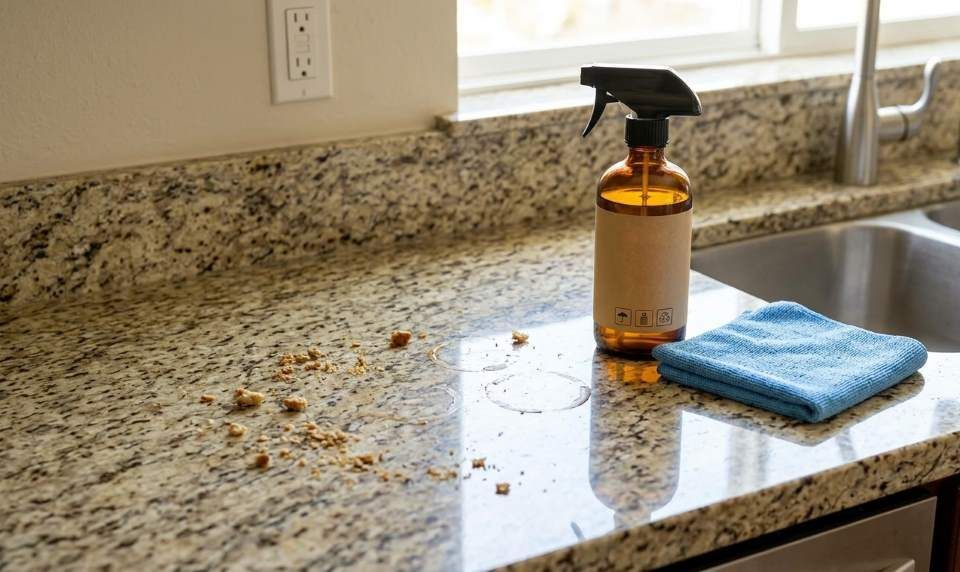
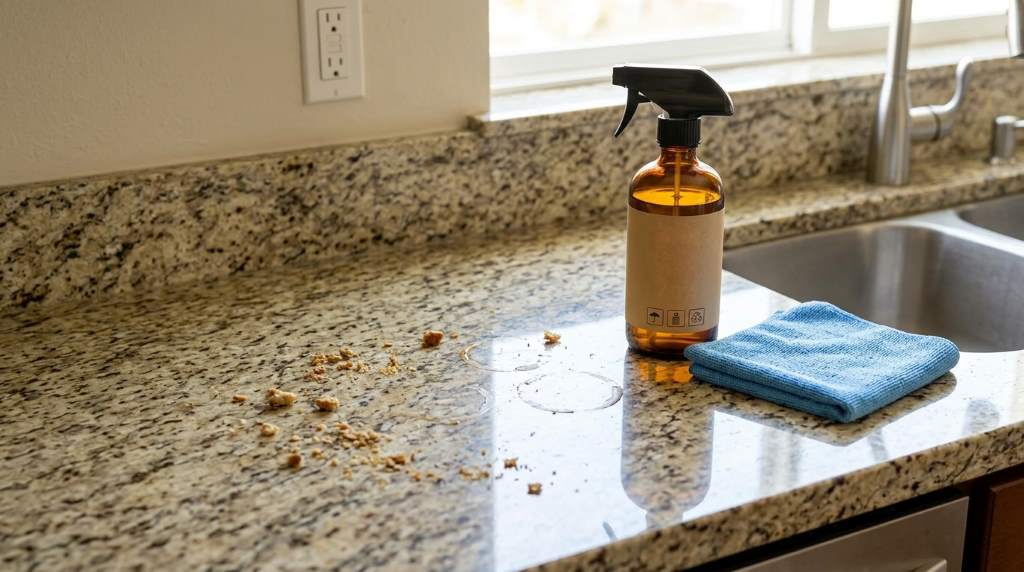
Spray the cleaner onto a cloth rather than directly onto the wood. Excess moisture can seep into seams and joints. Therefore, controlled application protects the surface.
Step 3: Wipe Using Gentle Pressure
Clean the surface using circular motions and light pressure. Avoid aggressive scrubbing that could damage the finish. Continue until all visible dirt disappears.
Step 4: Dry Immediately
After cleaning, dry the surface using a clean microfiber towel. Moisture left behind may damage wood over time. Thorough drying also reduces streaking.
How to Clean Kitchen Wood Cabinets
Kitchen cabinets accumulate grease, fingerprints, and cooking residue. Therefore, they require more frequent cleaning than other wood surfaces. However, excessive cleaning can also cause damage.
Mix a wood-safe cleaner with warm water according to instructions. Then, wipe cabinets gently using a damp microfiber cloth. Finally, remove remaining moisture with a dry towel.
Common Kitchen Cabinet Cleaning Mistakes
- Using excessive water
- Applying abrasive scrubbers
- Using bleach-based cleaners
- Ignoring grease buildup
- Skipping the drying step
How to Clean Wood Furniture Safely
Wood furniture requires regular maintenance to preserve its appearance. Dust accumulation can scratch finishes over time. Therefore, weekly cleaning helps prevent long-term damage.
Use gentle cleaners specifically designed for furniture finishes. Additionally, avoid placing wet cloths directly on surfaces. Immediate drying remains essential after every cleaning session.
How to Clean Hardwood Floors
Hardwood floors experience significant daily wear. Dirt particles often function like sandpaper under foot traffic. Consequently, frequent cleaning protects the finish.
Start by sweeping or vacuuming thoroughly. Then, use a damp microfiber mop with an approved hardwood cleaner. Never saturate hardwood flooring with water.
Recommended Hardwood Floor Cleaning Schedule
- Daily: Remove visible debris
- Weekly: Damp mop with wood cleaner
- Monthly: Deep clean high-traffic areas
- Annually: Professional inspection
Natural Alternatives for Cleaning Wood
Many homeowners prefer natural cleaning solutions for environmental reasons. However, not all homemade cleaners are safe for wood. Careful ingredient selection remains important.
Small amounts of diluted vinegar may work on certain sealed surfaces. However, experts generally recommend caution because acidity can damage finishes. Commercial wood cleaners often provide safer results.
Olive oil and lemon mixtures remain popular alternatives. Nevertheless, they may attract dust or create residue buildup. Therefore, test any natural solution on hidden areas first.
Wood Cleaning Mistakes to Avoid
Many homeowners unintentionally damage wood during routine cleaning. Understanding common mistakes prevents costly repairs. Prevention remains easier than restoration.
- Using steam cleaners on hardwood
- Applying excessive water
- Using all-purpose cleaners
- Ignoring manufacturer instructions
- Using rough cleaning pads
- Skipping routine maintenance
Long-Term Maintenance Tips
Regular maintenance extends the life of wood surfaces significantly. Small preventive actions often prevent major restoration projects. Consistency creates the best results.
Protect wood from direct sunlight whenever possible. Additionally, maintain indoor humidity between 35% and 55%. Stable environmental conditions reduce cracking and warping.
Use protective pads under furniture and decorative objects. Furthermore, clean spills immediately to prevent staining. Preventive care always costs less than repair.
How Professionals Maintain Wood Surfaces
Professional cleaners prioritize gentle methods and consistent maintenance schedules. They rarely use aggressive chemicals or excessive moisture. Instead, they focus on preserving protective finishes.
Many professionals also inspect surfaces for early signs of wear. Early intervention often prevents extensive damage. Consequently, professional methods maximize wood longevity.
Conclusion
Learning how to clean wood surfaces with the best cleaner protects your investment and preserves natural beauty. Proper products, gentle techniques, and consistent maintenance deliver the best results. Whether maintaining cabinets, furniture, or hardwood floors, careful cleaning prevents costly damage.
Start implementing these professional cleaning methods today to keep your wood surfaces looking beautiful for years. Consistent maintenance will reward you with lasting durability and timeless appearance.
Frequently Asked Questions
What is the safest cleaner for wood surfaces?
A pH-balanced wood cleaner designed specifically for finished wood surfaces is the safest option.
Can vinegar damage wood surfaces?
Yes, excessive vinegar use can damage certain wood finishes due to its acidity.
How often should wood furniture be cleaned?
Dust weekly and perform deeper cleaning every one to three months.
Can I use all-purpose cleaners on wood?
No, many all-purpose cleaners contain chemicals that may damage wood finishes.
Should wood surfaces be dried after cleaning?
Yes, immediate drying helps prevent moisture damage and streak formation.