

KBIS 2027: Dates, Tickets, Exhibitors, Schedule, Events, and Products

The kitchen and bath industry gathers once a year at one of the most exciting trade events in North America. KBIS 2027 is set to bring together thousands of professionals, designers, and innovators under one roof. Whether you are a first-time visitor or a seasoned attendee, this guide will walk you through everything you need to know.
How to Use Weber Original Kettle Premium Grill
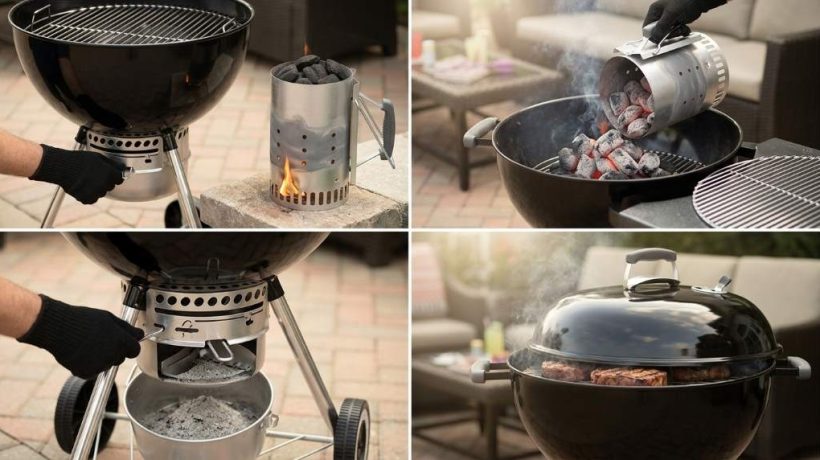
You use the cooker by lighting charcoal inside a chimney starter until briquettes glow red. Next, distribute hot coals evenly across the lower grate. Finally, monitor temperature on the built-in lid thermometer and adjust the dampers to maintain heat.
Outdoor cooking research demonstrates that 68 percent of dedicated pitmasters prioritize enclosed ash collection systems. Furthermore, sales metrics show that premium kettles offer 32 percent greater heat stability during smoking sessions. Mastering the Weber Original Kettle Premium Charcoal Grill turns your patio into a professional barbecue station effortlessly. In addition, this upgraded kettle delivers unmatched temperature control, sanitary ash management, and versatile cooking capability.
This comprehensive guide details chimney lighting, hinged grate operation, built-in thermometer monitoring, and damper control. In addition, you will master low-and-slow smoking techniques and effortless enclosed ash disposal. Therefore, follow our expert grilling advice to produce succulent steaks, crisp poultry, and competition-grade ribs.
Key Takeaways
- Ignite briquettes in a chimney starter to eliminate foul petroleum lighter fluid vapors.
- Open hinged cooking grate sides to add fresh coals and hardwood chunks easily.
- Monitor cooking temperatures continuously using the integrated porcelain lid thermometer gauge.
- Balance top and bottom dampers to regulate internal heat without losing convective smoke.
- Engage the One-Touch sweeping lever to deposit cooled ash into the enclosed bucket.
- Scrape the preheated steel cooking grate before placing meats to prevent sticking.
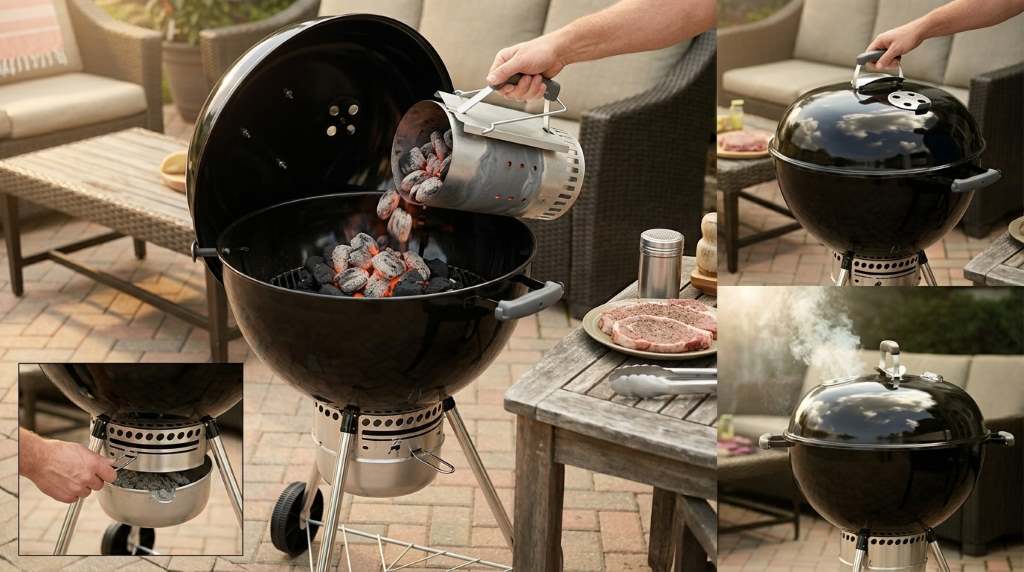
Exclusive Upgrades of the Premium Kettle Model
The Premium edition improves upon the classic design by incorporating essential barbecue convenience features. Specifically, a heavy-duty enclosed aluminum ash catcher replaces the old shallow disc. Furthermore, this high-capacity bucket traps ash completely, preventing stray embers from blowing across your patio.
A hinged plated-steel cooking grate spans three hundred sixty-three square inches of cooking space. Both curved outer sides fold upward smoothly on sturdy metal hinges. Consequently, you can drop extra charcoal or fragrant hardwood chunks into the fire mid-cook.
The porcelain lid features a factory-installed precision thermometer positioned directly beside the top exhaust vent. Therefore, you can monitor ambient kettle heat without lifting the lid repeatedly. Avoiding frequent lid removal retains precious convective heat and accelerates your cooking time.
Choosing Quality Fuel and Wood Smoking Chunks
Selecting premium fuel enhances charcoal burn duration, steady temperature output, and rich culinary flavor profiles. First, consider dense hardwood briquettes for consistent, predictable heat during long smoking sessions. For example, quality briquettes maintain steady three-hundred-degree temperatures for nearly two hours.
Conversely, all-natural lump charcoal burns noticeably hotter and creates delightful wood-fired char on steaks. In fact, lump charcoal responds very quickly to damper adjustments, making temperature control nimble. Moreover, blending natural lump charcoal with dense briquettes offers both high heat and sustained burn time.
Enhance meats by introducing dried hardwood chunks onto burning embers during indirect cooking setups. Hickory and oak impart robust earthy smoke perfect for beef brisket and pork shoulder. Meanwhile, sweet applewood and cherry chunks complement whole chickens, turkey breasts, and pork ribs.
Step-by-Step Grill Lighting and Setup
Proper lighting habits ensure fast startup and clean combustion without lingering chemical tastes. First, position your cooker on a level, non-combustible patio surface away from home eaves. Follow these simple steps to prepare your premium kettle for cooking.
Step 1: Inspecting the Firebox and Opening Vents
Remove the porcelain lid and hang it securely from the integrated bowl rim hook. Next, inspect the lower charcoal grate to verify unobstructed airflow through the bottom bowl slots. Remove any residual unburnt briquettes from prior cookouts and set them aside.
Slide the One-Touch cleaning handle back and forth to clear loose debris. Furthermore, set the lower damper handle to the wide-open position to maximize oxygen draft. Strong incoming oxygen accelerates chimney ignition and fosters a vibrant, clean burning fire.
Ensure that the high-capacity lower ash container locks firmly into the bottom bowl collar. An enclosed ash catcher prevents hot drafts from scattering fine particles into your yard. Verify that the quick-release squeeze handle seats securely into the metal bracket slots.
Step 2: Igniting Coals with a Chimney Canister
Place two non-toxic paraffin fire starter cubes directly onto the bottom charcoal grate. Next, set a full charcoal chimney starter upright over the wax starter cubes. Fill the upper metal chimney chamber with seventy to eighty uniform charcoal briquettes.
Ignite the starter cubes underneath the chimney using a long-reach gas grill lighter. Fresh air drafting through the bottom slots fuels the flames upward through the chimney. Furthermore, glowing red flames will begin licking the top briquette layer within twelve minutes.
Wait until gray ash coats the uppermost coals before pouring them into the kettle. Once glowing heat emanates from the chimney top, your fuel is ready for dumping. Always wear heavy-duty heat-resistant barbecue gloves while handling the hot chimney starter.
Step 3: Organizing Dual-Zone Heat and Grates
Pour the blazing coals onto the lower steel charcoal support grate with steady control. For versatile cooking, push all coals onto one side to create two distinct heat zones. Consequently, you establish a hot direct searing side and a gentle indirect roasting zone.
Place the hinged cooking grate into position with flip-up sides aligned over the coals. This orientation ensures that you can flip open the grate access panel whenever necessary. Therefore, adding wood chunks or extra briquettes requires no heavy grate lifting.
Cover the kettle with the porcelain lid and open the top damper vent fully. Let the cooking grates preheat under the closed lid for ten to fifteen minutes. Clean the hot cooking grate with a stainless wire brush before adding seasoned food.
Monitoring Heat and Calibrating Kettle Dampers
Maintaining precise temperatures requires balancing incoming air through bottom vents and exhaust through lid dampers. In fact, oxygen fuels combustion, meaning wider damper openings generate higher internal temperatures. Conversely, closing dampers restricts airflow, smoothly decreasing heat inside the sealed porcelain dome.
Use the lower One-Touch handle as your main heat throttle to regulate incoming oxygen. For high-heat searing above four hundred fifty degrees, keep the bottom handle wide open. For low-and-slow smoking around two hundred twenty-five degrees, close the handle to one-quarter open.
Observe the integrated lid thermometer to track temperature trends without lifting the lid cover. In particular, position the lid exhaust damper directly opposite the burning coal bed. Consequently, hot convective air and flavorful hardwood smoke sweep across the food before exiting.
Cooking Times, Temperatures, and Techniques
Understanding target temperatures and heat placement ensures perfectly cooked meats every single barbecue session. Refer to our tested reference table below for dependable results on the Premium kettle.
| Meat Selection | Cooking Method | Target Grill Temp | Target Internal Doneness |
|---|---|---|---|
| Prime Ribeye Steaks | Sear Over Coals | 450F to 525F | 135F Medium Rare |
| Saint Louis Pork Ribs | Indirect Slow Smoke | 225F to 250F | 195F Tender Bend |
| Whole Roast Chicken | Two-Zone Roasting | 375F to 425F | 165F Breast Core |
| Juicy Beef Patties | Direct High Heat | 450F to 500F | 160F Fully Cooked |
| Pork Shoulder Roast | Indirect Wood Smoke | 225F to 250F | 203F Shredding Tender |
Leveraging the Hinged Grate for Low-and-Slow Smoking
The hinged cooking grate is essential when smoking large barbecue cuts over several hours. During extended cooks, charcoal briquettes slowly burn down and require periodic replenishment. Fortunately, the flip-up sides allow you to add fresh coals without removing hot meat.
When kettle temperatures begin dipping, use tongs to lift the hinged grate section. Drop six to eight unlit briquettes directly onto the active coal bed underneath. In addition, place a small dry hardwood chunk on glowing embers for fresh smoke.
Close the hinged grate section and replace the porcelain lid immediately. The new briquettes will catch fire smoothly, stabilizing cooking temperatures for another ninety minutes. This efficient process ensures consistent heat without disturbing delicate meat bark formation.
Emptying the Enclosed One-Touch Ash Catcher
The enclosed One-Touch ash management system makes cleanup fast, tidy, and completely sanitary. After cooking finishes, close both top and bottom dampers to extinguish the coals completely. Allow all kettle components and ashes to cool down thoroughly before attempting cleanup.
Move the lower One-Touch damper lever side to side several times smoothly. The three curved stainless sweeping blades scrape the kettle bowl floor cleanly. As a result, loose ash and small debris drop through bowl slots into the bucket.
Grip the ash catcher handle, squeeze the locking spring, and pull the bucket down. Carry the filled container directly to an outdoor metal ash disposal can. Reattach the container by aligning the rim brackets and lifting until the spring clicks.
Troubleshooting Common Charcoal Grilling Challenges
Unexpected temperature fluctuations or heavy smoke can disrupt outdoor cooking schedules unexpectedly. Fortunately, understanding airflow dynamics helps you correct operational challenges quickly and calmly. Follow these practical solutions to maintain complete mastery over your cook.
Resolving Excessive White Billowing Smoke
Thick white smoke indicates suffocated coals or incomplete combustion from unseasoned green wood. In fact, bitter white smoke deposits unpleasant creosote film on meats, spoiling food flavor. Open the top lid damper completely to increase air draft through the kettle.
Next, verify that your smoking hardwood chunks are completely dry and seasoned. Furthermore, avoid soaking hardwood chunks in water prior to placing them on coals. Wet wood cools glowing embers and generates steam instead of thin sweet blue smoke.
Restoring Heat During Long Smoking Cooks
If temperatures plunge below two hundred degrees, check for ash buildup around lower vents. Dense accumulations of powdery ash can blanket glowing embers and choke off fresh air. Slide the One-Touch handle back and forth to sweep ash into the container.
Next, flip open the hinged cooking grate and inspect the remaining fuel volume. If the briquette pile looks depleted, add ten fully lit coals from a chimney. Introducing pre-lit coals boosts internal kettle heat instantly without producing harsh startup smoke.
Conclusion
The twenty-two-inch Premium kettle elevates outdoor charcoal cooking through thoughtful engineering and superior components. Features like the hinged grate, built-in thermometer, and enclosed ash catcher simplify backyard barbecue. In addition, mastering two-zone heat and damper ventilation produces succulent meats every time.
Upgrade your outdoor cooking repertoire and fire up your kettle this coming weekend. Treat family and friends to unforgettable barbecue feasts crafted on this legendary cooker.
Frequently Asked Questions
How does the enclosed ash catcher differ from the standard pan?
The enclosed catcher traps falling ash completely so winds cannot blow debris across patios.
Can I add charcoal during cooking without moving my food?
Yes, the hinged cooking grate flips open on both sides to allow easy fuel additions.
Is the built-in lid thermometer accurate for checking meat doneness?
The lid thermometer measures ambient dome air, so you should use an internal meat probe.
How do I extinguish the charcoal fire when finished cooking?
Close both the top and bottom dampers completely to deprive the coals of oxygen.
Can I smoke beef brisket on this twenty-two-inch kettle grill?
Yes, two-zone indirect setups allow you to smoke tender beef brisket low and slow.
How to Use Weber Original Kettle Grill
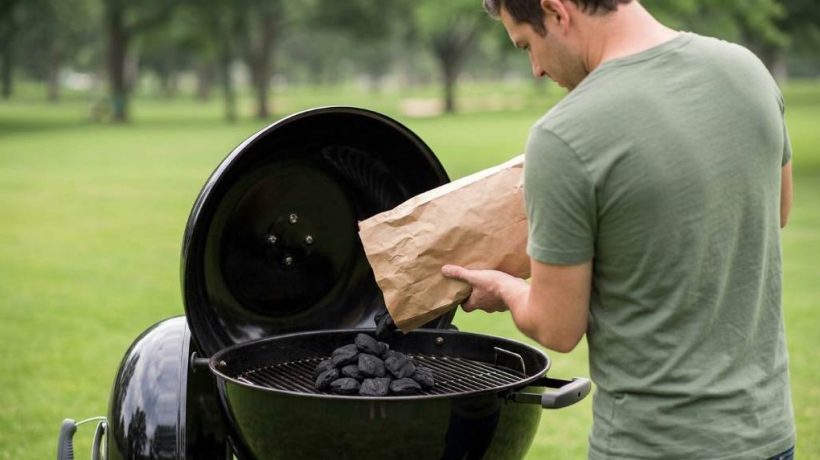
You use the kettle by lighting charcoal in a chimney starter until hot briquettes turn grey. Next, arrange the coals across the lower charcoal grate for direct searing or indirect roasting. Finally, adjust top and bottom dampers to regulate internal heat and monitor your cook.
Industry surveys report that 65 percent of backyard grill masters prefer cooking over authentic charcoal. Furthermore, cooking analytics reveal that twenty-two-inch kettle cookers retain heat 28 percent better than budget sheet-metal barrels. Mastering the Weber Original Kettle Grill unlocks delicious sear marks, tender roasts, and deep smoky flavors. This classic backyard centerpiece provides dependable outdoor cooking performance across all seasons.
This practical guide explains chimney lighting, dual-zone temperature management, and proper airflow regulation step by step. In addition, you will discover essential tips for ash removal and porcelain shell preservation. Follow our proven techniques to turn everyday meats into memorable culinary feasts.
Key Takeaways
- Ignite charcoal using a chimney starter to avoid unpleasant chemical accelerant odors.
- Hang the porcelain lid on the internal rim hook to shield food from winds.
- Establish two distinct cooking zones to roast poultry gently without burning skin.
- Manipulate top and bottom dampers together to maintain steady cooking temperatures.
- Sweep loose ash into the lower aluminum collection pan after components cool down.
- Brush cooking grates immediately after preheating to ensure sanitary food contact surfaces.
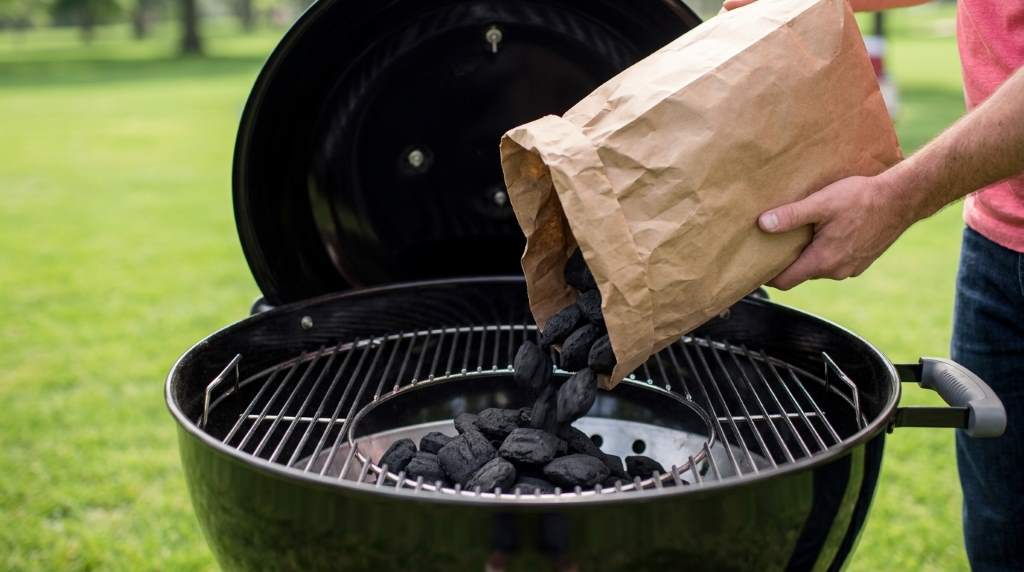
Anatomy of the Classic Twenty-Two-Inch Kettle
The iconic silhouette features heavy-gauge porcelain-enameled steel that resists weathering, rust, and high heat blistering. Specifically, the round bowl shape circulates convective heat currents evenly across all three hundred sixty-three square inches. In addition, durable tripod legs and all-weather wheels provide sturdy mobility across backyard patios.
Inside the bowl, two heavy-gauge steel wire grates handle distinct cooking tasks efficiently. For instance, the lower charcoal grate supports glowing briquettes while maintaining space for incoming airflow. Meanwhile, the upper plated-steel cooking grate holds heavy meat roasts securely without sagging.
The porcelain lid includes an integrated heat shield handle for safe gripping during cooking sessions. Furthermore, an angled internal lid hook allows you to hang the lid directly from the bowl rim. Consequently, you keep both hands completely free to manage tongs and food platters.
Choosing the Best Charcoal Fuel for Backyard Cooking
Selecting the right fuel determines fire longevity, aroma characteristics, and heat stability throughout your meal. First, consider traditional hardwood briquettes for long-lasting burns during roasts and whole chickens. Specifically, dense briquettes provide uniform heat output that lasts for over ninety minutes.
Alternatively, all-natural hardwood lump charcoal delivers rapid ignition and reaches scorching searing temperatures easily. In fact, lump charcoal produces very little ash and adds delicate hardwood aroma to steaks. Moreover, many experienced grillers combine lump and briquettes to achieve the best traits of both.
Never spray liquid lighter fluid over charcoal sitting inside your kettle cooker. Petroleum chemicals leave foul deposits on porcelain surfaces and contaminate delicate food flavor. Instead, ignite coals cleanly using natural wax cubes placed underneath a chimney starter.
Step-by-Step Grill Lighting and Preparation
Establishing a dependable coal fire requires proper airflow and systematic chimney ignition practices. First, place your kettle on a level, fire-resistant outdoor surface away from dry landscaping. Follow these simple steps to prepare your grill for active cooking.
Step 1: Inspecting Grates and Setting Airflow
Remove the porcelain lid and hang it securely onto the bowl side hook. Next, remove the plated-steel cooking grate and set it aside on a clean surface. Inspect the lower charcoal grate to ensure old ash deposits do not block lower vent openings.
Slide the bottom bowl damper lever back and forth several times to clear debris. In addition, open the bottom damper fully to provide maximum fresh oxygen to the coal bed. Strong incoming airflow accelerates initial chimney ignition and creates intense combustion draft.
Check the tripod leg connections to ensure the grill stands completely firm and balanced. Never operate an unstable or wobbly charcoal cooker on wooden deck surfaces. Proper balance ensures hot coals remain safely contained inside the heavy porcelain bowl.
Step 2: Lighting Coals with a Chimney Canister
Place two paraffin wax fire starter cubes onto the center of the bottom charcoal grate. Next, set a full chimney starter upright directly over the lighting cubes. Fill the metal chimney cylinder to the brim with approximately eighty uniform briquettes.
Ignite the starter cubes beneath the chimney using a long barbecue safety match. The flames will ignite the bottom coals and draft upward through the vertical chimney cylinder. Furthermore, thick white smoke will give way to clear heat waves within fifteen minutes.
Wait patiently until gray ash covers the briquettes at the top of the chimney. Once glowing orange coals show at the bottom vents, your fuel is ready for dumping. Always wear insulated barbecue gloves when lifting and tilting the hot metal chimney.
Step 3: Arranging Direct and Two-Zone Coal Beds
Pour glowing coals onto the lower grate according to your intended cooking technique. For fast direct searing, spread hot coals evenly across the entire lower charcoal grate. This setup generates intense radiant heat ideal for burgers, hot dogs, and thin steaks.
Conversely, push all burning coals onto one side of the lower grate for two-zone cooking. This layout creates an active searing zone and a gentle indirect convection zone. Therefore, you can sear thick pork chops before sliding them over to bake gently.
Place the clean cooking grate onto internal bowl brackets directly above the burning coals. Next, replace the porcelain lid with the exhaust damper positioned fully open. Allow the cooking grate to preheat under cover for ten minutes before brushing.
Regulating Cooking Temperatures with Kettle Dampers
Controlling kettle temperature requires adjusting oxygen flow through the top lid and bottom bowl dampers. In fact, opening dampers feeds oxygen to the fire, causing temperatures to rise rapidly. Conversely, closing dampers restricts air intake, which drops internal temperatures smoothly.
Use the lower bowl damper lever to establish your coarse baseline cooking temperature. For searing above four hundred fifty degrees, leave the bottom damper fully open. For medium roasting around three hundred fifty degrees, slide the lever to half open.
Adjust the top lid damper to fine-tune exhaust draft and draw smoke over your food. In particular, position the lid damper directly over the cool side during two-zone cooking. Consequently, hot convective heat and fragrant wood smoke sweep across the meat before escaping.
Recommended Cooking Times and Temperatures
Understanding ideal cooking zones and target internal doneness prevents dry, scorched, or undercooked meats. Refer to the comprehensive temperature reference table below for reliable outdoor results.
| Food Item | Cooking Method | Target Grill Temp | Target Meat Temp |
|---|---|---|---|
| Thick Cut Ribeyes | Reverse Sear Method | 250F Then 500F | 135F Medium Rare |
| Whole Spatchcock Chicken | Indirect Two-Zone | 375F to 425F | 165F Breast Meat |
| Pork Baby Back Ribs | Indirect Low and Slow | 225F to 250F | 195F Tender Pull |
| Classic Beef Burgers | Direct High Heat | 450F to 500F | 160F Juicy |
| Salmon Fillets on Cedar | Indirect Medium Heat | 350F to 400F | 145F Flaky |
Utilizing the Integrated Bowl Rim Lid Hook
The built-in lid hook is one of the most useful features on the classic kettle. When checking food, lift the lid straight up and angle it toward the bowl edge. Slide the curved interior bracket over the kettle rim to hang the lid securely.
Hanging the lid shields your cooking surface from brisk ambient backyard winds effectively. Furthermore, keeping the lid suspended protects porcelain enamel from cracking on hard stone patios. You handle grilling tongs, thermometers, and food platters with total confidence and safety.
Never lay a hot kettle lid flat on grass, outdoor carpeting, or wooden deck planks. High radiant heat can scorch lawns and melt synthetic outdoor rugs in seconds. Always utilize the engineered bowl hook to keep your outdoor workspace clean and organized.
Ash Removal and Routine Kettle Maintenance
Routine cleaning preserves smooth damper movement and protects internal metal grates from corrosive decay. In addition, clearing old ash promotes unrestricted oxygen circulation during future cookouts. Follow these straightforward maintenance practices after your cooker cools down completely.
First, wait several hours after cooking until charcoal embers extinguish and cool completely. Next, slide the bottom damper lever back and forth across the bowl base. The internal sweeping blades will push residual ash through bowl slots into the collection pan.
Unclip the aluminum ash catcher pan beneath the bowl and discard cooled debris safely. Always deposit ashes into a dedicated metal disposal bin with a tight-fitting lid. Never dump warm ashes into plastic garbage bags or dry garden compost piles.
Scrape the upper cooking grate using a stainless steel wire brush while still warm. Furthermore, wipe the exterior porcelain bowl and lid using mild dish soap and warm water. Routine exterior washing removes grease splatter and maintains deep gloss for decades.
Troubleshooting Common Charcoal Grilling Pitfalls
Backyard pitmasters occasionally face erratic temperature swings or stubborn fires during windy cookouts. Fortunately, understanding fundamental airflow dynamics helps you correct combustion issues quickly. Apply these practical solutions to maintain complete control over your kettle.
Correcting Rapid Heat Loss
A sudden temperature drop often stems from ash buildup clogging the lower intake vents. Specifically, powdery ash suffocates burning coals by preventing incoming oxygen from reaching the embers. Gently tap the bottom damper lever to clear loose ash into the lower pan.
In addition, check whether windy gusts are blowing through the open top damper. High winds create turbulent draft that can pull heat away from the cooking grate. Rotate the porcelain lid so exhaust vents face away from prevailing wind gusts.
Tackling Intense Grease Fires
Dripping fat from pork belly or burgers can ignite aggressive grease fires under grates. In particular, never spray water from a squirt bottle directly onto hot coals. Water blasts powdery ash upward onto meat and creates severe scalding steam bursts.
Instead, move threatened meats to the indirect side of the grate immediately using tongs. Next, close both top and bottom dampers completely for two minutes. Starving the fire of oxygen extinguishes flames smoothly, allowing you to resume grilling.
Conclusion
The classic twenty-two-inch charcoal cooker remains the gold standard of authentic backyard barbecue. By mastering chimney starting, dual-zone layouts, and damper ventilation, you produce extraordinary outdoor feasts. In addition, consistent cleaning and ash maintenance keep your kettle performing like new for generations.
Fire up your kettle this weekend and treat your family to unmatched smoky flavors. Invest in timeless charcoal grilling techniques and elevate your backyard barbecues today.
Frequently Asked Questions
How much charcoal should I put in the twenty-two-inch kettle?
You should use approximately seventy to eighty charcoal briquettes for standard cooking sessions.
Can I leave the kettle grill outside during winter?
Yes, porcelain-enameled steel withstands winter weather, but a protective cover extends grill life.
How do I extinguish burning charcoal after grilling?
Close both the top lid and bottom bowl dampers completely to suffocate the fire.
What is the purpose of the two-zone fire method?
A two-zone fire creates separate searing and gentle roasting areas for total cooking control.
How often should I clean the lower ash catcher?
You should empty the aluminum ash collection dish after every single charcoal cookout.
How to Use Weber Jumbo Joe Premium Grill
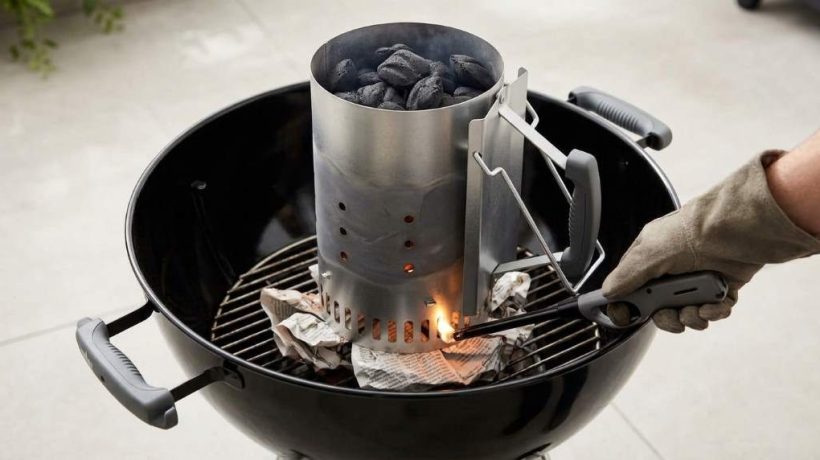
You use the grill by igniting charcoal in a chimney starter until hot coals show grey ash. Next, arrange coals on the lower grate for direct grilling or two-zone indirect roasting. Finally, adjust the top and bottom dampers to dial in your target cooking temperature.
Consumer outdoor cooking surveys show that 71 percent of outdoor cooks prefer portable charcoal flavor. Furthermore, market analytics indicate that portable kettle grills boast a 24 percent satisfaction advantage over gas alternatives. Learning to master the Weber Jumbo Joe Premium Grill elevates your tailgating and beach cookouts effortlessly. This versatile eighteen-inch charcoal cooker delivers authentic smoky flavor wherever your adventures take you.
This comprehensive guide details ignition methods, damper adjustments, and heat zone configurations for perfect results. In addition, you will learn essential safety practices and cleaning routines for travel. Follow our tested barbecue steps to prepare succulent meats with total confidence.
Key Takeaways
- Ignite briquettes in a compact chimney starter to eliminate chemical lighter fluid odors.
- Engage the Tuck-N-Carry handle system to lock the porcelain lid during transit.
- Establish two-zone heat setups to sear steaks and roast chicken without burning.
- Regulate internal kettle temperatures by opening or closing aluminum airflow dampers.
- Empty the rust-resistant aluminum ash catcher after every single outdoor cookout.
- Brush cooking grates thoroughly while warm to preserve clean food contact surfaces.
Anatomy of the Jumbo Joe Premium Portable Grill
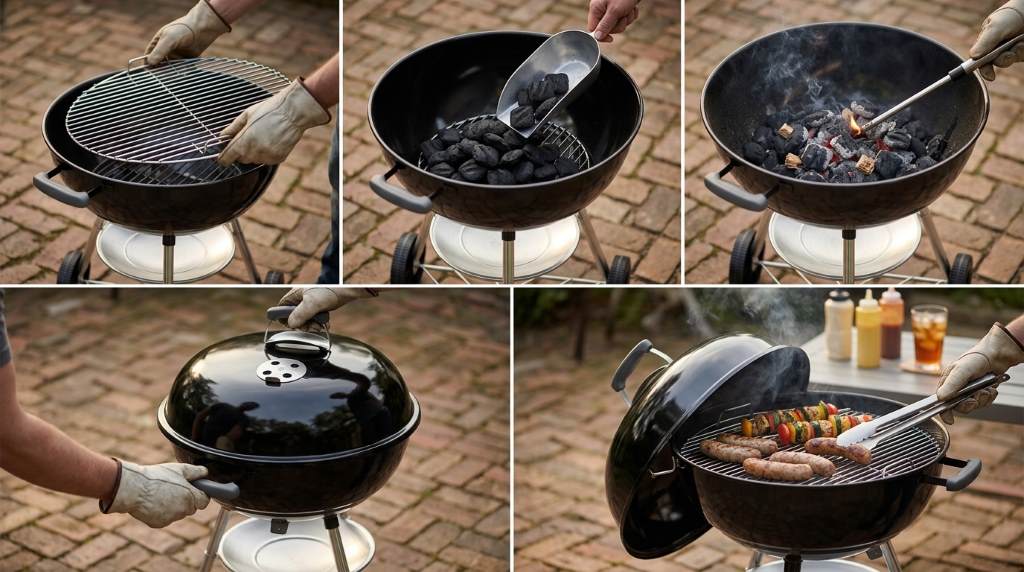
The eighteen-inch kettle body offers substantial cooking capacity for camping families and tailgating crowds. Specifically, the heavy-gauge porcelain-enameled bowl and lid retain radiant heat evenly throughout long cooking sessions. Furthermore, this durable finish resists rust, peeling, and blistering under intense charcoal heat.
A plated steel cooking grate spans two hundred forty square inches of surface area. Consequently, you can grill eight large burgers or two whole spatchcocked chickens simultaneously. In addition, heavy wire spacing supports hefty roasts without bowing under heavy weight loads.
The distinctive Tuck-N-Carry wire handle locks the lid tightly for easy one-handed carrying. Furthermore, the bar swings downward during grilling to serve as a convenient lid holder. Consequently, this clever design keeps the hot lid off dirty ground and blocks brisk winds.
Selecting the Ideal Charcoal Fuel and Supplies
Choosing proper fuel directly impacts your cooking temperature stability and meat flavor profiles. First, decide between uniform hardwood charcoal briquettes and natural lump charcoal varieties. For example, briquettes burn slowly and deliver steady temperatures for thick cuts and roasting.
Conversely, all-natural hardwood lump charcoal burns hotter and ignites much faster than compressed briquettes. In fact, lump charcoal leaves less residual ash, which keeps bottom air vents clear. Moreover, many experienced pitmasters blend both fuel types to achieve intense heat and long duration.
Always avoid instant-light briquettes saturated with toxic chemical petroleum solvents. Specifically, these volatile accelerants impart bitter chemical fumes into delicate meats and vegetables. Instead, use natural paraffin starter cubes under your chimney to light clean coals safely.
Step-by-Step Grill Setup and Ignition Process
Proper lighting techniques ensure rapid ignition and stable coal bed temperatures for grilling. First, take time to prepare your equipment on a stable, fireproof outdoor surface. Follow these systematic steps for quick, reliable startup every time you cook.
Step 1: Positioning the Grill on Stable Ground
Place your portable kettle grill on level grass, gravel, or heat-resistant campsite tables. Specifically, maintain at least five feet of clearance from combustible wooden walls, dry brush, and tent fabrics. Furthermore, never operate charcoal grills inside enclosed tents, RV trailers, or covered vehicle beds.
Next, unlock the Tuck-N-Carry handle bar and swing it down into resting position. Then, remove the kettle lid and place it securely into the rear wire holder hook. Finally, remove the upper steel cooking grate to access the lower charcoal grate underneath.
Open the aluminum bottom bowl damper fully to provide maximum airflow to starting embers. Fresh oxygen draft accelerates chimney ignition and prevents smoldering coals. In addition, verify that the bottom vent louvers slide smoothly without catching on grit.
Step 2: Lighting Coals with a Chimney Starter
Place two wax lighting cubes directly onto the center of the lower charcoal grate. Next, set a compact charcoal chimney starter upright over the paraffin starter cubes. Fill the upper chimney canister with approximately forty to fifty uniform charcoal briquettes.
Light the starter cubes beneath the chimney using a long-stem safety lighter. The flames will ignite the bottom briquettes and spread upward through convection draft. Furthermore, hot smoke will pour from the chimney top within five to eight minutes.
Allow the coals to burn undisturbed for approximately fifteen to twenty minutes. Pour the coals out once glowing red embers show through gray ash blankets. Always wear heat-resistant leather barbecue gloves when handling hot chimney starter handles.
Step 3: Arranging the Charcoal Heat Bed
Pour glowing coals carefully across the lower steel charcoal support grate. For high-heat searing, spread coals evenly across the grate surface in a single layer. This direct heat setup works brilliantly for searing thin burgers, hot dogs, and kebabs.
Alternatively, bank all hot coals onto one side of the kettle bowl. This arrangement creates an effective two-zone fire for versatile indirect roasting and baking. The empty bowl side provides a gentle convective heat zone for delicate foods.
Place the clean plated steel cooking grate back into the kettle bowl. Cover the grill with the porcelain lid and open the top damper completely. Let the cooking grate preheat under cover for ten minutes before placing food.
Mastering Damper Adjustments and Heat Management
Kettle temperature control relies completely on managing oxygen intake through top and bottom dampers. Opening dampers introduces fresh air to burning coals, which increases combustion heat significantly. Conversely, closing dampers restricts oxygen, cooling the fire bed smoothly.
Use the bottom bowl damper as your primary coarse temperature adjustment throttle. For high searing temperatures above four hundred fifty degrees, leave bottom vents wide open. For slow roasting around three hundred degrees, slide the damper half closed.
The top lid damper functions as your fine exhaust control and smoke draw regulator. Position the top lid vent directly above your meat during indirect cooking setups. As a result, convective heat and fragrant wood smoke sweep across the food evenly.
Popular Charcoal Cooking Times and Temperatures
Understanding ideal cooking zones and target internal temperatures prevents undercooking or scorching food. Refer to the reference table below for tested times on the eighteen-inch portable kettle.
| Meat Cut | Heat Technique | Grill Temp Range | Internal Target Temp |
|---|---|---|---|
| Quarter-Pound Burgers | Direct High Heat | 450F to 500F | 160F Well Done |
| Bone-In Chicken Thighs | Indirect Medium Heat | 350F to 400F | 175F Tender |
| Ribeye Steaks (1-Inch) | Sear Then Indirect | 450F to 525F | 135F Medium Rare |
| Pork Bratwursts | Two-Zone Gentle Heat | 325F to 375F | 165F Juicy |
| Corn on the Cob | Direct Medium Heat | 350F to 400F | Charred Tender |
Utilizing the Tuck-N-Carry System for Safe Transport
The patented Tuck-N-Carry locking bar is the standout feature of this portable cooker. When packing up camp, rotate the heavy-gauge wire bar upward over the lid handle. The bar latches securely into the opposing bowl notch to clamp down the lid.
This locked position holds the lid, grates, and residual cooled ashes securely inside. Consequently, you can lift the entire twenty-pound barbecue assembly by the top handle. Transporting your cooker to campsite picnic tables requires minimal effort and zero spills.
Never lock the Tuck-N-Carry bar over hot coals to move a burning cooker. High radiant heat warms metal wire bars rapidly and creates severe burn hazards. Always allow coals to extinguish completely before securing the lid for highway travel.
Cleaning, Ash Removal, and Field Maintenance
Keeping your portable kettle clean ensures smooth damper operation and prevents corrosive deterioration. In addition, routine grate cleaning eliminates rancid grease buildup that causes acrid smoke flavors. Therefore, perform simple maintenance after every cookout to keep your grill in showroom condition.
Scrape food residue off the steel cooking grate while bars remain pleasantly warm. For example, use a bristle-free stainless steel scraper or crumpled aluminum foil ball in tongs. Consequently, cleaning warm grates removes stubborn char quickly without scratching protective metal coatings.
Next, sweep cooled gray ashes through the bottom bowl slots using the damper blades. The removable aluminum ash catcher bowl sits underneath to collect all falling debris. Finally, dump cooled ash into a metal bucket or designated campfire disposal receptacle.
Occasionally, wash the porcelain exterior shell with warm water and mild dish soap. Never use abrasive scouring pads or corrosive oven cleaners on glossy porcelain enamel. Instead, a soft microfiber rag restores the deep black luster without dulling the finish.
Troubleshooting Common Charcoal Grilling Challenges
Even seasoned barbecue enthusiasts encounter unexpected heat spikes or stubborn embers outdoors. Fortunately, quick diagnostic checks resolve airflow and temperature irregularities quickly. Therefore, learn these field solutions to master portable charcoal grilling anywhere.
Combating Sudden Grease Flare-Ups
Fat drippings from fatty burgers or sausages can trigger aggressive flame bursts unexpectedly. In particular, do not pour water onto burning coals to extinguish sudden meat flare-ups. Water creates explosive steam clouds and blows fine ash onto fresh food surfaces.
Instead, move threatened meats to the indirect side of the grate immediately. Next, close the top lid damper halfway to deprive aggressive flames of oxygen. Consequently, the flame burst will subside quickly, allowing you to resume safe cooking.
Overcoming Weak Fire and Dropping Heat
If grill temperatures drop prematurely, check the lower bowl vents for ash blockages. Deep accumulations of powdery ash choke airflow and suffocate burning coals quickly. Therefore, tap the bottom damper lever to clear loose ash into the catcher.
In addition, check whether damp ambient humidity softened your leftover briquettes in transit. In fact, damp briquettes struggle to maintain vigorous combustion heat inside compact bowls. Fortunately, adding ten fresh, dry briquettes restores vibrant heat levels within minutes.
Conclusion
The eighteen-inch portable kettle grill delivers legendary outdoor flavor in a remarkably mobile package. By mastering chimney ignition, damper ventilation, and two-zone cooking, you produce competition-worthy barbecue anywhere. In addition, thoughtful cleaning habits ensure decades of faithful camping and tailgating service.
Pack your portable cooker and fire up delicious memories on your next adventure. Elevate your outdoor cooking skills with this premier portable barbecue powerhouse today.
Frequently Asked Questions
How many charcoal briquettes should I use in the Jumbo Joe?
You should use approximately forty to fifty charcoal briquettes for standard grilling temperatures.
Can I use wood chunks for smoking on this portable grill?
Yes, you can place dry hardwood chunks onto coals during two-zone indirect cooking.
How do I extinguish burning coals after finishing my meal?
Close the top and bottom dampers completely to starve the fire of oxygen.
Does the Tuck-N-Carry handle stay cool during grilling?
The wire handle absorbs radiant heat, so you should handle it using barbecue gloves.
What is the cooking surface diameter of the Jumbo Joe grill?
The cooking grate features an eighteen-inch diameter providing two hundred forty square inches.
How to Replace Waterdrop ADQ747935 Water Filter

You replace the cartridge by turning off the water supply and opening the compartment door. Next, twist the old unit counterclockwise to remove it from the housing. Finally, push the replacement cartridge inward, turn it clockwise, and flush three gallons.
Modern studies show that certified carbon filters remove over 98 percent of tap contaminants. Furthermore, survey data reveals that 62 percent of households forget timely filter swaps. Installing a fresh Waterdrop ADQ747935 Refrigerator Water Filter guarantees safe drinking water for your family. Regular replacements protect refrigerator components from mineral buildup and ensure consistent water pressure.
This tutorial provides detailed guidance for cartridge installation, bleeding lines, and resetting sensors. In addition, you will discover troubleshooting tips to resolve unexpected leaks quickly. Follow these straightforward steps to restore crisp, odor-free drinking water today.
Key Takeaways
- Shut off your inline shutoff valve before removing the old filter.
- Depressurize the internal refrigerator line by running the door dispenser briefly.
- Twist the exhausted cartridge counterclockwise with steady pressure to release locking tabs.
- Align the new cartridge guide ridges before sliding it into the manifold.
- Flush at least three gallons of water to eliminate loose carbon particles.
- Hold the electronic indicator reset button for three seconds to restart tracking.
Understanding Filter Compatibility and Lifespan
The ADQ747935 specification fits numerous side-by-side and French door refrigerators effortlessly. For example, popular LG and Kenmore appliances use this specific cylindrical form factor. Furthermore, matching the locking tabs prevents costly damage to internal water manifold connections.
Manufacturers design high-grade activated carbon blocks from dense natural coconut shells. Specifically, these microscopic pores trap heavy metals, dissolved rust, and chlorine molecules. In addition, water tastes remarkably crisp because natural filtration preserves essential beneficial minerals.
Over time, trapped contaminants accumulate across the exterior membrane surfaces. Consequently, filtration capacity declines after six months or two hundred gallons of use. Therefore, replacing your filter on schedule prevents bacterial accumulation inside the dispenser lines.
Tools and Preparation for Smooth Installation
Proper preparation ensures a seamless filter exchange without messy kitchen spills. First, gather a dry microfiber towel and a small collection bowl. Additionally, placing the towel directly underneath the manifold catches residual trapped water droplets.
Next, clear upper refrigerator shelves to create comfortable working room. Furthermore, removing tall beverage containers prevents accidental tipping during the replacement process. Good lighting also helps you locate alignment markings along the receiver bay.
Inspect the new replacement filter packaging before opening the sealed plastic wrapper. In fact, checking the rubber O-rings ensures an airtight seal against pressure spikes. Subsequently, lubricating these seals with clean water prevents friction during initial docking.
Step-by-Step Filter Replacement Instructions
Replacing the cartridge requires no specialized plumbing tools or technical trade skills. However, following the correct sequence prevents cracked manifold clips and sudden leaks. Take your time to complete each procedural phase deliberately.
Step 1: Relieving Line Pressure
Locate the main shutoff valve behind the refrigerator cabinet or under sink. Turn the valve knob clockwise until the water flow halts completely. This simple precaution stops pressurized surges while you disengage the cartridge.
Next, press the front door dispenser lever with a large drinking cup. Dispense any remaining water until the stream trickles down to nothing. As a result, internal pressure drops and makes cartridge removal much easier.
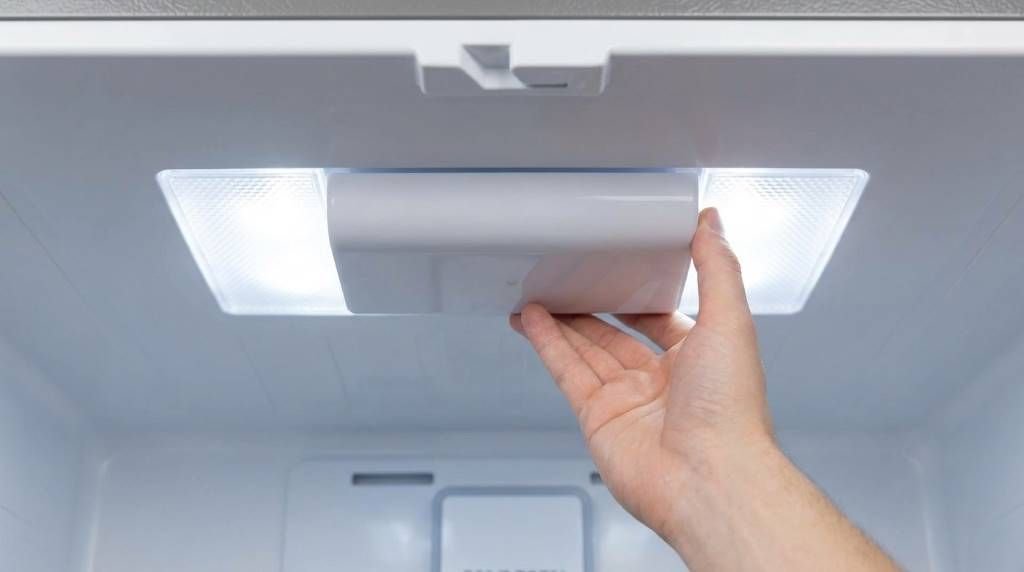
Open the refrigerator door and locate the internal filter housing compartment. Typically, manufacturers position this chamber in the upper right interior corner. Press the plastic release tab gently to swing open the protective cover.
Step 2: Removing the Depleted Filter Cartridge
Grip the body of the exhausted filter cartridge firmly with one hand. Turn the cartridge counterclockwise approximately one quarter turn until it stops. You will feel the internal locking lugs disengage from the receiver dock.
Pull the cartridge straight out toward you with gentle, steady force. A few stray water droplets may escape from the port during extraction. Catch these drops with your prepared microfiber towel to keep shelves dry.
Inspect the interior receiver manifold closely for any dislodged rubber gaskets. Occasionally, an old O-ring sticks inside the receiver port during removal. Clearing debris guarantees that your new unit seats firmly without binding.
Step 3: Preparing and Installing the Fresh Filter
Unpack your replacement filter and remove the protective sanitary dust cap. Next, examine the dual silicone O-rings to ensure proper placement in channels. Moisten both rings with clean drinking water to facilitate effortless insertion.
Align the molded guide tabs on the cartridge with the manifold slots. Push the cartridge straight into the dock receiver until it stops firmly. Avoid forcing the cartridge if alignment feels crooked or unusually tight.
Rotate the cartridge clockwise one quarter turn until the lock clicks. The external label markings should face directly outward when properly locked. Close the plastic housing compartment door until the latch clicks shut securely.
Flushing the System and Purging Air Pockets
Never drink the initial glass of water from a newly installed filter. In fact, fresh carbon blocks contain dry air pockets and harmless carbon fines. Flushing the system purges these loose particles and activates the media.
First, turn the external water supply valve counterclockwise to restore pressure. Inspect the filter bay area immediately for any visible signs of moisture. If drops appear, turn off the water and reseat the cartridge.
Next, place a large pitcher under the door dispenser nozzle. Press and release the dispenser lever in thirty-second intervals continuously. Running the dispenser in cycles prevents the solenoid valve from overheating prematurely.
Expect occasional sputtering and dark water during the first two quarts. This reaction occurs naturally as incoming water pushes trapped air through pores. Continue dispensing until you collect approximately three full gallons of crystal-clear water.
Resetting the Filter Indicator Light
Modern refrigerators track filter usage through programmed timers or flow meters. However, the appliance cannot automatically sense when you insert a new filter. Therefore, you must manually reset the indicator light after every swap.
Locate the water filter reset button on your electronic control panel. On most appliances, this button shares space with the ice maker control. Press and hold the designated button continuously for three to five seconds.
Listen for an audible confirmation beep from the electronic control board. The indicator light will change color from bright red back to blue. This action resets the internal countdown clock for another six months.
Performance Specifications and Contaminant Removal
High-grade replacement filters deliver exceptional filtration metrics comparable to factory originals. Reviewing technical specifications helps homeowners verify third-party certification and flow efficiency. The table below outlines standard performance benchmarks for certified filters.
| Metric Category | Performance Standard | Target Threshold | Consumer Benefit |
|---|---|---|---|
| Micron Rating | 0.5 Micron Filtration | 99.2 Percent Capture | Removes sediment and rust |
| Chlorine Reduction | NSF 42 Certified | 97.5 Percent Removal | Eliminates bad taste and odors |
| Lead Reduction | NSF 53 Certified | 99.0 Percent Removal | Protects health from heavy metals |
| Operational Lifespan | 200 Gallons / 6 Months | Consistent Flow Rate | Prevents premature valve wear |
| Working Pressure | 30 to 120 PSI | Optimal 60 PSI | Prevents dispenser line bursts |
Troubleshooting Common Post-Installation Issues
Homeowners occasionally encounter minor mechanical issues after changing a filter cartridge. Fortunately, simple adjustments solve the vast majority of dispenser problems rapidly. Therefore, understanding common symptoms helps you resolve issues without calling a technician.
Fixing Slow Water Flow
A sudden drop in water volume usually indicates trapped air bubbles. Alternatively, an incompletely opened supply valve restricts incoming line pressure significantly. Specifically, verify that your under-sink shutoff valve sits in the fully open position.
Next, dispense another gallon of water to clear stubborn air locks. Trapped air often creates artificial resistance inside the dense carbon matrix. Consequently, sustained flow clears the micro-channels and restores full dispenser velocity.
Eliminating Vibrating Noises and Chattering Pipes
Rapid chattering sounds during dispensing indicate loose air pockets in lines. Furthermore, high municipal water pressure causes internal line vibration against cabinet walls. In addition, you can bleed the air by cycling the dispenser lever repeatedly.
If pipe shuddering continues, check the main household pressure regulator. Pressures above eighty PSI create turbulent flow through refrigerator valves. Ultimately, adjusting your home pressure protects appliances and eliminates annoying pipe rattles.
Resolving Stubborn Leaks at the Connection Port
Water pooling beneath the filter bay points toward damaged O-ring seals. First, shut off the water and remove the cartridge for inspection. Next, check whether either rubber ring tore or rolled out of groove.
Wipe the manifold receiver dry using a clean lint-free cloth. Subsequently, re-lubricate the seals with water and push the unit in firmly. Ensure the locking tabs turn fully until the alignment marks match.
Long-Term Maintenance and Refrigerator Care
Consistent filter maintenance safeguards your expensive refrigerator ice maker assembly. In contrast, running expired filters forces the internal water pump to strain. Consequently, mineral scale can accumulate inside solenoids and cause premature electrical failure.
Always keep a spare replacement cartridge in your kitchen pantry. Furthermore, storing cartridges in a cool, dry area protects carbon from humidity. Having a backup ready prevents unwanted delays when the indicator turns red.
In addition, sanitize the exterior dispenser nozzle every month using vinegar. For example, mineral deposits often collect along the rim where cold water exits. Clean nozzles preserve purity and ensure pleasant tasting water every day.
Conclusion
Replacing your refrigerator water filter represents an easy and essential home improvement. By following proper depressurization, alignment, and flushing steps, you guarantee pristine water. Furthermore, routine swaps preserve appliance longevity and protect your household health.
Take charge of your drinking water quality by installing a replacement today. Order a certified filter and restore crisp, delicious refreshment to your kitchen.
Frequently Asked Questions
Why does water look cloudy after installing a new filter?
Cloudy water results from harmless microscopic air bubbles escaping fresh carbon pores.
How often must I replace the refrigerator water filter cartridge?
You should replace your filter cartridge every six months or two hundred gallons.
Can I install the new filter without shutting off the water?
Most modern manifolds have auto-shutoff valves, but turning off water prevents accidental leaks.
What happens if I forget to reset the filter light?
The indicator light remains red and cannot track your next six-month replacement cycle.
How much water should I discard during the initial flush?
You should flush approximately three gallons of water to clear all loose carbon.
How to Use Sweetfull Coffee Mug Warmer: A Practical Guide
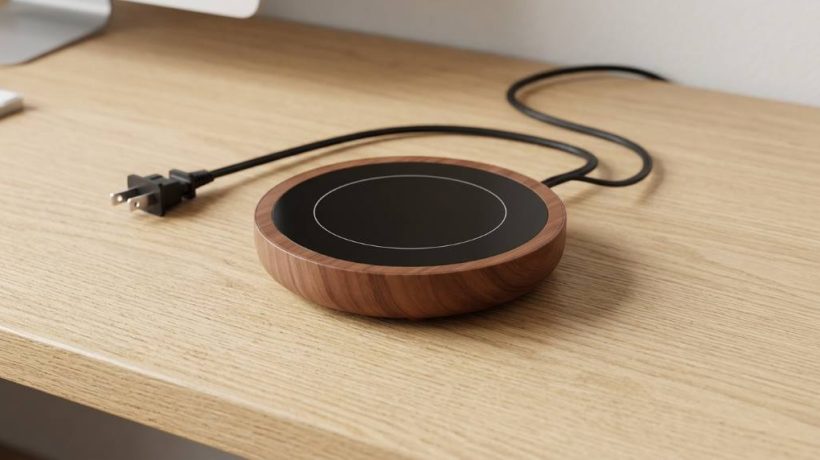
Using a Sweetfull Coffee Mug Warmer takes only a few simple steps. Place your mug centrally, connect the warmer, select your preferred heat level, and let it maintain warmth. The common 36 watt model offers three temperature settings for different drinking preferences. Some models also include timed shutoff features, while controls vary between versions. Coffee can lose about 94°F during 90 minutes without temperature control, making steady warming useful. If you want a closer look at this type of warmer, the Sweetfull Coffee Mug Warmer provides useful product context.
Key Takeaways
- Place the warmer on a stable, dry, heat resistant surface.
- Center a flat bottom mug over the heating area.
- Start with a lower setting before increasing heat.
- Use ceramic, glass, or suitable metal mugs for better contact.
- Keep spills away from controls, cords, and electrical connections.
- Check your model because timer controls can differ between versions.
Start With the Right Setup
Before switching on the warmer, inspect the heating surface for dust, moisture, or debris. Then place the unit on a level surface that can tolerate heat. Keep papers, fabric, and other flammable items away from the heating area.
Next, position the warmer close enough to reach a suitable electrical outlet. Avoid stretching the cord across walking areas or placing it beneath heavy objects. A clean setup reduces accidental spills and keeps the warmer easier to operate.
Check Your Sweetfull Model
Sweetfull sells several mug warmer versions with different controls and temperature ranges. Therefore, do not assume every model uses identical buttons, timers, or temperature values.
Look at the product label, control panel, or included instructions before your first use. This small check prevents confusion when your warmer displays different settings from another Sweetfull model.
How to Turn On the Warmer
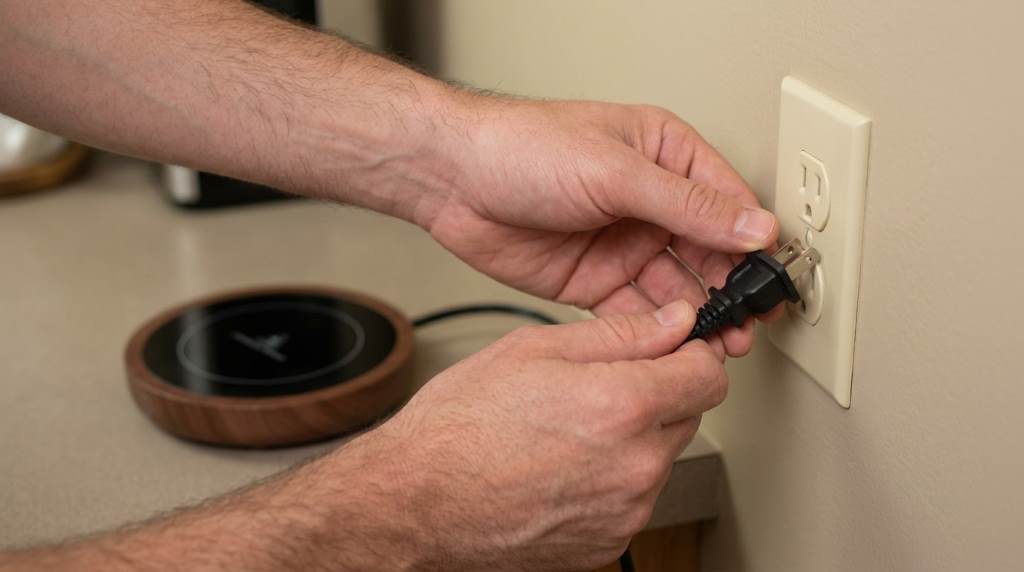
First, connect the power cord to the warmer if your model uses a detachable connection. Next, plug the cord into a suitable household outlet. Keep the heating surface uncovered while you prepare your drink.
Then touch or press the power control once, depending on your model. A light or display should indicate that the heating function has started. If nothing happens, disconnect the unit and check the outlet before trying again.
Place Your Mug Correctly
Center the mug directly over the heating area after activating the warmer. The mug base should make broad contact with the heated surface. This placement helps transfer heat more effectively into the beverage.
Flat bottom mugs generally work better than strongly curved bases. Ceramic, glass, and suitable stainless steel mugs commonly work well with plate style warmers.
Choose the Right Temperature
The common Sweetfull 36 watt model provides three heat settings. Its documented settings reach approximately 105°F, 130°F, and 180°F.
Start with the lower setting when your drink already feels warm. Increase the setting when you want stronger heat retention during a longer work session. However, your actual drink temperature can vary with the mug, drink volume, and room conditions.
| Setting | Approximate Temperature | Useful For |
|---|---|---|
| Low | 105°F | Gentle warming and already warm drinks |
| Medium | 130°F | Regular coffee, tea, and longer sipping |
| High | 180°F | Stronger warming when the drink needs more heat |
These figures describe the common 36 watt model, not every Sweetfull warmer. Always follow the settings printed on your specific device when they differ.
Match the Setting to Your Drink
Coffee usually benefits from moderate, steady warming rather than constant high heat. Start around the middle setting when you plan to sip slowly at your desk.
Tea may need gentler treatment, especially when you want to preserve delicate flavors. Milk based drinks also deserve careful temperature control because excessive heat can change their taste and texture.
When Your Drink Starts Cold
A mug warmer primarily maintains warmth rather than replacing a dedicated beverage heater. Therefore, pour a properly heated drink into the mug before placing it onto the warmer.
If your coffee has already become very cold, give it a fresh heat source first. Then use the warmer to slow further cooling during your drinking session.
Use a Mug That Transfers Heat Well
Your mug can strongly affect warmer performance, even when the warmer works correctly. Thick insulation can slow heat transfer between the heating surface and the beverage.
Double wall vacuum insulated mugs can also reduce the warming effect because their construction limits external heat transfer. A standard flat bottom ceramic mug often gives the warmer a better working surface.
Mug Types to Consider
- Flat bottom ceramic mugs for everyday coffee.
- Glass mugs when you want visible beverage levels.
- Suitable stainless steel mugs with broad, stable bases.
- Heat resistant cups that match your specific model instructions.
Avoid unstable containers that sit unevenly on the heating plate. Also avoid materials that your model instructions specifically prohibit.
How to Use the Timer Safely
Some Sweetfull models include automatic shutoff or adjustable timer functions. The exact timer period depends on the model, so check your controls before relying on it.
If your model includes a timer, set it for the period you actually need. A timed shutoff can reduce unnecessary heating when you become distracted during work.
Still, treat the timer as a convenience rather than a replacement for attention. Turn the warmer off manually whenever you finish using it and unplug it when appropriate.
Prevent Common Heating Problems
Many performance complaints actually come from mug shape, starting temperature, or incorrect placement. Therefore, check these factors before assuming the warmer has failed.
| Problem | Likely Cause | Practical Fix |
|---|---|---|
| Drink stays lukewarm | Cold starting drink or poor mug contact | Start hotter and center a flat base |
| Heating feels slow | Thick mug base or insulated construction | Try a suitable ceramic or glass mug |
| Warmer does not start | Power connection or control issue | Check the outlet and power connection |
| Heat feels excessive | High setting remains active | Switch to a lower temperature |
| Surface becomes messy | Drink spills or overfilled mug | Clean spills promptly and reduce filling level |
Keep the Heating Surface Clean
Allow the warmer to cool before cleaning its surface. Then wipe it with a soft, slightly damp cloth when needed.
Do not immerse the electrical unit in water or pour cleaning liquid directly onto it. Also, remove sticky drink residue promptly because buildup can affect the surface and create unpleasant odors.
Handle Spills Quickly
Spills can reach the controls or electrical connections if you leave them unattended. Turn off the warmer, disconnect power safely, and clean the affected area after cooling.
Never continue using a device that shows visible electrical damage or unusual behavior. Instead, follow the manufacturer’s safety instructions for inspection or replacement.
Improve Heat Retention During Long Work Sessions
Start with a hot drink rather than expecting the warmer to heat a cold beverage quickly. Then cover the mug when possible to reduce heat loss from the drink surface.
Keep your mug centered whenever you move it. Stirring occasionally can also distribute temperature throughout the drink instead of leaving warmer liquid near the base.
Furthermore, avoid repeatedly lifting the mug unless necessary. Every time you remove it, the drink loses heat faster and requires more warming afterward.
Common Mistakes to Avoid
- Placing the mug beside the heating zone.
- Using a heavily curved mug base.
- Expecting instant heating from a cold beverage.
- Covering ventilation areas or controls with objects.
- Leaving spilled liquid around the electrical components.
- Assuming every Sweetfull model uses the same temperature controls.
- Moving the warmer while the surface remains hot.
These mistakes can reduce performance and create unnecessary safety concerns. Fortunately, most problems disappear when you use the correct mug and follow the proper operating sequence.
Can You Use It for More Than Coffee?
Sweetfull documentation describes compatible uses that include coffee, tea, milk, and other warm beverages. Some models also support candle warming, but you should follow the instructions for your exact model.
Do not treat the warmer like a general cooking appliance. Its heating surface serves controlled warming purposes, so avoid placing food containers or unknown materials onto it.
A Simple Daily Routine
For everyday use, begin by placing the warmer on your desk before preparing your drink. Connect the power, activate the correct setting, and center your mug.
Afterward, keep the mug covered when practical and adjust the temperature as needed. When you finish drinking, switch the warmer off and allow the surface to cool.
Finally, wipe away any residue and store the device in a dry location when you no longer need it. This routine keeps operation simple while reducing avoidable wear.
How to Get Better Results Every Time
The most important factor remains the relationship between your mug and the heating plate. A flat, heat conductive base usually gives the warmer a clearer path for transferring warmth.
Next, match the temperature to your drinking pace rather than automatically selecting maximum heat. Slow drinkers may prefer steady medium warmth, while occasional users may need stronger warming.
Most importantly, use the controls intentionally. The warmer works best when you treat temperature, mug choice, placement, and timing as one system.
Frequently Asked Questions
How do you turn on a Sweetfull mug warmer?
Connect it to power, then press or touch the power control according to your model.
What temperature should I use for coffee?
Start around the medium setting and adjust based on your preferred drinking temperature.
Can I use any mug on a Sweetfull warmer?
Use a stable mug with a flat base that your specific Sweetfull model supports.
Does a Sweetfull mug warmer turn off automatically?
Some models include automatic shutoff, but the timing varies between Sweetfull versions.
Why does my coffee stay cold on the warmer?
Check mug contact, starting temperature, placement, and the selected heat setting before troubleshooting the device.
Final Thoughts
Using a Sweetfull mug warmer becomes straightforward once you understand placement, temperature, mug compatibility, and timing. Start with a warm drink, center the mug, and use the lowest setting that maintains your preferred temperature.
For the best everyday experience, keep the surface clean and avoid insulated mugs that block heat transfer. Follow your specific model’s instructions, especially when timer or temperature controls differ.
Ready to make your coffee breaks warmer and more consistent? Set up your Sweetfull warmer correctly today and build the simple routine that fits your drinking habits.
How to Use Royal Gourmet CC1830S Grill
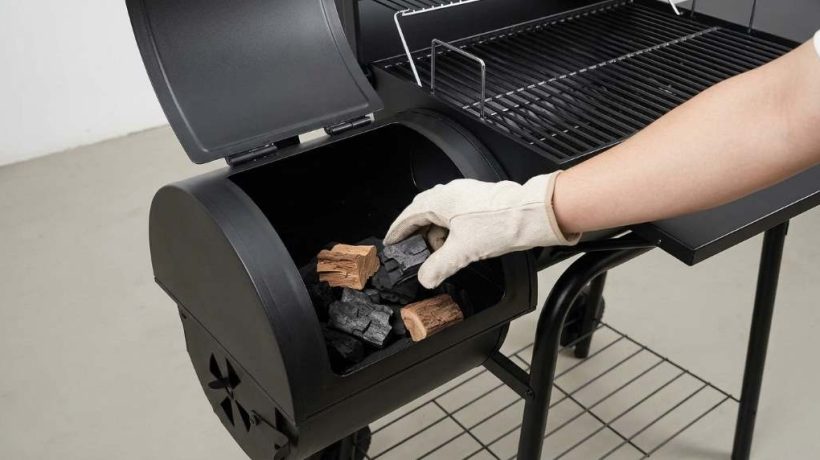
Use the Royal Gourmet CC1830S Grill by assembling it correctly, controlling its charcoal heat, and managing airflow throughout cooking. The grill works best when you build a controlled coal bed, preheat the grates, and adjust vents before adding food.
For a practical reference, the Royal Gourmet CC1830S Grill combines charcoal grilling with a side firebox design. Its 811 square inch total cooking area gives you room for direct grilling and indirect cooking.
Key Takeaways
- Assemble every grill component securely before lighting charcoal.
- Use the main chamber for direct heat and the firebox for controlled smoking.
- Preheat the cooking grates before placing food on them.
- Control temperature mainly through charcoal quantity and air vents.
- Keep the lid closed during indirect cooking to maintain steady heat.
- Clean ash and grease after cooking to improve airflow and performance.
Understand the Grill Before Cooking
The CC1830S uses a horizontal barrel design with a separate side firebox. Therefore, you can grill food directly or create indirect heat for longer cooking.
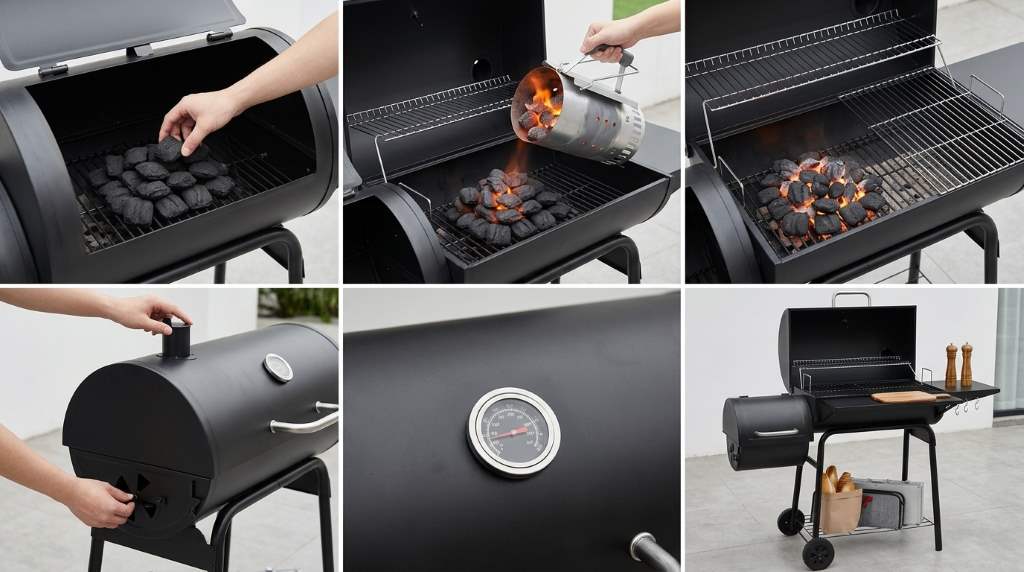
The main chamber handles everyday grilling, while the side firebox supplies heat and smoke. Meanwhile, adjustable dampers help you manage airflow and cooking temperature.
Know the Main Components
Before your first cook, identify the cooking grates, charcoal pan, firebox, dampers, handles, lid, and warming rack. Knowing each component makes temperature control much easier.
Also, check that the grates sit securely and the doors close properly. Loose parts can affect airflow, heat distribution, and cooking consistency.
Prepare the CC1830S for First Use
Place the grill outdoors on a stable, nonflammable surface before preparing it. Keep the grill away from walls, overhangs, dry vegetation, and other combustible materials.
Next, inspect the entire grill for loose hardware or damaged components. Tighten loose connections before lighting any charcoal or adding food.
Season the Cooking Grates
Clean the cooking grates before their first cooking session. Then apply a thin layer of high smoke point cooking oil across the grate surfaces.
Heat the grill without food until the oil bonds with the metal surface. This process helps reduce sticking and supports easier cleaning during future cooks.
Build the Right Charcoal Fire
Start with a moderate amount of charcoal rather than filling the entire charcoal area. You can always add more fuel when the temperature needs adjustment.
Arrange the lit charcoal toward one side for indirect cooking. Alternatively, spread the coals beneath the food when you want strong direct heat.
Use a Chimney Starter
A chimney starter provides a simple way to light charcoal without lighter fluid. Fill it with charcoal, place fire starter material underneath, and ignite it safely.
Wait until the charcoal develops a gray ash coating before transferring it. Then distribute the hot coals according to your cooking method.
Avoid Excess Charcoal
More charcoal does not automatically produce better grilling results. Excess fuel can create excessive temperatures and make the grill harder to control.
Instead, begin with a manageable fire and increase fuel gradually. This approach gives you more control during longer cooking sessions.
Control Heat With the Vents
Airflow controls how aggressively charcoal burns inside the grill. Opening the vents generally increases oxygen flow, while closing them reduces combustion.
Make small adjustments instead of moving the dampers dramatically. After each adjustment, give the grill time to respond before changing the setting again.
Use Direct Heat for Fast Cooking
Direct grilling places food above the hot charcoal. This method works well for burgers, steaks, sausages, vegetables, and thinner cuts.
Preheat the grates before cooking, then place food over the hottest area. Turn food when necessary and move it away from flare ups when needed.
Use Indirect Heat for Longer Cooking
Indirect cooking keeps food away from the strongest charcoal heat. This method works particularly well for whole chickens, ribs, roasts, and thicker cuts.
Place charcoal on one side and food on the opposite side. Close the lid, then regulate airflow to maintain steady cooking temperatures.
Use the Side Firebox for Smoking
The side firebox turns the CC1830S into a charcoal smoker. Start a small fire inside the firebox and let heat travel into the main chamber.
Add suitable smoking wood gradually instead of adding large quantities at once. Too much wood can produce harsh smoke and overpower the food.
Manage Smoke Quality
Good barbecue usually benefits from clean, controlled smoke rather than thick white clouds. Adjust airflow until the fire burns steadily and produces lighter smoke.
Keep the cooking chamber closed as much as practical. Opening the lid repeatedly releases heat and disrupts the smoke environment.
Preheat Before Adding Food
Give the grill adequate time to heat after lighting the charcoal. Preheating helps stabilize the cooking surface and burn away residue from previous sessions.
Place your hand several inches above the grate only briefly if you need a basic heat impression. However, use a reliable grill thermometer for accurate temperature monitoring.
Create Different Heat Zones
A two zone setup gives you more control during cooking. Keep one area hotter for searing and another area cooler for slower cooking.
Move food between zones whenever the surface browns too quickly. This simple technique also helps manage flare ups without removing food from the grill.
Cook Different Foods Effectively
Use high direct heat for foods that cook quickly and need surface browning. Burgers, steaks, hot dogs, and vegetables commonly benefit from this approach.
For thicker foods, start with indirect heat and finish over direct charcoal. As a result, the center can cook without burning the exterior.
| Food Type | Recommended Method | Useful Technique |
|---|---|---|
| Burgers | Direct heat | Sear and flip once as needed |
| Steaks | Direct and indirect | Cook indirectly, then sear |
| Chicken | Indirect heat | Finish over direct heat |
| Ribs | Low indirect heat | Maintain steady smoke |
| Vegetables | Direct heat | Use a cooler zone when needed |
Prevent Common Grilling Problems
Temperature Keeps Rising
Rapid temperature increases usually indicate excessive airflow or too much burning charcoal. Reduce airflow gradually and avoid adding more fuel.
Also, check whether the lid and dampers close properly. Small gaps can introduce additional oxygen and make temperature control difficult.
Food Burns Outside
Move the food toward the cooler cooking zone when the exterior browns too quickly. Then close the lid and allow indirect heat to finish cooking.
Furthermore, avoid placing fatty foods directly above intense charcoal for extended periods. Dripping grease can create sudden flames and scorching.
Smoke Tastes Too Strong
Heavy smoke often comes from excessive wood or poor combustion. Reduce the amount of smoking wood and improve airflow around the fire.
Use smaller wood pieces and add them gradually. Clean combustion usually creates a cleaner flavor than an overloaded smoking chamber.
Clean the Grill After Every Session
Let the charcoal and grill cool completely before cleaning. Never remove hot ash into plastic containers or other heat sensitive materials.
Brush the cooking grates after cooking while they remain slightly warm. Then empty accumulated ash once everything has cooled safely.
Clean Grease and Food Residue
Remove heavy grease buildup from surfaces that collect drippings. Excess grease can produce unwanted smoke and increase fire risk during later cooks.
Wipe accessible surfaces with suitable grill cleaning tools. Avoid damaging painted or coated areas with unnecessarily aggressive abrasives.
Store the CC1830S Correctly
Protect the grill from prolonged moisture whenever possible. A suitable grill cover can help reduce exposure to rain, dirt, and environmental debris.
Before covering it, confirm that the grill has cooled completely. Also, remove ash and food residue so moisture does not combine with corrosive deposits.
Safety Practices That Matter
Always operate the grill outdoors in an open, well ventilated area. Never use charcoal grills inside homes, garages, enclosed patios, or other enclosed spaces.
Keep children and pets away from the hot grill and surrounding area. Additionally, keep a suitable fire extinguisher or other appropriate fire safety equipment nearby.
- Never leave a burning charcoal grill unattended.
- Do not use gasoline or other unsafe accelerants.
- Keep combustible materials away from hot surfaces.
- Use heat resistant gloves when handling hot components.
- Allow charcoal to cool completely before disposal.
How to Get More Consistent Results
Consistency comes from controlling variables rather than constantly changing techniques. Use similar charcoal quantities, cooking zones, vent settings, and preparation methods each time.
Keep a simple cooking record for successful recipes. Record approximate fuel quantity, cooking temperature, cooking duration, and vent adjustments for future reference.
Use a Thermometer
A digital meat thermometer provides more reliable results than judging doneness by appearance alone. Check the thickest part of the food without touching bone.
For safety, follow current food safety guidance for the specific meat you cook. Remove food only after it reaches the appropriate internal temperature.
Frequently Asked Questions
How do I start the Royal Gourmet CC1830S?
Light charcoal safely, allow it to develop a gray ash coating, then arrange it for direct or indirect cooking.
Can I use the CC1830S as a smoker?
Yes, use the side firebox to create indirect heat and introduce controlled amounts of smoking wood.
How do I control the grill temperature?
Control temperature by adjusting charcoal quantity and gradually changing the intake and exhaust airflow.
Should I preheat the cooking grates?
Yes, preheat the grates before cooking to stabilize heat and reduce food sticking.
How often should I clean the grill?
Brush the cooking grates after every session and remove accumulated ash whenever the grill completely cools.
Final Thoughts
The Royal Gourmet CC1830S becomes easier to use once you understand fuel placement, airflow, heat zones, and smoke control. Start with moderate charcoal, make small adjustments, and give the grill time to respond.
For better results, practice with simple foods before attempting long smoking sessions. Clean the grill after every cook, record successful settings, and gradually develop your preferred cooking routine.
Ready to cook? Set up a two zone charcoal fire, preheat the grates, and start with a simple meal before exploring longer cooks.
How to Use Oghom Clothes Steamer Safely and Effectively
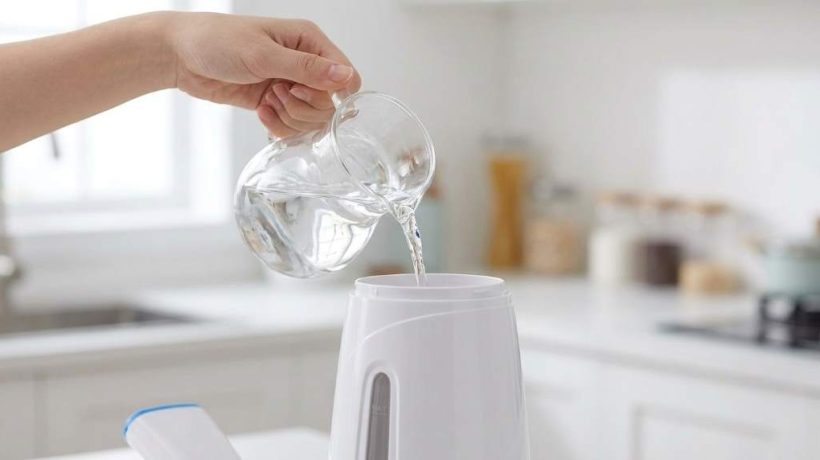
To use an Oghom Clothes Steamer, fill its tank, let it heat fully, then move the nozzle over hanging clothes. Keep the steam head moving and follow each garment’s care label to reduce fabric damage.
A handheld steamer can refresh garments faster than ironing because it treats wrinkles while clothes hang naturally. The Oghom Clothes Steamer works best when you combine steady movement with suitable steam distance. Steamers can reach temperatures above 200°F, so careful handling remains important. Moreover, proper storage prevents mineral buildup and keeps the appliance ready for regular use.
Key Takeaways
- Fill the water tank before connecting the steamer to power.
- Let the steamer reach operating temperature before treating fabric.
- Hang garments vertically for easier wrinkle removal.
- Move the steam head continuously instead of holding it still.
- Use extra care with delicate fabrics, trims, and printed areas.
- Empty the tank after use and store the steamer completely dry.
What You Need Before Steaming

First, prepare the steamer, clean water, a sturdy hanger, and the garment you want to refresh. Choose a spacious area where the fabric can hang freely without touching people or surfaces.
Next, inspect the garment’s care label before applying steam. The label can indicate whether the fabric tolerates heat, steam, or only specific cleaning methods.
Check the Garment Fabric
Most everyday fabrics respond well to controlled steaming, especially cotton blends, polyester, and synthetic materials. However, delicate materials can require lower heat, greater distance, or professional care.
Therefore, inspect silk, velvet, suede, leather, coated fabrics, and embellished clothing carefully. When the label warns against steam or heat, avoid using the steamer on that garment.
How to Prepare the Oghom Steamer
Before starting, place the steamer on a stable, heat resistant surface. Keep the steam outlet away from your hands, face, furniture, and other sensitive materials.
Then remove the water tank according to the appliance design and fill it with suitable clean water. Never exceed the tank’s maximum fill line because excess water can cause leaks.
Fill the Water Tank Correctly
Use clean water that matches the manufacturer’s instructions for your specific Oghom model. Avoid adding perfume, detergent, fabric softener, or other liquids unless the manual specifically permits them.
After filling the tank, secure it firmly before connecting the appliance to power. A properly seated tank helps prevent water leakage while you work.
Allow Proper Heating Time
Connect the steamer to power and activate its heating function. Wait until the appliance reaches its ready state before directing steam toward clothing.
Meanwhile, hang the garment and straighten obvious folds with your hands. This preparation gives steam a clearer path through the fabric.
How to Steam Clothes Step by Step
Start with the garment hanging vertically from a strong hanger. Keep enough space around the garment so you can move the steam head freely.
Hold the steamer according to its operating instructions and point the steam outlet toward the fabric. Begin near the upper section, then work gradually toward the hem.
1. Start With the Collar and Shoulders
Begin with collars, shoulders, and other structured areas because these sections often hold visible creases. Move the steam head slowly across the fabric without concentrating heat on one spot.
For collars, support the fabric with your free hand when safe to do so. Keep your hand away from the direct steam path to prevent burns.
2. Work Down the Garment
Next, move from the upper body toward the lower sections using smooth vertical passes. Keep the nozzle moving rather than repeatedly pressing steam against one location.
As wrinkles loosen, gently smooth the fabric with your free hand. This combination helps the fibers relax while gravity keeps the garment naturally aligned.
3. Treat Sleeves Carefully
Pull each sleeve straight and steam from the shoulder toward the cuff. Rotate the sleeve gradually so steam reaches both sides evenly.
For shirts and jackets, pay attention to sleeve seams and cuffs. Avoid forcing steam directly into decorative details, adhesives, or sensitive trims.
4. Finish the Lower Sections
Steam trousers, skirts, dresses, and longer garments from the waist downward. Keep the fabric hanging freely while you move across each section.
For trousers, use extra care around creases because excessive steam can soften intentional pressing. If you want a sharp crease, follow the garment’s care instructions instead.
How Far Should You Hold the Steamer?
The correct distance depends on the Oghom model and fabric, so follow its instructions first. Generally, keep the steam head close enough to relax wrinkles without pressing it tightly against delicate material.
Start farther away when treating an unfamiliar fabric, then gradually reduce the distance if necessary. This approach gives you better control and lowers the risk of water spotting and troubleshooting or heat damage.
How to Steam Different Fabrics
Different fabrics react differently to heat and moisture, so avoid using one technique for every garment. Instead, adjust your movement, distance, and exposure according to the material.
| Fabric | Steaming Approach | Important Caution |
|---|---|---|
| Cotton | Use steady passes across visible wrinkles | Thicker cotton may need repeated passes |
| Polyester | Use moderate exposure and continuous movement | Avoid excessive heat on delicate finishes |
| Silk | Use gentle steam from a safer distance | Test an inconspicuous area first |
| Wool | Steam lightly while preserving the garment shape | Avoid saturating the fabric |
| Velvet | Use careful indirect steaming when permitted | Direct pressure can affect the pile |
How to Remove Stubborn Wrinkles
Some wrinkles need more than one quick pass, especially after clothing stays compressed in luggage. Instead of holding the steamer in one place, make several controlled passes.
First, stretch the garment gently while keeping it securely hung. Then apply steam gradually and allow the fabric to relax between passes.
Use Gravity to Your Advantage
Hanging garments gives gravity a useful role during steaming. As warm moisture relaxes the fibers, the garment can naturally settle into a smoother shape.
Therefore, avoid laying clothes flat unless your specific steaming method requires it. Vertical steaming usually gives you better access and easier movement.
Common Mistakes to Avoid
Many steaming problems happen because users rush the heating process or keep the steam head stationary. Simple changes can improve results while protecting both clothing and the appliance.
- Do not steam clothing while wearing it.
- Do not point steam toward your hands or face.
- Do not overfill the water tank.
- Do not add chemicals to the tank without approval.
- Do not ignore fabric care labels.
- Do not press the steam head aggressively against delicate fabric.
- Do not leave the appliance unattended while powered.
How to Steam Clothes Without Water Spots
Water spots can appear when moisture collects on fabric faster than it evaporates. Start with a properly heated appliance and avoid excessive steam exposure.
Additionally, keep the steamer moving and allow enough distance for vapor to spread evenly. Test darker or delicate garments on a hidden section before treating the entire item.
How to Clean and Store the Steamer
After steaming, switch the appliance off and disconnect it from power. Allow the unit to cool completely before handling the tank or storing the appliance.
Empty remaining water from the tank after each session when the manufacturer’s instructions permit it. This habit reduces stagnant water and helps keep the appliance ready for its next use.
Reduce Mineral Buildup
Minerals from water can accumulate inside steam appliances over time. Follow the Oghom model’s cleaning and descaling instructions rather than applying an unapproved cleaning solution.
If steam output decreases or the appliance begins producing unusual droplets, inspect the tank and cleaning requirements. Regular maintenance can help preserve consistent steam performance.
How to Use the Steamer for Travel
A compact steamer can help refresh shirts, dresses, trousers, and other garments after travel. However, always check the destination’s electrical requirements before connecting an appliance.
Pack the steamer only after it has cooled, drained, and dried completely. During use, hang clothing securely and keep the appliance away from hotel furnishings that heat or moisture could damage.
When a Steamer Works Better Than an Iron
A steamer offers a practical option when you want to release wrinkles without setting up an ironing board. It also works conveniently for hanging garments, jackets, dresses, and quick touch ups.
However, an iron can provide better results when you need crisp seams, sharp trouser creases, or precise pressing. Therefore, treat steaming and ironing as different tools rather than interchangeable methods.
Quick Troubleshooting Guide
| Problem | Likely Cause | What to Do |
|---|---|---|
| No steam | Insufficient heating or water | Check the tank and allow proper heating time |
| Weak steam | Low water or mineral buildup | Check water level and cleaning instructions |
| Water droplets | Condensation or improper positioning | Allow heating and keep the head moving |
| Wrinkles remain | Insufficient exposure or fabric tension | Use controlled repeated passes |
Safety Practices That Matter Most
Steam can cause serious burns even when the appliance looks compact and easy to handle. Always keep the steam outlet pointed away from your body and other people.
Furthermore, keep children and pets away while the appliance operates. Disconnect the steamer after use, let it cool completely, and store it somewhere stable.
Frequently Asked Questions
Can I use tap water in an Oghom Clothes Steamer?
Use the water type recommended for your specific Oghom model, especially if your local water contains many minerals.
Can I steam clothes while wearing them?
No, always hang the garment securely before steaming because direct steam can cause serious skin burns.
Can I use an Oghom steamer on delicate fabrics?
Yes, when the garment label permits steaming, but start gently and test a hidden area first.
Why does my steamer release water instead of steam?
Water droplets can result from incomplete heating, condensation, excessive filling, or incorrect handling.
Should I empty the steamer after every use?
Yes, emptying the tank after use helps reduce stagnant water and supports cleaner appliance storage.
Final Thoughts
Using an Oghom Clothes Steamer effectively comes down to preparation, controlled movement, and fabric awareness. Start with the care label, fill the tank correctly, allow proper heating, and steam from top to bottom.
For better results, keep the garment hanging and use several gentle passes instead of excessive heat. Follow the manufacturer’s model specific instructions whenever they differ from general steaming practices.
Before your next steaming session, inspect your garment, prepare a safe workspace, and test unfamiliar fabrics first. With consistent technique and proper maintenance, you can make everyday wrinkle removal faster and more reliable.
How to Use Nextmug Self Heating Mug
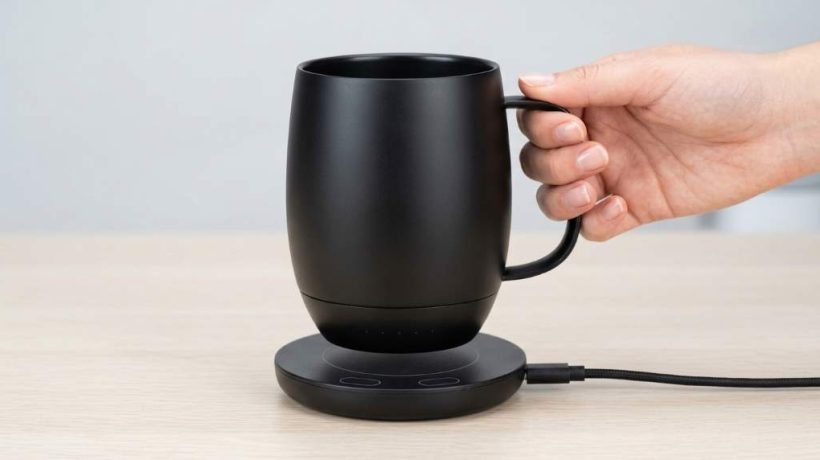
Using the Nextmug Self Heating Mug takes only a few simple steps. Charge the mug, add a hot beverage, then press the control button to set your temperature. The mug offers three settings: 130°F, 140°F, and 150°F. Its lithium ion battery can maintain heat while you drink away from the coaster.
If you want more details about the Nextmug Self Heating Mug, start by learning its basic controls. Then, follow the charging, heating, cleaning, and storage steps below.
Key Takeaways
- Charge the mug fully before your first extended use.
- Press the control button once for Warm at 130°F.
- Press twice for Hot at 140°F and three times for Piping at 150°F.
- Keep the mug on its docking coaster for continuous temperature maintenance.
- Use the lid when carrying the mug or drinking away from power.
- Hand wash the mug and keep its charging surfaces completely dry.
- Never microwave, submerge, or place the mug inside a dishwasher.
Understand How the Nextmug Works
The Nextmug combines a rechargeable battery, heating system, temperature controls, and charging coaster. Instead of reheating coffee repeatedly, the mug maintains your selected drinking temperature.
Unlike app controlled smart mugs, Nextmug uses a physical control button. Therefore, you can adjust the heat without pairing Bluetooth or opening a phone application.
The docking coaster serves two important purposes during everyday use. It charges the internal battery and lets the mug maintain its selected temperature continuously.
Know the Three Temperature Settings
| Setting | Temperature | Best Use |
|---|---|---|
| Warm | 130°F | Long coffee sessions and comfortable sipping |
| Hot | 140°F | Regular coffee and tea drinking |
| Piping | 150°F | People who prefer a noticeably hotter beverage |
These three settings cover most everyday hot beverage preferences. Nextmug recommends experimenting with each level until you find your preferred drinking temperature.
Charge the Mug Before Using It
Start by placing the docking coaster on a stable, dry surface. Connect the supplied power adapter, then place the mug securely onto the coaster.
The battery indicator lights show charging progress as the battery fills. When the available indicator lights remain solid, the mug has reached a full charge.
Before charging, always check that the mug base and docking coaster remain completely dry. Moisture around charging contacts can interfere with charging and may cause corrosion.
Why Full Charging Matters
A full battery gives you more flexibility when you move away from the coaster. However, higher temperature settings can require more heating power during use.
For desk use, keeping the mug on its coaster provides the simplest routine. You can then enjoy your drink without worrying about the battery running down during long work sessions.
Prepare Your Coffee or Tea
Next, pour your freshly prepared beverage into the mug. For best results, start with a beverage temperature at or above your selected setting.
The mug works by maintaining temperature rather than replacing a kettle or coffee maker. Therefore, extremely cold drinks may require more battery power to reach a hot setting.
Do not fill the mug beyond its intended capacity. Leaving some space also makes sipping safer and reduces the chance of accidental spills.
Turn On the Heating Function
Find the control button positioned directly beneath the Nextmug logo. Press it once to turn the mug on and activate the Warm setting at 130°F.
To increase the temperature, press the same button again. Each press moves the mug through the available settings in sequence.
- First press: Warm at 130°F.
- Second press: Hot at 140°F.
- Third press: Piping at 150°F.
- Fourth press: Turns the mug off.
This button sequence makes daily operation straightforward. Once you learn the four press cycle, you can change settings without checking an app or manual.
Read the Indicator Lights Correctly
The indicator lights help you understand the mug’s operating status. They provide information about temperature progress and remaining battery capacity.
During heating, the temperature indicator can pulse as the drink moves toward your selected setting. Once the beverage reaches the target temperature, the indicator changes to show temperature maintenance.
The battery indicator also helps you decide when to return the mug to its docking coaster. Therefore, check the lights before taking the mug away from its charging base.
What to Do When the Mug Takes Time to Heat
Do not assume the mug has stopped working simply because heating takes time. Beverage starting temperature, selected setting, volume, and battery level can affect the process.
First, confirm that the mug contains liquid and has enough battery power. Then, check whether you selected a higher temperature than necessary.
Use the Docking Coaster for Long Sessions
The docking coaster works especially well beside a computer, reading chair, or kitchen workspace. Keep the mug centered properly so its charging connection remains stable.
When you plan to sip throughout several hours, leave the mug docked whenever practical. This approach reduces battery dependence and supports continuous temperature maintenance.
However, avoid placing wet mugs onto the coaster. Dry both surfaces first, because moisture can affect charging connections over time.
Use the Mug Away From the Coaster
One major advantage of the Nextmug comes from its internal rechargeable battery. After charging, you can remove the mug from its coaster and continue drinking.
This setup works well when moving between rooms or working away from your desk. Still, battery operation works best when you monitor the battery indicator regularly.
Use the Lid for Better Heat Retention
The included spill resistant lid helps retain beverage temperature when the mug sits away from its coaster. It can also reduce accidental spills during ordinary movement.
Press the lid firmly into place before carrying the mug. However, treat it as spill resistant rather than completely leakproof.
Nextmug documentation also states that the lid can help maintain the selected temperature for several hours while undocked.
Use the Correct Temperature for Different Drinks
Your ideal temperature depends on the beverage and your personal drinking preference. Coffee often works comfortably around the Warm or Hot settings.
Tea drinkers may prefer different temperatures depending on the tea style and brewing method. Therefore, use the three presets as practical starting points rather than fixed rules.
Warm at 130°F
The Warm setting works well for slow coffee drinking. It provides a comfortable temperature without keeping the beverage extremely hot.
Hot at 140°F
The Hot setting offers a stronger balance between warmth and comfortable sipping. Many users may find this setting suitable for everyday coffee.
Piping at 150°F
The Piping setting suits people who prefer a noticeably hotter drink. Use extra caution because hot beverages can cause burns.
Understand the Automatic Shutoff
The Nextmug includes automatic shutoff features designed to reduce unnecessary heating. The system can detect when the mug contains no liquid and stop heating.
It can also shut down after extended inactivity under specified conditions. This feature helps prevent unnecessary battery use when you forget about the mug.
Still, automatic shutoff should not replace normal appliance habits. Turn the mug off manually whenever you finish using it for the day.
Clean the Nextmug Safely
Cleaning requires more care because the mug contains electronic components and a rechargeable battery. Hand wash the mug with warm water and mild soap after regular use.
Never submerge the mug in water or place it inside a dishwasher. Also, avoid getting the docking coaster or electrical connections wet.
After washing, dry the mug thoroughly before placing it back on the charging coaster. This simple habit protects the charging connection and helps maintain reliable operation.
How to Clean the Lid
The lid requires less restrictive cleaning because Nextmug states that its lids are dishwasher safe. You can also wash the lid manually when convenient.
If residue collects around the silicone ring, remove the ring and clean both the ring and its groove. Then reinstall the ring securely before using the lid again.
Avoid These Common Nextmug Mistakes
- Do not place the mug in a microwave.
- Do not put the mug inside a dishwasher.
- Do not submerge the mug in water.
- Do not place a wet mug on the charging coaster.
- Do not use third party charging accessories.
- Do not operate the mug with damaged electrical components.
- Do not treat the spill resistant lid as completely leakproof.
These mistakes can reduce performance or create unnecessary safety risks. Nextmug’s care guidance specifically warns against microwaving, dishwashing, and submerging the mug.
Make Your Daily Nextmug Routine Easier
A simple routine can make the mug more useful throughout your day. Start each morning with a charged mug, freshly prepared beverage, and your preferred temperature.
Then, keep the coaster nearby whenever you expect a long drinking session. If you move away, use the lid and monitor the battery indicator before continuing your work.
At the end of the day, wash the mug by hand and dry it completely. Finally, return it to the coaster when you want the battery ready for your next drink.
Nextmug Troubleshooting Checklist
| Problem | What to Check |
|---|---|
| Mug does not heat | Check battery level, liquid presence, and power setting. |
| Mug loses heat quickly | Check battery level and consider using the docking coaster. |
| Mug does not charge | Dry the mug base and coaster, then reseat the mug. |
| Temperature seems low | Check whether Warm, Hot, or Piping matches your preference. |
| Lights behave unexpectedly | Check the indicator pattern and consult the appropriate manual. |
If the mug still fails after basic checks, stop using it rather than attempting repairs yourself. Contact the manufacturer for product specific support when a fault continues.
How to Get Better Results Every Time
First, begin with a properly prepared hot beverage rather than expecting the mug to replace brewing equipment. Next, select the lowest temperature that keeps your drink enjoyable.
Also, use the coaster whenever you have access to a stable power source. This habit preserves battery capacity for situations where you actually need cordless use.
Finally, keep the mug and charging area clean and dry. Consistent care matters because electronic drinkware depends on reliable charging contacts.
Frequently Asked Questions
How do you turn on a Nextmug?
Press the control button once to turn on the mug and activate the 130°F Warm setting.
How do you make Nextmug hotter?
Press the control button again to select 140°F Hot or press it again for 150°F Piping.
Can you put Nextmug in the dishwasher?
No, hand wash the mug because its internal electronics require protection from dishwasher conditions.
Can you microwave a Nextmug?
No, never microwave the Nextmug because it contains electronic components and a rechargeable battery.
How long does Nextmug stay hot without the coaster?
A fully charged Nextmug can maintain temperature for hours, while the exact duration depends on use conditions.
Final Thoughts
Learning how to use a Nextmug becomes simple once you understand its button sequence. Charge it, add your hot drink, select Warm, Hot, or Piping, and let the mug maintain your chosen temperature.
For the best everyday experience, keep the coaster nearby and use the lid when you move around. Most importantly, hand wash the mug and keep every charging surface completely dry.
Start with the 140°F Hot setting if you want a practical middle ground. Then adjust the temperature based on how your coffee or tea tastes during your normal routine.
How to Choose Miele GN Vacuum Bags
Choose Miele GN vacuum bags by matching the bag type to your Miele vacuum model first. Then check filtration, bag construction, pack size, and genuine compatibility before buying. A properly fitted Miele GN Vacuum Bags set can help maintain airflow and protect your vacuum. Miele introduced the GN HyClean dustbag format for several canister vacuum families, while modern variants add improved filtration features. Therefore, the right bag depends more on your vacuum’s specifications than appearance. This guide explains the key checks, common mistakes, and practical buying decisions for cleaner, safer vacuuming.
Key Takeaways
- Confirm your exact Miele vacuum model before ordering bags.
- Check whether the machine accepts the GN bag format.
- Compare filtration levels when allergies or fine dust matter.
- Prefer bags with a secure collar and automatic sealing feature.
- Check package quantity based on your cleaning frequency.
- Replace bags before heavy filling restricts airflow.
Start With Your Miele Vacuum Model
The model number provides the most reliable starting point for selecting a compatible dustbag. You can usually find this information on the vacuum’s rating plate or documentation. Moreover, several Miele canister vacuums use the GN format, but not every Miele vacuum accepts it. Therefore, never assume compatibility because two machines look similar.
Write down the complete model designation before searching for replacement bags. Then compare that information against the bag packaging or manufacturer’s compatibility information. This simple step prevents most purchasing mistakes.
Why Model Matching Matters
Vacuum bags must connect securely with the machine’s intake port. A poor fit can reduce suction and allow dust to escape around the connection. Consequently, a visually similar bag may still perform poorly in the wrong vacuum.
Furthermore, Miele has produced many vacuum models across different product families. Their bags can share similar shapes while using different mounting systems. Always verify the approved bag type instead of relying on photographs alone.
Understand the GN Bag Format
GN refers to a specific Miele dustbag format used across numerous cylinder vacuum models. The format generally features a rectangular dustbag with a rigid collar for machine attachment. However, compatibility still depends on the vacuum model and its design.
When shopping, look specifically for compatibility with the GN format. Next, verify whether your vacuum belongs to a compatible Miele product family. This two step check gives you much greater confidence than searching by bag appearance.
GN Versus Other Miele Bag Types
Miele uses different dustbag formats for different vacuum designs. For example, some compact machines use smaller bag formats rather than GN bags. Therefore, knowing the letters printed on your existing bag can help narrow the search.
Still, the existing bag should not serve as your only source of information. Check your vacuum model because previous owners sometimes install incorrect replacement bags. A model based check gives you a more dependable answer.
Check Filtration Before Buying
Filtration becomes especially important when your household regularly encounters fine dust, pollen, or pet debris. A quality dustbag can capture particles while maintaining suitable airflow through the vacuum. However, the bag’s filtration performance depends on its material and construction.
Miele offers dustbags with multilayer construction designed to capture household debris efficiently. Some versions also incorporate additional filtration technology for finer particles. Therefore, compare the filtration description when indoor air quality matters to you.
Choose Based on Household Needs
Homes with pets often collect hair, dander, and fine debris during routine cleaning. Consequently, a well constructed bag can make regular maintenance easier. Allergy sensitive households may also benefit from selecting a higher filtration option when compatible.
For ordinary household dust, you may not need the most specialized filtration available. Instead, focus on genuine compatibility and reliable construction. This approach avoids paying for features that provide little practical benefit.
Inspect the Bag Construction
A good vacuum bag should feel sturdy without becoming excessively rigid. Strong seams help the bag contain collected debris during removal and disposal. Likewise, a well formed collar should attach firmly to the vacuum intake.
Look for multilayer material and a properly finished connection point. Additionally, inspect the cardboard or synthetic collar for clean edges and accurate shaping. These details can reveal whether a bag meets the expected manufacturing standard.
Look for Automatic Closure Features
Some Miele dustbags include a self closing mechanism that helps seal the opening during removal. This feature can reduce direct contact with collected dust. Therefore, it offers a practical advantage for households that clean frequently.
However, the closure mechanism must engage correctly inside the vacuum. If the bag does not seat properly, the feature cannot provide its intended benefit. Always install the bag according to the vacuum’s instructions.
Decide Between Genuine and Compatible Bags
Genuine Miele bags provide a straightforward route to confirmed compatibility and expected construction. Compatible alternatives can cost less, but their quality varies considerably. Therefore, evaluate construction, fit, filtration, and seller reliability before considering an alternative.
Cheap bags can become expensive when poor fit reduces cleaning performance or creates dust leakage. Conversely, a reputable compatible product may satisfy basic cleaning needs. The important point involves verified specifications rather than price alone.
What to Check With Compatible Bags
- Confirm the bag explicitly supports your Miele model.
- Check the attachment collar dimensions and design.
- Review the stated filtration material and construction.
- Look for a secure closure mechanism when available.
- Check customer feedback for fit and leakage complaints.
Also, avoid listings that provide vague compatibility claims without specific model information. A clear compatibility list shows greater attention to product accuracy. When details remain unclear, verify the bag type before placing an order.
Consider Bag Capacity and Pack Size
Bag capacity affects how often you need to stop cleaning and replace the bag. Larger households may fill bags faster because they generate more dust and debris. Similarly, homes with pets can require more frequent replacements.
Buying multipacks can make sense when you already know the bags fit your vacuum. However, purchase a smaller pack when testing a new product or unfamiliar supplier. This approach limits waste if the bags fail your expectations.
Use Your Cleaning Routine as a Guide
Track how quickly your current bag fills during normal cleaning. Then use that pattern to estimate how many bags your household needs annually. Consequently, you can select a pack size based on actual consumption rather than guesswork.
Remember that visible fullness does not always indicate ideal replacement timing. Fine dust can restrict airflow before the bag looks completely full. Replace the bag when performance drops or the vacuum indicates replacement.
Compare Bag Features Before Purchase
| Feature | Why It Matters | What to Check |
|---|---|---|
| Compatibility | Ensures proper installation | Exact vacuum model and GN format |
| Filtration | Helps capture fine household dust | Bag material and filtration claims |
| Collar | Creates the intake connection | Correct shape and secure fit |
| Closure | Helps contain dust during removal | Automatic sealing mechanism |
| Pack size | Determines replacement frequency | Number of bags per package |
| Construction | Supports reliable dust containment | Seams, layers, and material quality |
Use this checklist before comparing individual products. It keeps the buying decision focused on performance instead of packaging claims. More importantly, it reduces the chance of buying bags that fit poorly.
Watch for Common Buying Mistakes
Many shoppers search only for the cheapest bag that carries the GN label. That shortcut can overlook filtration quality, construction, and exact model compatibility. Instead, verify each important specification before ordering.
Another common mistake involves buying bags based on an old package without checking the vacuum itself. Previous replacements may not match the machine correctly. Therefore, treat the vacuum model as your primary reference point.
Avoid These Errors
- Do not assume every Miele canister vacuum uses GN bags.
- Do not rely solely on product photographs.
- Do not ignore filtration requirements in sensitive households.
- Do not buy large multipacks before confirming compatibility.
- Do not continue using a bag after airflow noticeably decreases.
Install the Bag Correctly
Even the correct bag can perform poorly when installed incorrectly. Open the vacuum compartment and remove the full bag according to the machine’s instructions. Then position the replacement collar directly over the intake connection.
Press the collar into place without forcing it at an angle. Next, check that the bag sits naturally inside the compartment without folding against the housing. Finally, close the compartment securely before operating the vacuum.
Check Performance After Installation
Run the vacuum briefly after installing a new bag and listen for unusual airflow changes. Strong, consistent suction generally indicates proper seating and normal airflow. If performance suddenly drops, switch off the machine and inspect the installation.
Also, check around the bag connection for visible dust or an unusual smell. These signs can indicate an incorrect fit or another maintenance issue. Address the problem before continuing regular cleaning.
How to Keep Miele Bags Working Properly
Regular maintenance helps your vacuum maintain useful airflow between bag replacements. Emptying or replacing the bag at the recommended point prevents excessive restriction. Furthermore, keeping filters clean supports the entire filtration system.
Never force additional debris into an already full bag. Doing so can compress the contents and reduce available airflow. Instead, replace the bag and inspect the filters during routine maintenance.
Build a Simple Replacement Routine
- Monitor suction during normal cleaning.
- Check the bag indicator when your model provides one.
- Replace the bag when it reaches the recommended fill level.
- Inspect filters during regular vacuum maintenance.
- Keep replacement bags stored in a clean, dry location.
This routine keeps replacement decisions simple and predictable. Over time, your cleaning habits will show how frequently your household needs new bags. Use that pattern when planning future purchases.
When Should You Buy Miele GN Vacuum Bags?
The best time to buy replacement bags depends on your household’s cleaning frequency and storage space. Frequent cleaners can keep a spare pack available to avoid interruptions. Occasional users may prefer smaller quantities to prevent unnecessary long term storage.
Before ordering, confirm the model, GN compatibility, filtration, construction, and pack quantity. Then compare those factors across reputable sellers. This process gives you a practical basis for selecting the right replacement.
Frequently Asked Questions
Are all Miele vacuum bags GN?
No, Miele uses several bag formats, so you must verify your vacuum model before buying.
How do I know if GN bags fit my vacuum?
Check your vacuum’s complete model designation against the manufacturer’s approved bag compatibility information.
Are Miele GN bags reusable?
No, standard disposable GN dustbags should be replaced rather than emptied and reused.
How often should I replace a GN vacuum bag?
Replace it when the bag reaches its recommended fill level or airflow noticeably decreases.
Do higher filtration bags improve cleaning?
Higher filtration can help capture finer particles when the selected bag remains fully compatible with your vacuum.
Final Buying Checklist
Choosing the right Miele GN bag starts with the vacuum model, not the product listing. From there, compare filtration, construction, collar design, closure features, and pack quantity.
Before completing your purchase, verify every specification and avoid relying on appearance alone. Use the same checklist for future replacements, and your buying process will become faster and more reliable.
Start by checking your Miele vacuum model today, then select a compatible GN bag that matches your household’s filtration and cleaning needs.