How to Stop Bakers Signature Air Fryer Paper Liners From Burning

Why Is My Aroma Digital Rice Cooker Burning Rice?
August 11, 2026
Why Is My Ninja Air Fryer Smoking and How to Fix It
August 11, 2026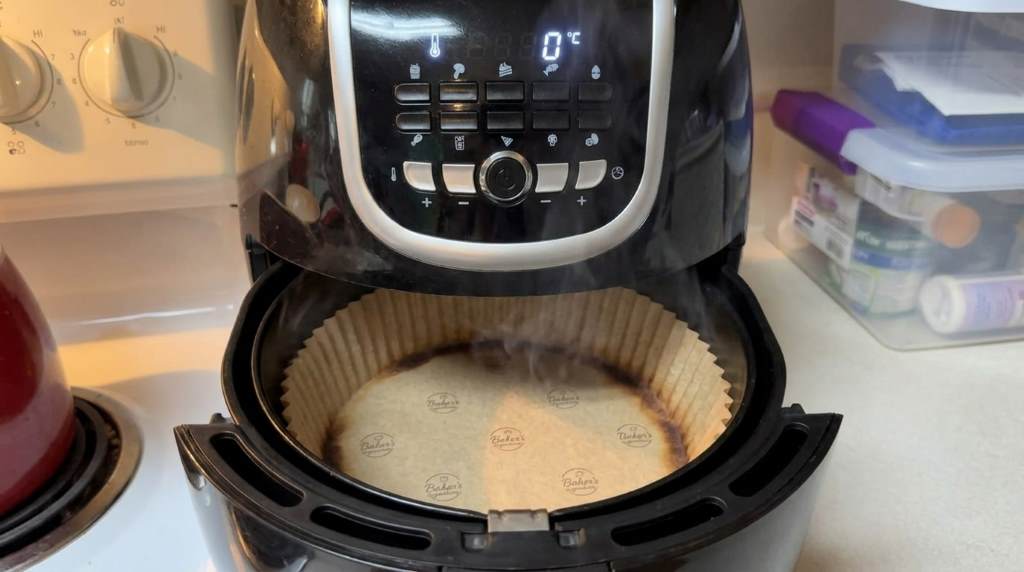
To stop Bakers Signature air fryer paper liners from burning, keep them weighed down and away from the heating element. Also, add the liner only after preheating, then use a temperature within the liner’s rated limit. Bakers Signature air fryer paper liners can make cleanup easier, but correct placement matters. A typical liner may sit in an air fryer operating around 400°F. Even a small exposed edge can scorch when strong airflow lifts it toward the heater.
Why Air Fryer Paper Liners Burn
Paper liners usually burn because hot air moves them into direct contact with the heating element. The problem becomes worse when the basket contains little food to hold the liner down.
Additionally, excessive temperature can darken parchment quickly, especially around exposed edges. Therefore, burning usually signals a placement or temperature problem rather than a simple liner defect.
The Main Cause Is Loose Paper
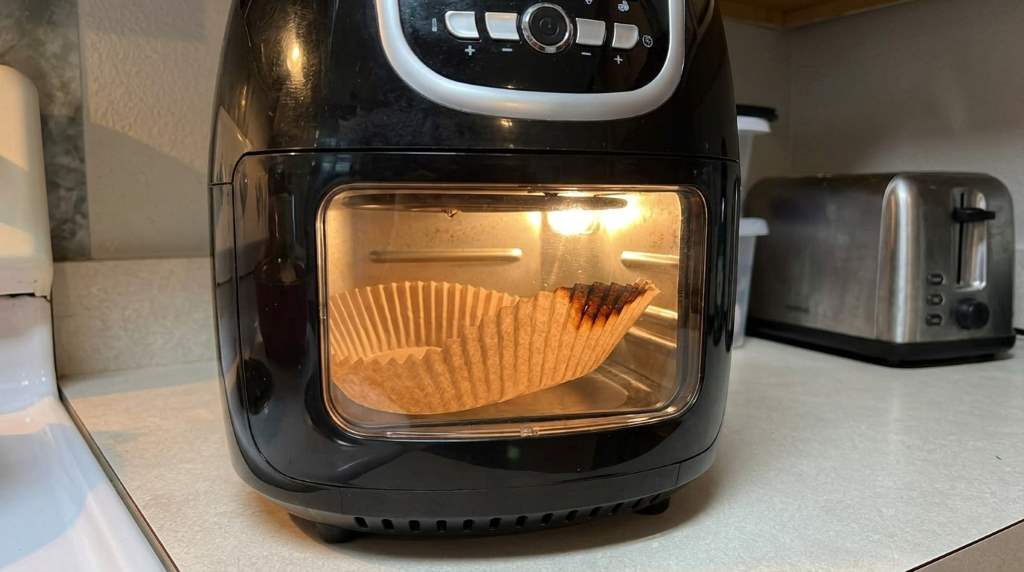
An air fryer creates powerful circulating airflow inside a small cooking chamber. Consequently, a lightweight liner can lift, curl, fold, or shift during cooking.
Once the paper rises toward the heating element, concentrated heat can scorch the exposed section. That situation can happen within minutes when the liner lacks enough food weight.
Preheating Can Create Another Problem
Never place a loose paper liner inside an empty air fryer during preheating. Without food covering it, airflow can lift the liner toward the heating element.
Instead, preheat the appliance first when your recipe requires preheating. Then place the liner inside and immediately cover it with enough food.
How to Prevent Bakers Signature Liners From Burning
The safest approach combines proper timing, correct positioning, suitable temperature, and enough food coverage. Follow these steps before starting your next air fryer cycle.
1. Preheat the Air Fryer First
If your recipe calls for preheating, complete that step before inserting the paper liner. This simple habit prevents an empty liner from circulating inside the hot chamber.
After preheating, carefully place the liner into the basket. Immediately add food so the paper remains firmly against the cooking surface.
2. Keep the Liner Completely Inside the Basket
Check the liner before cooking and make sure no section extends above the basket rim. Exposed paper can catch stronger airflow and move toward the heater.
If the liner looks oversized, use a correctly sized liner for your basket. A close fit reduces loose edges and keeps the paper more stable.
3. Cover the Liner With Enough Food
Food provides the weight that keeps parchment positioned during cooking. Spread food across the liner instead of placing everything in one small area.
For small portions, use a smaller liner that matches the food area. This approach reduces exposed paper and limits unnecessary movement.
4. Avoid Excessive Cooking Temperatures
Always check the temperature guidance provided with your specific liner before cooking. Parchment products can tolerate heat only within their stated operating limits.
Furthermore, avoid raising the temperature simply to shorten cooking time. Higher heat can increase scorching around exposed edges and thin sections.
5. Keep Paper Away From the Heating Element
Look inside the air fryer before starting and identify where the heating element sits. Keep the liner positioned well below that area throughout cooking.
If your appliance design leaves little clearance, paper liners may not suit that cooking setup. In that case, consider an approved reusable silicone accessory instead.
Check the Liner Size Before Cooking
Liner size matters because oversized paper creates unnecessary exposed areas around the food. Those loose sections can fold upward as the fan circulates hot air.
For example, Baker’s Signature offers different liner sizes for different air fryer basket capacities. Therefore, match the liner dimensions with your appliance rather than assuming every sheet fits.
- Measure the basket before buying liners.
- Match round liners with round baskets when appropriate.
- Keep square liners inside square cooking baskets.
- Avoid liners that rise significantly above the basket walls.
- Replace badly folded or damaged liners before cooking.
Use the Right Amount of Food
Food coverage plays an important role because it holds parchment against the basket. However, overloading the basket can create a separate airflow problem.
Instead, spread food in an even layer whenever possible. Leave enough space for hot air to circulate around the food without lifting exposed paper.
Small Portions Need Extra Attention
Small meals often leave large sections of parchment uncovered. Therefore, they can create more opportunities for airflow to move the liner.
Use a smaller liner when appropriate, or reduce exposed paper while keeping the cooking surface properly covered. Never use heavy objects that the appliance manufacturer does not approve.
Check the Liner Before Every Cooking Cycle
A quick inspection can prevent many burning problems before they start. Look for curled corners, torn sections, excessive folds, and paper extending beyond the basket.
Also, check whether previous cooking left grease or food residue on the liner. Replace heavily damaged parchment instead of trying to reuse it.
- Inspect every corner before use.
- Flatten obvious folds when practical.
- Remove torn or badly scorched sheets.
- Confirm that food will hold the liner down.
- Check that paper cannot reach the heating element.
What to Do If the Liner Starts Burning
If you see smoke, scorching, or flames, stop the air fryer immediately. Do not continue cooking while the paper remains near the heating element.
Keep the appliance closed when appropriate so you do not feed additional oxygen into a developing fire. Follow your air fryer’s safety instructions and allow the unit to cool completely.
Do Not Pull Burning Paper Out Immediately
Hot paper can cause burns when you try removing it too quickly. Instead, stop the appliance and wait until handling the basket becomes safe.
After cooling, inspect the basket, heating area, and surrounding surfaces for remaining paper. Remove all residue before using the appliance again.
Why Cutting the Liner Can Help
Sometimes a liner fits the basket poorly because its dimensions exceed the available cooking surface. Reducing unnecessary exposed material can improve stability when the product instructions allow it.
However, do not modify a liner if cutting could compromise its intended design. A properly sized liner usually provides a better solution than excessive trimming.
Should You Use Liners Without Food?
No, you should not run a loose paper liner inside an operating air fryer without food holding it down. Strong airflow can move lightweight parchment toward hot internal components.
This rule becomes especially important during preheating. Always follow your appliance and liner manufacturer’s instructions for safe use.
Temperature, Food, and Airflow Work Together
Burning rarely comes from one factor alone because several conditions can interact. High heat, exposed paper, strong airflow, and insufficient food coverage can create a dangerous combination.
Therefore, fixing only the temperature may not solve the problem. Keep the paper secured while also controlling temperature and placement.
| Problem | Likely Cause | Practical Fix |
|---|---|---|
| Corner burns | Exposed paper lifts | Cover more of the liner with food |
| Whole liner moves | Too little food weight | Add food immediately after placement |
| Paper darkens quickly | Excessive heat | Lower temperature within recipe limits |
| Paper touches heater | Oversized or loose liner | Use the correct liner size |
| Smoke appears | Scorching or food residue | Stop cooking and inspect after cooling |
Common Mistakes That Cause Burning
Many liner problems come from small habits that seem harmless during busy cooking sessions. Fortunately, most of these mistakes have simple solutions.
- Placing parchment inside before preheating.
- Running the liner without food on top.
- Using a liner larger than the basket.
- Cooking at temperatures beyond the product guidance.
- Leaving loose corners exposed to strong airflow.
- Reusing damaged or heavily scorched parchment.
- Ignoring smoke or unusual burning smells.
When You Should Stop Using Paper Liners
Paper liners are optional accessories, not essential air fryer components. If your appliance repeatedly moves or scorches them, stop using them until you identify the cause.
Likewise, stop using a liner if it repeatedly contacts the heating element. A reusable accessory approved for your specific appliance may offer a better fit.
Consider a Silicone Alternative
A properly sized silicone air fryer insert can reduce concerns about loose parchment moving around. However, confirm that the accessory suits your appliance before using it.
Silicone inserts can also affect airflow and cooking performance when they cover too much of the basket. Therefore, proper sizing still matters even after switching materials.
A Simple Pre Cooking Safety Routine
A short inspection routine can make liner use much safer and more predictable. Complete these checks before pressing the start button.
- Confirm the liner matches the basket size.
- Preheat the air fryer without the loose liner.
- Place the liner flat inside the basket.
- Cover the liner promptly with food.
- Check that no paper reaches the heating element.
- Use the recommended cooking temperature.
- Stop immediately if smoke or burning appears.
How to Get Better Results Without Burning
Safe liner use does not require complicated techniques. Instead, focus on keeping the paper stable while preserving enough airflow for proper cooking.
Arrange food evenly across the liner, then check exposed edges before starting. Additionally, avoid covering more of the basket than necessary because excessive coverage can affect circulation.
Final Takeaway
To stop Bakers Signature air fryer paper liners from burning, preheat first, then add the liner and cover it with food. Use the correct size, stay within the recommended temperature range, and keep paper away from the heating element.
Most importantly, never ignore scorching, smoke, or repeated liner movement. Apply these simple checks before your next meal, and your air fryer routine should become safer and easier to manage.
If your liner continues burning despite correct placement and temperature, stop using it and check your appliance instructions. When necessary, switch to an approved reusable accessory that fits your specific basket.
Frequently Asked Questions
Can Bakers Signature air fryer liners catch fire?
Yes, exposed parchment can burn when airflow moves it close to the heating element.
Can I preheat an air fryer with a paper liner inside?
No, avoid leaving a loose liner inside during preheating because airflow can lift it toward the heater.
Why does my air fryer liner keep moving?
The liner usually moves because insufficient food weight allows circulating air to lift the exposed paper.
Should the liner cover the entire basket?
The liner should fit the cooking surface appropriately without creating large loose sections around the basket.
What should I do if my liner starts smoking?
Stop the appliance immediately, allow it to cool safely, and inspect the liner and heating area.