Can a ToLife Dehumidifier Fix Damp Rooms?

Why People Love the Stanley Quencher H2.0 Tumbler
August 16, 2026
How to Store Your Umite Chef Mixing Bowls
August 16, 2026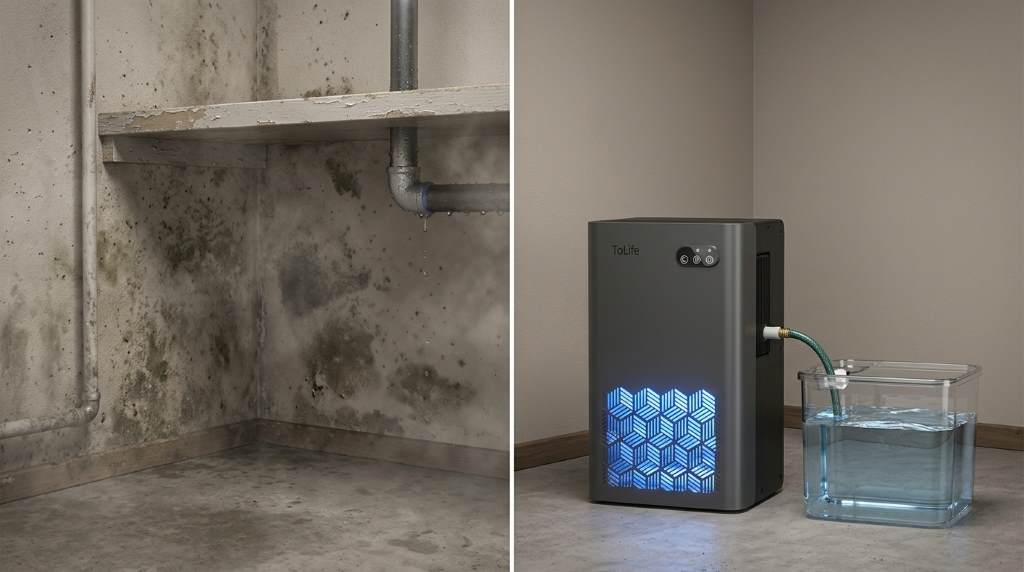
Yes, a ToLife dehumidifier can help fix damp rooms by removing excess moisture from indoor air. It works best in small to medium spaces where condensation, musty odors, and humidity regularly appear.
When used correctly, a dehumidifier reduces moisture levels, improves comfort, and helps protect furniture. However, results depend on room size, humidity levels, and the source of dampness.
Damp rooms create more than an uncomfortable environment. Excess moisture encourages mold growth, damages surfaces, and affects indoor air quality. Studies show that indoor humidity above 60% increases the risk of mold development and moisture-related issues.
Many homeowners use a ToLife dehumidifier to manage moisture before problems worsen. While no appliance solves every moisture issue, a properly sized dehumidifier often makes a noticeable difference. Understanding how it works helps determine whether it suits your space and expectations.
Why Damp Rooms Become a Problem
Moisture enters living spaces through several sources. Everyday activities release water vapor into the air throughout the day.
Cooking, showering, drying clothes indoors, and poor ventilation increase humidity. Over time, moisture accumulates and creates persistent damp conditions.
Common Signs of Excess Humidity
- Condensation on windows
- Musty or stale odors
- Peeling paint or wallpaper
- Mold spots on walls or ceilings
- Damp feeling fabrics and furniture
- Increased allergy symptoms
These warning signs often appear gradually. Therefore, many homeowners overlook humidity issues until visible damage develops.
How a ToLife Dehumidifier Works
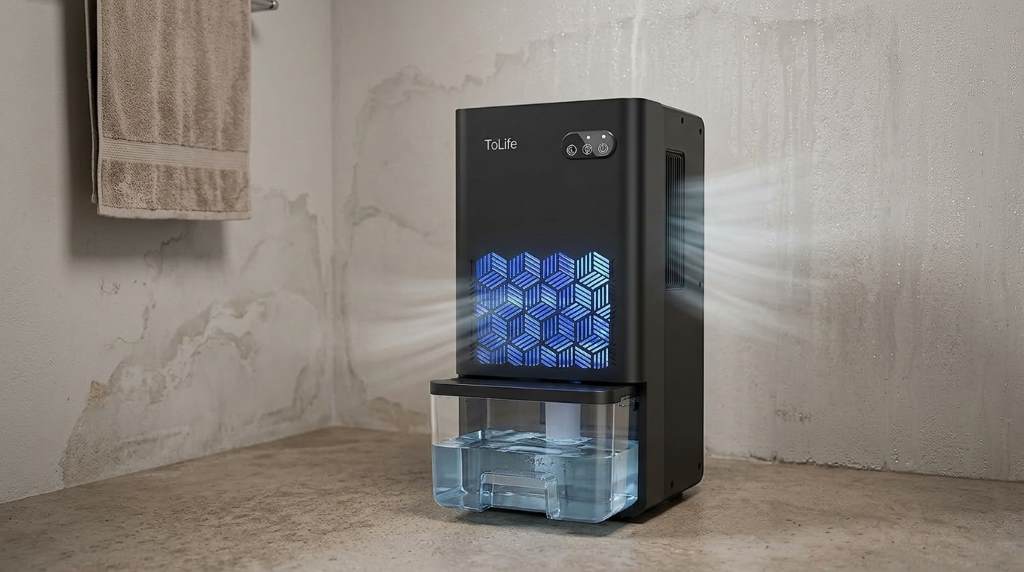
A ToLife dehumidifier pulls humid air through its internal system. Moisture condenses into a collection tank while drier air returns to the room.
This continuous cycle gradually lowers indoor humidity levels. As a result, rooms feel fresher and more comfortable throughout the day.
Most compact models focus on bedrooms, offices, bathrooms, and similar spaces. Therefore, they are particularly useful where localized moisture problems occur.
Can It Actually Fix a Damp Room?
In many situations, yes. A ToLife dehumidifier effectively reduces excess moisture that causes everyday dampness.
However, success depends on the underlying cause. If humidity creates the problem, a dehumidifier often delivers significant improvement.
On the other hand, structural issues require additional solutions. Water leaks, foundation cracks, or severe flooding need repairs alongside moisture control.
Situations Where It Works Well
- Condensation on windows
- High humidity during summer months
- Small basement moisture problems
- Laundry drying indoors
- Poorly ventilated bedrooms
- Musty room odors
Situations Where It Has Limits
- Active plumbing leaks
- Roof water intrusion
- Flood damage restoration
- Major structural moisture problems
- Large commercial spaces
Therefore, identifying the source of dampness remains essential before expecting complete results.
Benefits of Using a ToLife Dehumidifier
Reducing humidity provides several advantages beyond comfort. Many homeowners notice improvements within days of regular operation.
Helps Prevent Mold Growth
Mold thrives in humid environments. Lower humidity makes conditions less favorable for mold development.
Although it does not remove existing mold, it helps reduce future growth risks. Consequently, rooms stay healthier over time.
Improves Indoor Comfort
Humid air often feels warmer and heavier. Drier air creates a fresher and more comfortable indoor environment.
Many people sleep better when humidity stays within recommended ranges. Therefore, bedrooms frequently benefit from dehumidification.
Protects Furniture and Belongings
Excess moisture affects wood, fabrics, and paper products. Long-term exposure may cause warping, odors, and deterioration.
Maintaining balanced humidity helps preserve household items. As a result, furnishings often remain in better condition.
Reduces Musty Odors
Damp environments commonly produce unpleasant smells. Lower moisture levels help eliminate conditions that support those odors.
Many users notice fresher air after several days of operation. Therefore, the room often feels cleaner overall.
Choosing the Right Room for Best Results
Placement significantly affects performance. Even an efficient unit performs poorly in the wrong location.
The most effective areas typically experience persistent moisture accumulation. Therefore, strategic placement matters greatly.
| Room Type | Expected Effectiveness |
|---|---|
| Bedroom | High |
| Bathroom | High |
| Laundry Room | High |
| Small Basement | Moderate to High |
| Large Open Living Area | Moderate |
| Commercial Space | Low |
Matching room size with appliance capacity remains important. Otherwise, humidity reduction may occur more slowly.
How to Maximize Performance
Several simple practices help a dehumidifier operate more efficiently. Small adjustments often improve moisture removal considerably.
- Keep doors and windows closed during operation
- Empty the water tank regularly
- Clean air filters as recommended
- Position the unit away from walls
- Run it consistently during humid periods
- Use a humidity monitor when possible
These habits improve efficiency while extending appliance lifespan. Consequently, users often achieve better long-term results.
Understanding Realistic Expectations
A dehumidifier manages humidity rather than eliminating every moisture source. Therefore, expectations should remain practical and informed.
Many damp rooms improve dramatically after consistent use. However, severe structural problems still require professional repairs.
The best outcomes occur when homeowners combine moisture control with proper ventilation. Together, these measures create healthier indoor conditions.
Signs Your Damp Room Is Improving
Changes often become noticeable within several days. The timeline depends on humidity levels and room conditions.
- Less window condensation
- Reduced musty odors
- Faster drying surfaces
- More comfortable indoor air
- Lower humidity readings
- Fewer moisture stains appearing
Monitoring these indicators helps measure effectiveness. Therefore, users can determine whether additional solutions are necessary.
Conclusion
A ToLife dehumidifier can effectively fix many damp room problems caused by excess humidity. It reduces moisture, improves comfort, minimizes odors, and helps protect household belongings.
For the best results, identify the source of dampness and match the unit to the room size. If persistent moisture continues despite regular use, investigate potential structural issues and take corrective action promptly.
Frequently Asked Questions
Can a ToLife dehumidifier remove mold?
No, it reduces moisture that supports mold growth but does not remove existing mold.
How long does it take to reduce room humidity?
Most rooms show noticeable improvement within several hours to a few days.
Is a ToLife dehumidifier suitable for bedrooms?
Yes, many compact models work well in bedrooms and similar living spaces.
Should I run the dehumidifier every day?
Yes, consistent operation usually provides the most effective humidity control.
Can it fix dampness caused by leaks?
No, leaks require repair before any dehumidifier can fully solve the problem.