How to Organize With Homehacks Laundry Hampers

How to Replace Frigidaire WF3CB Refrigerator Filter?
September 20, 2026
How to Use Housegem Coffee Cup Warmer
September 20, 2026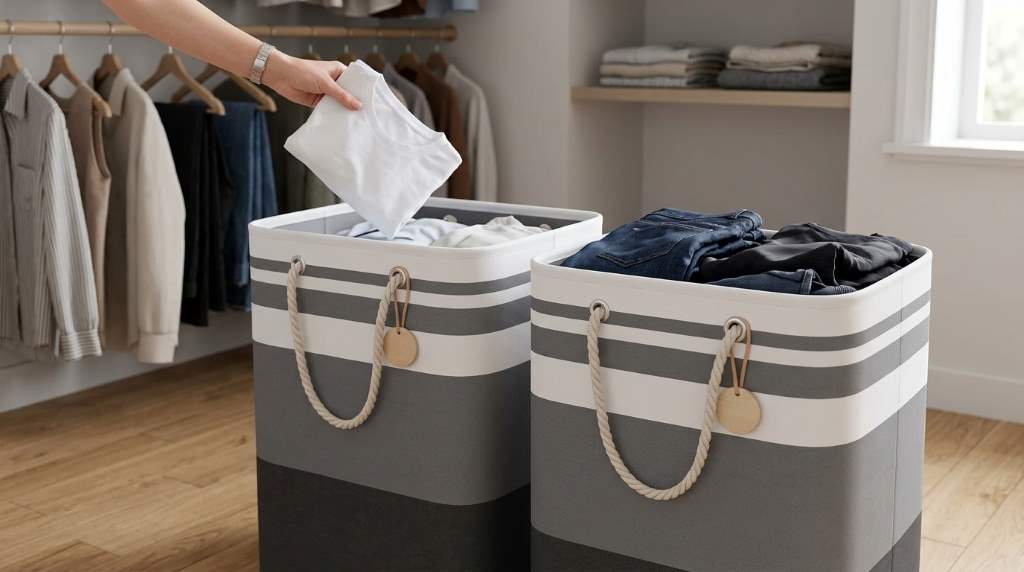
Organizing with Homehacks Laundry Hampers starts with assigning every basket a clear job. Use separate hampers for sorting, place them near where clothes accumulate, and keep clean laundry moving toward its final destination. The average American family washes about 300 loads yearly, so a simple system can prevent constant laundry clutter. A practical setup also saves sorting time and keeps floors, bedrooms, and laundry areas easier to manage. Homehacks Laundry Hampers can support flexible setups because their laundry baskets come in multiple capacities and configurations.
Key Takeaways:
- Assign each hamper one specific laundry category.
- Place hampers where people naturally remove clothing.
- Use multiple hampers to sort clothes before washing.
- Choose tall or rolling designs for tight laundry spaces.
- Keep clean laundry separate from dirty laundry.
- Reset each hamper before it becomes difficult to manage.
Build a Laundry System Around Movement
A hamper works best when it supports your laundry routine rather than simply holding clothes. First, map the movement from worn clothing to sorting, washing, drying, folding, and storage. Then place each hamper where that movement feels natural.
Many laundry organization guides focus heavily on attractive storage. However, the bigger issue usually involves unnecessary movement between bedrooms, bathrooms, laundry areas, and closets. A well placed hamper reduces those extra trips and makes the entire routine easier.
Start With the Collection Point
Notice where household members actually remove their clothes each day. Bedrooms, bathrooms, closets, and dressing areas usually need the easiest access to hampers.
Therefore, avoid placing every hamper beside the washing machine. Instead, collect clothing where it naturally accumulates, then move sorted loads toward the laundry area.
Create a Simple Laundry Flow
Use this sequence as your basic system:
- Collect worn clothing in designated hampers.
- Separate laundry according to your household needs.
- Move each category toward the washer.
- Wash and dry each load without mixing unfinished tasks.
- Place clean clothing into dedicated baskets.
- Return clothing to bedrooms, closets, and drawers.
This approach prevents the common mistake of treating the laundry room as permanent clothing storage. Instead, every hamper becomes part of a defined process.
Choose Hamper Categories That Match Your Household
You do not need a hamper for every possible fabric type. Too many categories create unnecessary sorting and can make your system harder to follow.
Instead, choose categories that match your washing habits. A small household may need only two categories, while a larger family may benefit from three or four.
| Hamper Category | Best Use |
|---|---|
| Lights | White and light colored everyday clothing |
| Darks | Dark shirts, pants, and casual clothing |
| Towels | Bath towels, hand towels, and washcloths |
| Special Care | Delicates, stain treated pieces, or clothing needing attention |
However, adjust these categories when your washing habits differ. For example, separating towels may matter more than separating lights and darks in some households.
Use Labels When Several People Share Hampers
Labels remove uncertainty when several people use the same laundry space. Mark each basket clearly with its purpose and keep the wording short.
For example, use labels such as “Darks,” “Lights,” “Towels,” and “Special Care.” Consequently, family members can sort clothes correctly without asking where every item belongs.
Use Multiple Hampers Without Creating Clutter
Multiple hampers can improve sorting, but they can also consume valuable floor space. The solution involves matching hamper size with both laundry volume and available room.
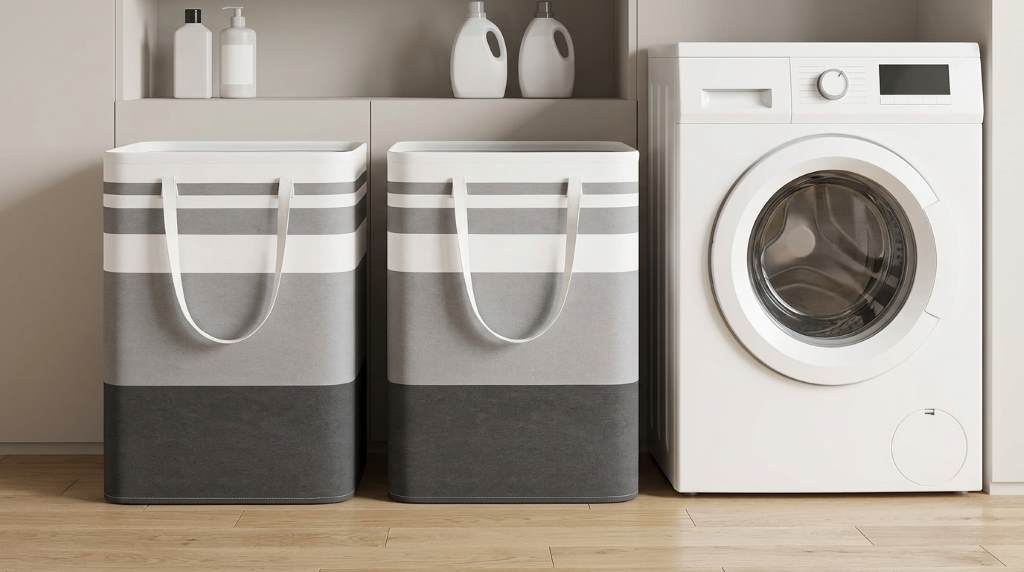
Homehacks baskets include tall, collapsible, and rolling configurations that suit different spaces. Current product listings also show 75L, 88L, 90L, and 125L options, giving households several capacity choices.
Match Hamper Size to Washing Frequency
A large household that washes frequently may need larger collection baskets. Meanwhile, smaller households can use compact hampers and wash more frequently.
Do not automatically buy the largest hamper available. An oversized basket can encourage laundry buildup and occupy floor space that your routine does not need.
Use Tall Hampers in Narrow Spaces
Vertical storage can work particularly well beside closets, bathroom walls, and narrow laundry areas. Tall hampers use height while keeping their footprint relatively small.
Before placing one, measure the available width and depth. Also check door swings, cabinet openings, walkways, and appliance access.
Make Rolling Hampers Part of Your Workflow
Rolling hampers can reduce carrying effort when laundry travels between bedrooms and machines. They work especially well when the laundry room sits farther from sleeping areas.
For example, roll one hamper toward the washer after sorting. Then return it to its assigned collection point after the load finishes.
However, keep wheels away from narrow pathways when possible. A hamper should improve movement rather than become another obstacle.
Use Handles for Smaller Transfers
Handles help when you need to carry clothing between floors or rooms. Therefore, avoid filling baskets beyond a comfortable lifting weight.
Even a large hamper becomes easier to manage when you divide heavy loads before transportation. This habit also reduces the temptation to postpone laundry.
Organize a Small Laundry Room With Less Floor Storage
Small laundry rooms require careful control over floor space. Instead of adding more containers, move some storage upward or consolidate categories.
Use shelving for detergent and laundry accessories while keeping hampers beneath counters where possible. Likewise, use collapsible baskets when you need temporary storage rather than permanent capacity.
Try a Vertical Hamper Arrangement
Place tall hampers against unused wall sections that do not interfere with doors or appliances. This arrangement keeps the center of the room open for sorting and folding.
If several baskets occupy the floor, consider whether every category remains useful. Removing one unnecessary category can sometimes improve the entire layout.
Keep Folding Space Clear
A folding surface should remain a work area, not become permanent storage. Therefore, keep detergents, spare products, and random household items elsewhere.
After folding, move clean clothes directly into their destination baskets or rooms. This simple rule prevents the familiar clean laundry pile from returning.
Separate Dirty Laundry From Clean Laundry
One overlooked organization problem occurs when clean and dirty clothing share the same baskets. The system becomes confusing, especially when several loads remain unfinished.
Use collection hampers only for dirty clothing. Then use separate clean laundry baskets when clothes leave the dryer or folding area.
This separation creates a clear visual signal. When a dirty hamper fills, you know it needs washing, while a clean basket signals that clothes need folding or returning.
Create a Temporary Clean Laundry Zone
Clean clothing sometimes needs a short holding period between drying and putting away. Give those clothes one clearly defined basket instead of using random surfaces.
Set a simple rule that clean laundry leaves the basket within the same day when practical. That prevents temporary storage from becoming permanent clutter.
Make Sorting Easier for Families
Family laundry becomes easier when everyone participates before wash day. Children and adults can place clothing directly into the correct hamper after changing.
Keep categories simple enough for everyone to understand. If sorting requires complicated decisions, people will likely create piles elsewhere.
Give Each Person a Clear Responsibility
One person can handle washing while other household members manage collection and putting clothes away. This division spreads the workload without complicating the system.
For example, assign each person responsibility for returning their clean clothes. Consequently, the laundry room stays focused on processing rather than long term storage.
Use Hampers for More Than Clothing
Large laundry baskets can support organization beyond everyday clothing. However, assign these secondary uses carefully so they never interfere with laundry flow.
- Store spare bedding before washing.
- Hold clean towels awaiting bathroom placement.
- Collect washable household linens.
- Transport folded clothing between floors.
- Store temporary seasonal textiles during room changes.
Keep these uses separate from dirty clothing whenever possible. Otherwise, a multipurpose basket can blur the difference between clean and unwashed items.
Keep Laundry Supplies Away From Hamper Overflow
Hamper organization works poorly when detergent bottles and cleaning products crowd the same area. Separate collection, washing, drying, and supply storage into simple zones.
Keep frequently used products close to the washer while storing backup supplies elsewhere. As a result, your active workspace remains easier to clean and use.
Protect the Main Work Area
Leave enough space around hampers to open appliances and move baskets safely. Also avoid blocking ventilation areas or access points around laundry equipment.
When a hamper repeatedly blocks your path, relocate it rather than adapting your routine around the obstruction. Good organization should reduce friction rather than create it.
Create a Weekly Hamper Reset
A strong organization system needs maintenance. Fortunately, a short weekly reset can prevent small problems from becoming large piles.
- Empty full hampers into appropriate loads.
- Remove clothing that needs special treatment.
- Return clean baskets to their normal locations.
- Check for forgotten towels and bedding.
- Wipe washable hamper surfaces when needed.
- Collapse unused baskets to reclaim space.
Also inspect handles, frames, wheels, and liners periodically. Address damage early so the hamper remains safe and practical for regular use.
Common Hamper Organization Mistakes
The most common mistake involves buying storage before defining the laundry process. A larger basket cannot fix a system that lacks clear categories or destinations.
Another mistake involves creating too many sorting groups. Start with the categories you actually use, then add another only when your routine proves it necessary.
Finally, avoid letting hampers become permanent storage. Dirty clothes should move toward washing, while clean clothes should move toward folding and putting away.
A Practical Homehacks Hamper Setup
A useful setup does not need complicated furniture or a large laundry room. Start with two collection hampers, then add another only when your household needs better separation.
Place collection hampers near bedrooms or bathrooms where people naturally change clothes. Keep a separate clean basket near the dryer or folding surface.
For larger households, add a dedicated towel hamper or special care basket. If space becomes tight, replace several wide baskets with taller or rolling options.
| Household Need | Practical Setup |
|---|---|
| Small household | One collection hamper plus one clean basket |
| Two person household | Separate lights and darks with one clean basket |
| Family household | Lights, darks, towels, and clean laundry zones |
| Small laundry room | Tall collapsible hampers with vertical storage |
| Large laundry room | Multiple sorting hampers with a rolling option |
Frequently Asked Questions
How many laundry hampers should a household have?
Most households need two to four hampers depending on laundry volume, sorting habits, and available space.
Should laundry hampers stay in bedrooms?
Yes, bedroom hampers can prevent clothing from accumulating on floors and make collection more convenient.
Are tall laundry hampers good for small spaces?
Yes, tall hampers can use vertical space while keeping their floor footprint relatively narrow.
Should clean and dirty laundry use separate baskets?
Yes, separate baskets make laundry status obvious and reduce confusion during busy wash days.
How can I stop hampers from overflowing?
Set a regular washing schedule and start loads before each hamper reaches its maximum practical capacity.
Final Thoughts
Organizing with Homehacks Laundry Hampers works best when every basket has one clear purpose. Start with collection points, create practical sorting categories, and keep clean laundry separate from dirty clothes.
Then adjust the setup around your household instead of forcing everyone into a complicated system. Start today by assigning each hamper a job, labeling the categories, and creating one simple route from clothing to closet.