How to Use Lifewit 100L Laundry Basket: Complete Guide

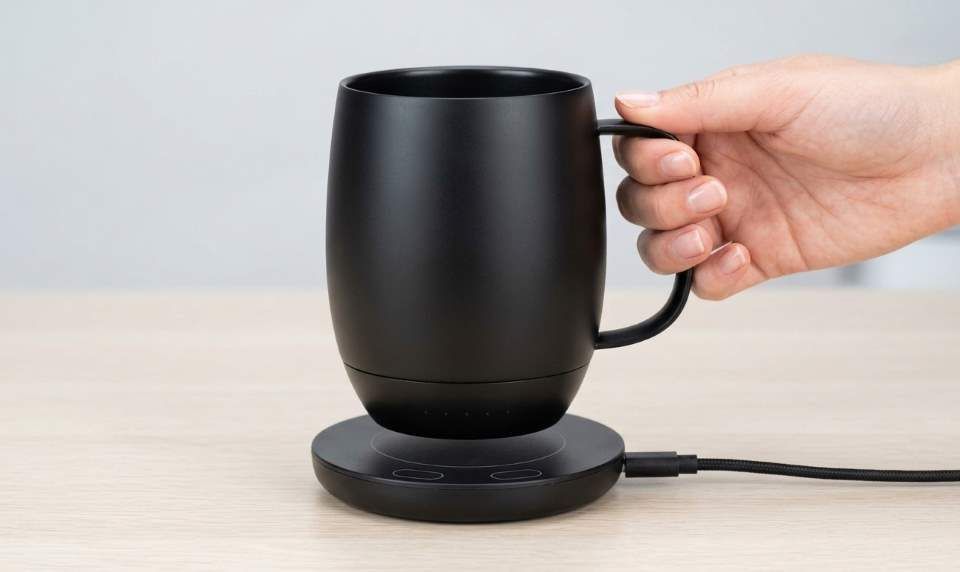
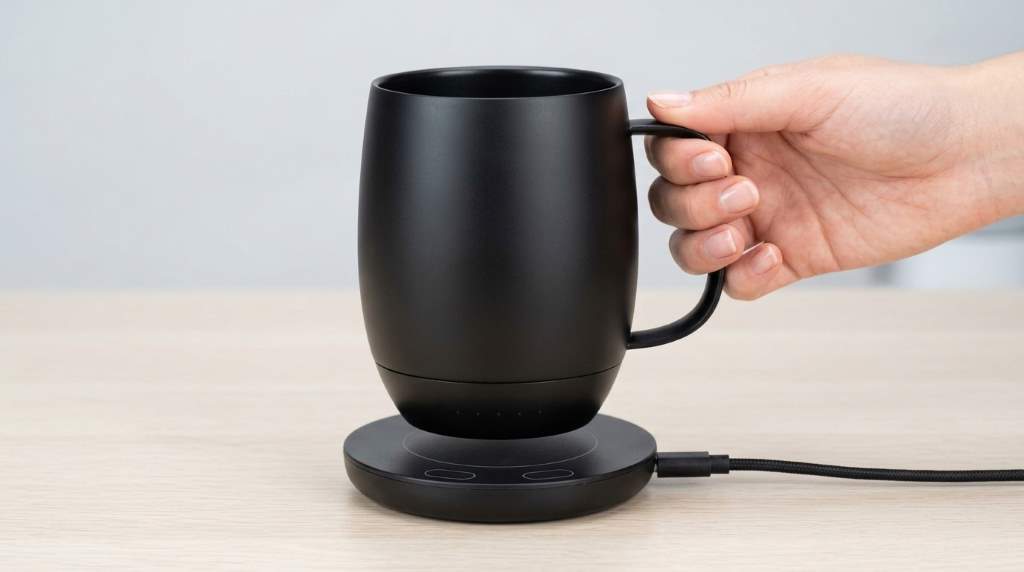
How to Use Kitchekshop Coffee Warmer
September 20, 2026
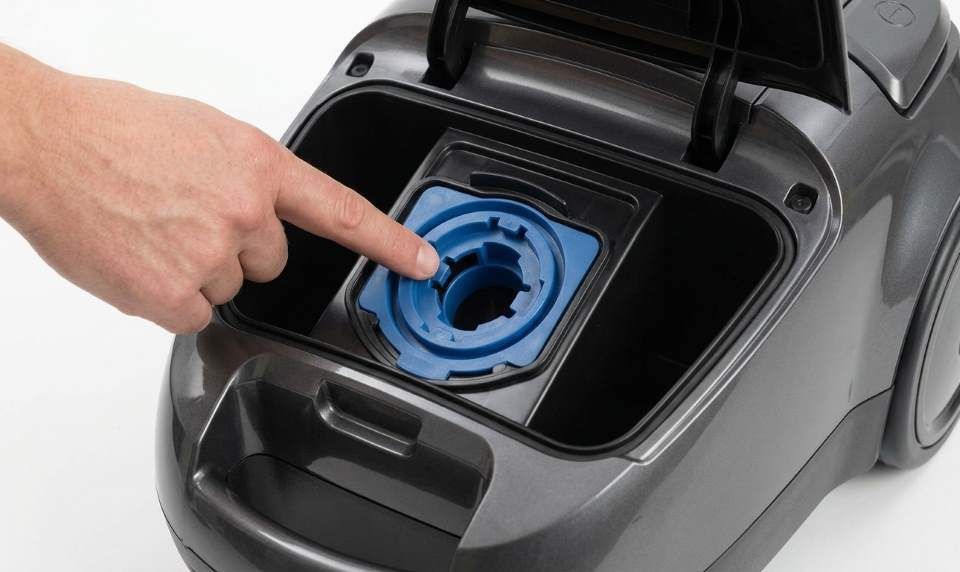
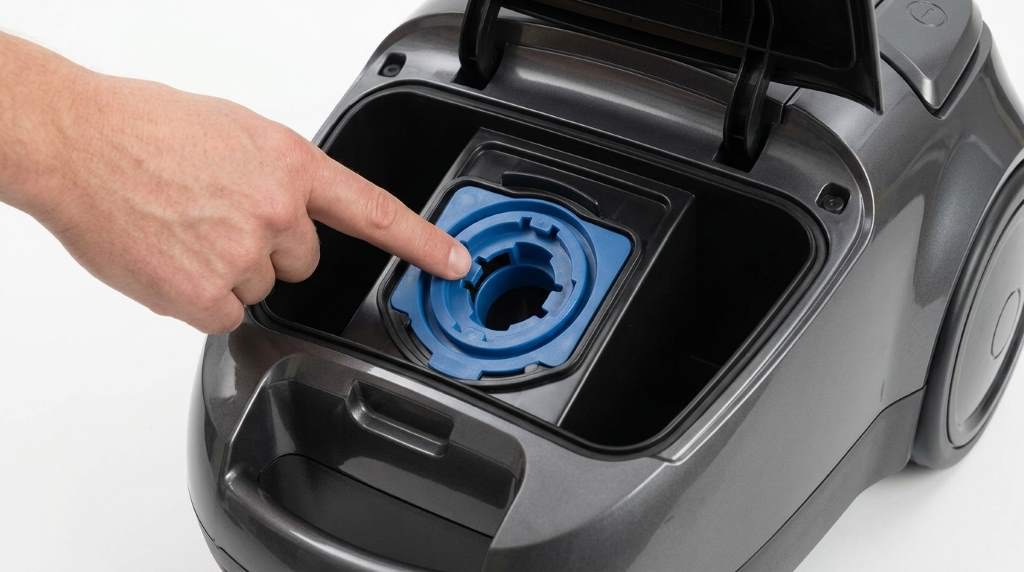
How to Choose Miele GN Vacuum Bags
September 20, 2026
The Lifewit 100L Laundry Basket works best when you sort, load, move, and empty laundry systematically. Use its large capacity for organized collection, but avoid overfilling it because excessive weight can make carrying difficult.
A 100L basket provides substantial household laundry storage, while most washing machines handle much smaller individual loads. For that reason, the Lifewit 100L Laundry Basket works especially well as a collection and transport solution. This guide explains practical loading, sorting, carrying, cleaning, and storage methods.
Key Takeaways
- Use the basket to collect laundry before washing.
- Separate colors, fabrics, and heavily soiled items early.
- Keep the load manageable instead of filling every inch.
- Distribute clothing evenly before moving the basket.
- Keep damp laundry moving to prevent lingering odors.
- Clean and dry the basket regularly for better hygiene.
Understand the Basket Before Loading It
First, identify how you want to use the basket within your laundry routine. Its large capacity makes it useful for collecting clothing, towels, bedding, and household fabrics.
However, capacity does not mean you should fill the basket with unlimited weight. Instead, consider fabric density, moisture, and your own ability to carry the loaded basket safely.
Use Capacity for Organization
Large laundry baskets can simplify collection when several household members share one laundry area. You can also use the space for grouping clothing before transferring smaller loads to the washer.
For better control, avoid mixing wet clothing with dry laundry. Damp fabrics can develop unpleasant odors when they remain compressed for extended periods.
Prepare Laundry Before Using the Basket
Start by checking pockets before placing garments inside the basket. Remove coins, tissues, receipts, and other objects that could damage clothing or create problems during washing.
Next, close zippers and fasten loose buttons when appropriate. Turn delicate garments according to their care instructions before adding them to the basket.
Sort Clothing Into Practical Groups
Sorting early prevents unnecessary handling later. Create groups based on color, fabric type, washing temperature, and soil level.
- Whites and light-colored garments
- Dark and strongly colored clothing
- Towels and heavier cotton items
- Delicate fabrics requiring gentle washing
- Heavily soiled household textiles
Furthermore, separate items that shed lint from fabrics that attract lint. This simple step can improve the appearance of clothing after washing.
Load the Basket Without Making It Too Heavy
Place larger garments toward the bottom and lighter pieces toward the top. This arrangement helps distribute the contents and keeps smaller clothing accessible.
Do not compress laundry aggressively just to create additional room. Overpacking can increase weight, make handling awkward, and reduce airflow between garments.
Build Manageable Loads
Instead of filling the basket completely, create washer-sized groups inside it. This approach turns one large collection into several easier laundry loads.
For example, keep towels together while separating everyday clothing into another group. Then transfer each group according to the washing machine instructions.
Move the Basket Safely
Before carrying the basket, check whether the contents feel manageable. If the load feels unusually heavy, remove part of the laundry before moving it.
Keep your path clear before lifting or carrying the basket. Also, use both hands when the design and handles allow comfortable two-handed handling.
Carry Heavy Laundry With Better Balance
Distribute clothing evenly instead of placing all heavy items on one side. Balanced contents reduce shifting while you move the basket.
When stairs or longer distances separate the laundry area, consider making smaller trips. A lighter basket usually offers better control than one overloaded trip.
Use the Basket During Washing
The basket should mainly transport and organize laundry rather than replace your washer’s sorting process. Transfer suitable items into the washer according to garment care labels.
After starting a load, keep remaining laundry organized inside the basket. This method prevents clean and unwashed garments from becoming mixed together.
Keep Clean Laundry Separate
After washing, use a clean, dry basket for freshly laundered clothing whenever possible. Avoid placing clean garments on surfaces that previously held dirty laundry.
Additionally, remove clean clothing promptly after drying. Leaving clean laundry compressed for long periods can create wrinkles and make folding harder.
Handle Towels and Bedding Differently
Bulky textiles occupy more space and add considerable weight quickly. Therefore, avoid filling the basket with dense towels or bedding beyond a comfortable carrying level.
Fold large bedding loosely before placing it inside. Looser placement improves organization and makes individual pieces easier to identify later.
Separate Heavy Items From Everyday Clothes
Keep heavy towels and blankets together when their care requirements match. However, wash them separately when their weight exceeds your washer’s recommended load.
This approach also makes the basket easier to carry between rooms. You can then handle bulky laundry in smaller, controlled batches.
Prevent Odors Between Laundry Days
Never leave damp clothing compressed inside the basket longer than necessary. Moisture combined with limited airflow can create stale smells.
Instead, move wet garments directly toward the washing or drying process. If you must temporarily store damp items, spread them out whenever possible.
Improve Airflow Around Stored Laundry
Keep the basket in a dry, ventilated location between uses. Avoid placing it directly against damp walls or inside poorly ventilated spaces.
Also, do not use the basket as permanent storage for unwashed athletic clothing. Move sweaty garments toward washing promptly to reduce odor buildup.
Clean the Basket Regularly
A laundry basket can collect lint, dust, detergent residue, and odors over time. Regular cleaning keeps the collection area fresher and more pleasant.
Empty the basket completely before cleaning it. Then follow the manufacturer’s care guidance for the basket’s specific materials and construction.
Simple Cleaning Routine
- Remove all laundry from the basket.
- Shake out loose lint and debris.
- Wipe accessible surfaces using a suitable cleaning method.
- Address visible residue without soaking unsuitable materials.
- Allow the basket to dry completely before reuse.
Never store laundry inside a basket that remains damp after cleaning. Complete drying helps reduce moisture related odors.
Use the Basket as a Laundry Station
You can make the basket part of a simple laundry station rather than treating it as basic storage. Place it near the point where household members usually remove clothing.
Then establish clear sorting habits for everyone using the basket. Consistent habits reduce sorting time and prevent misplaced garments.
Create a Repeatable Laundry Flow
- Collect clothing in the designated basket.
- Check pockets and prepare garments.
- Sort clothing according to washing requirements.
- Build a manageable washer load.
- Transfer the selected load to the washer.
- Return remaining laundry to the basket.
- Move clean clothing toward drying and folding.
This workflow works because each step has a clear purpose. Consequently, laundry becomes easier to manage without repeatedly sorting the same clothing.
Common Mistakes to Avoid
Several habits can make a large laundry basket less useful. Most problems come from excessive weight, poor sorting, or delayed handling of damp clothing.
| Mistake | Better Approach |
|---|---|
| Overfilling the basket | Keep each load comfortable to carry |
| Mixing wet and dry laundry | Move damp clothing toward washing promptly |
| Ignoring garment labels | Sort clothing by care requirements |
| Leaving clean clothes inside | Fold or hang clean laundry promptly |
| Storing the basket while damp | Dry it fully before storage |
Make the Most of a 100L Laundry Basket
The main advantage of a large basket comes from organization rather than maximum filling. Use the available space to collect and group laundry while keeping individual loads manageable.
For busy households, establish specific collection times during the week. This routine prevents laundry from accumulating until the basket becomes unnecessarily heavy.
Use Categories That Match Your Household
Every household produces different laundry patterns, so adapt your categories accordingly. Families may separate children’s clothing, towels, bedding, and adult clothing.
Meanwhile, smaller households can group laundry by color and fabric type. The best system remains the one that reduces repeated sorting.
When Should You Empty the Basket?
Empty the basket whenever you have enough clothing for an appropriate washing load. Do not wait until the container reaches its physical maximum.
Additionally, empty it sooner when laundry contains moisture, strong odors, or heavily soiled fabrics. Prompt handling protects the rest of the collection from unnecessary odor transfer.
How to Maintain the Basket Long Term
Inspect the basket periodically for damage, loose components, or signs of excessive wear. Address problems according to the manufacturer’s care and maintenance guidance.
Keep sharp objects away from the basket because they can damage fabric surfaces or surrounding materials. Likewise, avoid dragging a heavily loaded basket across rough flooring unless its design specifically supports that use.
Frequently Asked Questions
How much laundry fits in a 100L laundry basket?
A 100L basket can hold a large collection of laundry, but practical capacity depends on fabric weight and your carrying comfort.
Can I put wet clothes in the basket?
You can temporarily place wet clothes inside, but move them toward washing or drying promptly to limit odors.
Should I fill the basket completely?
No, leave enough room to keep the load manageable and prevent excessive compression.
Can I use it for towels and bedding?
Yes, you can collect towels and bedding, but separate bulky items into manageable loads before washing.
How often should I clean the laundry basket?
Clean the basket regularly and whenever visible residue, dust, or unpleasant odors appear.
Final Thoughts
Using a large laundry basket effectively requires more than simply filling it with clothes. Sort laundry early, control the load weight, protect damp fabrics, and keep the basket clean.
Start by creating a simple collection and sorting routine that fits your household. Then use these habits consistently to make laundry handling faster, cleaner, and easier.