How to Use a Food Vacuum Sealer Machine to Keep Food Fresh Longer

How to Install Cabinet Lighting for a Brighter and More Modern Kitchen
April 15, 2026
How to Choose the Right Hand Mixer for Baking and Everyday Cooking
April 15, 2026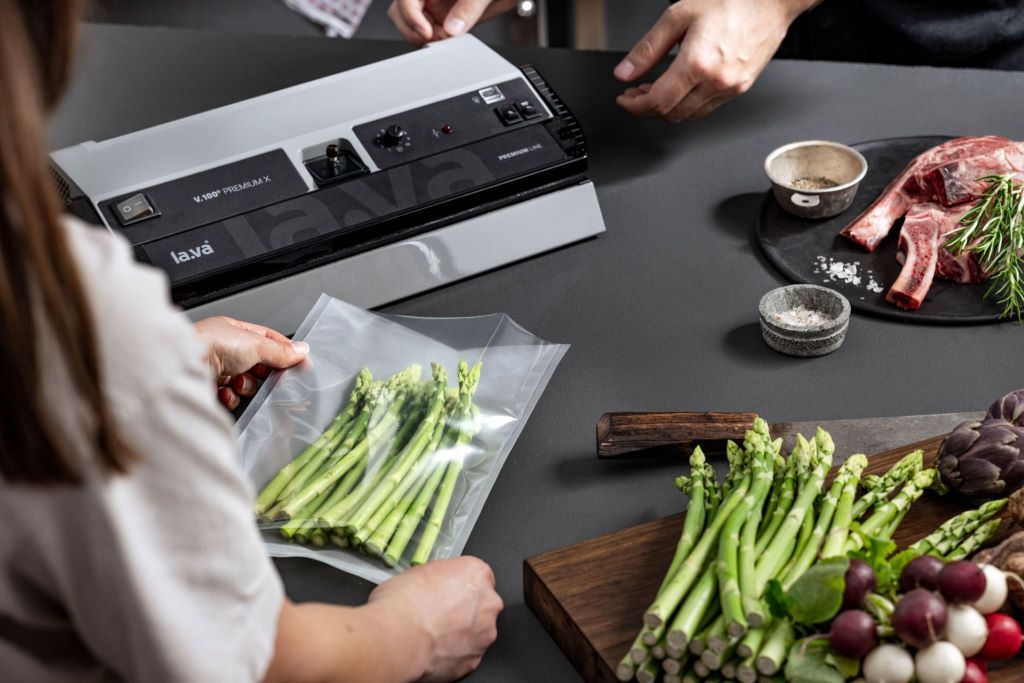
Food waste is a growing concern for households around the world. According to recent studies, the average family throws away hundreds of dollars’ worth of food each year due to spoilage. One of the most effective ways to combat this issue is by using a food vacuum sealer machine. This handy appliance removes air from specially designed bags or containers, creating an airtight seal that significantly extends the shelf life of your food.
I remember the first time I used a food vacuum sealer machine in my own kitchen. I had bought a large cut of meat on sale, but I knew I wouldn’t be able to use it all before it spoiled. After vacuum sealing and freezing the extra portions, I was amazed to find that the meat stayed fresh and flavorful for months. This simple tool not only saved me money but also reduced my food waste. If you’re ready to experience the same benefits, this guide will walk you through everything you need to know about using a food vacuum sealer machine.
Why Use a Food Vacuum Sealer Machine?
A food vacuum sealer machine is more than just a kitchen gadget; it’s a game-changer for food preservation. Research shows that vacuum sealing can extend the shelf life of food up to five times longer than traditional storage methods. By removing oxygen—the main culprit behind food spoilage—vacuum sealers slow down the growth of bacteria, mold, and yeast, keeping your food fresher for longer.
For example, beef and poultry can last up to three years in the freezer when vacuum sealed, compared to just six to twelve months with conventional freezing. Similarly, hard cheeses can stay fresh in the fridge for up to eight months, while pantry staples like flour and sugar can last up to two years. This makes vacuum sealing ideal for bulk shopping, meal prepping, and reducing food waste.
Additionally, vacuum sealing protects food from freezer burn, which occurs when air reaches frozen food, causing dehydration and oxidation. The result? Food that retains its texture, flavor, and nutrients, even after months in the freezer.
Types of Food Vacuum Sealer Machines
Before you start vacuum sealing, it’s important to choose the right type of machine for your needs. Here are the most common options:
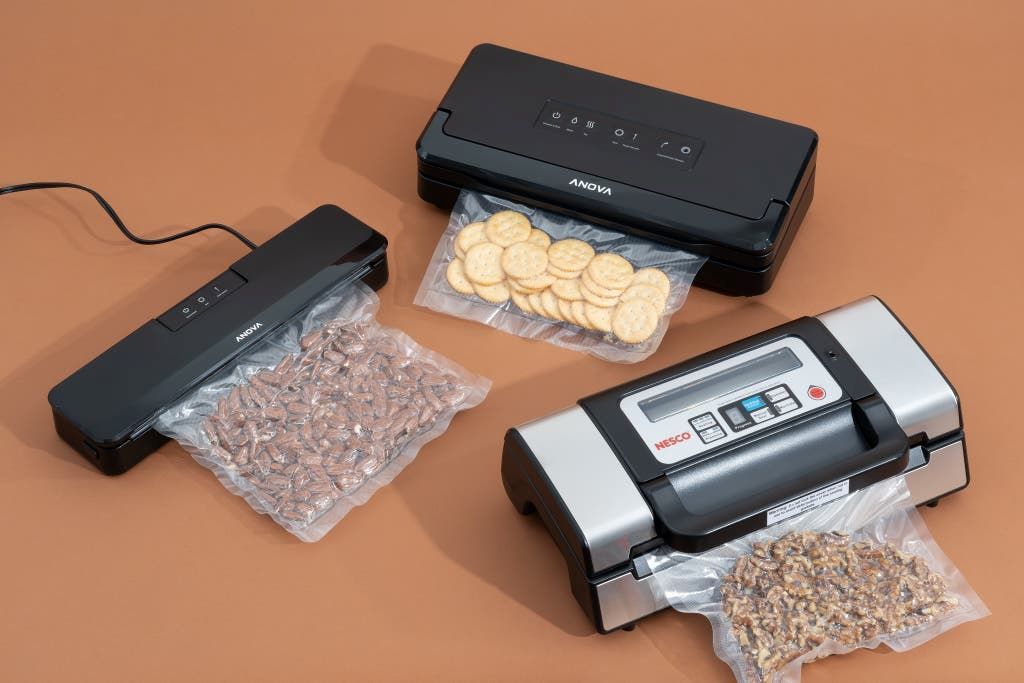
- External Vacuum Sealers: These are the most popular choice for home use. They work by placing the open end of a vacuum-seal bag into the machine, which then removes the air and seals the bag. External vacuum sealers are affordable, easy to use, and perfect for sealing dry foods, meats, and leftovers.
- Chamber Vacuum Sealers: These machines are more advanced and typically used in commercial kitchens or by serious home cooks. The entire bag is placed inside a chamber, where the air is removed before sealing. Chamber vacuum sealers are more efficient at removing air, making them ideal for sealing liquids, delicate foods, and larger quantities.
- Handheld Vacuum Sealers: These portable devices are great for quick, on-the-go sealing. They’re perfect for resealing bags of chips, snacks, or small portions of food. However, they’re not as powerful as countertop models and may not be suitable for long-term storage.
For most households, an external vacuum sealer is the best choice. It’s versatile, user-friendly, and offers excellent results for a wide range of foods.
How to Use a Food Vacuum Sealer Machine: Step-by-Step Guide
Step 1: Prepare Your Food
Before vacuum sealing, it’s important to prepare your food properly. For meats, trim any excess fat or bones that could puncture the bag. For fruits and vegetables, wash and dry them thoroughly to remove moisture, which can interfere with the sealing process. If you’re sealing liquids or sauces, consider freezing them first to prevent spills.
Step 2: Choose the Right Bag
Use bags specifically designed for vacuum sealing. These bags are made from durable, puncture-resistant materials that can withstand the vacuum process. Avoid using regular plastic bags, as they may not seal properly or could tear during vacuuming.
Step 3: Fill the Bag
Place your food in the bag, leaving at least two to three inches of space at the top. This extra space ensures that the bag seals properly. If you’re sealing liquids, double-bag them or use a vacuum sealer with a liquid mode to prevent spills.
Step 4: Seal the Bag
Insert the open end of the bag into the vacuum sealer machine. Make sure the bag is aligned correctly and that the sealing area is clean and dry. Close the lid and press the vacuum and seal button. The machine will remove the air and seal the bag automatically.
Step 5: Label and Store
Once sealed, label the bag with the contents and the date. This will help you keep track of what’s in your freezer or pantry. Store vacuum-sealed food in the fridge, freezer, or pantry, depending on the type of food and how long you plan to keep it.
Tips for Best Results
- Use the Right Settings: Many vacuum sealers have different settings for dry, moist, or delicate foods. Use the appropriate setting to ensure a proper seal.
- Double Seal for Liquids: If you’re sealing liquids or sauces, place the bag in the freezer for a few hours to solidify the contents before vacuum sealing. This prevents liquids from being sucked into the machine.
- Portion Control: Vacuum-seal food in portion-sized bags for easy meal prep. This makes it simple to grab exactly what you need without thawing more than necessary.
- Reuse Bags: Some vacuum sealer bags are reusable. Wash and dry them thoroughly before reusing to ensure a proper seal.
- Maintain Your Machine: Clean your vacuum sealer regularly to keep it in good working condition. Follow the manufacturer’s instructions for maintenance and care.
Common Mistakes to Avoid
- Overfilling the Bag: Leaving too little space at the top of the bag can prevent a proper seal. Always leave at least two to three inches of space.
- Sealing Wet Foods: Moisture can interfere with the sealing process. Pat foods dry before vacuum sealing, or use a sealer with a moist food setting.
- Using the Wrong Bags: Regular plastic bags are not designed for vacuum sealing and may tear or fail to seal properly. Always use bags made specifically for vacuum sealers.
- Ignoring Maintenance: A dirty or poorly maintained vacuum sealer may not work efficiently. Clean the sealing area and replace the sealing strip as needed.
Benefits of Vacuum Sealing Beyond Freshness
Vacuum sealing offers more than just extended shelf life. Here are some additional benefits:
- Save Money: Buying food in bulk is cost-effective, but only if you can store it properly. Vacuum sealing allows you to take advantage of sales and bulk discounts without worrying about spoilage.
- Reduce Food Waste: By keeping food fresh longer, vacuum sealing helps reduce the amount of food that ends up in the trash.
- Preserve Nutrients and Flavor: Vacuum sealing locks in nutrients and flavor, ensuring that your food tastes as good as the day you sealed it.
- Convenient Meal Prep: Vacuum sealing makes meal prepping a breeze. Prepare and seal individual portions of meals, soups, or marinades for quick and easy cooking later.
- Protect Against Pests: Vacuum-sealed bags are airtight, which means they also protect your food from pests like insects and rodents.
FAQs
How long does vacuum-sealed food last?
Vacuum-sealed food can last up to five times longer than food stored using traditional methods. For example, meats can last up to three years in the freezer, while fruits and vegetables can stay fresh in the fridge for one to two weeks.
Can I vacuum seal liquids?
Yes, but it’s best to freeze liquids first to prevent them from being sucked into the machine. Alternatively, use a vacuum sealer with a liquid mode or double-bag the liquids.
Are vacuum-sealed bags reusable?
Some vacuum-sealed bags are reusable. Check the manufacturer’s instructions to see if your bags can be washed and reused.
Is a food vacuum sealer machine worth the investment?
Absolutely! A food vacuum sealer machine pays for itself by reducing food waste, saving money on groceries, and extending the shelf life of your food. It’s a worthwhile investment for any household.
Can I vacuum seal any type of food?
Most foods can be vacuum sealed, but some require special preparation. For example, soft or delicate foods like bread or berries may need to be frozen first to prevent crushing. Always follow the manufacturer’s guidelines for best results.
Conclusion
Using a food vacuum sealer machine is a simple and effective way to keep your food fresh longer, reduce waste, and save money. Whether you’re a meal prep enthusiast, a bulk shopper, or just looking to make your groceries last, a vacuum sealer is a valuable addition to your kitchen.
I still remember the satisfaction of opening my freezer and seeing neatly sealed bags of food, knowing that nothing would go to waste. If you’re ready to take the plunge, start by choosing the right vacuum sealer for your needs and follow the steps outlined in this guide. Your future self—and your wallet—will thank you!
Have you tried using a food vacuum sealer machine? What’s your favorite food to vacuum seal? Share your tips and experiences in the comments below!
Featured Image Source