How to Choose the Right Hand Mixer for Baking and Everyday Cooking

How to Use a Food Vacuum Sealer Machine to Keep Food Fresh Longer
April 15, 2026
How to Choose a Deep Fryer with Oil Filtration: Top Picks for Cleaner Cooking
April 15, 2026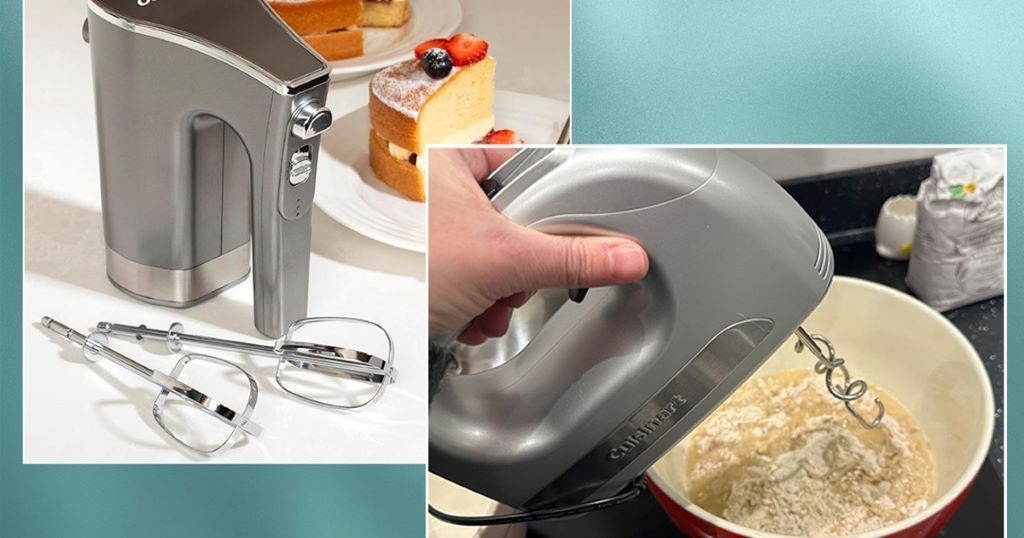
Choosing the right hand mixer can make all the difference in your baking and cooking adventures. Whether you’re whipping cream for a dessert, mixing batter for pancakes, or kneading dough for homemade bread, a reliable hand mixer saves time and effort. With so many options available, it’s easy to feel overwhelmed. This guide will walk you through everything you need to know to pick the perfect hand mixer for your kitchen.
Why a Hand Mixer is a Must-Have in Your Kitchen
A hand mixer is a versatile tool that fits seamlessly into both small and large kitchens. Unlike bulky stand mixers, hand mixers are lightweight, easy to store, and perfect for quick tasks. According to recent market research, the residential hand mixer market has grown by over 61% in 2024, reflecting their popularity among home cooks and bakers. Whether you’re a beginner or a seasoned chef, a good Hand Mixer can handle everything from whipped cream to cookie dough with ease.
Key Features to Look for in a Hand Mixer
Power and Speed Settings
The power of a hand mixer is measured in watts. For most home baking needs, a mixer with 200 to 300 watts is sufficient. However, if you frequently work with thick doughs or large batches, consider a model with 300 watts or more. Speed settings are equally important. A mixer with at least five speeds gives you better control over mixing, whipping, and kneading. Some models even offer a turbo boost for extra power when needed.
Attachments and Versatility
Most hand mixers come with standard beaters and dough hooks. Look for models that include additional attachments like whisk attachments for whipping cream or egg whites. Some advanced models even offer a storage case for attachments, making it easier to keep everything organized. Versatility is key—ensure the mixer can handle a variety of tasks, from light batters to heavy doughs.
Comfort and Ergonomics
Since you’ll be holding the mixer for extended periods, comfort is crucial. Look for a model with an ergonomic handle and a lightweight design. A mixer that’s too heavy can cause hand fatigue, especially during longer baking sessions. Additionally, check for features like a soft-grip handle or a swivel cord to prevent tangling.
Corded vs. Cordless
Corded mixers provide consistent power but can be limiting if your kitchen lacks nearby outlets. On the other hand, cordless mixers offer more flexibility and are ideal for small kitchens or outdoor cooking. However, they require regular charging, so consider your usage patterns before deciding.
How to Choose the Right Hand Mixer for Your Needs
Assess Your Baking Habits
Before purchasing, think about how often you bake and what you typically make. If you’re an occasional baker, a basic model with standard features will suffice. However, if you bake frequently or tackle complex recipes, invest in a more powerful and versatile mixer. For example, if you love making bread, a mixer with strong dough hooks is essential.
Consider Your Kitchen Space
Hand mixers are compact, but storage can still be a concern. If your kitchen is small, look for a mixer that comes with a storage case or can be easily hung on a hook. Some models even have retractable cords to save space.
Budget and Brand Reputation
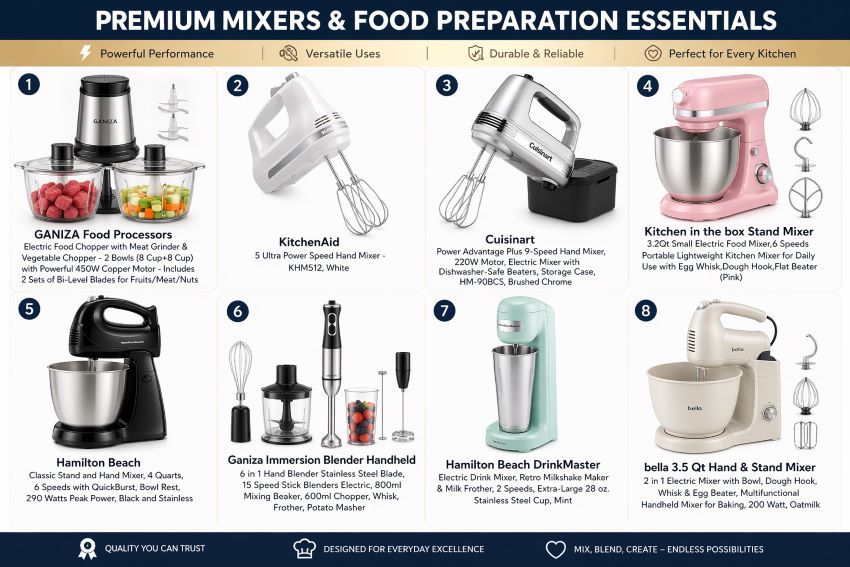
Hand mixers come in a wide price range, from budget-friendly options to high-end models. While it’s tempting to go for the cheapest option, investing in a reputable brand ensures durability and performance. Brands like KitchenAid, Cuisinart, and Hamilton Beach are known for their quality and reliability.
Personal Experience: Finding the Perfect Hand Mixer
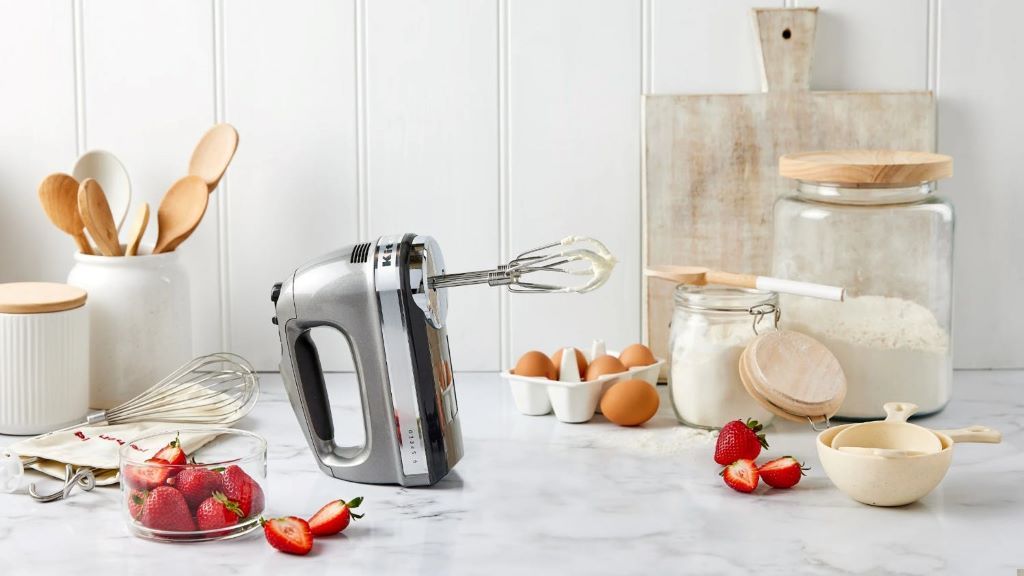
A few years ago, I decided to upgrade my old hand mixer after struggling with lumpy batter and inconsistent whipped cream. I opted for a mid-range model with six speed settings and a turbo boost. The difference was immediate—smoother batters, fluffier whipped cream, and less effort on my part. It even came with a storage case, which kept my kitchen organized. This experience taught me the value of investing in a quality hand mixer that matches my baking needs.
Maintenance and Care Tips for Your Hand Mixer
To ensure your hand mixer lasts for years, follow these simple maintenance tips:
- Always unplug the mixer before cleaning.
- Wash attachments in warm, soapy water and dry them thoroughly.
- Avoid immersing the motor in water; instead, wipe it with a damp cloth.
- Store the mixer and attachments in a dry place to prevent rust or damage.
FAQs About Hand Mixers
What is the best wattage for a hand mixer?
For most home baking tasks, a hand mixer with 200 to 300 watts is ideal. If you frequently work with thick doughs or large batches, consider a model with 300 watts or more.
Can I use a hand mixer for kneading bread dough?
Yes, many hand mixers come with dough hooks specifically designed for kneading bread dough. However, for heavy-duty kneading, a stand mixer might be more efficient.
How do I clean my hand mixer?
Unplug the mixer and remove the attachments. Wash the attachments in warm, soapy water and dry them thoroughly. Wipe the motor housing with a damp cloth and store it in a dry place.
Are cordless hand mixers as powerful as corded ones?
Cordless hand mixers have improved significantly in recent years and can be just as powerful as corded models. However, they require regular charging, so consider your usage patterns before choosing.
What should I look for in a hand mixer for beginners?
For beginners, look for a hand mixer with at least five speed settings, standard attachments, and an ergonomic design. A lightweight model with a storage case is also a great choice for ease of use and storage.
Conclusion
Choosing the right hand mixer can transform your baking and cooking experience. By considering factors like power, attachments, comfort, and your specific needs, you can find a mixer that makes your kitchen tasks easier and more enjoyable. Remember, the best hand mixer is the one that fits your lifestyle and helps you create delicious treats with ease.
Call to Action: Found this guide helpful? Share your thoughts or ask questions in the comments below! Don’t forget to share this article with your fellow baking enthusiasts.