How to Clean a Keurig K Express Coffee Maker

Why Choose the GoodCook Baking Sheet Set?
August 16, 2026
Why Buy a Kismile Nugget Ice Maker Countertop?
August 16, 2026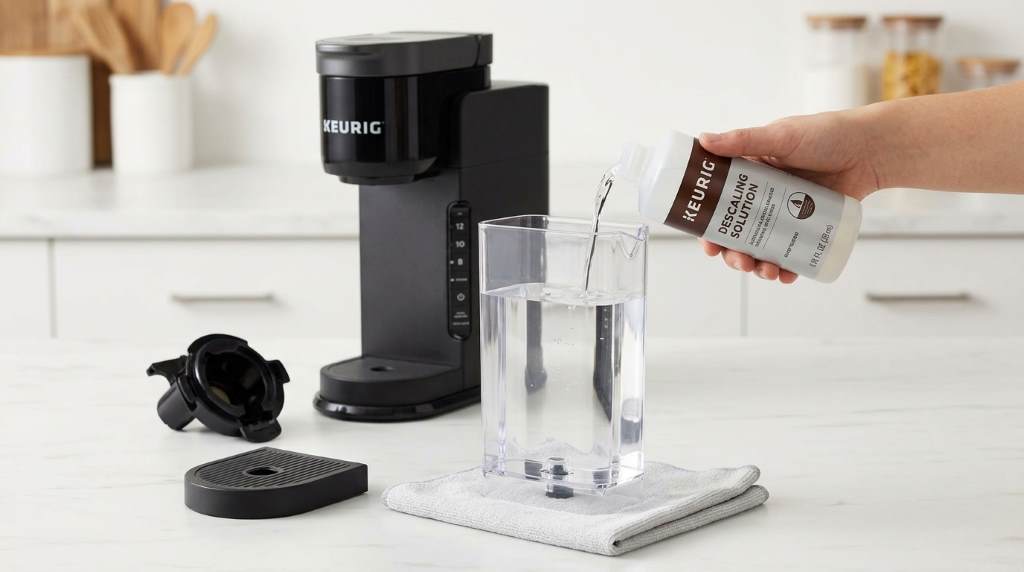
To clean a Keurig K Express Coffee Maker, empty the removable parts, wash them with warm soapy water, and descale the machine using a descaling solution or white vinegar. Regular cleaning removes mineral buildup, improves flavor, and helps the brewer work efficiently.
Many coffee experts estimate that mineral deposits can reduce brewing performance over time. Meanwhile, studies show that moisture inside coffee machines can encourage bacterial growth when maintenance gets ignored. If you own a Keurig K Express coffee maker, a simple cleaning routine protects both taste and reliability.
Why Regular Cleaning Matters
Every brew leaves behind tiny traces of coffee oils and minerals. These residues gradually affect machine performance and beverage quality.
Additionally, hard water creates scale inside internal components. As a result, water flow slows and brewing temperatures become less consistent.
Routine maintenance delivers several important benefits:
- Improves coffee flavor and aroma
- Reduces mineral buildup
- Maintains proper brewing speed
- Extends appliance lifespan
- Helps prevent clogs and leaks
Supplies You Need Before Cleaning
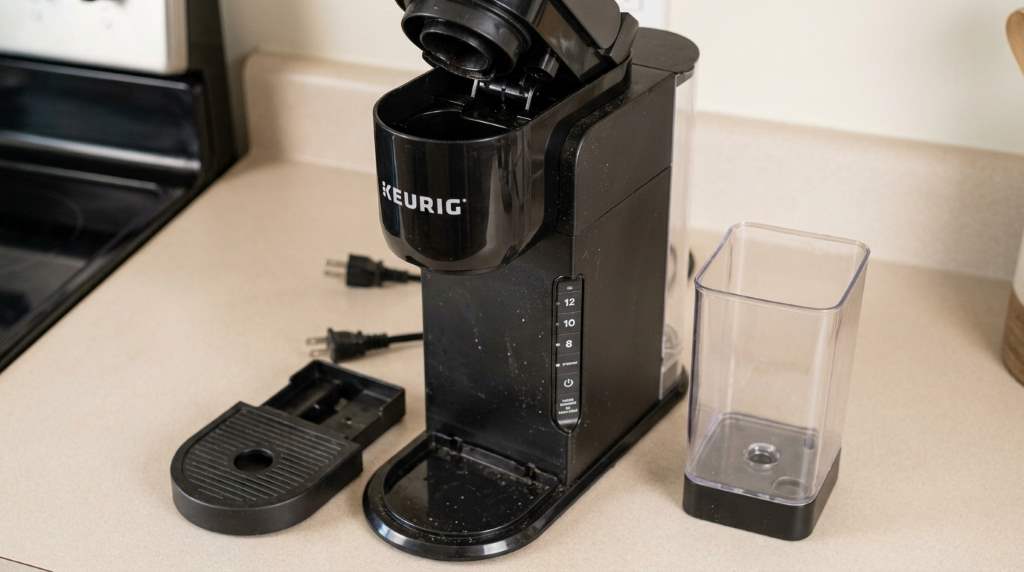
Gather all cleaning materials before starting the process. Preparation saves time and ensures a smoother experience.
- Warm water
- Mild dish soap
- Soft microfiber cloth
- Nonabrasive sponge
- Paper towel
- Descaling solution or white vinegar
- Large mug
- Fresh drinking water
Daily Cleaning Tasks
Clean the Drip Tray
Remove the drip tray carefully after brewing. Then wash it with warm water and mild soap.
Rinse thoroughly before reinstalling the tray. This step prevents coffee residue from accumulating over time.
Empty the Water Reservoir
Fresh water produces better tasting coffee. Therefore, empty unused water regularly and refill as needed.
Wipe the reservoir with a clean cloth afterward. This habit helps reduce residue and unwanted odors.
Wipe Exterior Surfaces
Use a damp microfiber cloth on external surfaces. Avoid harsh cleaners that may damage the finish.
Pay extra attention to frequently touched areas. Consequently, the machine stays cleaner and looks newer.
Weekly Deep Cleaning Process
Remove Removable Components
Detach the water reservoir and drip tray carefully. Wash each component using warm soapy water.
Afterward, rinse thoroughly and allow everything to dry completely. Moisture trapped inside can encourage unwanted growth.
Clean the K Cup Holder
Open the brewer and remove the pod holder assembly. Follow the manufacturer’s instructions during removal.
Rinse the holder under running water carefully. Coffee grounds often collect in hidden areas.
Inspect the needle area for debris. However, use caution because the puncture needle remains sharp.
Clean Around the Brewing Area
Use a damp cloth to clean surrounding surfaces. Small coffee splashes often collect around this section.
Regular attention prevents stubborn stains from forming. Therefore, future cleaning becomes much easier.
How to Descale a Keurig K Express Coffee Maker
Descaling removes mineral deposits from internal water pathways. This process remains essential for long term performance.
If your water contains high mineral content, descale more frequently. Otherwise, scale buildup may affect brewing efficiency.
Step 1: Empty the Machine
Remove any coffee pods before beginning. Then empty the water reservoir completely.
Place a large mug on the drip tray. The mug will collect liquid during the cleaning cycle.
Step 2: Add Descaling Solution
Pour the recommended descaling solution into the reservoir. Next, add fresh water according to product directions.
White vinegar can serve as an alternative option. However, commercial descalers often leave less residual odor.
Step 3: Run Cleaning Cycles
Start brewing without inserting a coffee pod. Allow the machine to dispense the cleaning mixture.
Repeat the brewing process until the reservoir becomes empty. Continue collecting liquid in the mug.
Step 4: Let the Solution Work
Allow the brewer to rest for about thirty minutes. During this period, mineral deposits begin dissolving.
This waiting stage improves descaling effectiveness significantly. Therefore, avoid rushing the process.
Step 5: Flush with Fresh Water
Rinse the reservoir thoroughly after descaling. Then refill it with clean drinking water.
Run several brew cycles without a pod installed. Continue until no cleaning solution remains.
Fresh water flushing removes lingering taste and odor. Consequently, your next coffee tastes clean and balanced.
Signs Your Machine Needs Cleaning
Several warning signs indicate maintenance should happen soon. Recognizing them early prevents larger problems.
- Brewing takes longer than usual
- Coffee tastes different
- Water flow becomes uneven
- Machine produces unusual sounds
- Scale appears inside the reservoir
- Brewer dispenses smaller servings
Common Cleaning Mistakes to Avoid
Many owners accidentally shorten appliance life through improper maintenance. Fortunately, these mistakes remain easy to avoid.
- Ignoring regular descaling schedules
- Using abrasive scrubbers
- Leaving standing water for extended periods
- Skipping reservoir cleaning
- Failing to rinse after descaling
- Using strong chemical cleaners
Furthermore, avoid forcing parts during removal. Gentle handling protects clips and seals from damage.
Recommended Cleaning Schedule
| Task | Recommended Frequency |
|---|---|
| Wipe exterior surfaces | Daily |
| Clean drip tray | Daily |
| Wash water reservoir | Weekly |
| Clean pod holder | Weekly |
| Descale machine | Every 3 months |
Tips for Better Long Term Performance
Filtered water helps reduce mineral accumulation significantly. Therefore, many owners notice fewer descaling requirements.
Store the brewer in a clean environment whenever possible. Dust and debris can affect moving components.
Additionally, inspect removable parts during each cleaning session. Early detection prevents small issues from becoming expensive repairs.
Conclusion
Cleaning a Keurig K Express Coffee Maker requires only a few simple steps. Consistent maintenance improves coffee flavor, supports reliable brewing, and helps protect internal components.
Create a regular cleaning schedule and follow it consistently. Your machine will perform better, last longer, and deliver a more satisfying cup every day.
Frequently Asked Questions
How often should I descale my Keurig K Express Coffee Maker?
Most users should descale the machine every three months.
Can I use white vinegar instead of descaling solution?
Yes, white vinegar can remove mineral buildup effectively.
Should I wash the water reservoir with soap?
Yes, mild dish soap and warm water work well for routine cleaning.
Why does my coffee taste different after cleaning?
Incomplete rinsing may leave cleaning residue inside the machine.
Can mineral buildup damage the brewer?
Yes, excessive scale can reduce performance and strain internal components.