How to Clean a Clogged Breetee Portable Range Hood Filter

Why Is My Black+Decker BCED37 Compact Dryer Not Heating?
August 11, 2026
Why Is My Comfee Portable Mini Dishwasher Leaking?
August 11, 2026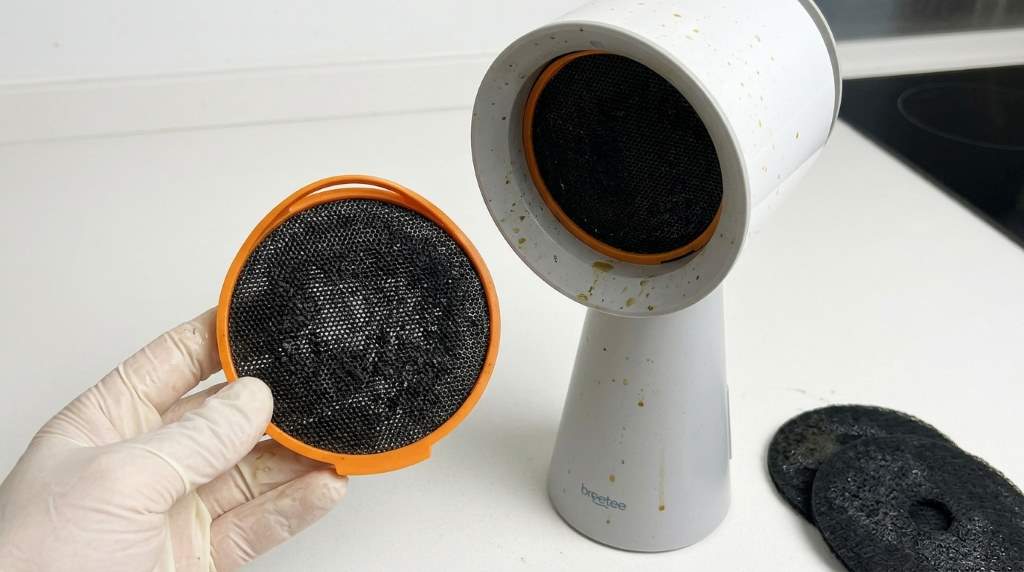
To clean a clogged Breetee portable range hood filter, remove the washable filter and rinse it with warm water. Use mild dish soap for stubborn grease, then rinse thoroughly and let the filter dry completely before reinstalling it.
Cooking caused about 44% of reported home fires during the 2017 to 2021 period. Ranges and cooktops also appeared in 53% of reported home cooking fires. Those figures make routine kitchen equipment care more than a cosmetic task.
A clogged filter can restrict airflow, trap grease, and reduce smoke capture during cooking. The Breetee portable range hood uses a washable condensation filter for grease and moisture capture. However, its carbon filter serves a different purpose and should not receive the same cleaning treatment.
Why a Breetee Filter Gets Clogged
Every cooking session sends grease, moisture, food particles, and smoke toward the hood. The condensation filter catches much of that material before it reaches deeper parts of the appliance.
Over time, grease forms a sticky layer across the filter mesh. That layer can block airflow and make the fan work harder during normal cooking.
Frying usually creates heavier grease buildup than boiling or steaming. Therefore, frequent frying requires more regular filter cleaning than occasional low grease cooking.
Cooking several meals without cleaning can also create a thicker residue. Once the filter becomes visibly greasy, delaying maintenance usually makes cleaning harder.
Know Which Breetee Filter You Can Wash
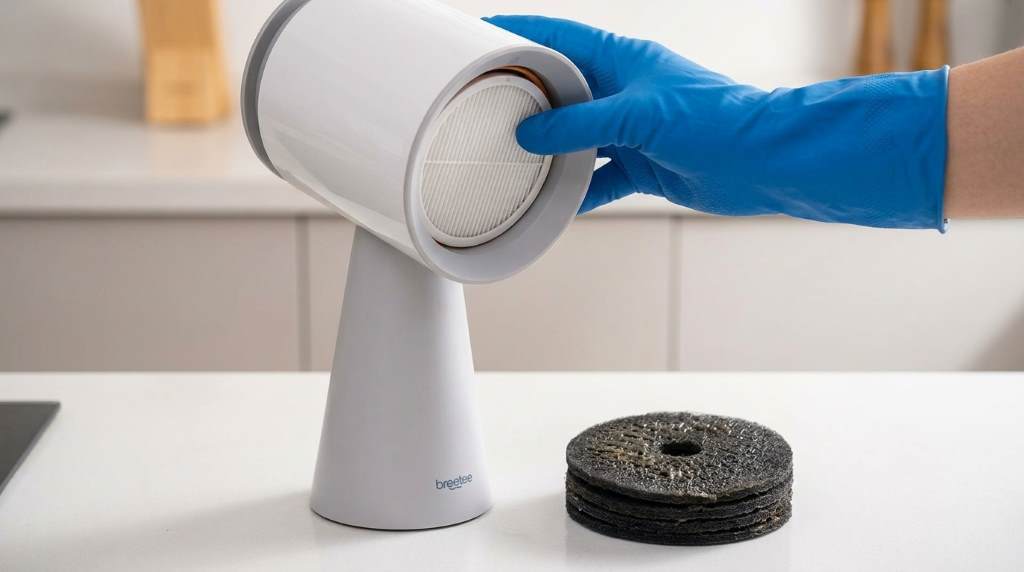
Breetee uses different filtration components, so identifying each filter prevents costly cleaning mistakes. The washable condensation filter handles grease and moisture from cooking vapors.
The carbon filter helps reduce cooking odors and cannot be washed. Water can damage the carbon filter and reduce its intended performance.
The Washable Condensation Filter
The main condensation filter contains multiple mesh layers designed to capture cooking residue. You can clean this filter with warm water and mild dish soap.
Regular washing removes accumulated grease before it hardens inside the mesh. That simple habit can help maintain better airflow during everyday cooking.
The Carbon Filter
The carbon filter works differently because activated carbon helps reduce unwanted cooking odors. Instead of washing it, replace the carbon filter when it becomes exhausted.
Never soak or scrub the carbon filter while cleaning the washable filter. Keep the two components separate throughout the maintenance process.
What You Need Before Cleaning
You do not need specialized tools for routine Breetee filter maintenance. Gather a few simple household supplies before starting the cleaning process.
- Warm water
- Mild dish soap
- Soft cleaning sponge
- Clean microfiber cloth
- Dry towel
- Small basin or sink
- Kitchen gloves if heavy grease covers the filter
A soft sponge works better than an abrasive scrubber for routine cleaning. Harsh tools can damage delicate mesh layers or protective surfaces.
Keep the cleaning area away from active burners and hot cookware. Always work with the appliance turned off and fully cooled.
How to Clean a Clogged Breetee Portable Range Hood Filter
1. Turn Off and Cool the Hood
Switch off the Breetee hood before touching the filter or other removable parts. Allow the appliance to cool completely if you recently finished cooking.
Never clean components while the fan or cooking surface remains hot. A cool appliance makes the process safer and easier to control.
2. Remove the Grease Collection Cup
Start by removing the grease collection cup from the appliance. Empty any collected oil into an appropriate waste container.
Do not pour cooking grease directly into the drain. Grease can cool inside plumbing and contribute to stubborn blockages.
Wash the collection cup separately with warm water and mild dish soap. Rinse away every trace of soap before drying the cup.
3. Remove the Washable Filter
Carefully remove the condensation filter according to the appliance design. Avoid forcing the filter if grease has made the component difficult to move.
Excessive force can bend mesh layers or damage the filter frame. Instead, inspect the attachment points and release the filter gently.
Place the removed filter over the sink before beginning the washing process. This approach keeps grease and dirty water away from clean surfaces.
4. Rinse Away Loose Grease
Hold the washable filter under warm running water to loosen surface grease. Let the water pass through the mesh instead of blasting it aggressively.
Warm water softens oily residue and makes the following cleaning step easier. However, extremely hot water can create unnecessary handling risks.
Rotate the filter while rinsing so water reaches different areas. Pay particular attention to corners where grease often collects.
5. Apply Mild Dish Soap
Add a small amount of mild dish soap to a soft sponge. Gently work the soap across both sides of the washable filter.
Focus on areas with visible grease rather than scrubbing the entire filter aggressively. Gentle pressure usually works better when soap has enough time.
For heavy buildup, allow the soapy solution to sit briefly on the surface. This gives the detergent time to loosen stubborn grease.
6. Clean Between the Mesh Layers
Grease can remain trapped between mesh layers even when the outer surface looks clean. Rinse from different directions to help release hidden residue.
Use a soft sponge rather than a stiff brush inside the mesh. A gentle technique reduces the chance of deforming the filter structure.
If residue remains, repeat the warm water and soap process. Several gentle cleaning cycles work better than one aggressive scrubbing session.
7. Rinse Until the Water Runs Clear
Rinse the washable filter thoroughly under clean running water. Continue until you no longer see soap, foam, or greasy residue.
Soap left inside the mesh can attract residue during later cooking. Therefore, thorough rinsing remains an important part of the process.
8. Inspect the Filter Carefully
Hold the clean filter under good lighting and inspect every section. Look for remaining grease, damaged mesh, bent areas, or loose components.
A filter can appear clean from one angle while retaining residue elsewhere. Rotate it slowly before deciding that cleaning is complete.
If the mesh remains heavily blocked after repeated cleaning, consider replacing the filter. A damaged filter should also receive replacement rather than continued aggressive cleaning.
9. Dry the Filter Completely
Shake away excess water and place the washable filter on a clean towel. Allow both sides to air dry completely before reinstalling it.
Do not reinstall a visibly wet filter inside the appliance. Complete drying helps prevent unnecessary moisture from remaining inside the filtration area.
You can gently pat the filter with a clean towel to speed surface drying. However, give the mesh enough time to dry naturally.
10. Reinstall the Clean Components
Once completely dry, reinstall the washable condensation filter securely. Return the clean grease collection cup to its proper position.
Check that each component sits correctly before operating the hood. A loose filter can create poor airflow or unusual operating noise.
Finally, run the hood briefly without cooking. Listen for normal airflow and check that the fan operates smoothly.
How to Unclog a Heavily Greased Breetee Filter
A heavily clogged filter needs more patience rather than stronger chemicals. Start with warm water and mild dish soap as your primary cleaning method.
Let the soapy solution soften the grease before scrubbing. Then gently clean the mesh with a soft sponge and rinse thoroughly.
Repeat the process when thick residue remains after the first attempt. Multiple gentle cycles protect the filter better than harsh mechanical cleaning.
Avoid aggressive scraping tools, abrasive powders, and harsh chemical cleaners. These products can damage the filter surface or leave unwanted residues.
Do not use oven cleaner unless the specific Breetee instructions explicitly permit it. A washable condensation filter does not automatically tolerate every degreasing product.
Signs Your Breetee Filter Needs Cleaning
You can often identify a clogged filter before airflow becomes noticeably weak. Watch for several practical warning signs during regular cooking.
- Visible grease covering the mesh
- Reduced smoke capture
- Stronger cooking odors around the hood
- Noticeably weaker airflow
- Grease collecting around the filter area
- Residue dripping toward the collection cup
- More frequent surface grease around the cooking area
One symptom does not always prove that the filter caused the problem. However, several symptoms together justify immediate inspection and cleaning.
How Often Should You Clean the Filter?
Cleaning frequency depends mainly on cooking habits and the amount of grease your meals produce. People who fry frequently should inspect the filter more often.
For light cooking, inspect the filter weekly and clean it whenever residue becomes visible. Frequent frying may require cleaning after several cooking sessions.
Heavy users should avoid relying on a fixed calendar alone. Instead, inspect the filter regularly and respond to visible grease buildup.
This approach works because cooking patterns vary considerably between households. A single schedule cannot accurately fit every kitchen.
How to Keep the Filter Cleaner Longer
Good cooking habits can reduce the amount of grease reaching the filtration system. Start by using the hood close to the actual smoke source.
Breetee recommends positioning the hood within four inches of the smoke or steam source. Close placement helps the appliance capture cooking vapors more effectively.
Use the appropriate fan setting when frying or producing substantial smoke. Higher airflow can help capture cooking vapors before they spread around the room.
Keep the hood focused on one cooking zone whenever possible. Multiple active burners can reduce overall capture efficiency for a compact portable hood.
Wipe the surrounding surfaces regularly as well. Removing grease from nearby areas reduces the chance of residue spreading back toward the appliance.
Common Cleaning Mistakes to Avoid
Washing the Carbon Filter
The carbon filter should not go into the sink with the washable filter. Replace it according to its condition and intended service life.
Using Abrasive Tools
Steel wool and aggressive brushes can damage delicate mesh surfaces. Choose a soft sponge and controlled pressure instead.
Reinstalling a Wet Filter
Putting a wet filter back into the appliance defeats the drying step. Always wait until the washable filter feels completely dry.
Ignoring the Grease Cup
The collection cup also accumulates cooking residue during normal operation. Clean it whenever you clean the washable filter.
Cleaning Only the Visible Surface
Grease can remain inside the mesh even when the front looks clean. Always rinse and inspect both sides carefully.
When Cleaning Does Not Solve the Problem
Sometimes poor airflow continues even after the filter looks completely clean. In that situation, inspect the filter installation and surrounding airflow path.
Check whether the carbon filter has become saturated and needs replacement. Also confirm that the hood sits close enough to the cooking source.
Remember that Breetee works best as a close range solution for a single cooking zone. It does not replace a traditional full size range hood.
If unusual noise, electrical problems, or persistent performance issues appear, stop using the appliance. Contact Breetee support when routine cleaning cannot explain the problem.
A Simple Breetee Filter Cleaning Routine
A consistent routine prevents most serious filter buildup. You can keep the process simple by combining inspection, cleaning, drying, and replacement checks.
- Inspect the filter after regular cooking.
- Remove the grease collection cup.
- Remove the washable condensation filter.
- Rinse the filter with warm water.
- Wash it gently with mild dish soap.
- Rinse away all soap and grease.
- Inspect the mesh for remaining buildup.
- Air dry the filter completely.
- Clean and dry the grease collection cup.
- Reinstall every component securely.
- Replace the carbon filter when necessary.
This routine takes little effort when performed regularly. More importantly, it prevents a small grease problem from becoming a difficult cleaning job.
Final Thoughts
Cleaning a clogged Breetee portable range hood filter requires warm water, mild dish soap, and gentle handling. The washable condensation filter can be cleaned, while the carbon filter should remain dry.
Start cleaning as soon as grease becomes visible instead of waiting for airflow to decline. Afterward, dry every washable component completely and reinstall everything securely.
Make filter inspection part of your normal kitchen routine for more consistent performance. Clean the filter today if grease has already restricted its mesh.
Frequently Asked Questions
Can I wash the Breetee condensation filter?
Yes, you can wash the Breetee condensation filter with warm water and mild dish soap.
Can I wash the Breetee carbon filter?
No, the carbon filter should not be washed because it requires replacement instead.
How do I clean heavy grease from the filter?
Soak the washable filter briefly with warm soapy water, then gently scrub and rinse it.
How often should I clean the Breetee filter?
Inspect it weekly and clean it whenever visible grease or restricted airflow appears.
Why does my Breetee hood still have weak airflow?
Check filter cleanliness, filter installation, carbon filter condition, and the hood’s distance from the cooking source.