How To Choose the Best Electric Mixer for Baking

How To Cook Healthy Meals With an Electric Food Steamer
May 9, 2026
How to Choose the Best Blender for Everyday Use in Washington (WA)
May 11, 2026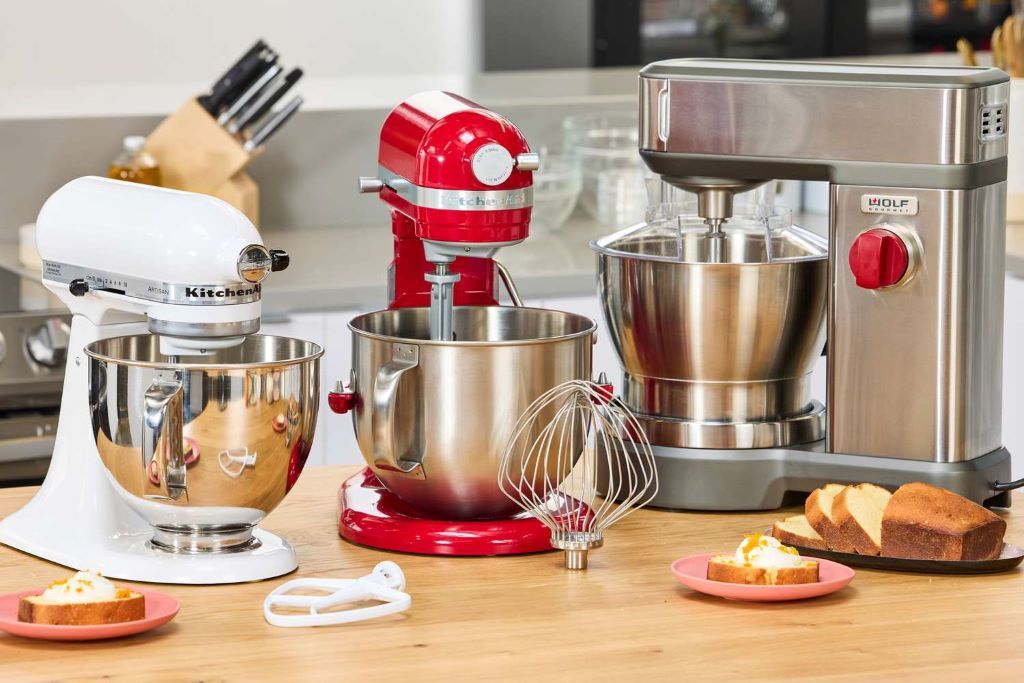
Baking is both an art and a science, and having the right tools can make all the difference between a perfect cake and a baking disaster. An electric mixer is one of the most essential tools in any baker’s kitchen. It saves time, ensures even mixing, and helps achieve the perfect texture for your baked goods. Whether you’re a beginner or a seasoned baker, choosing the right electric mixer can elevate your baking game.
I remember my first attempt at baking a cake without an electric mixer. My arm ached from whisking, and the batter was lumpy and uneven. That’s when I realized the importance of investing in a quality electric mixer. Since then, my baking has improved dramatically, and I can’t imagine my kitchen without one.
In this guide, I’ll walk you through everything you need to know to choose the best electric mixer for your baking needs.
Why an Electric Mixer is a Game-Changer for Baking
An electric mixer takes the guesswork and physical strain out of baking. According to a survey by King Arthur Baking Company, over 80% of home bakers reported better results and less effort after switching to an electric mixer. This is because electric mixers provide consistent, even mixing, which is crucial for achieving the right texture in your baked goods.
One of the biggest advantages of an electric mixer is its ability to handle a wide range of tasks, from whipping cream to kneading dough. This versatility saves you time and effort, allowing you to focus on the creative aspects of baking. For more insights on how to get the most out of your mixer, check out these electric mixer baking tips.
However, not all electric mixers are created equal. Some may lack the power or features needed for serious baking, while others might be overkill for casual bakers. Therefore, understanding your specific needs and the features to look for is essential.
Types of Electric Mixers
Electric mixers come in various styles, each designed for specific baking needs. Understanding the different types can help you choose the best one for your kitchen.
- Hand Mixers: These are the most affordable and compact option, ideal for occasional bakers or those with limited storage space. Hand mixers are lightweight and easy to use, making them perfect for small batches of cookies, cakes, or whipped cream. However, they may not have the power or capacity for heavy-duty tasks like kneading bread dough.
- Stand Mixers: Stand mixers are the workhorses of the baking world. They feature a powerful motor and a large mixing bowl, making them ideal for heavy-duty tasks like kneading dough or mixing large batches of batter. Stand mixers are a great investment for serious bakers who frequently tackle complex recipes. However, they can be bulky and expensive, making them less suitable for casual bakers or small kitchens.
- All-in-One Mixers: These versatile mixers combine the features of a hand mixer and a stand mixer, offering the convenience of a hand mixer with the power and capacity of a stand mixer. They often come with multiple attachments, such as a whisk, dough hook, and paddle, making them suitable for a wide range of baking tasks.
- Immersion Mixers: Also known as stick blenders, immersion mixers are handheld devices that can be submerged directly into the mixing bowl. They’re ideal for blending soups, sauces, or smoothies but may not be as effective for tasks like creaming butter or kneading dough.
Key Features to Look For
When choosing an electric mixer, the first feature to consider is the motor power. The motor determines how well the mixer can handle different tasks, from whipping cream to kneading dough. For most home bakers, a mixer with a motor power of 250-350 watts is sufficient for tasks like mixing batter or whipping cream. However, if you plan to knead bread dough or mix large batches, look for a mixer with a more powerful motor, around 500 watts or higher.
Next, pay attention to the mixer’s speed settings. A good electric mixer should offer multiple speed options, allowing you to adjust the speed based on the task at hand. For example, a low speed is ideal for mixing dry ingredients, while a high speed is better for whipping cream or egg whites. According to America’s Test Kitchen, a mixer with at least 5-10 speed settings provides the versatility needed for a wide range of baking tasks.
Additionally, consider the mixer’s attachments. Most electric mixers come with a few standard attachments, such as a whisk, dough hook, and paddle. However, some models offer additional attachments, like a splash guard, pouring shield, or even a pasta roller. Think about the types of recipes you plan to make and choose a mixer with the attachments that best suit your needs.
Finally, think about the mixer’s capacity. The mixing bowl’s size determines how much batter or dough the mixer can handle at once. For most home bakers, a mixer with a 4-5 quart bowl is sufficient for most recipes. However, if you frequently bake in large quantities, consider a mixer with a larger bowl, around 6-8 quarts.
Material and Build Quality
The material and build quality of your electric mixer can significantly impact its performance and longevity. Most electric mixers are made from a combination of plastic, metal, and stainless steel. Plastic mixers are lightweight and affordable but may not be as durable as metal or stainless steel models. Metal mixers, on the other hand, are more sturdy and long-lasting but can be heavier and more expensive.
Stainless steel is a popular choice for mixing bowls and attachments due to its durability, resistance to rust and corrosion, and ease of cleaning. Additionally, stainless steel bowls are non-reactive, meaning they won’t absorb odors or flavors from your ingredients.
The build quality of the mixer is also important. Look for a mixer with a sturdy base and a well-constructed motor housing. A heavy-duty mixer with a metal gear housing is more likely to withstand the wear and tear of frequent use. Additionally, consider the mixer’s warranty. A good warranty can provide peace of mind and protect your investment in case of any defects or issues.
According to Consumer Reports, mixers with a metal gear housing and a sturdy base are less likely to wobble or vibrate during use, providing a more stable and consistent mixing experience.
Ease of Use and Cleaning
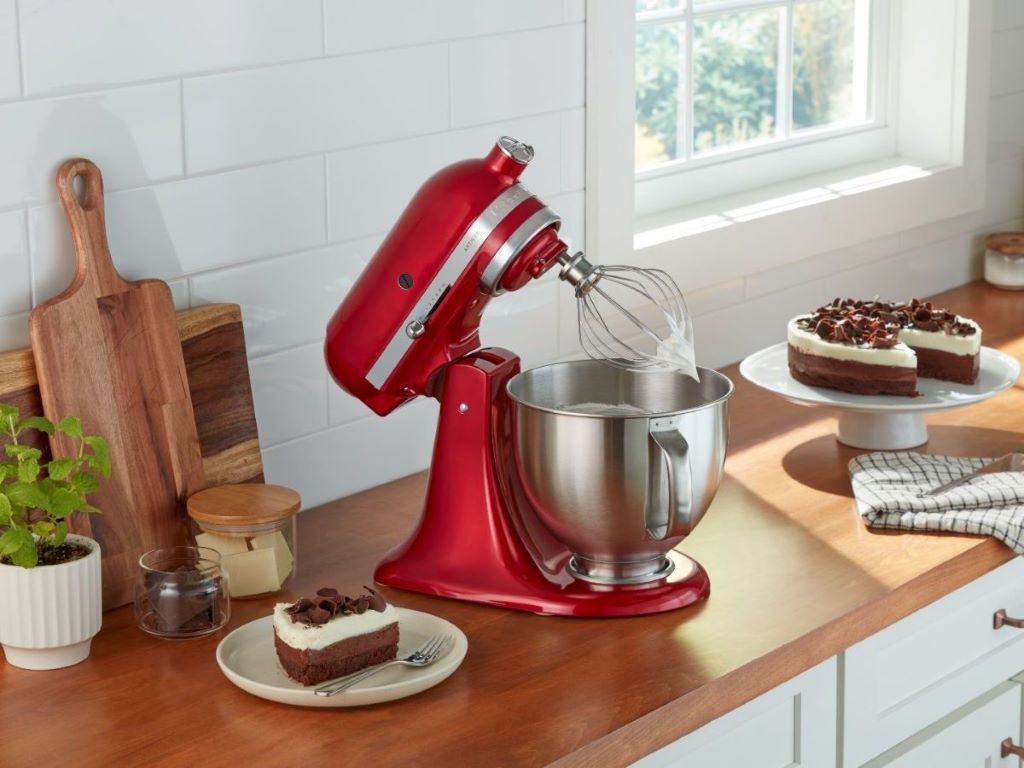
Ease of use is another important factor to consider when choosing an electric mixer. Look for a mixer with intuitive controls and a comfortable grip, especially for hand mixers. Stand mixers should have a tilt-head or bowl-lift design for easy access to the mixing bowl. Additionally, consider the mixer’s weight. A heavier mixer may be more stable during use but can be more difficult to move and store.
Cleaning is another consideration. Most electric mixers come with dishwasher-safe attachments, making cleanup a breeze. However, the mixer’s base and motor housing should never be submerged in water. Instead, wipe them down with a damp cloth after each use. Additionally, look for a mixer with a splash guard or pouring shield to prevent ingredients from splattering out of the bowl during mixing.
According to Good Housekeeping, mixers with dishwasher-safe attachments and a splash guard are easier to clean and maintain, saving you time and effort in the kitchen.
Versatility and Attachments
The versatility of your electric mixer depends largely on the attachments it comes with. Most mixers include a few standard attachments, such as a whisk, dough hook, and paddle. However, some models offer additional attachments that can expand the mixer’s capabilities.
For example, a pasta roller attachment can turn your mixer into a pasta maker, allowing you to create fresh, homemade pasta with ease. A meat grinder attachment can be used to grind meat for burgers, meatballs, or sausages. Additionally, some mixers come with a blending jar, which can be used to make smoothies, sauces, or soups.
When choosing a mixer, consider the types of recipes you plan to make and the attachments that would be most useful to you. Additionally, look for a mixer with a compatible attachment hub, which allows you to purchase additional attachments as needed.
According to Food & Wine, mixers with a wide range of attachments can replace multiple kitchen appliances, saving you space and money in the long run.
Budget Considerations
Electric mixers come in a wide range of prices, from budget-friendly hand mixers to high-end stand mixers. The price of a mixer depends on its type, features, and build quality. Hand mixers are the most affordable option, typically ranging from $20 to $50. Stand mixers, on the other hand, can range from $100 to $500 or more, depending on the brand and features.
When choosing an electric mixer, consider your budget and the features that are most important to you. If you’re a casual baker, a budget-friendly hand mixer may be all you need. However, if you’re a serious baker who frequently tackles complex recipes, investing in a high-quality stand mixer may be worth the cost.
Additionally, consider the long-term value of the mixer. A high-quality mixer with a powerful motor and durable construction may cost more upfront but can last for years, providing better value in the long run. According to Wirecutter, a good electric mixer can last for decades with proper care and maintenance.
Maintenance and Care Tips
To ensure your electric mixer lasts for years, regular maintenance and care are essential. After each use, unplug the mixer and wipe down the base and motor housing with a damp cloth. Avoid submerging the base or motor housing in water, as this can damage the electrical components.
Clean the mixer’s attachments after each use. Most attachments are dishwasher-safe, but always check the manufacturer’s instructions to be sure. Additionally, regularly inspect the mixer’s power cord and plug for any signs of wear or damage, and replace them if necessary to ensure safe operation.
Finally, store your electric mixer in a cool, dry place when not in use. Avoid exposing it to direct sunlight or extreme temperatures, as these can damage the appliance over time. Additionally, regularly lubricate the mixer’s moving parts, such as the gear housing, to ensure smooth and consistent operation.
Conclusion
Choosing the best electric mixer for baking doesn’t have to be overwhelming. By considering factors like type, motor power, attachments, and budget, you can find a mixer that meets your specific needs and elevates your baking game.
I’ve tested countless electric mixers over the years, and the right one has made a world of difference in my baking. Whether I’m whipping up a batch of cookies or kneading dough for homemade bread, my mixer gives me the consistency and ease I need to create delicious treats.
Now it’s your turn. Use this guide to find the perfect electric mixer for your kitchen. If you have your own tips or favorite models, share them in the comments below. And if you found this guide helpful, don’t forget to share it with your fellow baking enthusiasts!
FAQs
What is the best type of electric mixer for baking?
The best type of electric mixer depends on your baking needs. Hand mixers are ideal for occasional bakers or small batches, while stand mixers are perfect for serious bakers who frequently tackle complex recipes. All-in-one mixers offer the versatility of both hand and stand mixers.
How do I choose the right motor power for my electric mixer?
For most home bakers, a mixer with a motor power of 250-350 watts is sufficient for tasks like mixing batter or whipping cream. If you plan to knead bread dough or mix large batches, look for a mixer with a more powerful motor, around 500 watts or higher.
What attachments should I look for in an electric mixer?
Most electric mixers come with a whisk, dough hook, and paddle. Additional attachments, such as a pasta roller, meat grinder, or blending jar, can expand the mixer’s capabilities. Choose a mixer with the attachments that best suit your baking needs.
How do I clean and maintain my electric mixer?
After each use, unplug the mixer and wipe down the base and motor housing with a damp cloth. Clean the mixer’s attachments in the dishwasher or by hand, following the manufacturer’s instructions. Regularly inspect the power cord and plug for wear or damage.
Are expensive electric mixers worth the investment?
Yes, if you’re a serious baker. A high-quality mixer with a powerful motor and durable construction can last for decades with proper care and maintenance. However, if you’re a casual baker, a budget-friendly hand mixer may be all you need.