How To Cook Healthy Meals With an Electric Food Steamer

How to Pick a Coffee Maker That Fits Your Lifestyle: The Ultimate Guide to Brewing Perfection at Home
April 27, 2026
How To Choose the Best Electric Mixer for Baking
May 9, 2026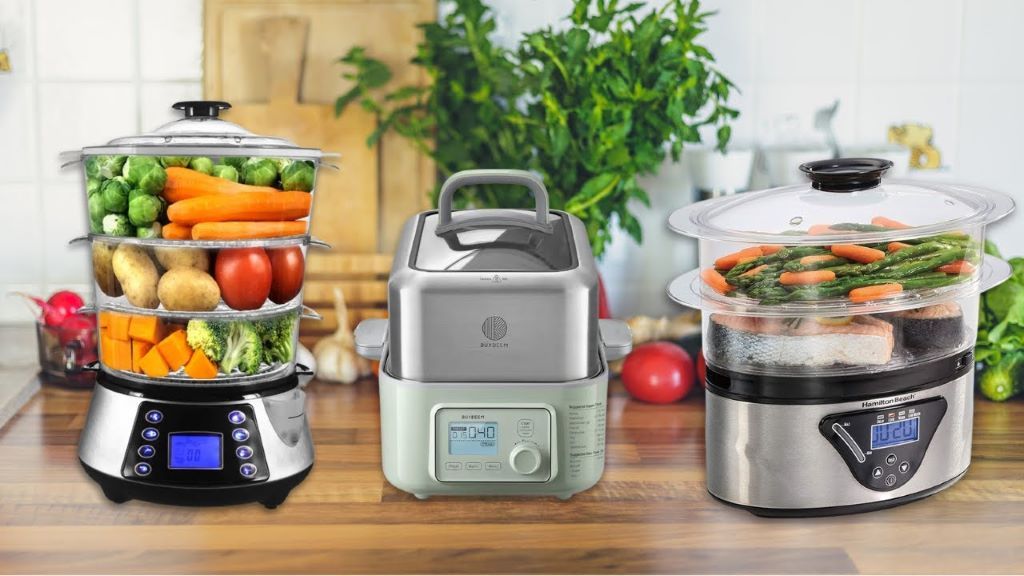
In today’s fast-paced world, finding time to cook healthy meals can feel like a challenge. However, an electric food steamer can be your secret weapon for preparing nutritious, delicious dishes with minimal effort. Steaming preserves the natural flavors, colors, and nutrients of your food, making it one of the healthiest cooking methods available.
I remember the first time I used an electric food steamer. I was amazed at how easy it was to cook a perfect meal without adding oils or fats. My vegetables retained their vibrant colors and crisp textures, and my fish was moist and flaky. Since then, my steamer has become a staple in my kitchen, helping me prepare quick, healthy meals for my family.
In this guide, I’ll show you how to make the most of your electric food steamer to create nutritious and flavorful dishes.
Why an Electric Food Steamer is a Healthy Cooking Essential
An electric food steamer offers numerous benefits that make it an essential tool for health-conscious cooks. According to a study by the Journal of Food Science, steaming preserves more nutrients in vegetables compared to boiling or frying. This is because steaming uses gentle heat and minimal water, which prevents the loss of water-soluble vitamins like vitamin C and B vitamins.
Additionally, steaming requires no added fats or oils, making it an excellent cooking method for those watching their calorie intake or trying to maintain a healthy diet. It also helps retain the natural flavors of your food, reducing the need for excessive seasoning or sauces.
For more insights on the advantages of using a food steamer, check out these food steamer benefits. These benefits can help you understand why steaming is one of the best ways to cook healthy meals.
However, not all electric food steamers are created equal. Some may lack the features or capacity to meet your cooking needs. Therefore, understanding how to use your steamer effectively is key to maximizing its potential.
Key Features to Look For in an Electric Food Steamer
When choosing an electric food steamer, the first feature to consider is the capacity. Steamers come in various sizes, from compact models that hold a few cups of food to larger ones that can accommodate multiple tiers for cooking entire meals. Consider the size of your household and the types of meals you plan to prepare when selecting a steamer.
Next, pay attention to the number of tiers or baskets. Multiple tiers allow you to steam different foods simultaneously, saving time and energy. Look for a steamer with at least two or three tiers, so you can cook a complete meal at once. Additionally, ensure the tiers are stackable and easy to remove for cleaning.
The material of the steamer baskets is another important factor. Stainless steel baskets are durable, easy to clean, and resistant to rust and corrosion. Plastic baskets, on the other hand, are lightweight and often dishwasher-safe but may not be as durable as stainless steel. Bamboo baskets are another option, offering a natural, eco-friendly choice that enhances the flavor of your food.
Additionally, consider the steamer’s water reservoir. A larger reservoir means you can steam for longer periods without needing to refill the water. Some models even feature an automatic shut-off function, which turns off the steamer when the water level gets too low, preventing damage to the appliance.
Finally, think about the steamer’s ease of use and cleaning. Look for models with intuitive controls, a clear water level indicator, and dishwasher-safe parts for easy cleanup.
Health Benefits of Steaming Your Food
Steaming is one of the healthiest cooking methods because it preserves the natural nutrients, colors, and flavors of your food. Unlike boiling, which can leach nutrients into the water, steaming uses minimal water and gentle heat to cook your food, retaining its nutritional value.
According to the Harvard T.H. Chan School of Public Health, steaming vegetables helps preserve their vitamin content, particularly water-soluble vitamins like vitamin C and B vitamins. This makes steamed vegetables a nutritious addition to any meal. Additionally, steaming requires no added fats or oils, making it an excellent cooking method for those looking to reduce their calorie intake or maintain a healthy weight.
Steaming also helps retain the natural flavors of your food. By cooking with steam, you avoid diluting the flavors with water or masking them with oils and sauces. This makes it easier to enjoy the natural taste of your ingredients, encouraging a healthier, more balanced diet.
Furthermore, steaming is a gentle cooking method that preserves the texture of your food. Vegetables retain their crispness, fish stays moist and flaky, and grains remain tender and separate. This makes steamed dishes not only nutritious but also delicious and appealing.
Essential Foods to Steam for a Balanced Diet
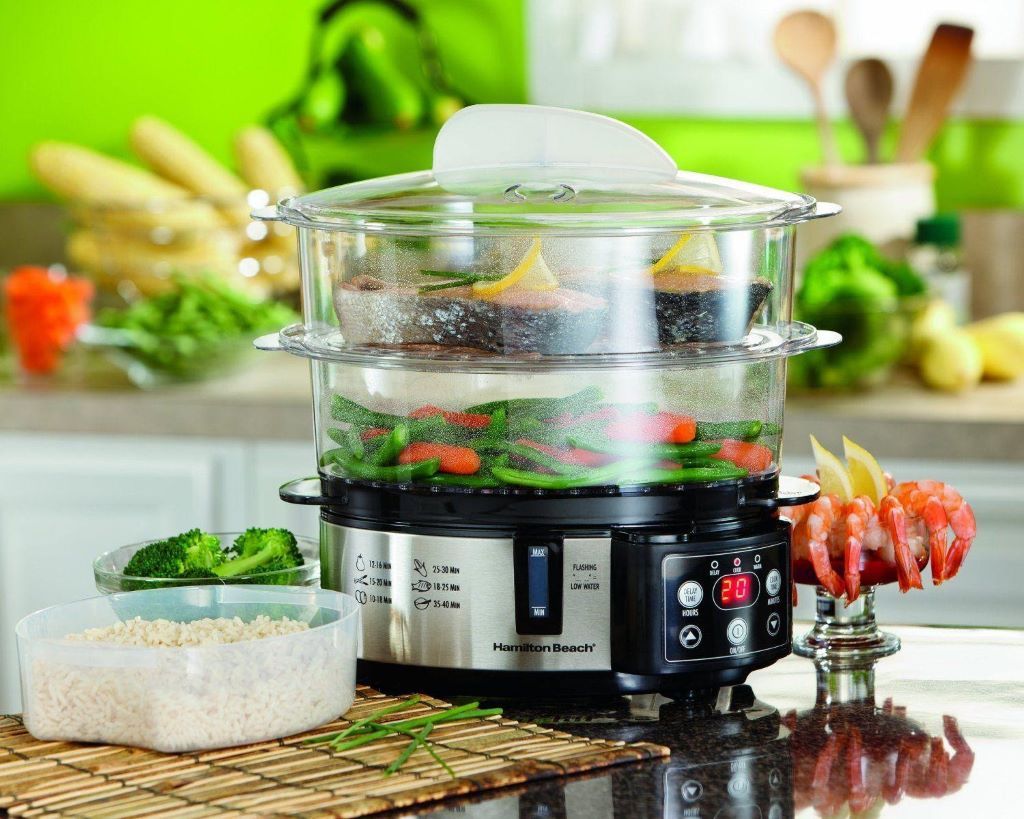
An electric food steamer can be used to cook a wide variety of foods, making it a versatile tool for preparing balanced, healthy meals. Vegetables are one of the most common foods to steam, as they retain their nutrients, colors, and textures. Some of the best vegetables for steaming include broccoli, carrots, spinach, and green beans. These vegetables are packed with vitamins, minerals, and fiber, making them an excellent addition to any meal.
Fish is another great option for steaming. Steaming fish helps preserve its natural moisture and delicate flavor, making it a healthy and delicious protein source. Some of the best fish for steaming include salmon, cod, and tilapia. These fish are rich in omega-3 fatty acids, which are essential for heart health and brain function.
Grains like rice, quinoa, and couscous can also be steamed, providing a nutritious and versatile base for your meals. Steaming grains helps retain their natural flavors and textures, making them a healthy and delicious addition to any dish.
Additionally, consider steaming eggs, dumplings, or even fruits like apples and pears. Steaming these foods helps preserve their natural flavors and nutrients, making them a healthy and delicious option for snacks or desserts.
Tips for Steaming Perfect Meals Every Time
To get the most out of your electric food steamer, follow these tips for perfect results every time. First, always start with fresh, high-quality ingredients. The better the ingredients, the better the final dish will be. Additionally, cut your vegetables and other foods into even-sized pieces to ensure they cook uniformly.
Next, arrange your food in a single layer in the steamer baskets. Overcrowding can prevent the steam from circulating properly, leading to uneven cooking. If you’re steaming multiple types of food at once, place the denser, longer-cooking items on the bottom tier and the quicker-cooking items on the top tier.
Additionally, consider the cooking time for each type of food. Vegetables like broccoli and carrots typically take 5-10 minutes to steam, while fish may take 10-15 minutes, depending on the thickness of the fillets. Grains like rice and quinoa may take 20-30 minutes to cook thoroughly. Use a timer to ensure you don’t overcook or undercook your food.
Finally, season your food lightly before steaming. Since steaming preserves the natural flavors of your ingredients, you don’t need to add much seasoning. A sprinkle of salt, pepper, or herbs can enhance the flavors without overpowering them. Additionally, consider adding a splash of lemon juice or a drizzle of olive oil after steaming to bring out the natural flavors of your food.
Creative Steamer Recipes to Try at Home
An electric food steamer can be used to prepare a wide variety of delicious and healthy meals. Here are a few creative recipes to try at home:
- Steamed Vegetable Medley: Combine broccoli, carrots, and snap peas in the steamer baskets. Steam for 5-7 minutes, then season with a sprinkle of salt, pepper, and a drizzle of olive oil. This colorful, nutrient-packed dish is a perfect side for any meal.
- Steamed Salmon with Lemon and Dill: Place salmon fillets in the steamer basket and top with lemon slices and fresh dill. Steam for 10-12 minutes, or until the fish is cooked through and flakes easily with a fork. Serve with a side of steamed asparagus or green beans.
- Steamed Chicken and Vegetables: Arrange chicken breasts and your favorite vegetables, such as bell peppers, zucchini, and onions, in the steamer baskets. Steam for 20-25 minutes, or until the chicken is cooked through and the vegetables are tender. Season with salt, pepper, and your favorite herbs.
- Steamed Dumplings: Place frozen or homemade dumplings in the steamer basket, leaving some space between each one to allow for expansion. Steam for 10-15 minutes, or until the dumplings are cooked through and the wrappers are translucent. Serve with a dipping sauce of your choice.
- Steamed Rice with Vegetables: Combine rice and your favorite vegetables, such as peas, carrots, and corn, in the steamer basket. Add water or broth, and steam for 20-25 minutes, or until the rice is tender and the vegetables are cooked through. Season with soy sauce or your favorite spices.
Cleaning and Maintaining Your Electric Food Steamer
To ensure your electric food steamer lasts for years, regular cleaning and maintenance are essential. After each use, unplug the steamer and allow it to cool completely before cleaning. Remove the steamer baskets and water reservoir, and wash them with warm, soapy water. Most steamer baskets and reservoirs are dishwasher-safe, but always check the manufacturer’s instructions to be sure.
Use a soft brush or cloth to clean the heating element and the interior of the steamer. Avoid using abrasive cleaners or scrubbers, as these can damage the non-stick coating or other surfaces. Additionally, regularly descale your steamer to remove mineral buildup from the water. Use a mixture of equal parts water and white vinegar to descale the steamer, following the manufacturer’s instructions.
Finally, store your electric food steamer in a cool, dry place when not in use. Avoid exposing it to direct sunlight or extreme temperatures, as these can damage the appliance over time. Additionally, regularly inspect the power cord and plug for any signs of wear or damage, and replace them if necessary to ensure safe operation.
Conclusion
Cooking healthy meals with an electric food steamer is a simple and effective way to preserve the nutrients, flavors, and textures of your food. By understanding the key features to look for, the health benefits of steaming, and how to use your steamer effectively, you can create delicious, nutritious meals with minimal effort.
I’ve discovered that my electric food steamer is more than just a convenient appliance—it’s a tool that helps me prepare meals that are as healthy as they are delicious. Whether I’m steaming vegetables, fish, or grains, I know I’m providing my family with meals that are packed with nutrients and free from unnecessary fats and oils.
Now it’s your turn. Use this guide to explore the many possibilities of your electric food steamer and start cooking healthier meals today. If you have your own favorite steamer recipes or tips, share them in the comments below. And if you found this guide helpful, don’t forget to share it with your friends and family!
FAQs
What are the health benefits of using an electric food steamer?
An electric food steamer preserves the natural nutrients, colors, and flavors of your food. It also requires no added fats or oils, making it an excellent cooking method for those looking to maintain a healthy diet. Steaming helps retain water-soluble vitamins like vitamin C and B vitamins, which can be lost through other cooking methods.
How do I choose the right electric food steamer for my needs?
Consider the capacity, number of tiers, material of the steamer baskets, and ease of use and cleaning. Choose a steamer that meets your household’s needs and the types of meals you plan to prepare. Look for models with intuitive controls, a clear water level indicator, and dishwasher-safe parts for easy cleanup.
Can I steam multiple types of food at the same time?
Yes, most electric food steamers come with multiple tiers or baskets, allowing you to steam different foods simultaneously. Place denser, longer-cooking items on the bottom tier and quicker-cooking items on the top tier. Ensure you don’t overcrowd the baskets to allow for proper steam circulation.
How do I clean and maintain my electric food steamer?
After each use, unplug the steamer and allow it to cool completely before cleaning. Wash the steamer baskets and water reservoir with warm, soapy water. Regularly descale your steamer using a mixture of equal parts water and white vinegar. Store the steamer in a cool, dry place and regularly inspect the power cord and plug for any signs of wear or damage.
What are some easy and healthy recipes I can make with my electric food steamer?
You can prepare a variety of healthy meals with your electric food steamer, including steamed vegetable medleys, salmon with lemon and dill, chicken and vegetables, dumplings, and rice with vegetables. Experiment with different ingredients and seasonings to create delicious, nutritious dishes for you and your family.