How to Use a Slow Cooker for Easy, Flavorful, and Time-Saving Meals

How to Choose the Best Electric Kettle for Fast, Safe, and Efficient Boiling
April 15, 2026
How to Transform Your Kitchen with Robotic Cookers for Smart Cooking
April 15, 2026
Imagine coming home after a long day to the rich aroma of a hearty stew or tender pulled pork, ready to serve with almost no effort. That’s the magic of a slow cooker—a kitchen hero that turns simple ingredients into flavorful, fall-apart meals while you go about your day.
I still remember the first time I used a slow cooker. I was skeptical at first, wondering if the food would really taste as good as everyone claimed. But after tossing in some chicken, vegetables, and broth before work, I returned to a meal so tender and flavorful, it felt like a restaurant dish. Since then, my slow cooker has become a staple, saving me time and money while delivering consistently delicious results.
In this guide, you’ll learn everything you need to know to make the most of your slow cooker. From choosing the right model to mastering recipes and safety tips, you’ll be a slow cooking pro in no time.
Why Use a Slow Cooker?
Slow cookers are more than just a convenience—they’re a smart way to cook. The global slow cooker market is valued at over $2.15 billion in 2024, reflecting how much people love these time-saving appliances. Here’s why you should consider using one:
- Time-Saving: Simply add your ingredients, set the timer, and let the slow cooker do the work. Most meals take 4–8 hours on low or 2–4 hours on high, but require almost no attention.
- Energy Efficient: Slow cookers use less electricity than an oven or stovetop. For example, running a slow cooker costs just a few cents per hour, making it one of the most economical ways to cook.
- Flavorful Meals: The low-and-slow cooking process breaks down tough cuts of meat and blends flavors beautifully, resulting in rich, hearty dishes.
- Versatility: You can make everything from soups and stews to desserts and even yogurt in a slow cooker.
Additionally, using a slow cooker can help reduce food waste. Since you’re cooking with less liquid and at lower temperatures, nutrients and flavors stay locked in, and leftovers often taste even better the next day.
Choosing the Right Slow Cooker
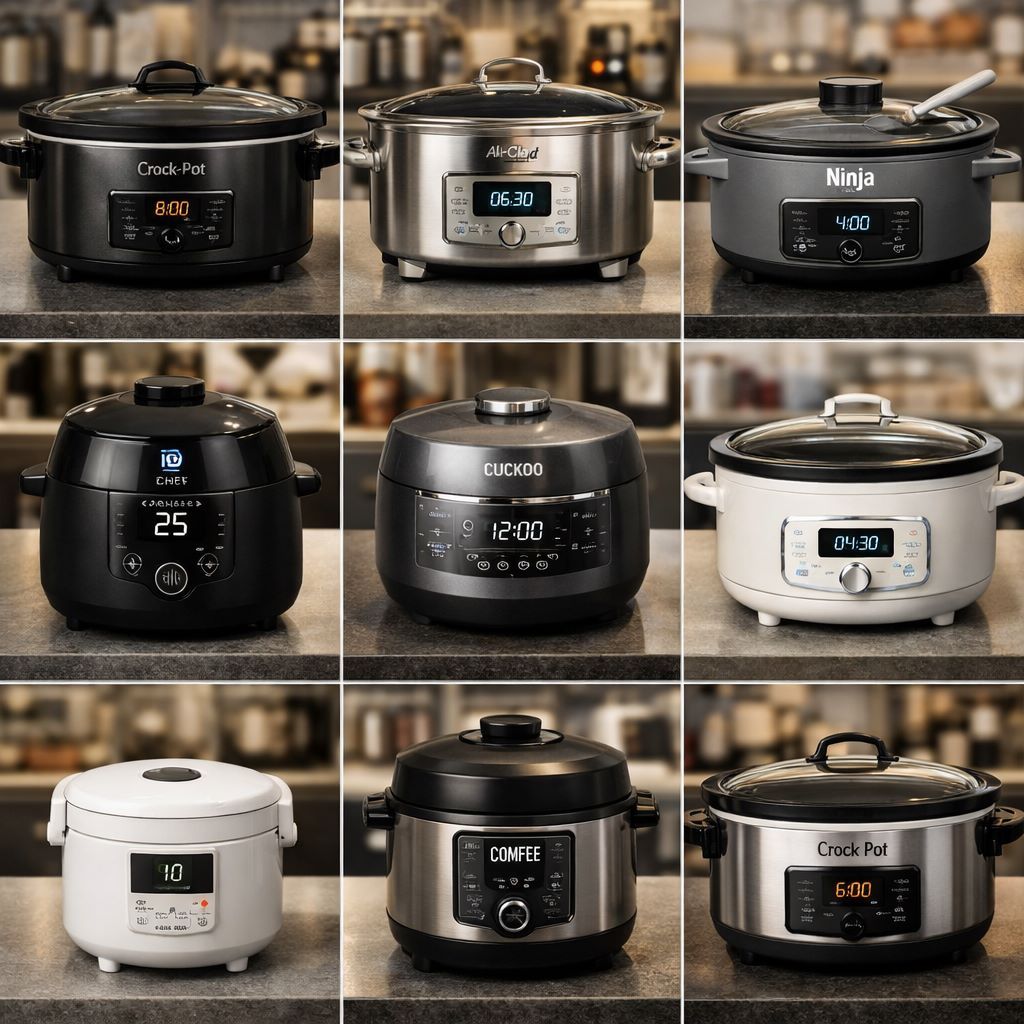
Not all slow cookers are created equal. Here’s what to look for when selecting the best one for your needs:
1. Size and Capacity
Slow cookers range from 1.5 quarts (great for dips or small batches) to 8 quarts or more (ideal for large families or meal prepping). A 6-quart model is the most versatile for most households.
2. Features and Settings
- Programmable Timers: Allow you to set cook times and switch to “keep warm” automatically.
- Temperature Probes: Useful for cooking large cuts of meat to the perfect internal temperature.
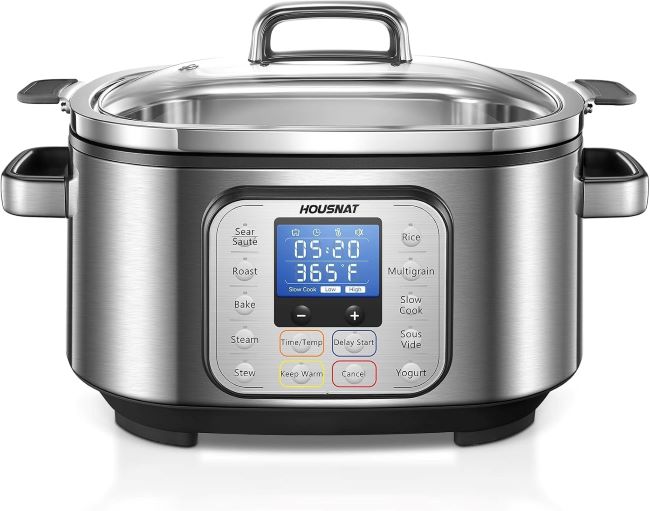
- Multi-Cooker Functions: Some models also function as pressure cookers, rice cookers, or steamers, adding even more versatility.
3. Material and Build
- Ceramic Inserts: Retain heat well and are easy to clean.
- Non-Stick Coating: Makes cleanup a breeze.
- Removable, Dishwasher-Safe Parts: Look for lids and inserts that are easy to wash.
4. Portability
If you like to take your slow cooker to potlucks or gatherings, consider a model with locking lids and sturdy handles for easy transport.
How to Use Your Slow Cooker Like a Pro
1. Prep Your Ingredients
- Cut Evenly: Chop vegetables and meat into uniform sizes for even cooking.
- Brown Meat First: For deeper flavor, sear meat in a pan before adding it to the slow cooker.
- Layer Wisely: Place root vegetables and tougher ingredients at the bottom, with delicate items like herbs or dairy on top.
2. Liquid Levels
Slow cookers retain moisture, so you usually need less liquid than in stovetop cooking. A good rule of thumb is to reduce liquid by about one-third compared to traditional recipes.
3. Avoid Overfilling
Fill your slow cooker no more than two-thirds full to prevent spills and ensure even cooking.
4. Resist Peeking
Every time you lift the lid, heat escapes, and cooking time increases. Trust the process and keep the lid on!
5. Use the Right Setting
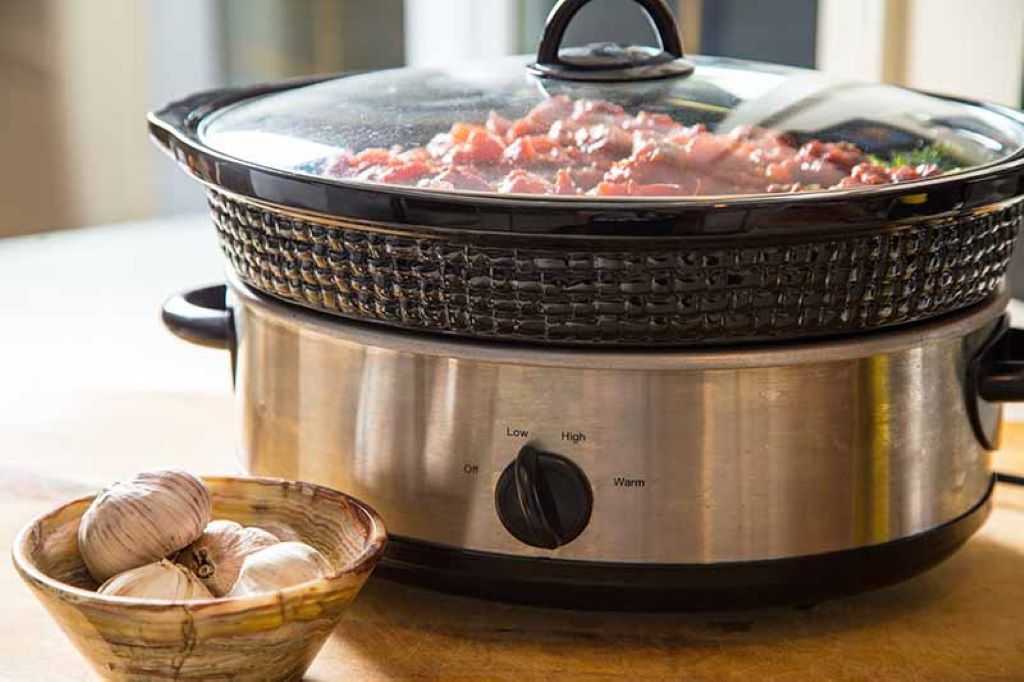
- Low Setting: Best for all-day cooking (6–8 hours). Ideal for tough cuts of meat and root vegetables.
- High Setting: Use for shorter cook times (3–4 hours). Great for soups, chili, or when you’re short on time.
Top Slow Cooker Recipes to Try
1. Classic Beef Stew
A timeless favorite, beef stew is perfect for chilly days. Brown beef cubes, then add potatoes, carrots, onions, garlic, beef broth, and herbs. Cook on low for 8 hours for melt-in-your-mouth tenderness.
2. Pulled Pork
Rub pork shoulder with your favorite spices, add a splash of apple cider vinegar and barbecue sauce, and cook on low for 8–10 hours. Shred and serve on buns for an easy crowd-pleaser.
3. Chicken and Dumplings
Combine chicken thighs, carrots, celery, onions, and chicken broth. Cook on low for 6 hours, then add dumplings and cook for another 30 minutes.
4. Vegetarian Chili
Mix beans, tomatoes, corn, bell peppers, and spices. Cook on low for 6–8 hours for a hearty, meat-free meal.
5. Oatmeal or Yogurt
Yes, you can even make breakfast! Steel-cut oats with milk, cinnamon, and fruit cook overnight for a warm morning treat. Or, use your slow cooker to make creamy homemade yogurt.
Safety Tips for Slow Cooking
Slow cookers are generally very safe, but following a few guidelines ensures worry-free cooking:
- Thaw First: Always thaw frozen meat before adding it to the slow cooker to avoid uneven cooking and potential food safety issues.
- Keep It Clean: Wash the insert and lid after each use to prevent bacteria buildup.
- Don’t Overfill: As mentioned earlier, filling more than two-thirds full can cause spills and uneven cooking.
- Use a Thermometer: For large cuts of meat, use a food thermometer to ensure they reach a safe internal temperature.
Personal Experience: My Slow Cooker Journey
I used to think slow cookers were just for busy parents or people who loved potlucks. But after receiving one as a gift, I decided to give it a try. My first experiment was a simple chicken and vegetable soup. I was amazed at how the flavors melded together, and the chicken was so tender it fell apart with a fork.
Now, I use my slow cooker at least once a week. It’s perfect for meal prepping, and I love how it frees up my oven and stovetop for other dishes. One of my favorite recipes is a honey garlic chicken—just a few ingredients, a few hours, and dinner is ready.
FAQs
How long can I leave food in a slow cooker on warm?
Most slow cookers can safely keep food warm for 2–4 hours after cooking. However, it’s best to transfer leftovers to the fridge if you won’t be eating them soon.
Can I put frozen meat in a slow cooker?
No, always thaw meat before adding it to the slow cooker. Frozen meat can stay in the “danger zone” (between 40°F and 140°F) too long, increasing the risk of foodborne illness.
What’s the difference between a slow cooker and a crock pot?
“Crock-Pot” is actually a brand name, but it’s often used interchangeably with “slow cooker.” Both work the same way, though some Crock-Pot models offer additional features like programmable settings.
Can I cook rice in a slow cooker?
Yes! Use a 2:1 ratio of liquid to rice and cook on low for 2–3 hours. Stir once or twice during cooking for the best results.
Is it safe to leave a slow cooker on while I’m at work?
Yes, slow cookers are designed to be left unattended. Just make sure your model has a secure lid and is placed on a stable, heat-resistant surface.
Conclusion
A slow cooker is more than just a kitchen appliance—it’s a tool for creating delicious, home-cooked meals with minimal effort. Whether you’re a busy parent, a meal prep enthusiast, or just someone who loves good food, a slow cooker can transform the way you cook.
Ready to get started? Try one of the recipes above or share your favorite slow cooker tips in the comments. And if you found this guide helpful, don’t forget to share it with friends and family!
Featured Image Source