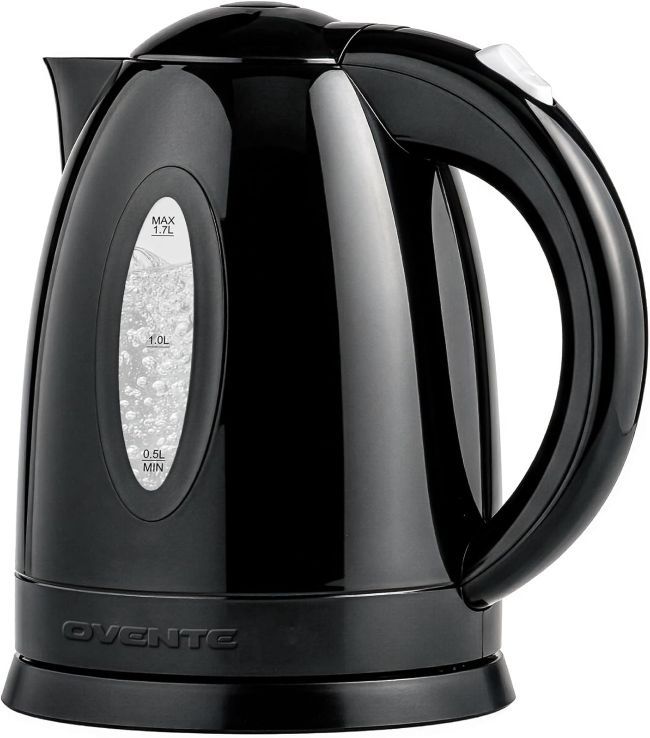
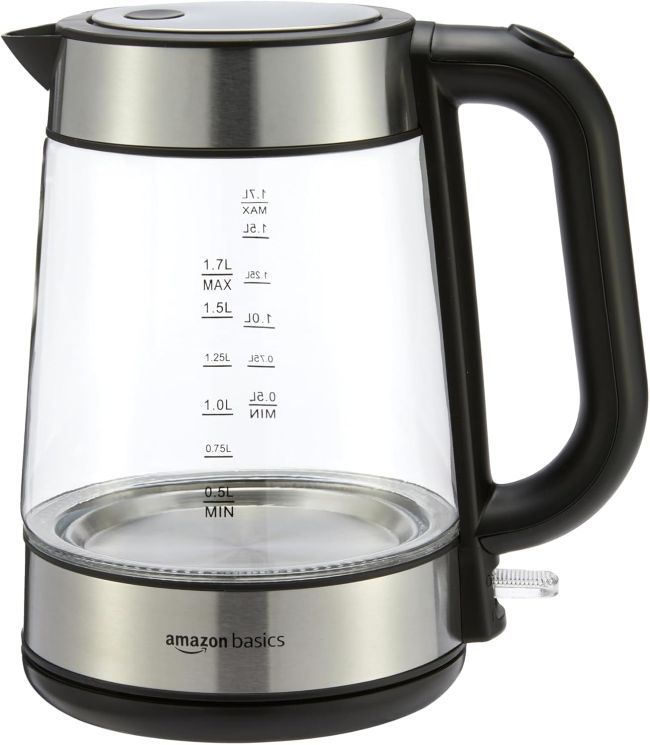
How to Choose the Best Electric Kettle for Fast, Safe, and Efficient Boiling

Best Smart Air Fryer Oven in California: Top Picks for 2026
April 9, 2026
How to Use a Slow Cooker for Easy, Flavorful, and Time-Saving Meals
April 15, 2026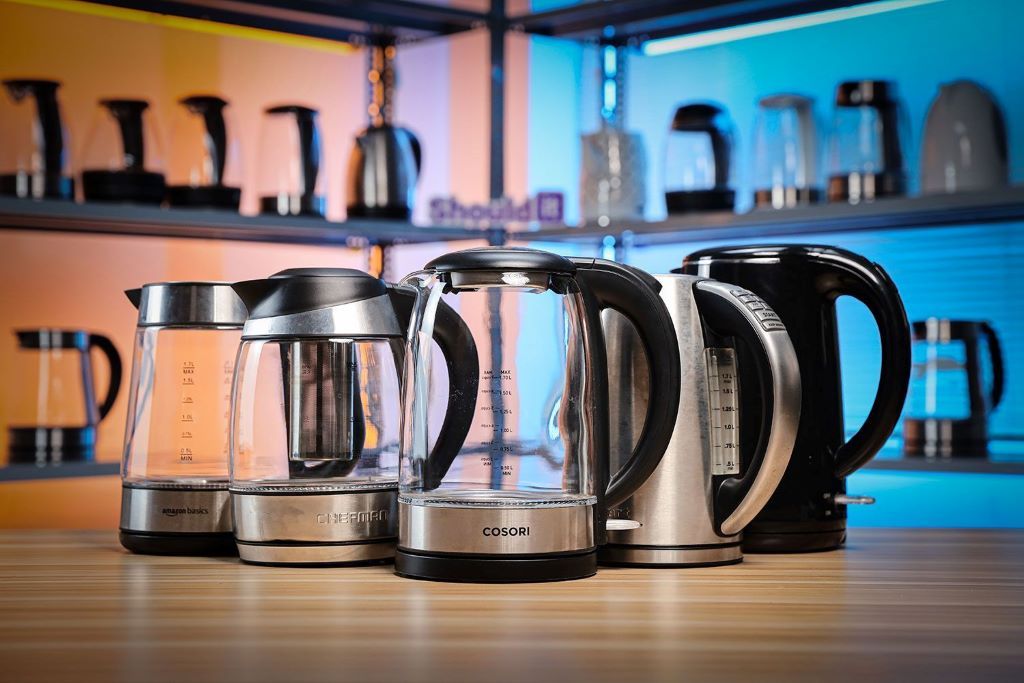
Mornings can feel rushed. You need hot water fast, whether for tea, coffee, oatmeal, or a quick cup of instant noodles. A good kettle makes all the difference. However, walking into a store or browsing online can be confusing. There are so many options, so many features, and so many price points. Therefore, making the right choice becomes harder than it should be.
I remember buying my first electric kettle years ago. I picked the cheapest one available without doing any research. Within six months, it stopped working. The base corroded, and the lid would not stay shut. That experience taught me to look beyond the price tag. Since then, I have tested multiple kettles and learned exactly what to look for.
This guide will walk you through everything. You will learn which features matter most and which ones are just marketing. Whether you are a daily tea drinker or a coffee enthusiast, this article will help you make a smart choice. The right Electric Kettle can save you time, money, and frustration for years to come.
Why Your Choice of Electric Kettle Matters More Than You Think
Many people treat a kettle as a simple appliance. However, a kettle is something you use every single day. That makes it one of the most important small appliances in your kitchen. A poor choice can waste electricity, slow down your mornings, and even pose safety risks.
According to the U.S. Energy Information Administration, small kitchen appliances account for a significant portion of daily household electricity use. An inefficient kettle can quietly raise your electricity bill over time. Additionally, a kettle that takes too long to boil or overheats without shutting off can become a safety hazard.
Speed matters, too. A quality electric kettle can boil water in two to three minutes. A poor one can take five minutes or more. Over the course of a year, that adds up to hours of waiting.
Beyond speed, the materials used in the kettle affect the taste of your water. Cheap plastics can leach chemicals into hot water. This not only changes the flavor but can also affect your health over time. Therefore, understanding the key features before buying is essential.
There are several reasons why your kettle choice matters:
- It affects your daily routine and time
- It influences your electricity costs
- It impacts the taste and safety of your drinking water
- It determines how long the appliance lasts
A well-chosen kettle is a small investment that pays off quickly.
Key Features to Look For in an Electric Kettle
Not all features are created equal. Some are truly useful, and others are just selling points. Knowing the difference helps you avoid overpaying or buying something that does not meet your needs.
Wattage is one of the most important specs. A kettle with 1500 to 1800 watts will boil water faster than one with 1000 watts. Higher wattage means more power and quicker results. However, if your home has older wiring, check that your outlets can handle the load.
Capacity is another key factor. Most kettles range from 0.5 liters to 1.7 liters. If you live alone or make one cup at a time, a smaller kettle is more efficient. Families or offices should look for a 1.5-liter or larger option.
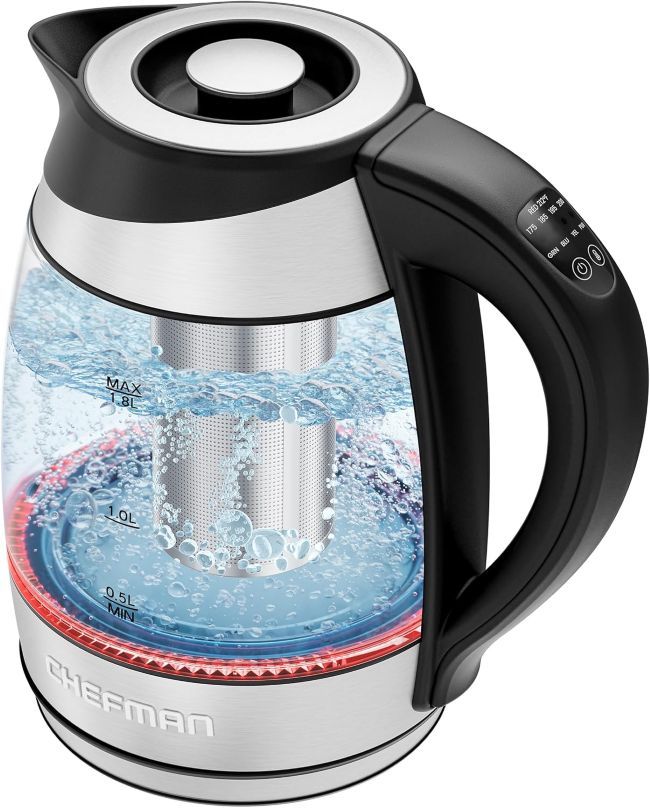
Temperature control is a feature worth having, especially if you drink green tea or pour-over coffee. Both require water that is cooler than boiling. Green tea, for example, tastes best brewed at around 160 to 175 degrees Fahrenheit. Therefore, a kettle with adjustable temperature settings adds real value.
Additional features to consider include:
- Auto shut-off for safety when water reaches boiling point
- Boil-dry protection to prevent damage if the kettle is empty
- Keep-warm function to maintain temperature for 20 to 30 minutes
- A 360-degree swivel base for easy lifting from either hand
- A wide enough spout to reduce splashing when pouring
These features can make your daily use more convenient and safer.
Materials Matter: Stainless Steel vs. Glass vs. Plastic
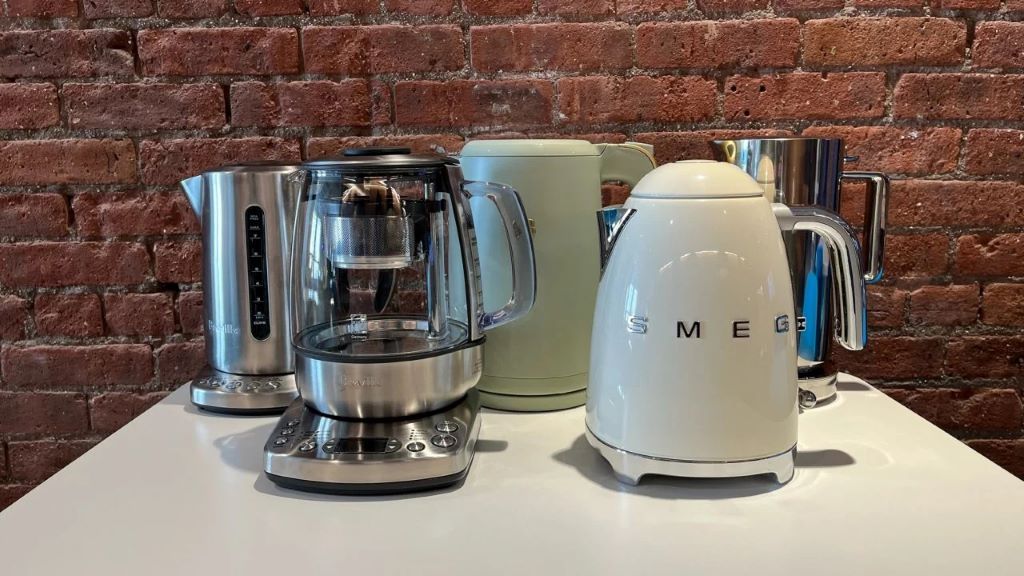
The material of your kettle affects durability, taste, and safety. This is one area where spending a little more makes a noticeable difference.
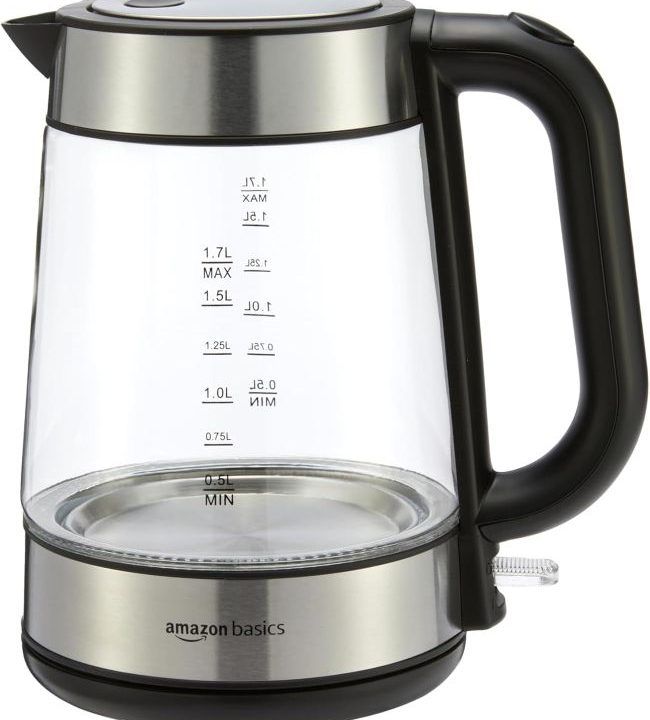
Stainless steel is the most popular choice. It is durable, does not absorb odors, and does not affect the taste of water. Food-grade stainless steel, specifically 304-grade, is safe for hot liquids. Many professionals and home users prefer it for this reason. Additionally, stainless steel is easy to clean and resists rust when properly maintained.
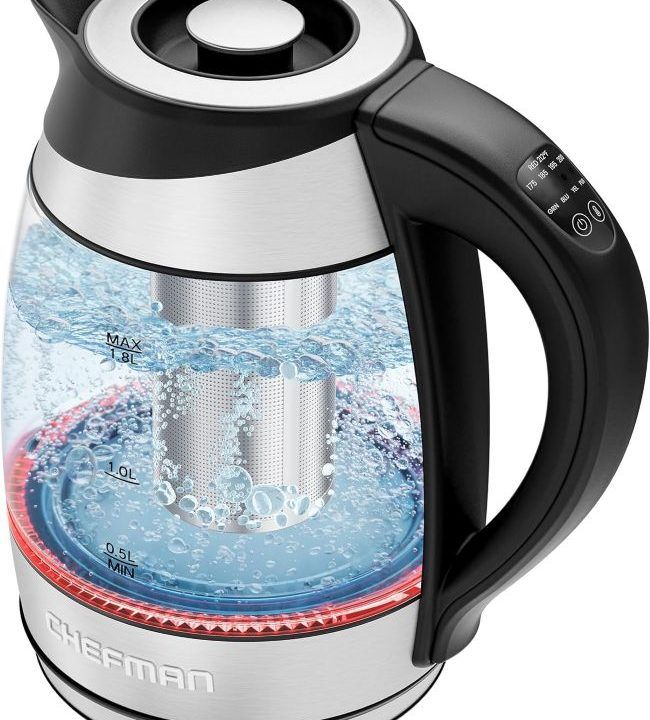
Glass kettles are beautiful and practical. They let you see the water level and the boiling process clearly. However, glass can be fragile. Dropping it even once may crack or shatter it. Some glass kettles also have plastic inner parts, so check the design carefully before buying.
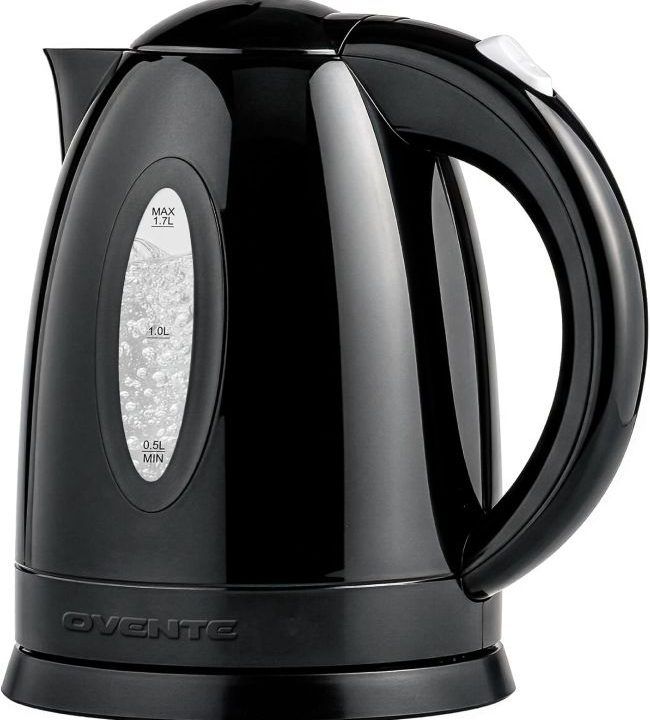
Plastic kettles are lightweight and affordable. However, not all plastics are safe at high temperatures. Look for kettles made with BPA-free plastic if you choose this material. Even then, some users report a slight plastic taste in the water, especially when the kettle is new.
According to the National Sanitation Foundation (NSF), materials that come into contact with food and beverages should meet specific safety standards. Always check for NSF certification or similar food-safe ratings when buying a kettle.
Here is a quick comparison:
- Stainless steel: Durable, taste-neutral, long-lasting
- Glass: Stylish, see-through, but fragile
- Plastic: Affordable and light, but check for BPA-free label
For most people, stainless steel offers the best balance of safety, performance, and value.
Safety Features You Should Never Ignore
Safety should always come first, especially with a device that handles boiling water. Fortunately, most modern kettles come with built-in safety features. However, not all of them are equally reliable.
Auto shut-off is the most essential safety feature. When the water reaches boiling point, the kettle should turn itself off automatically. This prevents the water from evaporating completely and protects the heating element from damage. Always test this feature or read reviews to confirm it works consistently.
Boil-dry protection is closely related. If someone accidentally turns the kettle on without water inside, this feature prevents the heating element from burning out. It is a small feature, but it extends the life of the appliance significantly.
A cool-touch exterior is another important safety feature. Standard kettles can become extremely hot on the outside during boiling. This is dangerous around children. Kettles with double-wall insulation stay cool to the touch, which reduces the risk of burns.
Look for these safety features when shopping:
- Reliable auto shut-off with consistent triggering
- Boil-dry protection for heating element safety
- Cool-touch or double-wall exterior
- Locking lid to prevent spills
- Cordless design with a stable base
According to the Consumer Product Safety Commission (CPSC), burns from hot liquids are among the most common kitchen-related injuries. Therefore, choosing a kettle with strong safety features is not optional. It is essential.
How to Match the Kettle to Your Lifestyle
The best kettle for one person may not be the best for another. Your lifestyle, habits, and household size all play a role in determining which kettle is right for you.
If you drink tea every morning, a kettle with temperature control is a smart choice. Different teas need different water temperatures. White tea brews best at 160 degrees Fahrenheit, while black tea needs a full boil. Having precise control means better-tasting tea every single time.
Coffee drinkers, especially those who use pour-over or French press methods, also benefit from temperature control. Most baristas recommend water between 195 and 205 degrees Fahrenheit for optimal coffee extraction. A gooseneck-style spout also helps with slow, precise pouring for better flavor.
For families or busy households, a large-capacity kettle of 1.5 liters or more is the practical choice. You can boil enough water for multiple cups at once. This saves time during busy mornings.
Here is a simple guide based on lifestyle:
- Solo tea drinker: 1-liter kettle with temperature control
- Coffee enthusiast: Gooseneck kettle with precise temperature settings
- Family household: 1.5 to 1.7-liter stainless steel kettle
- Office use: Large-capacity kettle with keep-warm function
- Frequent traveler: Compact, dual-voltage kettle
Matching the kettle to your actual habits means you will use it more and get more value from it.
Frequently Asked Questions
What wattage is best for an electric kettle?
A kettle with 1500 to 1800 watts is ideal for most homes. Higher wattage means faster boiling. A 1500-watt kettle typically boils one liter of water in around three minutes. If speed is a priority, choose the higher end of this range.
Is stainless steel safer than plastic for electric kettles?
Yes, food-grade stainless steel is generally safer than plastic. It does not leach chemicals into hot water and does not affect taste. If you prefer plastic, make sure it is BPA-free and designed specifically for high-temperature use.
How long does an electric kettle usually last?
A good-quality electric kettle lasts three to five years with regular use and proper maintenance. Descaling the kettle every one to two months helps extend its life by preventing mineral buildup on the heating element.
Can I use an electric kettle for things other than boiling water?
Yes, you can use it for instant noodles, oatmeal, hot cocoa, baby formula, and more. However, always use it only for water-based liquids. Never add milk, soup, or other thick liquids directly into an electric kettle.
What is the difference between a gooseneck kettle and a standard kettle?
A gooseneck kettle has a long, narrow, curved spout that gives you precise control over the pour rate and direction. It is popular for pour-over coffee and tea brewing. A standard kettle pours faster but with less control. Choose based on how precise your brewing needs to be.
Conclusion
Choosing the right electric kettle does not have to be complicated. Once you know what to look for, the decision becomes much easier. Focus on wattage, material, capacity, and safety features first. Then consider extras like temperature control or a gooseneck spout based on your lifestyle.
A good kettle is a daily tool that improves your routine. It saves time, keeps you safe, and makes every cup taste better. Whether you are buying your first kettle or upgrading an old one, the tips in this guide will help you make a confident choice.
If this article helped you, please share it with a friend who is also searching for the right kettle. Have questions or personal experience with a specific model? Leave a comment below. Your input helps others make better decisions, and we would love to hear from you.
Featured Image Source