Why Won’t My Propane Torch Burner Stay Lit?

How to Troubleshoot a Ninja Kitchen System Not Blending
August 11, 2026
How to Refill and Fix a Sputtering Sondiko Butane Torch
August 11, 2026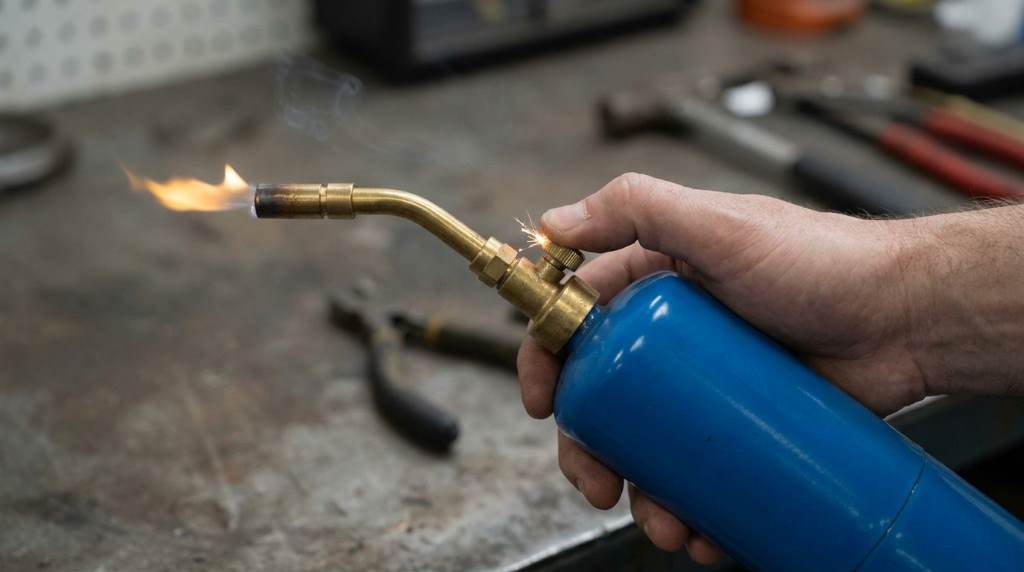
If your propane torch burner keeps going out, start with fuel flow, airflow, connection, and burner condition. A weak cylinder, blocked burner, excessive wind, or faulty safety control can interrupt the flame. Propane torch burners need steady gas flow and proper air mixing to maintain combustion. Propane vapor sits low because it is about 1.5 times heavier than air. In air, propane can ignite across roughly 2.1% to 9.5% concentration.
Why Your Propane Torch Burner Keeps Going Out
A torch needs three things to maintain a flame: fuel, oxygen, and reliable ignition. Therefore, any interruption in one part can make the flame shrink, flicker, or disappear.
Most problems come from simple causes rather than major component failures. However, repeated flame loss can signal a regulator, valve, or safety control problem that needs professional attention.
1. The Propane Supply May Be Too Low
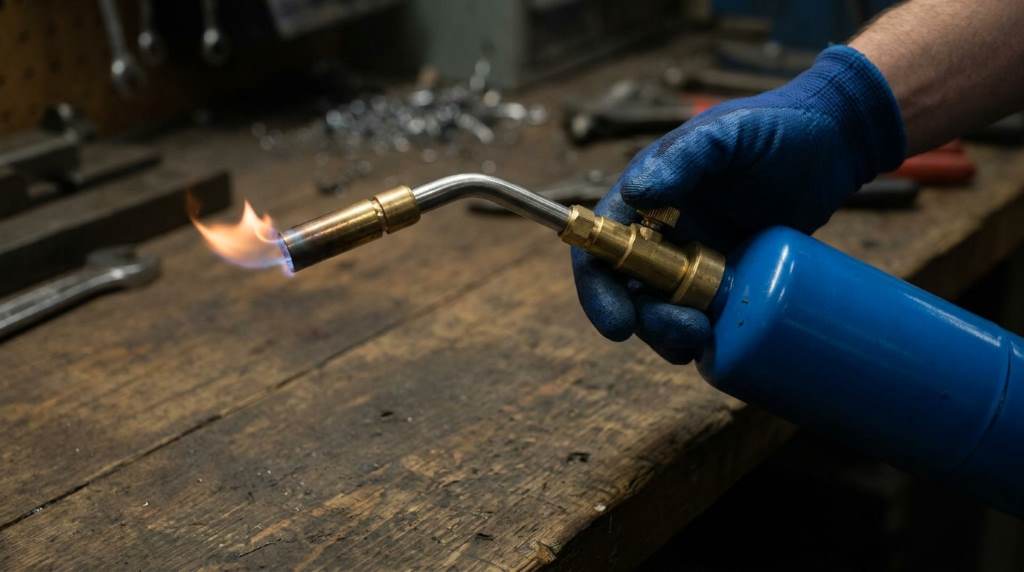
A nearly empty cylinder may still produce a flame, but the flame can become weak and unstable. As propane pressure changes, the burner may fail to maintain enough fuel flow for steady combustion.
First, confirm that the cylinder contains propane and remains upright during operation. If another approved cylinder works normally, the original cylinder may have caused the problem.
Cold conditions can also reduce vapor production and make the flame weaker. Therefore, avoid judging cylinder performance solely by how much liquid you think remains inside.
2. The Cylinder Valve May Not Open Properly
Your torch needs consistent propane flow from the cylinder through the connection and control valve. A partially opened valve can sometimes produce a weak flame that quickly disappears.
Follow the torch manufacturer’s lighting procedure exactly. Never force a valve, remove safety components, or alter the gas control system.
3. The Regulator May Restrict Gas Flow
Some propane torches use a regulator to control pressure before gas reaches the burner. A damaged, contaminated, or malfunctioning regulator can reduce flow and cause flame instability.
Look for obvious external damage around the regulator and hose assembly. If the torch repeatedly loses its flame after basic checks, have the gas system inspected professionally.
Do not attempt to adjust internal regulator components yourself. Incorrect pressure can create unsafe combustion, excessive flame size, or gas leakage.
4. The Burner Opening May Have Debris
Dirt, dust, insects, and residue can interfere with the small opening where propane exits. Even minor blockage can disturb the fuel and air mixture needed for stable combustion.
Turn off the propane supply and allow the torch to cool completely before inspecting it. Follow the manufacturer’s cleaning instructions instead of inserting wires or sharp objects.
Never enlarge the burner opening or drill into the nozzle. A modified opening can change gas flow and create a dangerous flame pattern.
5. Strong Wind May Blow Out the Flame
Outdoor torches can struggle when wind repeatedly disrupts the flame. Strong airflow can separate the flame from the burner and prevent stable combustion.
Move the torch to a suitable sheltered location that follows its operating instructions. Keep the burner away from combustible materials, enclosed spaces, and unstable surfaces.
Do not improvise a wind shield around the burner unless the manufacturer specifically permits one. Restricting airflow can create another combustion problem.
6. The Air Mixture May Be Incorrect
Many propane burners mix gas with air before combustion occurs. Too much or too little air can produce a flame that burns poorly or fails to remain established.
A flame that looks unusually yellow, noisy, weak, or irregular deserves attention. Such symptoms can indicate poor combustion, contamination, incorrect adjustment, or another equipment problem.
Use only the adjustments described in the manufacturer’s instructions. Never modify an air shutter or burner setting without clear equipment guidance.
7. The Ignition System May Be Weak
A torch can ignite successfully and still have an ignition system problem. Weak ignition components may fail to maintain reliable operation after the initial flame appears.
If your model uses electronic ignition, inspect the system for obvious damage and follow its troubleshooting instructions. Avoid repeatedly releasing propane while attempting ignition.
When ignition becomes difficult or inconsistent, stop using the torch until you identify the cause. A qualified technician can assess components that require internal service.
8. A Safety Control May Be Shutting Off Gas
Some propane appliances use safety controls that stop gas flow when operating conditions become unsafe. These systems can respond to flame loss, overheating, or other detected problems.
If your torch lights briefly and shuts off consistently, a safety control may be involved. Never bypass, tape down, disable, or remove that safety feature.
Instead, check the owner’s instructions for the specific behavior of your model. If the shutdown continues, professional inspection offers the safest next step.
9. The Hose or Connection May Have a Problem
A damaged hose or loose connection can interrupt fuel delivery and create a serious leak hazard. Therefore, inspect the connection area before attempting repeated ignition.
Look for cracks, visible damage, unusual wear, or a connection that does not seat correctly. Never operate a torch with damaged gas carrying components.
Do not tighten components beyond the manufacturer’s instructions. If you suspect a leak, stop using the torch immediately and follow propane emergency procedures.
What to Check Before Lighting the Torch Again
A short inspection can help separate ordinary operating problems from equipment failures. Work through these checks without disassembling the gas system.
- Confirm that the propane cylinder contains fuel.
- Keep the cylinder upright during operation.
- Check the hose and connections for visible damage.
- Confirm that the valve operates according to instructions.
- Inspect the burner opening for visible debris.
- Check whether wind affects the flame.
- Follow the manufacturer’s lighting sequence.
- Stop immediately if you smell propane.
These checks can identify obvious issues without exposing you to unnecessary risks. However, they cannot replace professional service for internal gas components.
How to Tell What the Flame Is Telling You
The flame itself often provides useful clues about torch performance. Therefore, observe its behavior without placing your hands near the burner.
| Flame behavior | Possible cause | Recommended response |
|---|---|---|
| Flame starts then disappears | Safety control or unstable fuel flow | Follow the manual and seek service if repeated |
| Small weak flame | Low fuel, restricted flow, or regulator issue | Check fuel and visible connections |
| Flame changes with wind | Excessive airflow | Use the torch only in an approved sheltered location |
| Yellow or irregular flame | Poor air mixture or burner contamination | Stop and follow manufacturer maintenance instructions |
| No ignition | Fuel, ignition, or connection problem | Stop repeated ignition attempts and inspect safely |
What to Do If You Smell Propane
Never troubleshoot a torch when you suspect an active propane leak. Propane can collect near the ground because its vapor weighs more than air.
Do not create flames or sparks near suspected leaking propane. Leave the area and contact your propane supplier, emergency responders, or another qualified professional.
If there is no immediate hazard, shut the cylinder valve according to safety instructions. Never use a torch again until a qualified professional determines that the system is safe.
How to Check for a Suspected Connection Leak
A soapy water test can help identify certain leaks around accessible connections. Only perform this test when the equipment manufacturer and propane safety guidance permit it.
Apply an appropriate leak detection solution around the connection area. Slowly open the cylinder valve and watch for growing bubbles.
Growing bubbles indicate escaping gas and require immediate attention. Close the valve when safe, avoid ignition sources, and contact a qualified propane professional.
Never use a flame to search for a propane leak. That method can ignite escaping gas and cause a fire or explosion.
Why You Should Not Keep Relighting a Failing Torch
Repeated ignition attempts can allow unburned propane to accumulate around the burner. That accumulation can create a sudden flare when ignition finally occurs.
Instead, follow the manufacturer’s shutdown and relighting procedure after every failed attempt. Give the equipment enough time to clear according to those instructions.
If the same failure happens repeatedly, stop troubleshooting and arrange professional inspection. Persistent flame loss usually deserves more attention than another ignition attempt.
Common Mistakes That Make the Problem Worse
Many torch problems become more difficult because users change several things at once. Consequently, identifying the original fault becomes harder.
- Do not bypass a flame safety device.
- Do not drill or enlarge a burner opening.
- Do not use damaged hoses or connectors.
- Do not test leaks with an open flame.
- Do not operate a leaking cylinder or torch.
- Do not store propane cylinders in enclosed areas.
- Do not modify regulator pressure without authorization.
- Do not ignore repeated flame failure.
Safe troubleshooting focuses on observation rather than modification. When a gas component needs repair, qualified service protects both equipment and people.
When You Should Stop Troubleshooting
Some symptoms clearly indicate that home troubleshooting has reached its limit. Stop using the torch if you smell propane, hear persistent hissing, or see damaged gas components.
Repeated flame loss also deserves professional attention when basic operating checks produce no improvement. Likewise, unusual flame color, soot, or overheating can indicate combustion problems.
A qualified professional can inspect the regulator, valve, burner, hose, and safety controls properly. That approach costs less than risking equipment damage or an uncontrolled gas release.
How to Prevent Future Flame Problems
Good maintenance starts before the torch develops symptoms. Keep the equipment clean, dry, protected from damage, and stored according to manufacturer instructions.
Inspect the cylinder, hose, connections, and burner area before regular use. Replace damaged components with approved parts instead of making temporary repairs.
Also, keep combustible materials away from the operating area. Use the torch only in locations approved by the manufacturer for adequate ventilation and safe operation.
Build a Simple Pre Use Routine
A consistent inspection takes little time and can prevent many avoidable problems. Before lighting, verify fuel, connections, equipment condition, and operating conditions.
- Check the cylinder condition.
- Confirm proper cylinder position.
- Inspect the hose and fittings.
- Look for visible burner blockage.
- Check the surrounding area.
- Review the manufacturer’s lighting procedure.
- Stop if anything looks damaged or unusual.
This routine helps you spot problems before ignition begins. More importantly, it prevents repeated attempts with equipment that may already need service.
Frequently Asked Questions
Why does my propane torch light but not stay lit?
The most common causes include restricted fuel flow, wind, burner blockage, safety controls, or a faulty regulator.
Can a low propane tank make a torch flame go out?
Yes, a low fuel supply can reduce available gas flow and produce an unstable flame.
Should I clean a clogged propane torch nozzle?
Follow the manufacturer’s cleaning instructions, but never drill, enlarge, or modify the burner opening.
Why does my torch flame turn yellow before going out?
A yellow flame can indicate poor air mixing, contamination, or another combustion problem that needs attention.
Is it safe to keep relighting a propane torch?
No, repeated ignition attempts can allow unburned propane to accumulate and create a dangerous flare.
Final Takeaway
A propane torch burner that will not stay lit usually has a fuel flow, airflow, burner, connection, wind, or safety control issue. Start with safe external checks, follow the manufacturer’s instructions, and avoid modifying gas components.
Most importantly, stop immediately when you smell propane, hear unexpected hissing, or notice damaged equipment. If basic checks do not solve repeated flame failure, contact a qualified professional instead of continuing to relight the torch.
Use this troubleshooting checklist before your next torch session, and treat persistent flame problems as a service issue rather than something to force into working.