How to Choose the Best Ventilation Hood for a Smoke-Free Kitchen

How to Choose the Best Blenders for Smoothies and Healthy Drinks
April 20, 2026
How to Choose the Right Induction Cooktop for Efficient Cooking
April 20, 2026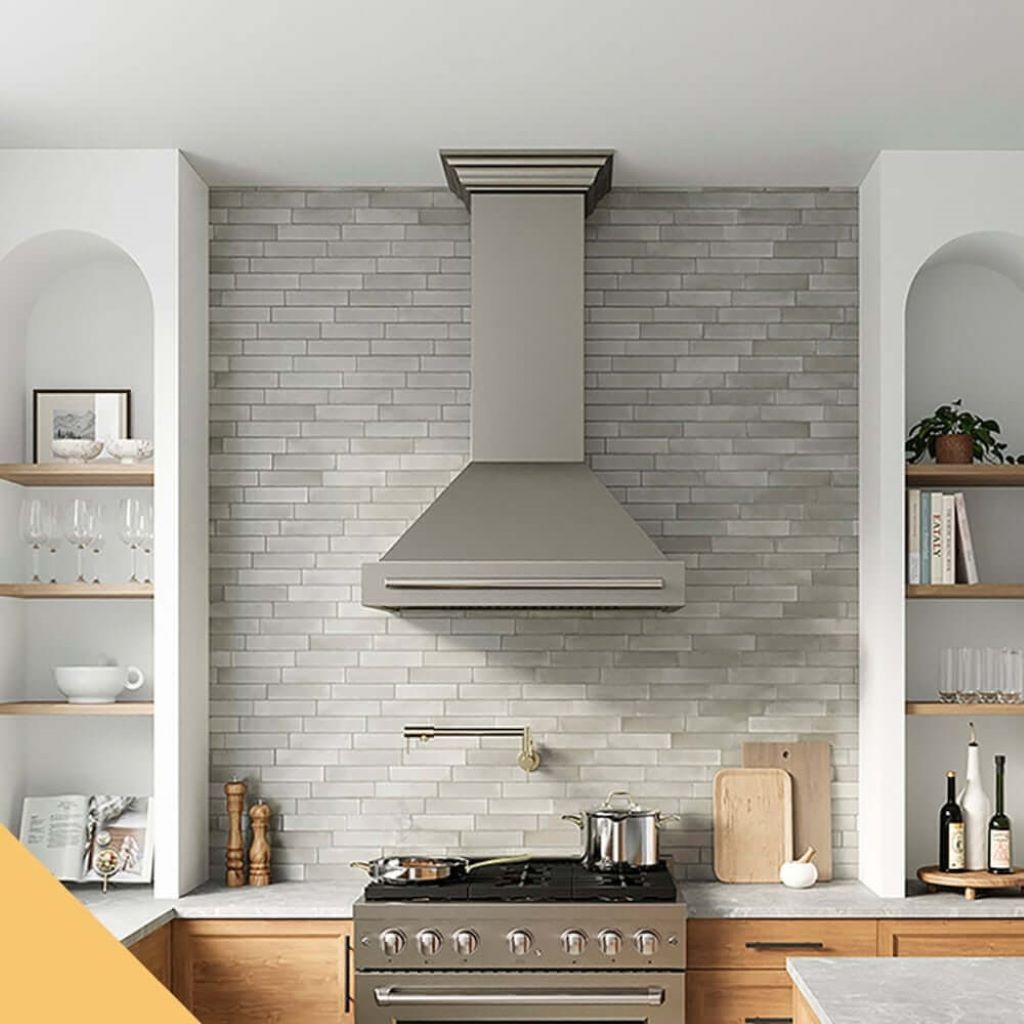
Cooking is one of life’s great joys, but nobody enjoys a kitchen filled with smoke, steam, and lingering odors. A high-quality ventilation hood is essential for keeping your kitchen clean, comfortable, and free from unwanted smells and grease. Whether you’re searing steaks, stir-frying vegetables, or baking bread, the right hood ensures that smoke, steam, and cooking fumes are efficiently removed, leaving your kitchen fresh and your air clean.
I remember the first time I cooked a large meal without a proper ventilation hood. The smoke alarm went off, the kitchen filled with a thick haze, and the smell lingered for hours. After installing a powerful ventilation hood designed for heavy-duty cooking, my kitchen stayed smoke-free and odorless, no matter what I prepared. If you’re ready to upgrade your kitchen’s air quality, exploring the best ventilation hood options is a great place to start.
Why a Ventilation Hood Is Essential for a Smoke-Free Kitchen
A ventilation hood, also known as a range hood, is designed to remove smoke, steam, grease, and cooking odors from your kitchen. It works by capturing airborne particles and fumes, then either filtering and recirculating the air or venting it outside. According to the Environmental Protection Agency (EPA), indoor air can be two to five times more polluted than outdoor air, and cooking is a major contributor to indoor air pollution. A good ventilation hood helps reduce this pollution, improving air quality and making your kitchen a healthier place to cook and gather.
Beyond air quality, a ventilation hood also protects your kitchen surfaces and cabinets from grease buildup, which can be difficult to clean and may even pose a fire hazard. Additionally, a hood reduces heat and humidity, making your kitchen more comfortable while cooking. Whether you’re a casual cook or a serious home chef, a ventilation hood is a must-have for maintaining a clean, safe, and enjoyable kitchen environment.
Types of Ventilation Hoods
1. Ducted Ventilation Hoods
Ducted ventilation hoods, also known as vented hoods, are connected to a duct system that expels air outside your home. These hoods are highly effective at removing smoke, steam, and odors, making them ideal for heavy cooking and professional-style kitchens. Ducted hoods require proper installation and venting but offer superior performance compared to ductless models.
Pros:
- Highly effective at removing smoke, steam, and odors
- Ideal for heavy cooking and professional kitchens
- Improves overall air quality by venting pollutants outside
Cons:
- Requires professional installation and ductwork
- More expensive than ductless models
- Not suitable for all kitchen layouts
2. Ductless Ventilation Hoods
Ductless ventilation hoods use filters to capture grease, smoke, and odors, then recirculate the cleaned air back into the kitchen. These hoods are easier to install and more affordable than ducted models, making them a popular choice for renters or kitchens without existing ductwork. However, they are less effective at removing heat and humidity.
Pros:
- Easy to install and affordable
- No ductwork required, making them versatile for any kitchen
- Low maintenance and simple to use
Cons:
- Less effective at removing heat and humidity
- Requires regular filter replacements
- May not handle heavy cooking fumes as well as ducted hoods
3. Under-Cabinet Ventilation Hoods
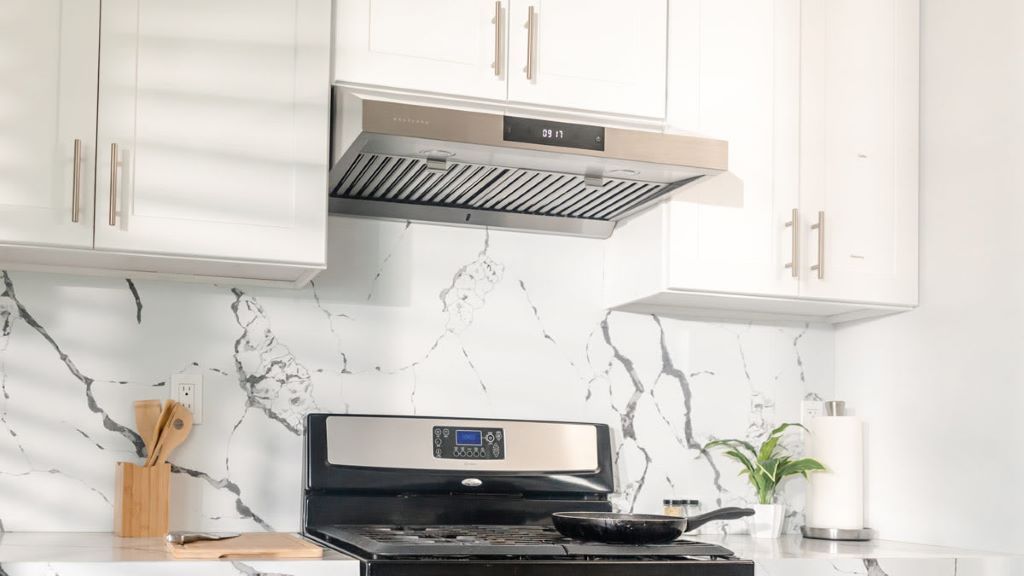
Under-cabinet ventilation hoods are installed beneath a cabinet or shelf, directly above the cooktop. They are a space-saving option that works well in most kitchen layouts. Under-cabinet hoods come in both ducted and ductless models, offering flexibility depending on your kitchen’s setup and ventilation needs.
Pros:
- Space-saving and fits seamlessly into most kitchens
- Available in both ducted and ductless options
- Affordable and easy to install
Cons:
- Limited power compared to larger, professional-style hoods
- May not cover larger cooktops effectively
4. Island Ventilation Hoods
Island ventilation hoods are designed for kitchens with a cooktop located on an island or peninsula. These hoods are suspended from the ceiling and provide powerful ventilation for open kitchen layouts. Island hoods are available in a variety of styles and finishes, making them both functional and aesthetically pleasing.
Pros:
- Provides powerful ventilation for island cooktops
- Available in stylish designs to complement kitchen decor
- Effective at removing smoke and odors from open spaces
Cons:
- Requires professional installation and ductwork
- More expensive than under-cabinet or wall-mounted hoods
5. Wall-Mounted Ventilation Hoods
Wall-mounted ventilation hoods are installed against a wall, directly above the cooktop. They are a popular choice for their powerful ventilation and sleek design. Wall-mounted hoods are available in both ducted and ductless models and are ideal for kitchens with a traditional layout.
Pros:
- Powerful ventilation for heavy cooking
- Sleek and modern design options
- Suitable for most kitchen layouts
Cons:
- Requires proper installation and venting
- Can be more expensive than under-cabinet models
6. Downdraft Ventilation Hoods
Downdraft ventilation hoods are installed directly into the cooktop or countertop and pull air downward, away from the cooking surface. These hoods are ideal for kitchens with limited overhead space or for those who prefer a minimalist design. Downdraft hoods are less common but offer a unique solution for specific kitchen layouts.
Pros:
- Space-saving and minimalist design
- Ideal for kitchens with limited overhead space
- Effective at capturing smoke and odors at the source
Cons:
- Less powerful than overhead hoods
- Requires professional installation and ductwork
- Limited availability and higher cost
7. Professional-Grade Ventilation Hoods
Professional-grade ventilation hoods are designed for commercial kitchens or serious home chefs who demand the highest level of performance. These hoods feature powerful motors, high-quality filters, and durable construction to handle heavy cooking and high heat. Professional-grade hoods are typically larger and more expensive but offer unmatched ventilation and durability.
Pros:
- Extremely powerful for heavy cooking and high heat
- Durable and long-lasting
- Suitable for commercial kitchens or serious home chefs
Cons:
- Expensive and overkill for casual home use
- Requires professional installation and ductwork
Key Features to Consider When Choosing a Ventilation Hood
Ventilation Power (CFM)
The ventilation power of a hood is measured in cubic feet per minute (CFM), which indicates how much air the hood can move. Higher CFM ratings mean more powerful ventilation, which is essential for removing smoke, steam, and odors effectively. For most home kitchens, a hood with a CFM rating between 200 and 600 is sufficient. However, for professional-style cooking or larger kitchens, a hood with a CFM rating of 600 or higher is recommended.
Noise Level
Ventilation hoods can be noisy, especially at higher speeds. Look for models with sound-dampening features or quieter motors to reduce noise levels. Some hoods include variable speed settings, allowing you to adjust the fan speed based on your cooking needs. A quieter hood makes for a more pleasant cooking experience, especially in open-concept kitchens or small spaces.
Filter Type
The type of filter in your ventilation hood affects its performance and maintenance requirements. Common filter types include:
- Mesh Filters: Made from aluminum or stainless steel, mesh filters are durable and easy to clean. They are effective at capturing grease but require regular washing to maintain performance.
- Charcoal Filters: Used in ductless hoods, charcoal filters absorb odors and smoke but need to be replaced every few months.
- Baffle Filters: Made from stainless steel, baffle filters are highly effective at capturing grease and are easy to clean. They are a popular choice for professional-grade hoods.
Choose a filter type that matches your cooking habits and maintenance preferences.
Size and Coverage
The size of your ventilation hood should match the size of your cooktop to ensure effective capture of smoke and fumes. A hood that is too small may not cover the entire cooking surface, while a hood that is too large can be overwhelming and unnecessary. Measure your cooktop and choose a hood that extends at least as wide as your burners or cooking surface.
Ducted vs. Ductless
Decide whether a ducted or ductless ventilation hood is best for your kitchen. Ducted hoods are more effective at removing pollutants but require professional installation and ductwork. Ductless hoods are easier to install and more affordable but are less effective at removing heat and humidity. Consider your kitchen layout, cooking habits, and budget when choosing between ducted and ductless models.
Lighting
Many ventilation hoods include built-in lighting to illuminate your cooktop, making it easier to see while cooking. Look for hoods with LED or halogen lights, which provide bright, energy-efficient lighting. Adjustable lighting options allow you to customize the brightness based on your needs.
Ease of Use and Maintenance
A user-friendly ventilation hood simplifies your cooking routine. Look for models with intuitive controls, easy-to-clean filters, and removable parts for hassle-free maintenance. Some hoods feature dishwasher-safe filters or self-cleaning functions to reduce upkeep.
Design and Aesthetics
The design of your ventilation hood should complement your kitchen’s style and decor. Ventilation hoods come in a variety of finishes, including stainless steel, black, white, and custom colors. Choose a design that matches your kitchen’s aesthetic while providing the performance you need.
Energy Efficiency
Energy-efficient ventilation hoods help reduce electricity usage and lower utility costs. Look for models with Energy Star certification or features like variable speed settings and automatic shut-off. An energy-efficient hood is not only better for the environment but also for your wallet.
Installation Requirements
Consider the installation requirements of your ventilation hood, especially if you’re choosing a ducted model. Ducted hoods require proper venting and may need professional installation to ensure optimal performance. Ductless hoods are easier to install but require regular filter replacements. Always follow the manufacturer’s guidelines for installation and maintenance.
How to Choose the Right Ventilation Hood for Your Kitchen
Assess Your Cooking Habits
Consider the types of meals you prepare most often and the amount of smoke, steam, and odors they produce. If you frequently cook with high heat or fry foods, a powerful ducted hood with a high CFM rating is essential. For lighter cooking, a ductless or under-cabinet hood may be sufficient. Match the hood’s ventilation power to your cooking habits for the best results.
Consider Your Kitchen Layout
The layout of your kitchen will influence the type of ventilation hood you choose. For cooktops located against a wall, a wall-mounted or under-cabinet hood is ideal. For island cooktops, an island hood is necessary. If your kitchen has limited overhead space, a downdraft hood may be the best option. Measure your space and choose a hood that fits seamlessly into your kitchen’s design.
Match the Hood to Your Cooktop Size
The size of your ventilation hood should match the size of your cooktop to ensure effective ventilation. A hood that is too small may not capture all the smoke and fumes, while a hood that is too large can be unnecessary and overwhelming. Measure your cooktop and choose a hood that covers the entire cooking surface.
Test for Noise Levels
Ventilation hoods can be noisy, especially at higher speeds. If noise is a concern, look for models with sound-dampening features or quieter motors. Variable speed settings allow you to adjust the fan speed based on your cooking needs, reducing noise when full power isn’t required.
Prioritize Quality and Durability
Investing in a high-quality ventilation hood ensures better performance, durability, and longevity. Look for hoods made from sturdy materials like stainless steel, with powerful motors and effective filters. While quality hoods may come with a higher price tag, they often last longer and perform better, making them a worthwhile investment for your kitchen.
Consider Your Budget
Ventilation hoods are available at a wide range of price points. Determine your budget and look for the best features within that range. While high-end hoods offer advanced performance and durability, there are also many affordable options that provide excellent ventilation and air quality.
Common Mistakes to Avoid When Choosing a Ventilation Hood
- Choosing Based on Looks Alone: While aesthetics matter, prioritize performance features like CFM rating, filter type, and noise level.
- Ignoring CFM Rating: A hood with insufficient ventilation power won’t effectively remove smoke and odors. Always choose a hood with a CFM rating that matches your cooking needs.
- Skipping Professional Installation: Ducted hoods require proper installation and venting to perform optimally. Improper installation can lead to poor ventilation and even fire hazards.
- Overlooking Filter Maintenance: Regular filter cleaning or replacement is essential for maintaining your hood’s performance. Neglecting filter maintenance can reduce efficiency and air quality.
- Not Considering Kitchen Layout: A hood that doesn’t fit your kitchen’s layout or cooktop size won’t perform effectively. Always measure your space and choose a hood that matches your kitchen’s design and ventilation needs.
FAQs
What is the best type of ventilation hood for a home kitchen?
For most home kitchens, a ducted wall-mounted or under-cabinet ventilation hood with a CFM rating between 200 and 600 is ideal. These hoods offer powerful ventilation, effective smoke and odor removal, and a sleek design that fits seamlessly into most kitchen layouts.
Can I install a ductless ventilation hood in a kitchen without existing ductwork?
Yes, ductless ventilation hoods are designed for kitchens without existing ductwork. They use filters to capture grease, smoke, and odors, then recirculate the cleaned air back into the kitchen. However, ductless hoods are less effective at removing heat and humidity compared to ducted models.
How often should I clean or replace the filters in my ventilation hood?
The frequency of cleaning or replacing your hood’s filters depends on the type of filter and your cooking habits. Mesh and baffle filters should be cleaned every 1 to 3 months, while charcoal filters in ductless hoods need to be replaced every 3 to 6 months. Regular maintenance ensures optimal performance and air quality.
What is the difference between a ducted and ductless ventilation hood?
Ducted ventilation hoods expel air outside through a duct system, making them highly effective at removing smoke, steam, and odors. Ductless hoods use filters to clean the air and recirculate it back into the kitchen. Ducted hoods require professional installation and ductwork, while ductless hoods are easier to install but less effective at removing heat and humidity.
Are professional-grade ventilation hoods worth the investment for home use?
Professional-grade ventilation hoods are worth the investment if you cook frequently with high heat or produce a lot of smoke and steam. These hoods offer powerful ventilation, durable construction, and advanced features that improve air quality and cooking comfort. However, for casual home use, a mid-range hood with a CFM rating of 400 to 600 is often sufficient.
Conclusion
Choosing the best ventilation hood for your kitchen is essential for maintaining a smoke-free, comfortable, and healthy cooking environment. By considering factors like ventilation power, filter type, size, and installation requirements, you can find a hood that matches your cooking habits and kitchen layout.
Investing in a quality ventilation hood ensures that your kitchen stays fresh, clean, and free from unwanted odors and grease. Take the time to research, measure, and choose a hood that will enhance your cooking experience and improve your kitchen’s air quality.
Have you found a ventilation hood that transformed your kitchen? Share your favorite models or tips in the comments below! And if you found this guide helpful, don’t forget to share it with your fellow home cooks and kitchen enthusiasts.