How to Choose the Best Microwave Oven for Your Kitchen Needs
The truth behind three kitchen refurbishment myths
April 17, 2026
How to Choose the Best Barbeque Grill for Outdoor Cooking
April 20, 2026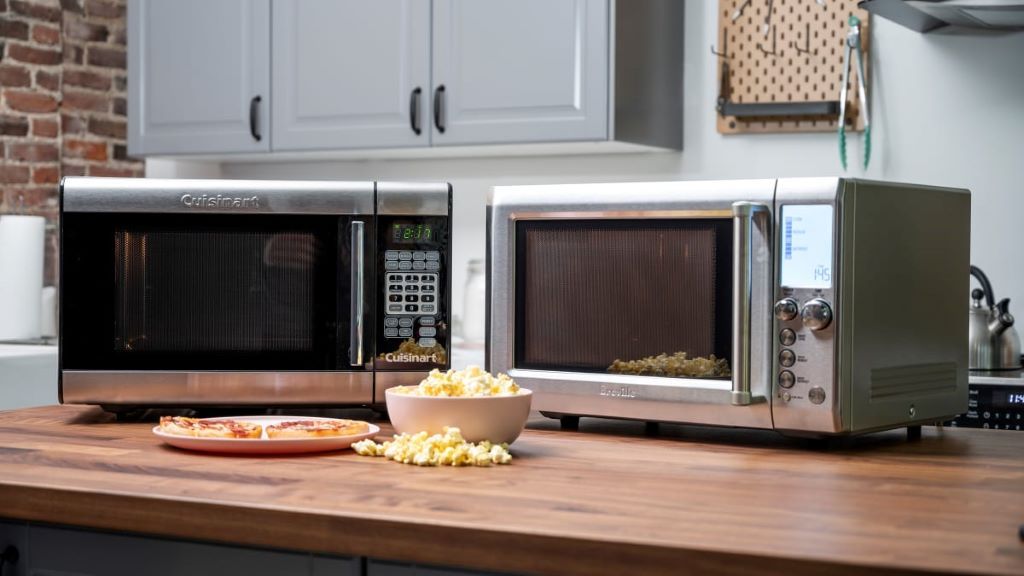
The microwave oven is one of the most versatile and essential appliances in any modern kitchen. Whether you’re reheating leftovers, defrosting frozen meals, or cooking a quick dinner, a good microwave saves time and makes meal prep easier. But with so many options on the market, choosing the right one can feel overwhelming.
From compact countertop models to high-end convection microwaves, the choices seem endless. The right microwave should fit your kitchen space, match your cooking habits, and offer the features you need—without breaking the bank. Whether you’re a busy parent, a meal-prep enthusiast, or a minimalist cook, understanding what to look for will help you make the best decision.
If you’re searching for the best microwave oven to fit your lifestyle, this guide will walk you through everything you need to know.
Why a Good Microwave Matters
A microwave oven is more than just a tool for reheating food. It’s a time-saver, a space-saver, and a versatile cooking appliance. According to a 2023 report by the National Kitchen and Bath Association, over 90% of households in the U.S. use a microwave daily, making it one of the most frequently used kitchen appliances.
A good microwave can:
- Save time: Microwaves cook food faster than conventional ovens, making them ideal for busy schedules.
- Improve convenience: Features like one-touch buttons, sensor cooking, and defrost settings simplify meal prep.
- Enhance cooking versatility: Modern microwaves can grill, bake, and even air fry, expanding their use beyond just reheating.
- Save energy: Microwaves use less energy than traditional ovens, making them an eco-friendly choice for small meals.
I remember my first microwave—a basic, no-frills model that barely reheated food evenly. After upgrading to a microwave with sensor cooking and convection features, my meals became faster, more even, and more enjoyable. The right microwave transformed how I cooked and saved me hours in the kitchen.
Types of Microwave Ovens
1. Countertop Microwaves
Countertop microwaves are the most common and affordable type. They’re portable, easy to install, and come in a range of sizes and power levels. These microwaves are ideal for renters, small kitchens, or anyone who wants flexibility.
- Best for: Small kitchens, renters, or those who want a portable option.
- Pros: Affordable, easy to move, and available in various sizes.
- Cons: Takes up counter space and may lack advanced features.
2. Over-the-Range Microwaves
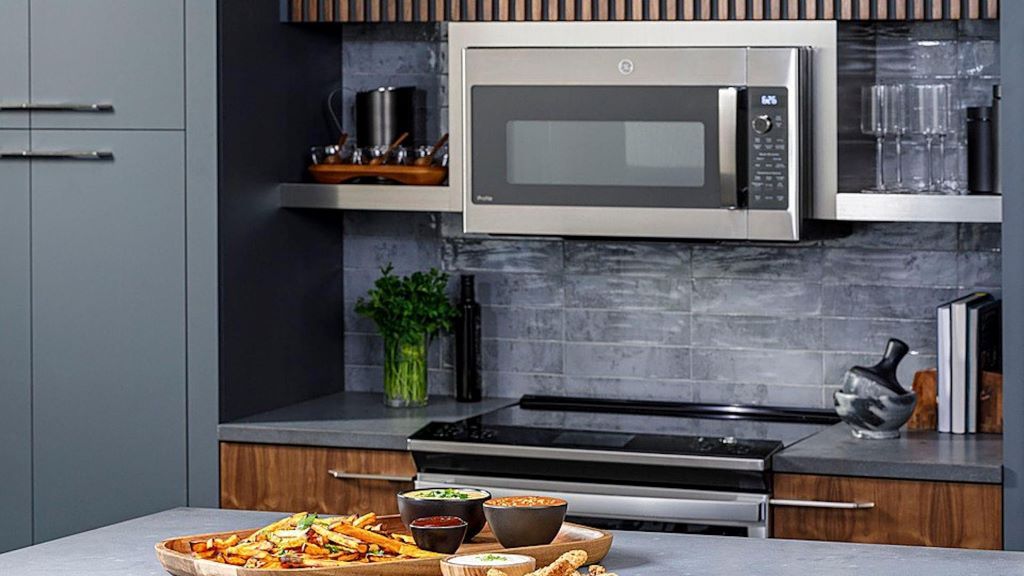
Over-the-range microwaves combine a microwave with a range hood, saving space and providing ventilation for your stovetop. They’re a popular choice for larger kitchens where counter space is limited.
- Best for: Kitchens with limited counter space or those needing a built-in ventilation system.
- Pros: Saves space, includes a range hood, and often has more power.
- Cons: More expensive and requires professional installation.
3. Built-In Microwaves
Built-in microwaves are designed to be installed into cabinetry or walls, offering a seamless look in modern kitchens. They’re typically more powerful and feature-rich than countertop models.
- Best for: Custom kitchens, high-end remodels, or those who want a sleek, integrated look.
- Pros: High power, advanced features, and a clean aesthetic.
- Cons: Expensive and requires professional installation.
4. Convection Microwaves
Convection microwaves combine microwave technology with convection cooking, allowing you to bake, roast, and crisp food. They’re ideal for those who want the versatility of an oven in a compact appliance.
- Best for: Those who want to bake, roast, or air fry in addition to microwaving.
- Pros: Versatile, can replace a second oven, and cooks food more evenly.
- Cons: More expensive and may have a learning curve.
5. Combination Microwaves
Combination microwaves include features like grilling, steaming, or air frying, making them a multi-functional appliance. They’re perfect for small kitchens or those who want to maximize their cooking options.
- Best for: Small kitchens, multi-functional cooking, or those who want to replace multiple appliances.
- Pros: Versatile, space-saving, and can handle a variety of cooking tasks.
- Cons: Higher cost and may require more maintenance.
Key Features to Look For
1. Wattage
Wattage determines how quickly and evenly your microwave cooks food. Higher wattage means faster cooking and better performance. For most households, a microwave with 800–1200 watts is ideal. If you frequently cook large meals or use your microwave for baking, opt for a higher wattage (1200+ watts).
2. Size and Capacity
Microwaves come in a range of sizes, typically measured in cubic feet. Consider your kitchen space and cooking needs when choosing a size:
- Compact (0.5–0.9 cubic feet): Best for small kitchens, dorms, or single-person households.
- Mid-size (1.0–1.5 cubic feet): Ideal for most families and general use.
- Large (1.6+ cubic feet): Great for large families or those who cook big meals.
3. Cooking Modes
Modern microwaves offer a variety of cooking modes beyond basic microwaving:
- Sensor Cooking: Automatically adjusts cooking time and power based on the food’s moisture levels.
- Convection: Allows for baking, roasting, and crisping.
- Grill: Adds a grilling function for browning and crisping.
- Steam: Steams vegetables, fish, and other foods.
- Air Fry: Uses hot air to crisp food like a traditional air fryer.
4. Ease of Use
Look for a microwave with intuitive controls and easy-to-read displays. Features like one-touch buttons, voice control, and preset cooking programs can simplify meal prep. Additionally, consider the door design—some microwaves have side-swing doors for easier access.
5. Safety Features
Safety features like child locks, automatic shut-off, and overheat protection are essential, especially for households with children. Some microwaves also include features like steam release vents to prevent burns.
6. Energy Efficiency
Energy-efficient microwaves save money on electricity bills and reduce your carbon footprint. Look for models with the ENERGY STAR certification, which indicates they meet strict energy efficiency guidelines.
7. Durability and Build Quality
A well-built microwave should last for years. Look for models with stainless steel interiors, durable exteriors, and high-quality components. Avoid cheap plastic models that may wear out quickly.
8. Price and Budget
Microwaves range in price from under $50 to over $500. Set a budget based on your needs and stick to it. While high-end models offer advanced features, many mid-range microwaves provide excellent performance for a fraction of the cost.
How to Choose the Right Microwave for Your Needs
1. Assess Your Kitchen Space
Measure the space where you plan to place your microwave. For countertop models, ensure there’s enough clearance for ventilation. For over-the-range or built-in models, check the installation requirements and dimensions.
2. Consider Your Cooking Habits
Think about how you use your microwave:
- Reheating and defrosting: A basic countertop model with sensor cooking is sufficient.
- Cooking full meals: Look for a convection or combination microwave with advanced features.
- Baking or air frying: Choose a model with convection or air fry capabilities.
3. Match the Wattage to Your Needs
Higher wattage microwaves cook faster and more evenly. For general use, 800–1200 watts is ideal. If you cook large meals or use your microwave frequently, opt for 1200+ watts.
4. Choose the Right Size
Select a microwave size that fits your kitchen and cooking needs. Compact models are great for small spaces, while larger models are better for families or those who cook big meals.
5. Look for User-Friendly Features
Features like one-touch buttons, sensor cooking, and easy-to-clean interiors make a microwave more convenient to use. Consider models with intuitive controls and clear displays.
6. Check for Safety and Durability
Ensure your microwave has safety features like child locks and automatic shut-off. Look for durable materials like stainless steel interiors and high-quality exteriors.
7. Set a Budget
Microwaves range in price from budget-friendly to high-end. Determine your budget and prioritize features that matter most to you. Remember that a higher price doesn’t always mean better performance.
How to Use and Maintain Your Microwave
Using Your Microwave
- Read the Manual: Familiarize yourself with the microwave’s features and settings.
- Use Microwave-Safe Containers: Avoid metal, foil, or non-microwave-safe plastics, which can cause sparks or meltdowns.
- Arrange Food Evenly: Spread food out in a single layer for even cooking. Stir or flip food halfway through cooking if needed.
- Use the Right Power Level: Adjust the power level based on the food you’re cooking. Higher power levels are best for reheating, while lower levels work for defrosting or delicate foods.
- Cover Food: Use a microwave-safe lid or paper towel to prevent splatters and retain moisture.
Maintaining Your Microwave
- Clean Regularly: Wipe down the interior and exterior with a damp cloth and mild detergent. Avoid abrasive cleaners that can scratch the surface.
- Remove Odors: Place a bowl of water with lemon slices or baking soda inside the microwave and heat for 2–3 minutes to eliminate odors.
- Check the Door Seal: Ensure the door seal is clean and intact to prevent leaks and maintain efficiency.
- Replace the Filter: If your microwave has a charcoal filter (common in over-the-range models), replace it every 6–12 months.
- Inspect for Damage: Regularly check for signs of wear, such as cracks, rust, or malfunctioning buttons. Replace or repair as needed.
Common Mistakes to Avoid
1. Choosing the Wrong Size
A microwave that’s too small won’t meet your cooking needs, while one that’s too large can take up unnecessary space. Measure your kitchen and consider your cooking habits before buying.
2. Ignoring Wattage
Low-wattage microwaves cook food unevenly and take longer. Opt for at least 800 watts for general use and 1200+ watts for heavier cooking.
3. Skipping Safety Features
Microwaves without child locks or automatic shut-off can be hazardous, especially in households with children. Always prioritize safety features.
4. Overlooking Ease of Use
Complicated controls or unclear displays can make a microwave frustrating to use. Look for intuitive, user-friendly models.
5. Neglecting Maintenance
Regular cleaning and maintenance extend your microwave’s lifespan and ensure it operates efficiently. Neglecting these tasks can lead to poor performance or even safety hazards.
FAQs About Microwave Ovens
How do I know what wattage I need?
For general use, 800–1200 watts is ideal. If you cook large meals or use your microwave frequently, opt for 1200+ watts for faster and more even cooking.
Can I use metal in a microwave?
No, metal can cause sparks and damage your microwave. Stick to microwave-safe containers like glass, ceramic, or plastic labeled as microwave-safe.
How often should I clean my microwave?
Clean your microwave at least once a week to prevent buildup and odors. Wipe down the interior and exterior with a damp cloth and mild detergent.
Are convection microwaves worth the extra cost?
If you want to bake, roast, or air fry in addition to microwaving, a convection microwave is worth the investment. They offer more versatility and can replace a second oven.
Can I install a built-in microwave myself?
Built-in microwaves require precise installation and often need professional help. Follow the manufacturer’s instructions carefully or hire a professional to ensure safety and proper functioning.
Conclusion
Choosing the best microwave oven for your kitchen needs can transform how you cook and save you time in the kitchen. By understanding the types of microwaves available, key features to look for, and how to match a model to your cooking habits, you can find the perfect appliance for your home.
The right microwave makes meal prep faster, easier, and more enjoyable. Share your favorite microwave tips or ask questions in the comments below—let’s help each other make the most of this essential kitchen appliance!