How to Choose the Best Barbeque Grill for Outdoor Cooking

How to Choose the Best Microwave Oven for Your Kitchen Needs
April 18, 2026
How to Choose the Right Barbeque Grill for Perfect Grilling Results
April 20, 2026
There’s nothing quite like the smell of food sizzling on a grill, the sound of laughter filling the backyard, and the taste of a perfectly cooked steak or burger. Outdoor cooking brings people together, turning simple meals into memorable experiences. However, choosing the right barbeque grill can make all the difference between a frustrating cooking session and a seamless, enjoyable one. The right grill enhances flavor, simplifies cooking, and ensures durability for years of use.
I remember my first attempt at grilling with a cheap, flimsy grill that heated unevenly and fell apart after just a few uses. After upgrading to a high-quality barbeque grill designed for performance and durability, my outdoor cooking improved dramatically. If you’re ready to elevate your grilling game, exploring the best barbeque grill options is a great place to start.
Why the Right Barbeque Grill Matters
A barbeque grill is more than just a cooking appliance—it’s the centerpiece of your outdoor kitchen. The right grill can transform your cooking experience, offering better heat control, even cooking, and durability. It also influences the flavor of your food, as different grills use various heat sources and materials to create unique tastes and textures.
According to the Hearth, Patio & Barbecue Association (HPBA), over 70% of U.S. adults own a grill or smoker, and grilling is one of the most popular outdoor activities. Investing in a quality grill ensures you can cook a wide range of foods, from burgers and steaks to vegetables and seafood, with consistent results. Whether you’re a beginner or a seasoned grill master, the right barbeque grill can make outdoor cooking more enjoyable, efficient, and delicious.
Types of Barbeque Grills
1. Charcoal Grills
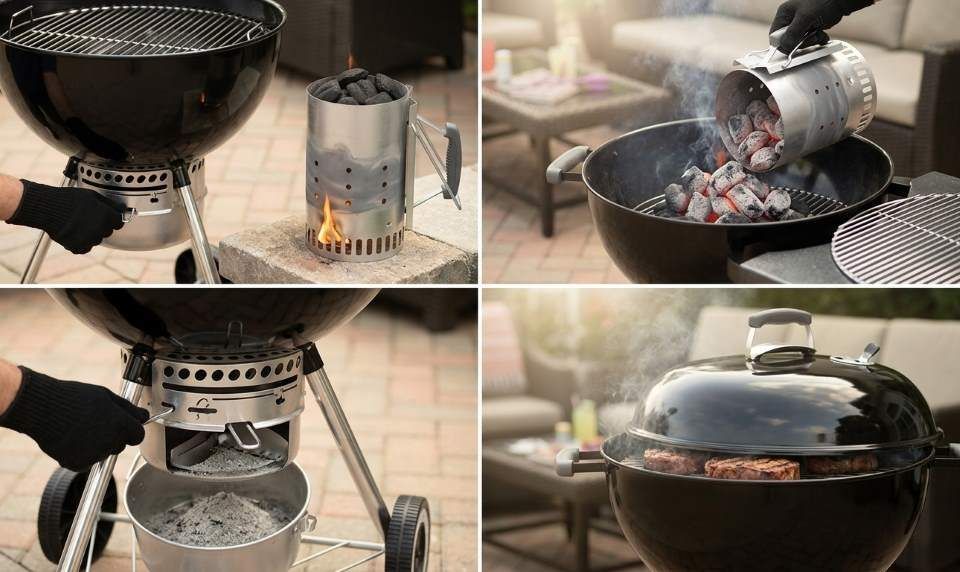
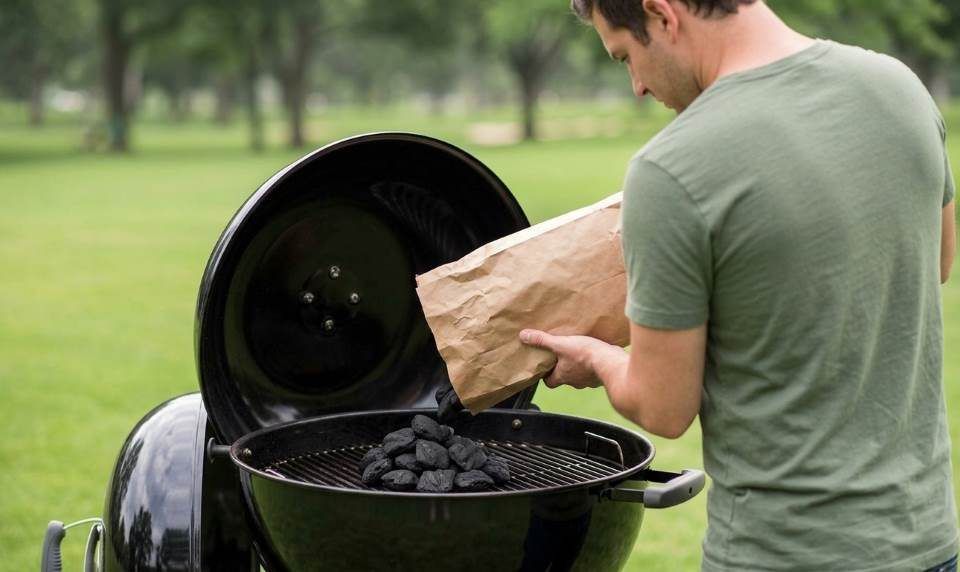
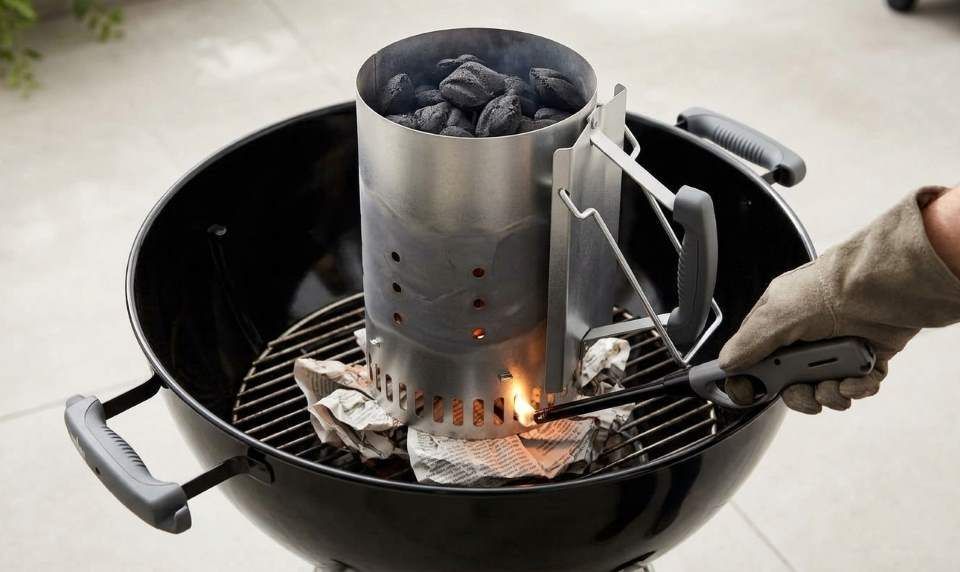
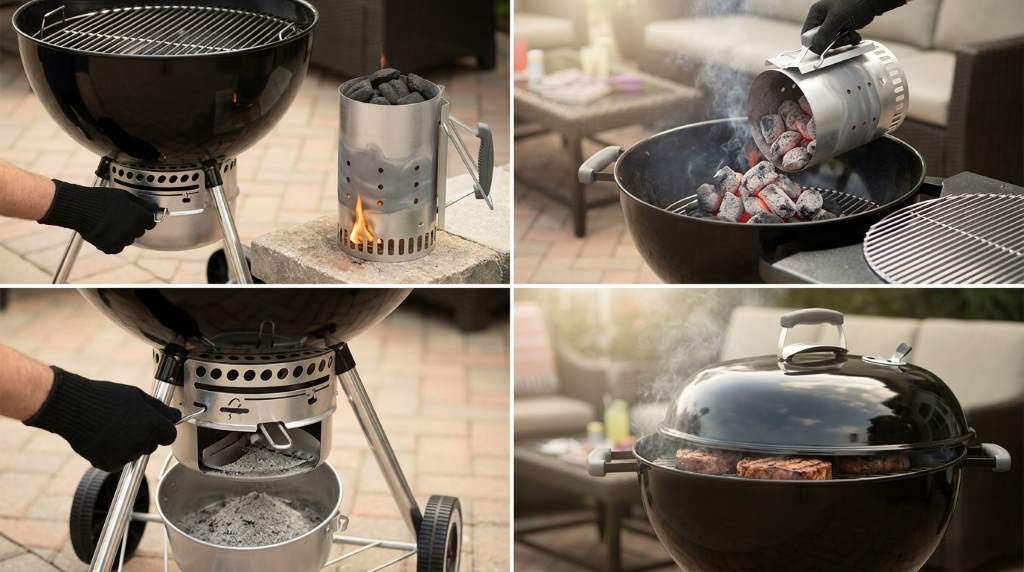
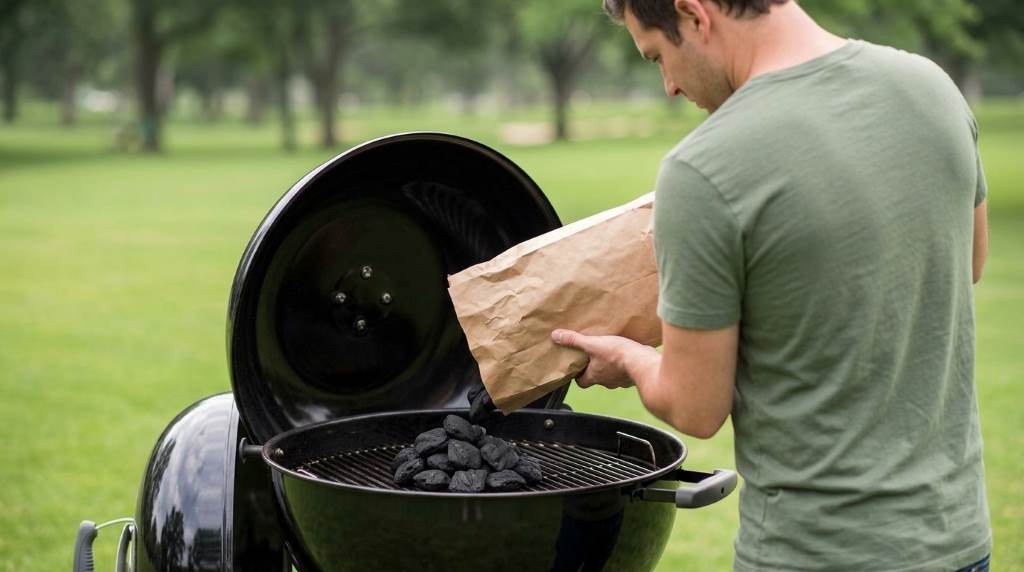
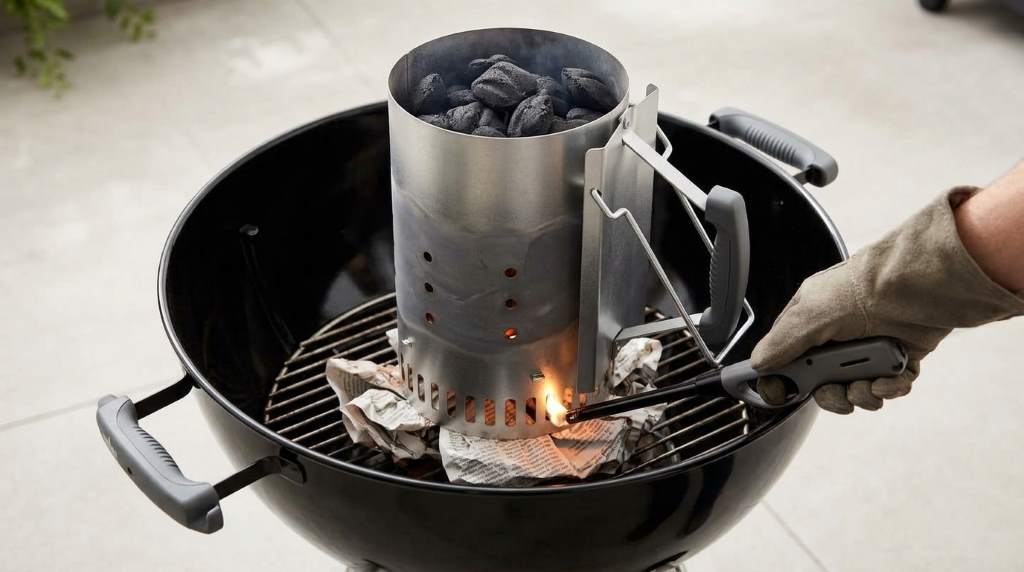
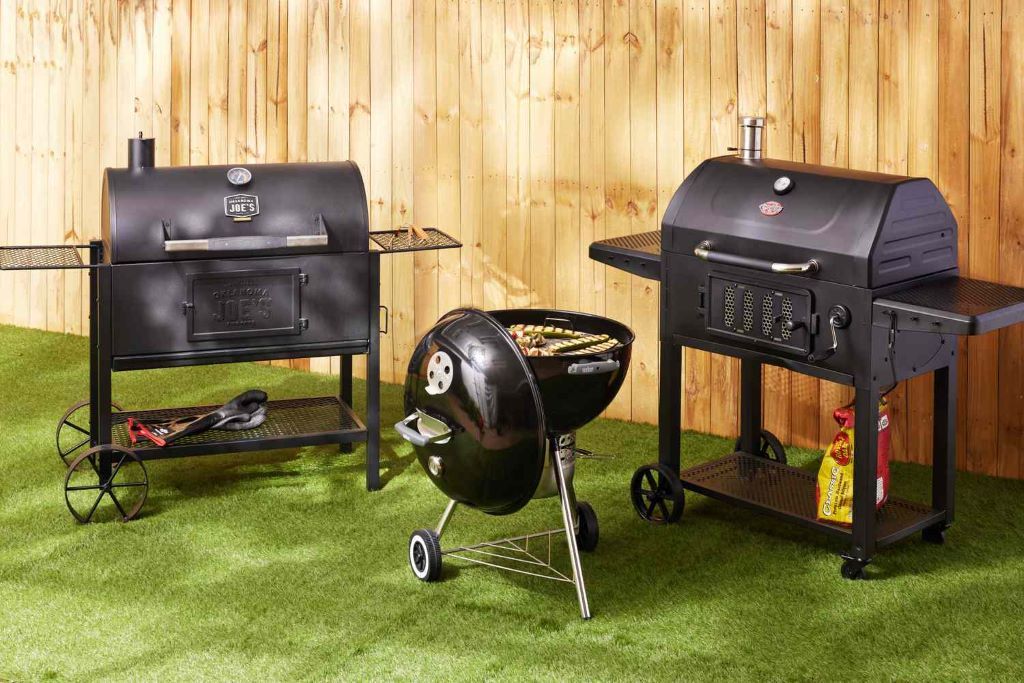
Charcoal grills are a classic choice, loved for the smoky flavor they impart to food. They use charcoal briquettes or lump charcoal as a heat source, allowing for high heat and even cooking. Charcoal grills are versatile and can be used for direct grilling, indirect grilling, and even smoking. They are ideal for purists who enjoy the traditional grilling experience and the rich, smoky taste that charcoal provides.
Pros:
- Imparts a smoky, authentic flavor to food
- Versatile for grilling, smoking, and searing
- Generally more affordable than gas or pellet grills
Cons:
- Requires more time and effort to light and maintain temperature
- Produces ash and requires cleanup after each use
- Less precise temperature control compared to gas grills
2. Gas Grills
Gas grills are powered by propane or natural gas, offering convenience and precise temperature control. They heat up quickly and allow for easy adjustments, making them ideal for both beginners and experienced grillers. Gas grills are perfect for those who want a hassle-free grilling experience without sacrificing flavor or performance.
Pros:
- Quick and easy to start and control
- Even heat distribution for consistent cooking
- Low maintenance and easy to clean
Cons:
- Less smoky flavor compared to charcoal grills
- Requires a fuel source (propane tank or natural gas line)
- Typically more expensive than charcoal grills
3. Pellet Grills
Pellet grills use wood pellets as a fuel source, combining the convenience of gas grills with the smoky flavor of charcoal. They feature an automated pellet feed system that maintains a consistent temperature, making them ideal for both grilling and smoking. Pellet grills are perfect for those who want the flavor of wood-fired cooking without the hassle of managing charcoal.
Pros:
- Offers the smoky flavor of wood with the convenience of gas
- Precise temperature control for grilling and smoking
- Versatile for a wide range of cooking styles
Cons:
- More expensive than charcoal or gas grills
- Requires electricity to power the pellet feed system
- Pellets can be more costly than charcoal or gas
4. Electric Grills
Electric grills are powered by electricity, making them a convenient option for those who live in apartments or areas where open flames are restricted. They heat up quickly and offer precise temperature control, but they lack the smoky flavor of charcoal or pellet grills. Electric grills are ideal for small spaces, balconies, or indoor use.
Pros:
- Easy to use and control
- No need for charcoal, gas, or pellets
- Suitable for indoor or small-space grilling
Cons:
- Limited portability due to reliance on electricity
- Less flavor compared to charcoal or wood-fired grills
- Typically smaller cooking surfaces
5. Portable Grills
Portable grills are designed for on-the-go cooking, making them ideal for camping, tailgating, or picnics. They come in a variety of fuel types, including charcoal, gas, and electric, and are typically lightweight and compact. Portable grills are perfect for those who want to enjoy grilling anywhere, anytime.
Pros:
- Lightweight and easy to transport
- Versatile for different fuel types
- Ideal for outdoor adventures and travel
Cons:
- Smaller cooking surfaces limit the amount of food you can cook
- May lack the durability and features of full-size grills
- Requires more setup and cleanup for portable use
6. Kamado Grills
Kamado grills are ceramic cookers that combine the benefits of charcoal grills with the insulation properties of an oven. They are highly efficient at retaining heat, making them ideal for both grilling and smoking. Kamado grills are perfect for those who want versatility and precision in their outdoor cooking.
Pros:
- Excellent heat retention for even cooking
- Versatile for grilling, smoking, and baking
- Durable and long-lasting with proper care
Cons:
- Heavy and less portable than other grills
- More expensive than standard charcoal or gas grills
- Requires more skill to manage temperature and airflow
Key Features to Consider
Fuel Type
The fuel type of your barbeque grill affects its flavor, convenience, and ease of use. Charcoal grills offer a smoky flavor but require more effort to light and maintain. Gas grills provide convenience and precise temperature control but lack the smoky taste of charcoal. Pellet grills combine the best of both worlds, offering wood-fired flavor with the ease of gas. Electric grills are convenient for small spaces but lack the authentic grilling experience.
Choose a fuel type that matches your cooking style, flavor preferences, and convenience needs.
Cooking Surface Size
The size of your grill’s cooking surface determines how much food you can cook at once. Larger grills are ideal for cooking for crowds or preparing multiple dishes simultaneously, while smaller grills are suitable for individuals or small families. Consider the number of people you typically cook for and the types of meals you prepare when choosing the size of your grill.
Material and Construction
The material and construction of your grill affect its durability, heat retention, and performance. High-quality grills are typically made from stainless steel, cast iron, or ceramic, which offer excellent heat retention and resistance to rust and corrosion. Look for grills with sturdy construction, reinforced joints, and high-quality finishes to ensure longevity.
Heat Distribution and Control
Even heat distribution is essential for consistent cooking results. Look for grills with features like heat diffusers, flame tamers, or multiple burners that allow for precise temperature control. Gas grills often feature multiple burners for zoned cooking, while charcoal and pellet grills use baffles or deflectors to distribute heat evenly.
Ease of Use and Maintenance
A user-friendly grill makes cooking more enjoyable and less time-consuming. Look for features like easy-to-clean grates, removable ash pans, and accessible grease traps. Gas grills with electronic ignition and temperature gauges simplify the cooking process, while pellet grills with automated pellet feed systems reduce the need for manual adjustments.
Portability and Storage
If you plan to move your grill frequently or have limited storage space, consider its portability and size. Portable grills are lightweight and easy to transport, while larger grills may require a dedicated space in your backyard or patio. Look for grills with foldable legs, wheels, or compact designs for easier storage and transport.
Additional Features
Many barbeque grills come with additional features that enhance convenience and performance. Look for grills with side burners, warming racks, or built-in thermometers for added versatility. Some grills also include storage shelves, tool hooks, or lighting for nighttime cooking. Choose features that match your cooking style and needs.
Budget
Barbeque grills are available at a wide range of price points, from budget-friendly options to high-end models with advanced features. Determine your budget and look for the best combination of quality, performance, and features within that range. While high-end grills offer premium materials and construction, there are also many affordable options that provide excellent performance and durability.
How to Choose the Right Barbeque Grill for Your Needs
Assess Your Cooking Style and Needs
Consider the types of food you enjoy cooking and the cooking techniques you prefer. If you love the smoky flavor of charcoal-grilled steaks, a charcoal or pellet grill is ideal. For quick and easy cooking, a gas grill offers convenience and precise temperature control. If you enjoy smoking or slow-cooking, a pellet or kamado grill provides the versatility you need.
Consider Your Space and Storage
The size of your outdoor space and storage options should influence your choice of grill. For small balconies or patios, a compact gas or electric grill is ideal. For larger backyards, a full-size charcoal, pellet, or kamado grill offers more cooking space and features. Consider the layout of your outdoor area and choose a grill that fits comfortably and allows for easy movement.
Match the Grill to Your Fuel Preferences
Your preference for fuel type—charcoal, gas, pellets, or electric—will guide your choice of grill. Charcoal grills offer authentic flavor but require more effort, while gas grills provide convenience and ease of use. Pellet grills combine wood-fired flavor with modern technology, and electric grills are ideal for small spaces or indoor use. Choose a fuel type that matches your cooking style and lifestyle.
Test for Ease of Use and Maintenance
Whenever possible, test different grills to assess their ease of use and maintenance. Look for grills with intuitive controls, easy-to-clean surfaces, and accessible components. If you’re buying online, read user reviews and expert ratings to gauge the performance and quality of the grill. Pay attention to features like ignition systems, temperature gauges, and grease management, which can simplify the cooking process.
Prioritize Quality and Durability
Investing in a high-quality barbeque grill ensures better performance, durability, and longevity. Look for grills made from high-quality materials like stainless steel, cast iron, or ceramic, with sturdy construction and corrosion-resistant finishes. While quality grills may come with a higher price tag, they often last longer and perform better, making them a worthwhile investment.
Consider Your Budget
Barbeque grills are available at a wide range of price points. Determine your budget and look for the best combination of features, performance, and durability within that range. While high-end grills offer premium materials and advanced features, there are also many affordable options that provide excellent performance and value.
Common Mistakes to Avoid
- Choosing Based on Looks Alone: While aesthetics matter, prioritize performance features like material, heat distribution, and ease of use.
- Ignoring Fuel Type: Different fuel types offer unique benefits and challenges. Choose a grill that matches your preferred fuel and cooking style.
- Skipping the Test Cook: Testing a grill’s performance before purchasing can help you assess its suitability for your needs. If possible, try cooking a meal on the grill to evaluate its heat distribution and control.
- Overlooking Maintenance: Regular cleaning and maintenance are essential for extending the lifespan of your grill. Choose a grill with easy-to-clean surfaces and accessible components.
- Not Considering Space: A grill that is too large or too small for your outdoor space can be inconvenient and difficult to use. Measure your space and choose a grill that fits comfortably.
FAQs
What is the best type of barbeque grill for beginners?
For beginners, a gas grill is often the best choice due to its ease of use, precise temperature control, and low maintenance. Gas grills heat up quickly and allow for easy adjustments, making them ideal for those new to outdoor cooking.
Can I use a charcoal grill for smoking?
Yes, charcoal grills can be used for smoking by arranging the charcoal and wood chips for indirect heat. Many charcoal grills feature vents and dampers that allow you to control the temperature and airflow, making them suitable for smoking meats and other foods.
How do I clean and maintain my barbeque grill?
Regular cleaning and maintenance are essential for extending the lifespan of your grill. After each use, brush the grates to remove food residue and empty the grease trap. For deeper cleaning, use a grill cleaner and warm, soapy water to scrub the grates, burners, and interior surfaces. Inspect your grill for signs of wear or damage, and replace any worn or corroded parts as needed.
What is the difference between a pellet grill and a kamado grill?
Pellet grills use wood pellets as a fuel source and feature an automated pellet feed system for precise temperature control. They are versatile for grilling, smoking, and baking. Kamado grills are ceramic cookers that use charcoal for heat and offer excellent heat retention for even cooking. Kamado grills are highly efficient and versatile but require more skill to manage temperature and airflow.
How often should I replace my barbeque grill?
The lifespan of a barbeque grill depends on its material, construction, and how well it’s maintained. High-quality grills can last for many years with proper care, while lower-quality grills may need replacement every few years. Regularly inspect your grill for signs of wear or damage, and replace it if it no longer performs well or poses safety risks.
Conclusion
Choosing the best barbeque grill for your outdoor cooking needs is essential for enhancing flavor, convenience, and durability. By considering factors like fuel type, cooking surface size, material, and intended use, you can find a grill that matches your cooking style and lifestyle.
Investing in a quality barbeque grill is an investment in your outdoor cooking experience. Take the time to research, test, and choose a grill that will help you create delicious meals and lasting memories with family and friends.
Have you found a barbeque grill that transformed your outdoor cooking experience? Share your favorite models or tips in the comments below! And if you found this guide helpful, don’t forget to share it with your fellow grilling enthusiasts.