How to Choose the Best Dishwasher for Easy and Effective Cleaning

How to Choose the Right Induction Cooktop for Efficient Cooking
April 20, 2026
How to Choose the Best Vacuum Cleaner for Rugs in 2026
April 21, 2026
Choosing the right dishwasher can transform your daily routine. No more scrubbing greasy pans or rinsing endless stacks of plates—just load, press a button, and let the machine do the work. But with so many options on the market, how do you pick the best one for your home?
I remember my first dishwasher purchase. Overwhelmed by choices, I ended up with a model that was too loud and didn’t dry dishes well. After some research and trial and error, I found a quiet, efficient machine that fits my family’s needs perfectly. Let me share what I learned so you can avoid the same mistakes and find a dishwasher that makes your life easier.
Why a Good Dishwasher Matters
A reliable dishwasher saves time, water, and energy. According to the latest research, modern dishwashers use up to 60% less water and 70% less energy than washing dishes by hand. That’s not just good for your utility bills—it’s great for the environment, too. In fact, using a dishwasher instead of hand-washing can save over 8,000 gallons of water per year, which is more than 250 bathtubs of clean water! If you’re still on the fence, consider this: a high-quality Dishwasher can also reduce your daily stress by handling one of the most tedious kitchen chores automatically.
Types of Dishwashers: Which One Fits Your Kitchen?
Built-in Dishwashers
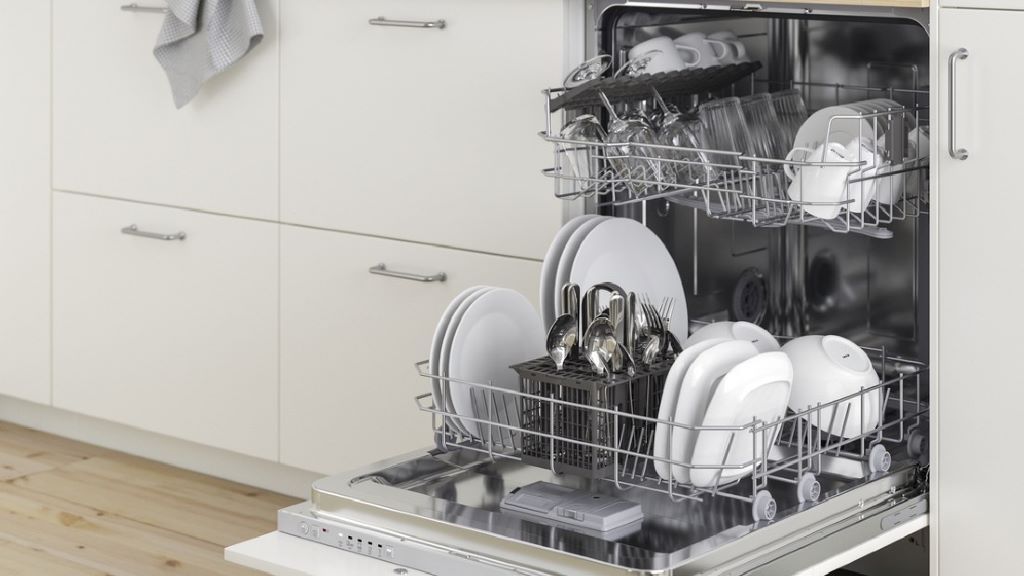
Built-in dishwashers are the most common type. They fit seamlessly under your countertop and offer a range of sizes, usually 18 to 24 inches wide. These models are ideal for families or anyone who entertains often, as they can handle large loads. Look for adjustable racks and third racks for extra flexibility.
Portable and Countertop Dishwashers
If you rent your home or have limited space, a portable or countertop dishwasher might be the best choice. These models are compact, easy to move, and can be stored away when not in use. They’re perfect for small apartments or as a secondary dishwasher for busy kitchens. Portable dishwashers connect to your sink faucet, while countertop models are even smaller and sit on your counter.
Drawer Dishwashers
Drawer dishwashers are a newer option, offering convenience and style. They pull out like a drawer and can be installed at counter height, making loading and unloading easier. These are great for people with back problems or those who want a sleek, modern look.
Key Features to Look For
Energy and Water Efficiency
Energy-efficient dishwashers save you money and help the planet. Look for the ENERGY STAR label, which means the model uses at least 12% less energy and 30% less water than standard models. Some of the most efficient dishwashers in 2025 use as little as 80 kWh per year, which is a fraction of what older models consume.
Noise Level
Nobody wants a dishwasher that sounds like a jet engine. Quiet operation is especially important if your kitchen is open to your living space. Aim for a model that operates at 44 decibels or lower—about as quiet as a library.
Cleaning and Drying Performance
The best dishwashers clean thoroughly and dry dishes completely. Look for models with soil sensors, which adjust the wash cycle based on how dirty your dishes are. For drying, consider dishwashers with heated dry cycles or advanced condensation drying, which is gentler on plastics.
Capacity and Rack Flexibility
Think about how many place settings you need. A standard dishwasher holds 12 to 16 place settings, but compact models may hold fewer. Adjustable racks and third racks add versatility, allowing you to fit large pots, odd-shaped dishes, and utensils with ease.
Smart Features: Are They Worth It?
Smart dishwashers connect to your home Wi-Fi, letting you control them from your phone. You can start a cycle remotely, get alerts when dishes are done, and even track water and energy usage. While these features add convenience, they also increase the price. Decide if the extra cost is worth it for your lifestyle.
Budget Considerations
Dishwashers range from budget-friendly models under $500 to high-end machines costing over $2,000. While premium models offer advanced features and quieter operation, mid-range dishwashers often provide excellent performance at a more affordable price. Consider your budget and prioritize features that matter most to you.
Installation and Maintenance Tips
Professional Installation
Unless you’re experienced with plumbing and electrical work, it’s best to hire a professional to install your dishwasher. Proper installation ensures your machine runs efficiently and avoids leaks or other issues.
Regular Maintenance
Keep your dishwasher in top shape by cleaning the filter monthly and running a vinegar rinse cycle every few months. This prevents buildup and keeps your dishes sparkling clean.
Personal Experience: Finding the Perfect Dishwasher
When my old dishwasher broke down, I knew I wanted something quieter and more efficient. After reading reviews and comparing features, I chose a Bosch model with a third rack and eco-friendly settings. It’s been a game-changer—my dishes come out spotless, and I barely notice it running. The third rack is perfect for utensils and small items, freeing up space for larger dishes.
Conclusion
Choosing the best dishwasher for your home doesn’t have to be overwhelming. Focus on your needs: consider the type, features, efficiency, and budget. With the right dishwasher, you’ll save time, water, and energy while enjoying clean dishes with minimal effort.
Ready to upgrade your kitchen? Start by checking out the latest models and reading user reviews. And if you found this guide helpful, share it with friends or leave a comment with your favorite dishwasher tips!
FAQs
How much water does a dishwasher use per cycle?
Modern, energy-efficient dishwashers use about 3 to 5 gallons of water per cycle, while older models can use up to 10 gallons or more.
Are dishwashers better than hand washing?
Yes, dishwashers are more efficient. They use less water and energy, and they clean more thoroughly than hand washing.
How long do dishwashers last?
On average, a well-maintained dishwasher lasts about 10 years.
What is the quietest dishwasher?
Look for models rated at 44 decibels or lower. Brands like Bosch and Miele are known for their quiet operation.
Do I need a smart dishwasher?
Smart features add convenience but aren’t necessary. If you value remote control and usage tracking, a smart dishwasher might be worth the investment.