Best Deep Fryer with Oil Filtration: Top Picks for Crispy, Hassle-Free Frying in 2026

EUHOMY 13-in-1 Bread Maker: Versatile, Easy, and Customizable
September 22, 2025
Fresh vs Frozen Pint of Blueberries Weight: Understanding the Difference
September 25, 2025
Home frying has surged in popularity over the past decade, with Americans consuming an estimated 4.5 billion pounds of french fries annually, according to USDA data. The appeal of restaurant-quality fried foods at home drives demand for better equipment, yet oil management remains the biggest hassle for home cooks. Changing oil after every use wastes money and time, while reusing unfiltered oil produces increasingly poor results. Deep fryers with built-in filtration systems address this problem directly, extending oil life by removing food particles that cause breakdown and off flavors. This article examines six models that handle oil filtration differently, helping you understand which approach fits your kitchen.
Best Deep Fryers with Oil Filtration at a Glance
Below, check out the best deep fryers with oil filtration that will meet your needs:
- T-fal FR8000 Oil Filtration Ultimate EZ Clean Deep Fryer
- Chefman 4 Liter Deep Fryer with Basket
- All-Clad EJ814051 Easy Clean Pro Deep Fryer
- Secura Triple Basket Electric Deep Fryer
- Elite Gourmet 3.5 Quart Deep Fryer
- West Bend 3-Liter Deep Fryer with Oil Drain
T-fal FR8000 Oil Filtration Ultimate EZ Clean Deep Fryer
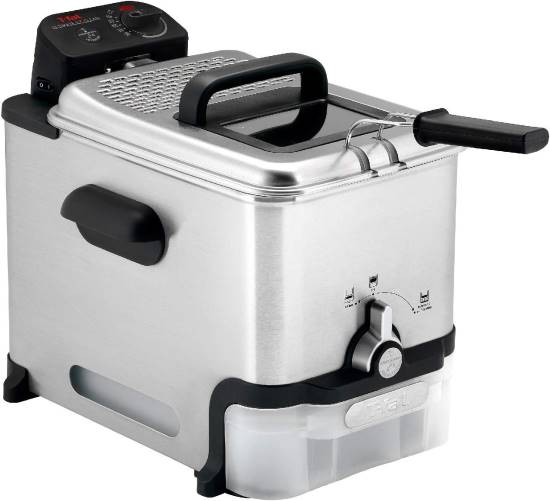
The T-fal FR8000 uses an automatic oil filtration system that drains and filters oil into a separate container below the frying bowl. This design eliminates the need to pour hot oil through external filters or wait for it to cool before cleaning.
The 3.5-liter oil capacity handles up to 2.6 pounds of food per batch, which works well for family dinners but feels limiting when cooking for gatherings. The filtration box sits underneath the main unit and catches debris while storing oil between uses. You press a button after frying, and the oil drains through a built-in filter into the sealed container. This process takes about three minutes and requires minimal handling of hot oil.
The system works best when you fry similar foods in succession. If you switch from chicken to donuts, the oil picks up flavors that filtration cannot remove. The filter itself needs replacement every 10 to 15 uses, depending on what you cook. Heavy battering creates more debris and shortens filter life noticeably.
Temperature control spans 320°F to 375°F with reasonably accurate performance. The unit heats oil in about eight minutes from room temperature to 375°F. The viewing window and ready light help you monitor food without lifting the lid, which maintains temperature better than constant checking.
Cleaning the removable parts takes less effort than most fryers because the oil drains away before you tackle the bowl. The enamel coating resists sticking, and most components go in the dishwasher. The filtration box requires hand washing since it contains the filter mechanism.
This fryer suits people who fry frequently but in moderate quantities. The automatic drainage appeals to anyone uncomfortable handling large amounts of hot oil. If you primarily fry once or twice monthly, simpler models without filtration make more sense. The system adds complexity that only pays off with regular use.
One user noted that the filtration system reduced their oil changes from weekly to monthly with daily use, saving roughly 12 cups of oil over four weeks. Another mentioned that the drain valve occasionally drips if not seated perfectly, requiring careful alignment after cleaning. A third review highlighted that the filter housing cracks if dropped, and replacements cost nearly as much as basic fryers without filtration.
Key Features:
Automatic oil drainage eliminates manual pouring and reduces burn risks during the hottest moments after cooking.
Sealed oil storage keeps filtered oil fresh between uses and prevents kitchen odors from stored oil.
Dishwasher-safe bowl and basket cut cleaning time compared to hand washing all components.
Adjustable temperature dial gives you control across common frying ranges, though precision varies by a few degrees.
Compact footprint fits on most countertops without dominating space, measuring roughly 15 inches wide.
| Pros | Cons |
| Hands-free oil filtration system | Filter replacements add ongoing cost |
| Clean storage reduces mess | 3.5-liter capacity limits batch size |
| Dishwasher-safe main components | Flavor transfer between different foods |
Chefman 4 Liter Deep Fryer with Basket
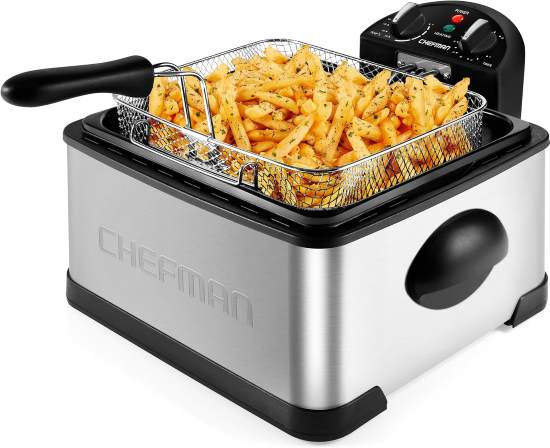
The Chefman takes a different approach to oil management with a removable oil container that you can detach, filter separately, and store in the refrigerator. This design gives you complete control over the filtration process but requires more hands-on effort than automatic systems.
The 4-liter capacity provides more room than the T-fal, fitting about 3 pounds of food comfortably. The extra volume matters when cooking bone-in chicken or larger batches of vegetables. The heating element sits in the oil container rather than being fixed to the unit, which makes deep cleaning more thorough since you can access all surfaces.
Temperature adjustment ranges from 250°F to 375°F using a dial control. The lower temperature setting works well for gentler cooking like tempura or delicate fish. Heating time to 375°F takes about 10 minutes with a full oil load. The indicator light turns off when the target temperature is reached, but the actual oil temperature can lag by 5 to 10 degrees during recovery after adding cold food.
The removable oil container is the standout feature but also requires the most attention during use. You lift it out after the oil cools to a safe handling temperature, then filter it through your own mesh strainer or coffee filters into a storage container. This method lets you inspect the oil quality closely and decide whether to reuse it. Some users prefer this visibility over automatic systems that hide the oil condition.
The frying basket features a hook that rests on the rim, allowing oil to drain back into the container before serving. The basket and oil container both go in the dishwasher, though the heating element requires careful hand washing to protect the electrical connections.
This model works best for cooks who want flexibility in how they manage oil and do not mind a few extra steps. If you fry different types of food and want to maintain separate oil for each, the removable container makes that practical. The lack of built-in filtration means fewer parts to replace, reducing long-term costs.
A frequent user mentioned that removing the oil container while still warm (but not hot) speeds up the filtration process significantly compared to waiting for complete cooling. Another review pointed out that the heating element connection occasionally loosens, requiring a firm push to ensure proper contact. One cook noted that the 4-liter capacity allows frying a whole cut-up chicken in two batches, whereas smaller models require three.
Key Features:
Removable oil container lets you filter oil using your preferred method and inspect it before storage.
4-liter oil capacity accommodates larger batches and bulkier items like chicken quarters.
Wide temperature range supports gentle frying at lower heat and high-heat searing.
Detachable heating element simplifies cleaning and allows thorough access to all surfaces.
Breakaway cord reduces tip-over risks if someone snags the power cable during use.
| Pros | Cons |
| Larger capacity than most | Manual filtration requires effort |
| Complete oil visibility and control | No automatic drainage system |
| Lower temperature settings available | Heating element needs careful handling |
All-Clad EJ814051 Easy Clean Pro Deep Fryer
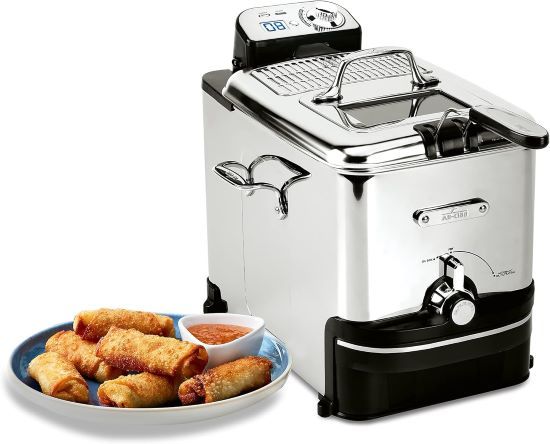
The All-Clad uses a unique oil filtration approach with a removable filter screen that sits in the oil container. You lift out the screen along with trapped debris after cooking, leaving cleaner oil behind. This system balances simplicity with effectiveness but requires the oil to cool before you can safely remove the filter.
The 3.5-liter capacity matches the T-fal but uses a different bowl design that provides better corner access during cleaning. The stainless steel construction throughout the oil zone resists staining and odor absorption better than coated aluminum. The unit weighs more than plastic-heavy competitors, giving it stability on the counter but making it harder to move.
Temperature control covers 250°F to 375°F with better accuracy than most models in this price range. The digital display shows the actual temperature rather than just indicator lights, helping you adjust for different foods. The unit maintains temperature within about 3 degrees during active frying, which produces more consistent results than models with wider swings.
The filtration screen catches large particles effectively but allows fine sediment to pass through. This means the oil stays clearer longer than unfiltered use, but not as long as automatic filtration systems with finer filters. You need to replace or thoroughly clean the screen every five to seven uses to maintain effectiveness.
The frying basket design includes a center handle that folds down, making storage easier than fixed-handle models. The basket coating holds up well to repeated dishwasher cycles without flaking. The oil container features measurement markings that help you track oil level and know when to add more.
This fryer appeals to cooks who want better build quality and temperature precision without complex filtration systems. The filter screen provides some debris management without the maintenance requirements of automatic systems. If you value cooking control and durability over convenience features, this model delivers.
One owner reported that the stainless steel construction eliminated the plastic smell that plagued their previous fryer during heating. Another noted that the digital temperature display helped them discover their old fryer ran 15 degrees cooler than indicated, explaining years of soggy results. A third user mentioned that the filter screen bends slightly after multiple cleanings but still functions adequately.
Key Features:
Digital temperature display shows actual oil temperature, helping you adjust for accurate cooking.
Stainless steel oil zone prevents odor absorption and stains from acidic or heavily seasoned foods.
Removable filter screen captures debris without requiring complex drainage systems.
Folding basket handle reduces storage footprint in cabinets or on shelves.
Cool-touch exterior allows you to move the unit shortly after use without waiting for complete cooling.
| Pros | Cons |
| Accurate digital temperature control | Filter screen less effective than automatic systems |
| Durable stainless steel construction | Heavier weight reduces portability |
| Clear oil level markings | Screen requires regular deep cleaning |
Secura Triple Basket Electric Deep Fryer
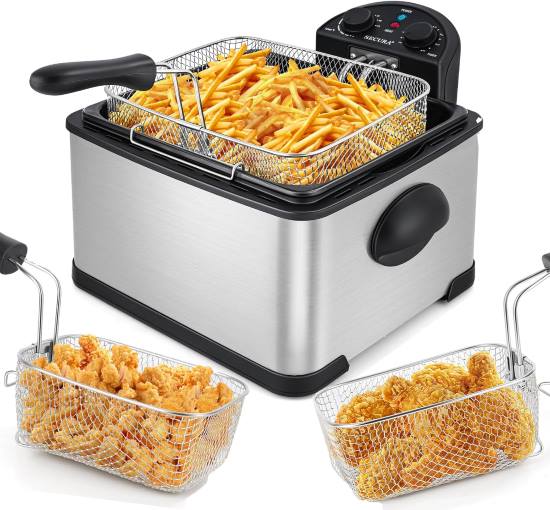
The Secura approaches oil filtration differently by providing three separate frying baskets that let you cook multiple items without mixing flavors or debris. While not a traditional filtration system, this design extends oil usability by reducing contamination from different food types.
The 4.2-liter capacity is the largest among these models, and the three baskets divide that space into smaller cooking zones. Each basket holds about 1.3 liters worth of space, which works for sides and appetizers but not for large single items. The ability to fry chicken wings in one basket, fries in another, and onion rings in the third at the same time appeals to specific cooking situations.
Temperature control runs from 250°F to 375°F with a timer function that alerts you when cooking time completes. The timer does not shut off the heating element, just sounds an alarm. The heating recovery after adding cold food takes longer than single-basket models because the larger oil volume requires more energy to reheat.
The three-basket system shines when preparing multiple courses or sides simultaneously. You can stagger cooking times by starting one basket before others, then remove items as they finish. This approach works better than sequential frying when you need everything ready at once. However, you still share one oil volume, so flavors eventually blend if you fry strongly seasoned items together.
The oil container is removable, allowing you to filter the oil externally similar to the Chefman. The large capacity means you handle more oil during filtration, which some users find cumbersome. The container features a pour spout that helps control flow when transferring oil to storage containers or filters.
Cleaning three baskets takes noticeably more time than single-basket models, even with dishwasher use. The main oil container requires hand washing due to its size and the heating element configuration. The stainless steel construction resists rust and staining but shows fingerprints readily.
This model suits people who regularly prepare complete fried meals or cook for varied preferences at once. The multiple baskets solve specific problems that filtration alone cannot address. If you typically fry one type of food at a time, the extra baskets add complexity without meaningful benefit.
A user hosting regular family dinners noted that the three-basket system let them serve hot food to everyone simultaneously instead of in waves. Another mentioned that the large oil capacity takes 15 minutes to reach 375°F from room temperature, requiring advance planning. One cook found that the baskets work well for organizing different doneness levels of the same food, removing baskets as items reach preferred crispness.
Key Features:
Three independent baskets allow simultaneous cooking of different items without mixing.
4.2-liter oil capacity supports larger total cooking volume than smaller fryers.
Built-in timer with alarm helps track cooking times without separate devices.
Removable oil container enables external filtration and easy oil changes.
Adjustable temperature control covers standard frying range with reasonable accuracy.
| Pros | Cons |
| Cook multiple items simultaneously | Longer heating time for large oil volume |
| Largest oil capacity tested | More baskets mean more cleaning |
| Helpful timer function included | Flavors still blend in shared oil |
Elite Gourmet 3.5 Quart Deep Fryer
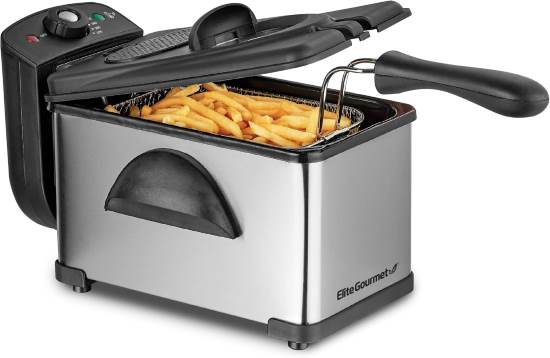
The Elite Gourmet keeps filtration simple with a removable oil pot that you can lift out entirely from the heating base. This separation makes external filtration straightforward and gives you complete access for cleaning without working around fixed heating elements.
The 3.5-quart capacity translates to about 3.3 liters, placing it in the middle range of these models. The oil pot features a pouring spout that makes transferring oil to filters or storage containers less messy than pouring from rimmed containers. The stainless steel construction in the oil pot resists warping and distributes heat more evenly than thin aluminum versions.
Temperature adjustment spans 250°F to 375°F using a basic dial control. The heating element in the base stays put when you remove the oil pot, which simplifies cleaning but requires careful alignment when reassembling. The unit indicates ready status with a light but does not display actual temperature.
The removable pot design gives you options for oil management. Some users filter oil while the pot is still slightly warm, speeding the process. Others prefer to remove the pot and store it with the oil in the refrigerator between uses, particularly when frying weekly. The pot fits in most refrigerators, though the oil must solidify for coconut oil or animal fats.
The frying basket includes a hook that rests on the pot rim, but the hook design is less secure than some competitors. Bumping the basket can dislodge it, though this rarely happens during normal use. The basket coating holds up well to regular dishwasher cleaning without significant wear.
This fryer works well for people who want straightforward oil management without automated systems or complex filtration setups. The removable pot makes it easy to maintain, and the simple construction means fewer parts to fail or replace. If you prefer hands-on control and do not mind basic features, this model delivers reliable performance.
One user appreciated that the completely removable pot allowed them to soak it separately when dealing with particularly stubborn residue. Another mentioned that the temperature dial has no specific degree markings, just a numbered scale that requires learning through use. A third cook noted that the compact heating base stores more easily than full-unit fryers when the pot is removed.
Key Features:
Completely removable oil pot separates from heating base for maximum cleaning access.
Pour spout design reduces spills when transferring oil to storage or filtration.
Stainless steel construction provides durability and even heat distribution.
Compact heating base takes up less storage space than integrated designs.
Wide temperature range accommodates different frying needs from gentle to high heat.
| Pros | Cons |
| Easy pot removal for cleaning | No temperature display or precision control |
| Simple, reliable construction | Basket hook less secure than some models |
| Space-efficient storage possible | Requires manual filtration and management |
West Bend 3-Liter Deep Fryer with Oil Drain
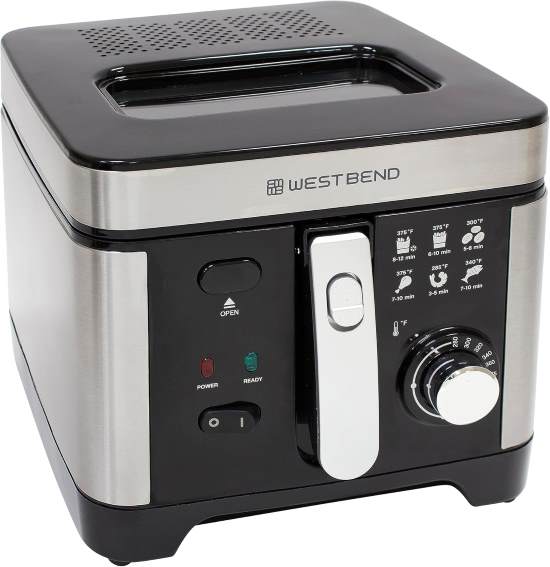
The West Bend incorporates a bottom drain valve that lets you filter and store oil without lifting hot containers. You attach a container to the drain outlet, open the valve, and gravity does the work. This approach falls between fully automatic systems and completely manual methods.
The 3-liter oil capacity is the smallest here, which matters when cooking for more than two people. You can fit about 2 pounds of food per batch, requiring multiple rounds for larger meals. The smaller volume does mean faster heating, reaching 375°F in about seven minutes from room temperature.
Temperature control covers the standard 250°F to 375°F range with a dial interface. The unit maintains set temperatures reasonably well, though it experiences the same recovery lag as other models when cold food enters hot oil. The indicator light shows when the heating element is active but does not confirm actual oil temperature.
The drain valve system works smoothly when properly maintained. The valve sits at the lowest point of the oil container, ensuring complete drainage. You position a heat-safe container under the outlet, open the valve, and the oil flows into your collection vessel. This method keeps you from lifting heavy, hot oil containers.
The valve itself requires regular cleaning to prevent oil buildup that can cause leaks. Some users run hot soapy water through the drain after emptying oil to keep the valve mechanism clean. The valve seal occasionally needs replacement after extended use, particularly if you drain oil while still hot frequently.
The frying basket is proportionally sized to the smaller oil capacity. It handles side dishes and snacks well but struggles with full meal portions. The basket coating is thinner than premium models and shows wear faster with aggressive cleaning or metal utensil contact.
This fryer suits people working with limited counter space who still want easier oil management than fully manual systems. The drain valve reduces physical effort and burn risk compared to pouring hot oil. If you cook smaller portions regularly rather than large batches occasionally, the capacity fits that use pattern.
A user with limited upper body strength noted that the drain valve eliminated the need to lift and pour heavy oil containers, making solo frying practical. Another mentioned that positioning the collection container at the right height takes some trial and error to prevent splashing. One cook found that draining oil while still warm flows faster but requires more attention to avoid burns from the outlet.
Key Features:
Bottom drain valve eliminates lifting heavy oil containers for filtration and storage.
Compact 3-liter capacity heats faster and fits smaller kitchen spaces.
Heat-resistant exterior stays cool enough to touch during operation.
Standard temperature range covers typical frying needs for most foods.
Straightforward controls make operation simple without complex features.
| Pros | Cons |
| No heavy lifting required | Smallest oil capacity limits batches |
| Fast heating for smaller volume | Drain valve needs regular maintenance |
| Space-efficient design | Basket coating wears faster than premium models |
Buying Guide: What Actually Matters When Choosing a Deep Fryer with Oil Filtration
Understanding Oil Filtration Methods
Deep fryers handle oil filtration through four basic approaches, each with distinct tradeoffs. Automatic systems drain and filter oil at the press of a button, minimizing your handling of hot oil but adding mechanical complexity. These systems work best when you fry frequently, as the convenience justifies the higher initial cost and filter replacements.
Removable oil containers let you control the entire filtration process using external strainers or coffee filters. You decide when to filter, what to filter through, and how to store the oil. This flexibility helps when you fry different food types and want to keep oils separate, but it requires more active involvement and careful handling.
Built-in filter screens sit in the oil during cooking, catching large debris while you work. These screens provide basic filtration without drainage mechanisms, balancing simplicity with some effectiveness. They work well enough for casual users but do not extend oil life as much as finer filtration methods.
Drain valve systems use gravity to empty oil into your chosen container. The valve eliminates lifting but still requires you to filter the oil externally. This middle-ground approach suits people who want easier drainage without automated complexity.
Capacity Considerations Beyond the Numbers
Oil capacity numbers only tell part of the story. A 4-liter fryer seems like it holds more than a 3-liter model, but the usable cooking space depends on basket design and how high you can safely fill the oil. Most fryers specify maximum oil levels well below the container rim to prevent overflow when food enters the hot oil.
The relationship between oil volume and food quantity matters more than either number alone. You need enough oil to submerge food completely for even cooking, but excess oil takes longer to heat and wastes money. A 3.5-liter fryer typically handles 2.5 to 3 pounds of food comfortably, while a 4-liter model pushes that to 3.5 pounds. These differences accumulate when cooking for groups.
Think about your typical cooking scenarios rather than maximum capacity. If you regularly fry for six people, you will make multiple batches regardless of fryer size. A slightly smaller model with better temperature recovery might produce better results than a larger one that struggles to reheat between batches.
Temperature Control and Recovery Speed
Accurate temperature control matters more for frying success than most other features. Foods cook properly in specific temperature ranges, and deviations of even 15 degrees affect texture and oil absorption. Digital displays provide more precise feedback than simple indicator lights, though they do not guarantee accuracy. The actual oil temperature can differ from displayed temperature, particularly in budget models.
Temperature recovery speed determines how well the fryer maintains heat when you add cold food. Every fryer temperature drops when room-temperature or frozen food enters hot oil. Better models reheat quickly, returning to the target temperature within a minute. Slower models can take several minutes, during which your food absorbs more oil and develops poor texture.
Oil volume affects recovery speed, with smaller capacities generally reheating faster. However, the heating element wattage matters more. A 1700-watt element recovers temperature faster than a 1400-watt element in the same oil volume. Higher wattage does not always mean better performance if the fryer has poor temperature sensors or controls.
Filtration Frequency and Oil Life
No filtration system makes oil last indefinitely. Oil breaks down chemically through heating, developing off flavors and dark color regardless of debris removal. Filtration extends oil life by removing food particles that accelerate breakdown, but you still need to change oil based on its condition.
Visual inspection tells you more about oil quality than any predetermined schedule. Fresh oil appears clear and light colored. As oil degrades, it darkens and becomes cloudy. Smell also indicates condition; fresh oil smells neutral while degraded oil smells stale or fishy. If oil foams excessively during heating or smokes below its normal smoke point, replacement is overdue.
Filtration effectiveness varies by system fineness. Automatic systems with dedicated filters catch particles down to about 50 microns, removing the smallest debris that causes rapid oil breakdown. Basic screen filters catch larger pieces but miss fine particles that cloud oil. Coffee filter methods used in manual systems can match automatic filtration if done carefully, but they require more time and effort.
Build Quality Indicators
Construction materials affect both durability and performance. Stainless steel resists corrosion and odor absorption better than coated aluminum or plastic components. However, quality stainless steel costs more, and budget models sometimes use thin steel that warps or dents easily.
Check where metal and plastic meet, as these joints typically fail first. Better models use metal threads and substantial fasteners rather than snap-fit plastic connections. The heating element attachment point reveals build quality; secure, well-insulated connections last longer than exposed wiring or loose fittings.
Weight provides a rough quality indicator. Heavier fryers typically use thicker materials and more substantial components, though weight alone does not guarantee quality. A well-designed lightweight fryer can outperform a heavy but poorly engineered model. Consider weight in context with other construction signs.
Common Buyer Mistakes to Avoid
Choosing capacity based on maximum needs rather than typical use leads to buying oversized fryers that take up unnecessary counter space and use more oil per cooking session. Right-sizing to your actual cooking patterns makes daily use more convenient.
Overlooking temperature recovery specifications results in frustration during multi-batch cooking. Fast recovery matters more than maximum capacity when you regularly fry in stages. A smaller fryer with quick reheat outperforms a larger model with slow recovery for most home cooking.
Prioritizing automatic features without considering maintenance requirements can create more work than manual systems. Automatic filtration only saves time if you use it frequently enough to justify the filter replacements and system maintenance. Occasional users often find simpler manual systems more practical.
Ignoring cleaning requirements causes headaches after purchase. Some fryers require hand washing multiple components despite being marketed as easy to clean. Others have crevices that trap oil and food particles. Understanding the actual cleaning process before buying prevents buyer’s remorse.
Matching Fryers to Cooking Patterns
Weekly or more frequent frying benefits from automated filtration systems that reduce the time spent managing oil. The convenience of press-button drainage justifies the added cost and complexity when you use it regularly. These systems particularly help people uncomfortable handling large amounts of hot oil.
Monthly or occasional frying works better with simpler manual systems that have fewer components to maintain. The time savings from automation do not add up significantly with infrequent use, while the simpler construction typically costs less and has fewer potential failure points.
Cooking varied foods requires either multiple oil storage solutions or accepting some flavor transfer. Fryers with removable oil containers make maintaining separate oils for fish, chicken, and desserts more practical than fixed-container models. Multiple-basket systems help when cooking different items simultaneously but do not prevent flavor blending in shared oil.
Small household frying favors compact models with 3 to 3.5-liter capacities that heat quickly and use less oil. The batch size limitations matter less when cooking for one or two people, while the reduced oil volume saves money over time.
Large family or entertaining needs push toward 4-liter or larger capacities with robust temperature recovery. The ability to maintain heat through multiple batches keeps food quality consistent when feeding groups.
Safety Features That Actually Matter
Breakaway power cords prevent the entire fryer from pulling off the counter if someone snags the cable. This simple feature can prevent serious burns from spilled hot oil. Magnetic connections work even better than breakaway designs, detaching with minimal force.
Cool-touch exteriors protect against accidental burns when bumping the fryer during cooking. However, no exterior stays truly cool when filled with 375-degree oil. Better insulation reduces surface temperature but does not eliminate burn risk entirely.
Locking lids prevent splattering oil from escaping during cooking, particularly important when frying wet or frozen foods. Some lids lock in place while others simply rest on top. Secured lids provide better protection against splatter.
Viewing windows let you monitor food without removing the lid, maintaining temperature and reducing splatter exposure. Clear windows cloud over time from oil vapor, requiring regular cleaning to remain useful.
Related:
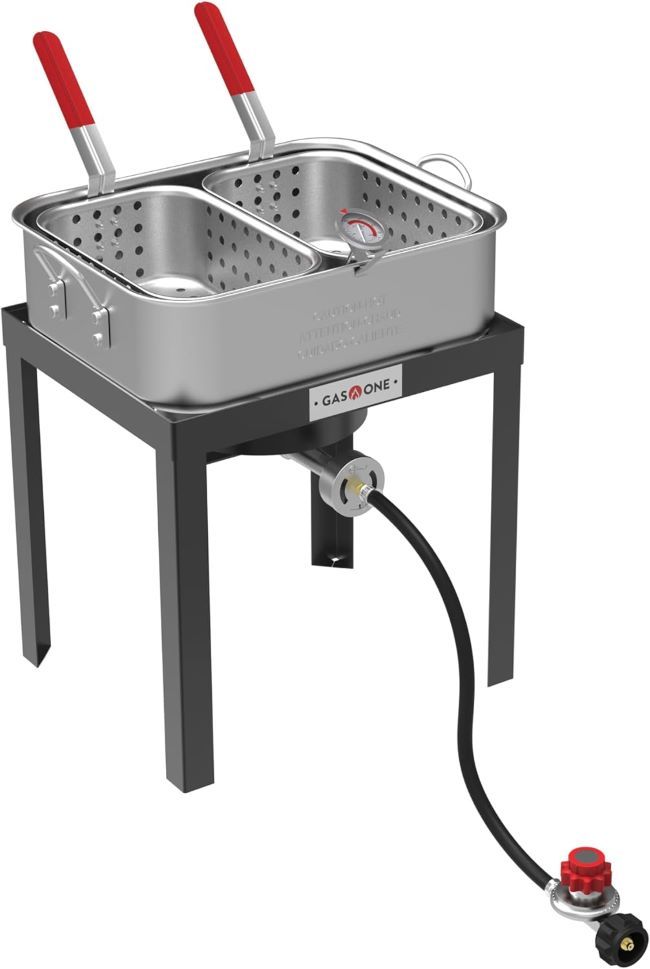
Bayou Classic 3016 30-Quart Outdoor Turkey Fryer with Basket and Fry Pot
How to clean air fryer?
Conclusion
Deep fryers with oil filtration systems address the most tedious aspect of home frying through different mechanical approaches. Automatic systems like the T-fal offer maximum convenience for frequent users willing to maintain filters. Manual systems with removable containers provide flexibility and control for cooks who prefer hands-on oil management. Hybrid approaches with drain valves or filter screens balance simplicity with some filtration benefits.
Your cooking frequency determines which system makes sense. Daily or weekly frying justifies automated convenience and filter costs. Monthly use works better with simpler manual systems that have less to maintain. The food types you fry also matter; varied menus benefit from removable containers that let you manage separate oils, while single-food cooking works fine with any filtration approach.
Capacity needs depend more on typical cooking scenarios than maximum specifications. Right-sizing to your actual portions reduces oil waste and counter space usage. Temperature control quality affects results more than capacity, with accurate controls and fast recovery producing consistently better food.
Choose based on how you actually cook rather than ideal scenarios. A fryer that matches your real patterns will see more use than a complex model that sits in the cabinet because it is too much work for casual frying.
Frequently Asked Questions
How often should I filter oil in a deep fryer?
Filter oil after each use if you fry heavily battered or breaded foods, as they shed more particles. For cleaner items like french fries, filtering every two to three uses works adequately.
Can I mix different types of oil in a fryer with filtration?
Avoid mixing oils with different smoke points, as the lower temperature oil degrades faster. Mixing vegetable and peanut oil works since both handle high heat, but mixing olive oil with high-heat oils causes problems.
Do automatic filtration systems completely eliminate oil changes?
No system eliminates oil changes entirely. Filtration removes particles but cannot reverse chemical breakdown from heat exposure. Oil still needs changing when it darkens, develops off odors, or foams excessively.
What size fryer handles a whole chicken?
A 4-liter or larger fryer handles a cut-up chicken in two to three batches. Whole chickens require specialized equipment like turkey fryers due to their size and the oil volume needed for submersion.
Are drain valve systems as effective as automatic filtration?
Drain valves simplify oil removal but require external filtration to match automatic system effectiveness. The valve itself does not filter; it only makes draining easier before you filter manually.