How to Choose Core Mini Replacement Filter

World Food Championships 2026: Dates, Tickets, Schedule, Competitions, and Location
September 12, 2026
How to Use Cuisinart 14 Inch Charcoal Grill
September 20, 2026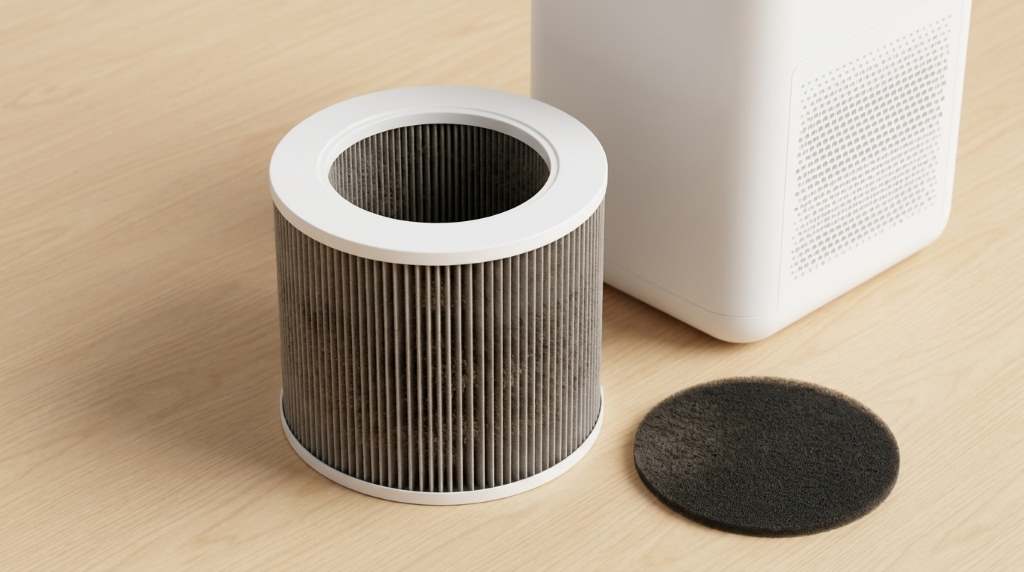
Choose a replacement filter by matching your exact Core Mini model, filter code, size, and filtration design. The Core Mini Replacement Filter should also provide the correct particle and odor filtration for your room. Modern Core Mini filters use three filtration stages, while the main filter can capture up to 99.97% of particles at 0.3 microns.
However, filter listings often use similar names, which can make ordering confusing. Therefore, checking compatibility before buying prevents poor fit, wasted money, and reduced purifier performance.
Key Takeaways
- Match the replacement filter with your exact Core Mini model.
- Check the filter code before trusting a marketplace product title.
- Look for compatible particle, prefilter, and carbon filtration stages.
- Confirm the cylindrical shape and physical dimensions before ordering.
- Inspect packaging carefully and remove protective plastic before use.
- Clean the washable exterior prefilter when appropriate, but replace the main filter as needed.
Start With Your Exact Core Mini Model
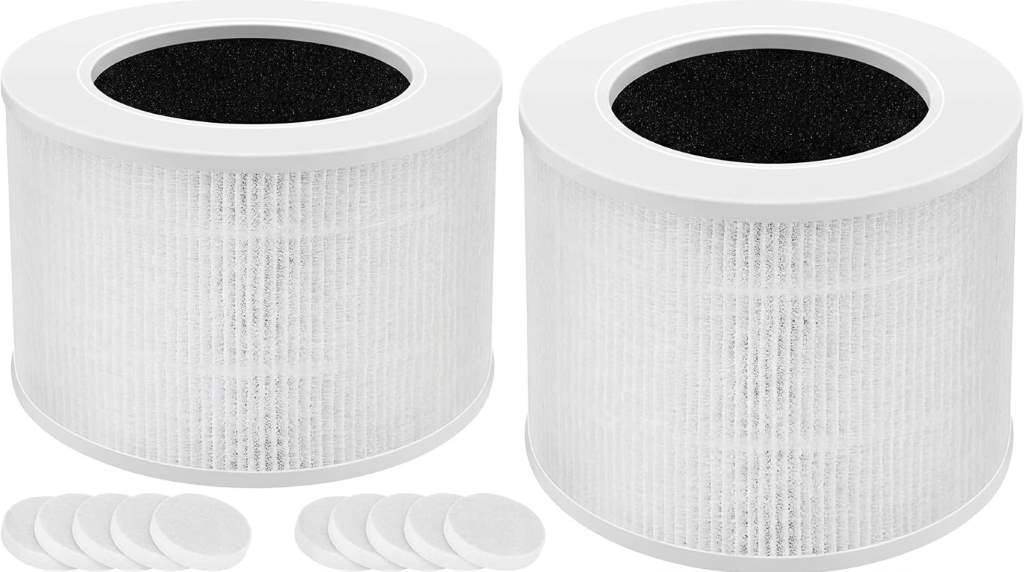
The model name gives you the first compatibility clue, but it should not provide your only check. Levoit sells replacement filters under closely related Core Mini product names.
For that reason, inspect the identification label on your purifier before opening a shopping page. Record the complete model name, including any letters or suffixes shown after Core Mini.
Core Mini And Core Mini P Need Careful Checking
One major buying mistake involves treating every Core Mini filter as automatically interchangeable. Current manufacturer listings show separate replacement filter products for Core Mini and Core Mini P models.
Therefore, do not rely only on the phrase Core Mini in a marketplace title. Match your purifier model with the replacement filter description, product code, and packaging information.
Check The Filter Code Before Buying
Product codes provide a stronger identification method than generic marketplace descriptions. A seller can accidentally use a broad title, while the printed filter code identifies the actual replacement cartridge.
Look for the reference number on your existing filter, purifier documentation, or the manufacturer’s product information. Then compare that reference with the replacement listing before completing your purchase.
Why Product Codes Matter
Core product families often contain several purifiers with different filter shapes and airflow requirements. A similar looking cartridge can still fail to seat correctly inside your purifier.
Consequently, matching the code reduces confusion between Core Mini, Core 200, Core 300, and other Core series models. Never assume that similar branding means interchangeable filters.
Understand The Three Filtration Stages
A good replacement filter should support the filtration system designed for your purifier. The Core Mini filtration design combines a prefilter, main particle filter, and activated carbon layer.
Each layer performs a different task, so the complete cartridge matters. Buying a cartridge with missing or inferior layers can change how the purifier handles dust, fine particles, and odors.
Prefilter
The prefilter catches larger particles before they reach the main filtration material. Hair, dust, and larger airborne debris can collect on this outer layer during normal use.
Keeping this surface reasonably clean can reduce unnecessary loading on the deeper filter material. However, follow the purifier’s maintenance instructions before washing or cleaning any filter component.
Main Particle Filter
The main filter handles much smaller airborne particles that pass through the prefilter. Current manufacturer information describes filtration capable of removing 99.97% of particles down to 0.3 microns.
This stage matters most when you want filtration for fine dust, smoke particles, pollen, and similar airborne contaminants. Therefore, inspect the filter specification instead of relying on vague terms such as high quality.
Activated Carbon Layer
Activated carbon targets gases and household odors rather than simply trapping particles. This layer can matter when cooking smells, pet odors, smoke, or other unwanted smells concern you.
Therefore, avoid replacement cartridges that focus only on particle filtration when odor control matters. A complete filter should retain the carbon layer required by the purifier’s design.
Compare Original And Third Party Filters Carefully
Third party filters can appear attractive because sellers often emphasize lower cost or multiple filters per package. However, compatibility involves more than matching the outside shape.
Manufacturers design filters around airflow resistance, sealing, filtration media, and internal dimensions. A poorly matched cartridge can create gaps, airflow problems, or inaccurate replacement reminders.
When An Original Filter Makes Sense
An original filter provides a straightforward compatibility path because the manufacturer designs it for the specified purifier. It also makes product identification easier when the listing provides a verified model and filter reference.
Moreover, some purifier systems use filter life algorithms or indicators that depend on the expected filter design. Therefore, an original cartridge can reduce uncertainty when those features matter to you.
What To Check With Third Party Filters
If you consider a third party option, examine its complete specifications rather than its headline claims. Check the exact compatible models, filter dimensions, filtration stages, and material descriptions.
Also, inspect customer feedback for recurring complaints about loose fits, strong odors, damaged filters, excessive airflow noise, or poor construction. Several specific complaints can reveal problems that a product title will not show.
Confirm The Physical Fit Before Ordering
Filter compatibility also depends on physical dimensions and shape. The Core Mini uses a compact cylindrical filter design, so the cartridge must fit the purifier housing correctly.
Measure your existing cartridge if you cannot confirm the replacement code. Compare its diameter, height, opening, and overall shape with the replacement specification.
Check These Measurements
- Overall filter height
- Outer diameter
- Inner opening diameter
- Filter shape
- Top and bottom construction
- Sealing surfaces
Do not force a replacement cartridge into the housing when the fit feels unusually tight. Likewise, avoid operating the purifier with a cartridge that leaves obvious gaps around the sealing area.
Match The Filter To Your Indoor Air Concerns
Your room conditions should influence the filtration features you prioritize. A bedroom with ordinary dust creates different demands than a room exposed to cooking odors or smoke.
For general dust, pollen, and pet dander, focus on the particle filtration stage and proper fit. For odor concerns, give additional attention to the activated carbon layer.
For Pet Owners
Pet owners should look for strong prefilter coverage because hair and larger debris can accumulate quickly. Regular surface cleaning can also help maintain airflow around the filter.
However, do not expect the filter to replace regular cleaning throughout the room. Vacuuming floors, bedding, furniture, and pet areas still reduces the amount of debris entering the purifier.
For Smoky Environments
Smoke introduces both particles and gases, so filtration needs involve more than particle capture. A replacement filter with an activated carbon layer can provide broader filtration than a particle filter alone.
Even so, an air purifier does not eliminate every source of indoor smoke. Remove the source whenever possible and provide appropriate ventilation when conditions allow.
For Cooking Odors
Cooking can produce fine particles and persistent odors at the same time. Therefore, a replacement cartridge with both particle filtration and activated carbon provides a more suitable combination.
Place the purifier where it can receive room air without blocking its intake or outlet. Good airflow around the unit helps the filter process air efficiently.
Know When The Filter Needs Replacement
Do not judge filter condition only by calendar age. Actual filter loading depends on room conditions, operating frequency, particle levels, pets, smoke exposure, and other factors.
Instead, monitor the filter indicator when your purifier provides one. Also inspect the filter for visible loading, unusual odors, restricted airflow, or declining performance.
Common Replacement Warning Signs
- The filter surface looks heavily loaded with dust.
- Airflow feels weaker than normal.
- Unwanted odors remain noticeable despite regular operation.
- The purifier displays a replacement reminder.
- The purifier operates differently after extended use.
These signs do not always prove that the filter caused every performance issue. Still, they provide useful reasons to inspect the cartridge and review the purifier’s maintenance instructions.
Handle And Store Replacement Filters Correctly
Replacement filters often arrive sealed to protect the filtration material during storage. Keep the cartridge sealed until you are ready to install it.
After opening the package, remove every protective plastic layer before operating the purifier. Leaving packaging around the cartridge can restrict airflow and prevent proper filtration.
Store unused filters in a clean, dry location away from excessive moisture and contamination. Avoid placing heavy objects on the cartridge because deformation can affect its fit.
Install The Replacement Filter Properly
Turn off the purifier and disconnect power before replacing the cartridge. Then remove the old filter according to the manufacturer’s installation sequence.
Clean the surrounding filter compartment before installing the new cartridge. Next, position the replacement filter correctly and make sure it sits evenly inside the housing.
Use This Installation Checklist
- Switch off and unplug the purifier.
- Remove the old cartridge carefully.
- Clean loose dust from the filter compartment.
- Remove protective packaging from the new filter.
- Seat the cartridge evenly and securely.
- Close the housing completely.
- Reconnect power and check normal operation.
- Reset the filter reminder when the model requires it.
After installation, listen for unusual sounds and check airflow from the purifier. A strange noise or poor fit deserves inspection before extended operation.
How To Avoid Common Buying Mistakes
Many replacement filter problems begin before the filter reaches the purifier. Buyers often search by a broad product name and purchase the first visually similar cartridge.
Instead, follow a fixed verification process every time. Confirm the model, filter code, dimensions, filtration stages, seller details, and package contents before ordering.
Mistake 1: Matching Only The Brand
Knowing that the purifier comes from Levoit does not identify the correct filter. The brand produces several Core series models with different replacement cartridges.
Always narrow the search to the exact purifier model. Then verify the replacement filter against manufacturer information.
Mistake 2: Ignoring The Model Suffix
Small differences in model names can create large compatibility problems. Therefore, read every letter and number on the purifier label.
Do not treat Core Mini and Core Mini P as interchangeable without confirming the exact replacement specification. This simple check can prevent an unnecessary return.
Mistake 3: Buying By Appearance
A cylindrical filter can look correct while using different dimensions or filtration materials. Consequently, visual similarity should support compatibility research, not replace it.
Compare specifications and filter codes before judging a cartridge by appearance. This approach works especially well when marketplace listings use generic product photography.
Mistake 4: Forgetting The Carbon Layer
Some buyers focus only on particle filtration and overlook odor control. If smells matter in your room, verify that the replacement includes activated carbon.
This distinction becomes especially useful around kitchens, pets, smoke, and other odor producing environments. Match the filter’s function with your actual indoor air concerns.
A Simple Buying Checklist
Use the following checklist whenever you need another replacement cartridge. It turns a confusing product search into a short verification process.
- Identify the exact purifier model.
- Record the complete model suffix.
- Find the replacement filter reference.
- Compare physical dimensions.
- Confirm the three filtration stages.
- Check particle filtration specifications.
- Confirm activated carbon coverage.
- Review seller and packaging details.
- Check the number of filters included.
- Confirm return eligibility before ordering.
Following these steps takes less time than dealing with an incompatible cartridge later. More importantly, it helps maintain consistent airflow and filtration performance.
What Competitor Guides Often Miss
Many replacement filter pages focus heavily on product descriptions and basic compatibility. However, buyers also need help distinguishing closely named Core Mini models before placing an order.
This distinction creates one of the most important content gaps around the topic. A useful guide should explain model suffixes, filter codes, physical fit, filtration layers, installation, and replacement warning signs together.
Another overlooked area involves buying decisions beyond authenticity. Readers need practical guidance for comparing original and third party filters without relying on price alone.
Therefore, inspect filtration construction, compatibility evidence, dimensions, packaging, seller information, and customer feedback. These checks provide stronger evidence than a generic claim such as premium replacement.
Core Mini Filter Questions Answered
How do I know which Core Mini filter I need?
Match the exact purifier model and filter reference with the replacement cartridge before ordering.
Does every Core Mini use the same replacement filter?
No, verify the exact model and suffix because related Core Mini products can have separate replacement listings.
How often should I replace the Core Mini filter?
Replace it according to the purifier indicator, manufacturer guidance, and actual filter condition rather than relying on one fixed schedule.
Can I use a third party Core Mini filter?
You can consider one when its model compatibility, dimensions, filtration stages, and construction clearly match your purifier.
Does the Core Mini filter remove odors?
Yes, the activated carbon layer helps reduce household odors and certain gases while the other stages handle airborne particles.
Final Buying Advice
The safest way to select a Core Mini replacement filter starts with exact identification. Match the purifier model, suffix, filter reference, dimensions, filtration stages, and package details before buying.
Then consider your room conditions and choose filtration that addresses your actual needs. Before installation, inspect the cartridge, remove its protective packaging, and ensure it seats correctly.
If you need a replacement now, use the checklist above before placing your order. Taking a few minutes to verify compatibility can help your Core Mini deliver dependable filtration without unnecessary returns.