Amazon Basics 20x20x1 Air Filter Whistling: Causes and Fixes

How to Foam Milk With a Zulay Kitchen Frother
August 11, 2026
How to Fix an Amazon Basics 2-Slice Toaster
August 11, 2026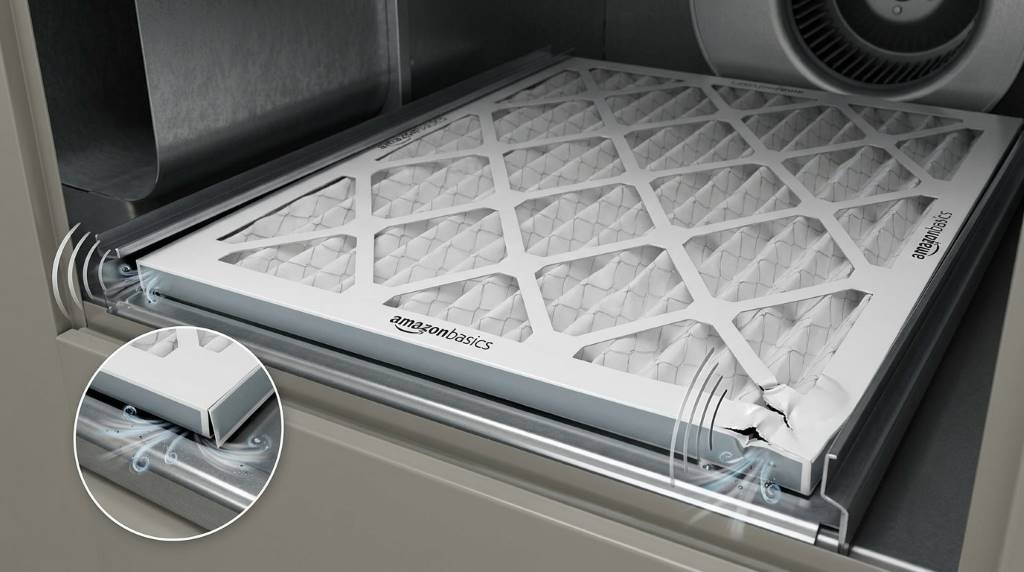
Your Amazon Basics 20x20x1 air filter may whistle because air squeezes through restricted or poorly sealed areas. A clogged filter, incorrect installation, excessive airflow, or duct leakage commonly creates this sound. The Amazon Basics 20x20x1 air filter should allow steady airflow without producing a sharp whistle. Even a small airflow restriction can create noticeable pressure changes inside your HVAC system. Manufacturers commonly recommend checking filters around every 30 to 90 days, depending on household conditions.
What Causes an Air Filter to Whistle?
A whistling filter usually signals an airflow problem rather than a defective filter. Air accelerates when it passes through a narrow opening, which can create a high pitched sound.
Therefore, the filter itself may work correctly while another component creates the noise. The most useful approach involves checking the filter, housing, airflow, and surrounding ductwork.
Restricted Airflow
A dirty filter forces your HVAC system to pull air through a smaller usable surface area. Consequently, the system creates stronger suction around the filter.
That stronger suction can make air squeeze through tiny gaps around the filter frame. The resulting turbulence often produces a noticeable whistle during heating or cooling cycles.
Improper Filter Installation
Your filter must sit squarely inside its designated slot. If the frame sits crooked, air can pass around its edges.
That bypass airflow can create turbulence between the filter and housing. Additionally, a loose fit can produce vibrations that make the whistle sound louder.
Incorrect Filter Size
A 20x20x1 filter should match the HVAC system’s specified dimensions. However, nominal filter sizes can differ slightly from their actual measurements.
A filter that fits loosely can allow air around the frame. Meanwhile, an oversized filter can restrict airflow or prevent proper seating.
Excessive HVAC Airflow
Your blower fan may move more air than the filter system can handle quietly. High blower settings can increase pressure across the filter.
As a result, even a clean filter may whistle under certain operating conditions. A technician can measure system airflow and static pressure when needed.
How to Stop the Whistling Noise
Start with simple checks before investigating deeper HVAC problems. Most filter related whistles require only a few careful adjustments.
1. Turn Off the HVAC System
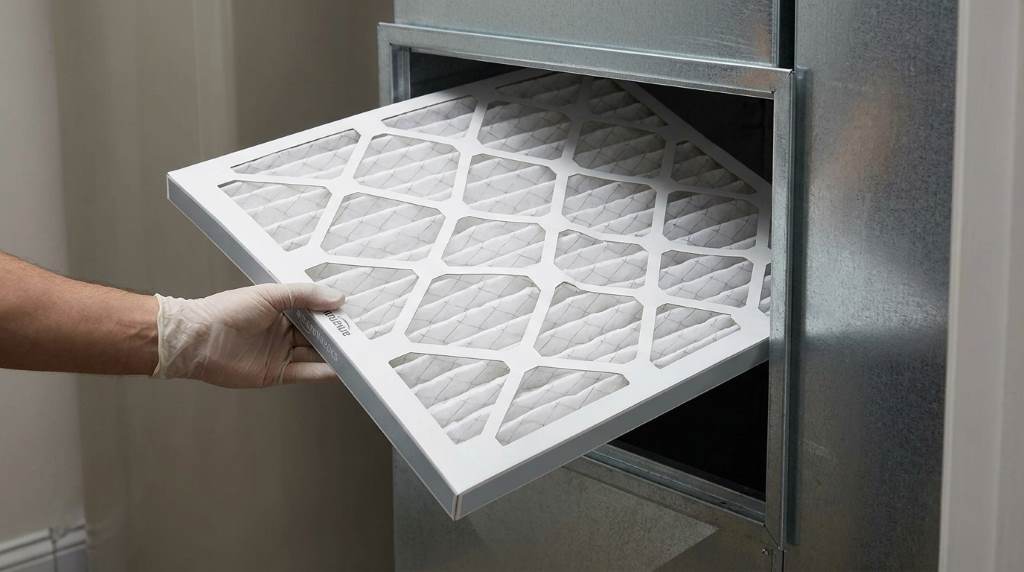
Switch off your heating or cooling system before removing the filter. This prevents moving air from complicating your inspection.
Next, wait briefly until the blower stops completely. Then remove the filter carefully without bending its frame.
2. Inspect the Filter Condition
Hold the filter under good lighting and inspect its entire surface. Look for heavy dust, pet hair, and visible debris.
If the filter looks heavily loaded, replace it with the correct replacement. Never wash a disposable filter unless its packaging specifically permits cleaning.
3. Check the Airflow Direction
Most pleated filters include an arrow showing the correct airflow direction. The arrow should point toward the blower or air handling equipment.
Installing the filter backward can increase airflow resistance. Therefore, always follow the directional marking before restarting your HVAC system.
4. Confirm the Filter Fits Properly
Slide the filter completely into its slot without forcing the frame. Check whether the filter sits evenly against the surrounding housing.
Small gaps deserve attention because bypass airflow can produce sharp sounds. However, do not permanently seal removable filter access panels.
5. Inspect the Filter Door
A loose filter door can vibrate when the blower operates. It can also create an opening that pulls air through a narrow gap.
Close the panel securely after installing the filter. Then listen for changes during the next heating or cooling cycle.
Why a Clean Filter Can Still Whistle
A clean filter does not automatically rule out airflow problems. Your HVAC system can create excessive pressure even with a new filter.
For example, restrictive ductwork can force air through smaller passages. Likewise, closed supply registers can increase pressure throughout parts of the system.
Blocked Return Air
Your HVAC system needs unrestricted return air to operate efficiently. Furniture, curtains, rugs, or household items can obstruct return grilles.
When return airflow drops, the blower may pull harder through the available opening. Consequently, the filter can whistle even when it looks perfectly clean.
Closed Supply Registers
Closing several supply registers can change the system’s airflow balance. The blower still attempts to move air through fewer open outlets.
This imbalance can increase pressure and create unexpected sounds. Open the registers fully and observe whether the whistle changes.
Dirty Evaporator Coil
A dirty evaporator coil can restrict airflow after air passes through the filter. Dust buildup can gradually reduce the available air passage.
In that situation, replacing the filter alone may not solve the noise. A qualified HVAC technician should inspect the coil safely.
Check for Air Leaks Around the Filter
Air leaks can create whistling when air passes through narrow openings. The filter compartment deserves particular attention because pressure changes occur there.
Listen around the filter edges while the HVAC system runs. A whistle that changes when you press the access panel suggests a sealing issue.
However, avoid covering vents or permanently modifying the filter housing yourself. Improper sealing can interfere with maintenance and system airflow.
Could the Filter Be Too Restrictive?
Some high efficiency filters create more resistance than basic filters. Your HVAC system must support the filter’s airflow requirements.
Therefore, avoid selecting a filter solely because it offers a higher filtration rating. Follow the HVAC manufacturer’s recommended filter specifications instead.
Understanding Filter Resistance
Every filter creates some resistance as air passes through its media. Dust buildup increases that resistance over time.
Higher resistance can increase blower workload and change airflow noise. Thus, the correct filter balances filtration performance with the system’s airflow capacity.
What the Whistle Can Tell You
| Whistle Behavior | Likely Cause | Recommended Action |
|---|---|---|
| Starts after filter replacement | Installation or fit issue | Recheck seating and airflow direction |
| Gets louder as filter gets dirty | Restricted filter airflow | Replace the filter |
| Continues with a new filter | System airflow restriction | Inspect return and supply airflow |
| Changes when panel moves | Air leak or vibration | Inspect the filter compartment |
| Occurs only at high fan speed | Excessive airflow or pressure | Check blower settings and static pressure |
When You Should Call an HVAC Professional
A persistent whistle deserves professional attention when basic filter checks produce no improvement. The noise may indicate a deeper airflow or ductwork problem.
Contact an HVAC professional if you notice weak airflow, unusual odors, icing, or repeated system shutdowns. These symptoms can indicate conditions that require proper testing.
A technician can measure static pressure, inspect ductwork, evaluate blower operation, and examine internal components. Those measurements provide better answers than guessing from sound alone.
How to Prevent Future Filter Whistling
Regular filter maintenance can prevent many airflow related noises. However, your replacement schedule should reflect actual household conditions.
- Inspect the filter monthly during heavy HVAC use.
- Replace heavily loaded disposable filters promptly.
- Keep return grilles clear of furniture and household items.
- Keep supply registers open unless your system allows balancing adjustments.
- Install the filter according to the airflow arrow.
- Confirm the replacement filter matches the specified size.
- Listen for new sounds after every filter replacement.
- Schedule professional inspection when noise persists.
Common Mistakes That Make Whistling Worse
Many homeowners respond to filter noise by installing an increasingly restrictive filter. That approach can increase airflow resistance instead of solving the underlying problem.
Another mistake involves ignoring the filter compartment itself. A loose panel, damaged frame, or poorly fitted filter can create surprisingly loud airflow noise.
Some homeowners also close several registers to redirect conditioned air. However, this can disrupt airflow balance and increase system pressure.
Is a Whistling Filter Dangerous?
A brief whistle does not automatically indicate an emergency. Still, persistent airflow noise deserves attention because restricted airflow can strain HVAC components.
Watch for worsening symptoms instead of ignoring the sound indefinitely. Reduced comfort, unusual cycling, icing, or weak airflow should prompt professional inspection.
Frequently Asked Questions
Why does my Amazon Basics 20x20x1 air filter whistle?
It usually whistles because restricted airflow or an imperfect filter seal creates turbulent air movement.
Can a dirty air filter cause whistling?
Yes, a loaded filter can increase airflow resistance and create stronger suction around the filter.
Should I replace a whistling air filter?
Replace it if dust buildup appears heavy or the filter has reached its normal replacement interval.
Can the wrong filter size cause whistling?
Yes, an incorrect size can create gaps or excessive restriction that produces noticeable airflow noise.
When should I call an HVAC technician?
Call a technician when whistling continues after filter checks or appears with weak airflow and other system symptoms.
Final Takeaway
Your Amazon Basics 20x20x1 air filter probably whistles because air faces restriction or escapes around the filter. Start by checking its condition, orientation, fit, filter door, and surrounding airflow.
If those checks fail, investigate return airflow, supply registers, duct restrictions, and blower settings. Do not keep replacing filters without finding the reason behind persistent noise.
Take action when the whistle first appears, and your HVAC system can often avoid unnecessary airflow stress. If the sound continues, schedule an HVAC inspection for accurate pressure and airflow testing.