How to Maintain Kitchen Appliances for Maximum Lifespan: Expert Tips & Tricks

Affordable Slow Cookers & Multi-Cookers 2026: Which Model Actually Saves Time, Money & Kitchen Space?
March 6, 2026
Best Affordable Outdoor BBQ Grills: Hidden Gems for Perfect Backyard Barbecues
March 12, 2026
Kitchen appliances are the unsung heroes of our homes. They work tirelessly—until they don’t. The average American household spends over $1,500 annually on appliance repairs and replacements, according to a 2025 HomeAdvisor report. Yet, most breakdowns aren’t due to manufacturing defects. They’re caused by neglect, improper use, and lack of basic maintenance.
The good news? With the right kitchen appliance care, you can extend appliance lifespan by 30-50%. That means fewer repairs, lower energy bills, and more money in your pocket. This guide reveals expert-approved appliance maintenance tips to keep your kitchen running smoothly for years.
The Hidden Costs of Ignoring Appliance Maintenance
Before diving into solutions, let’s talk about what happens when you don’t maintain kitchen appliances.
1. Skyrocketing Energy Bills
A dirty refrigerator coil forces the compressor to work harder, increasing energy use by up to 30%, per Energy Star. Clogged dryer vents can spike electricity costs by $18-$24 monthly. Over a year, that’s $200+ wasted—just because of dust and grime.
2. Premature Replacement Costs
The average lifespan of a well-maintained refrigerator is 13-17 years. But without care, it may die in 8-10 years. Replacing a fridge costs $800-$2,500. Multiply that by every appliance in your kitchen, and neglect becomes a financial disaster.
3. Health Hazards You Can’t See
Mold in dishwashers, bacteria in garbage disposals, and food residue in microwaves create breeding grounds for E. coli and salmonella. The CDC reports that 1 in 6 Americans get sick from foodborne illnesses yearly—many traced back to unclean appliances.
4. Void Warranties
Most manufacturers require proof of regular maintenance for warranty claims. Skip oil changes on your car, and the dealership won’t cover engine failure. The same applies to kitchen appliances.
Bottom line: Maintenance isn’t optional—it’s a money-saving, health-protecting necessity.
How to Maintain Kitchen Appliances: A Room-by-Room Guide
Now, let’s break down appliance maintenance tips for every major kitchen workhorse.
1. Refrigerator: The Heart of Your Kitchen
Why it fails: Dust-clogged coils, faulty door seals, and overstuffed shelves strain the motor.
Monthly Maintenance Checklist
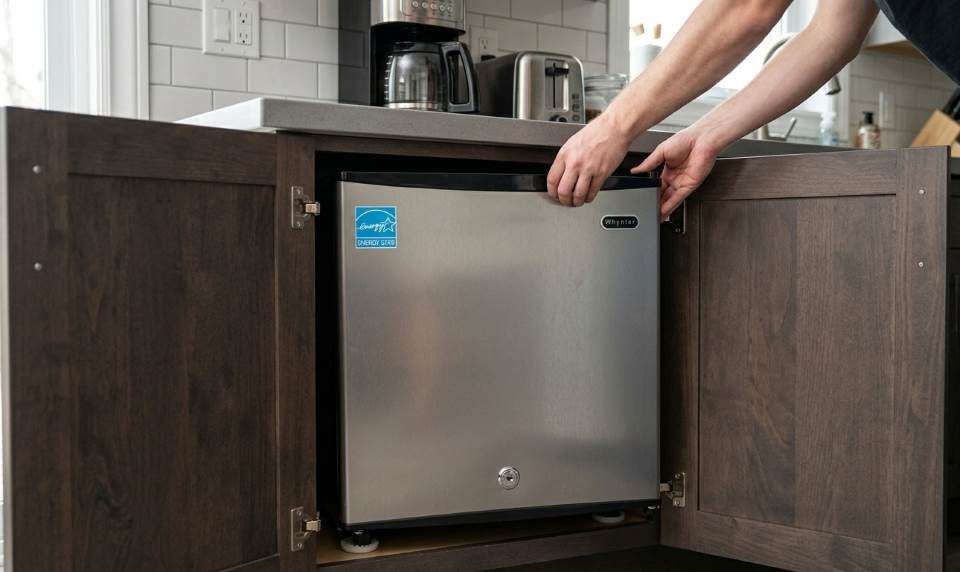
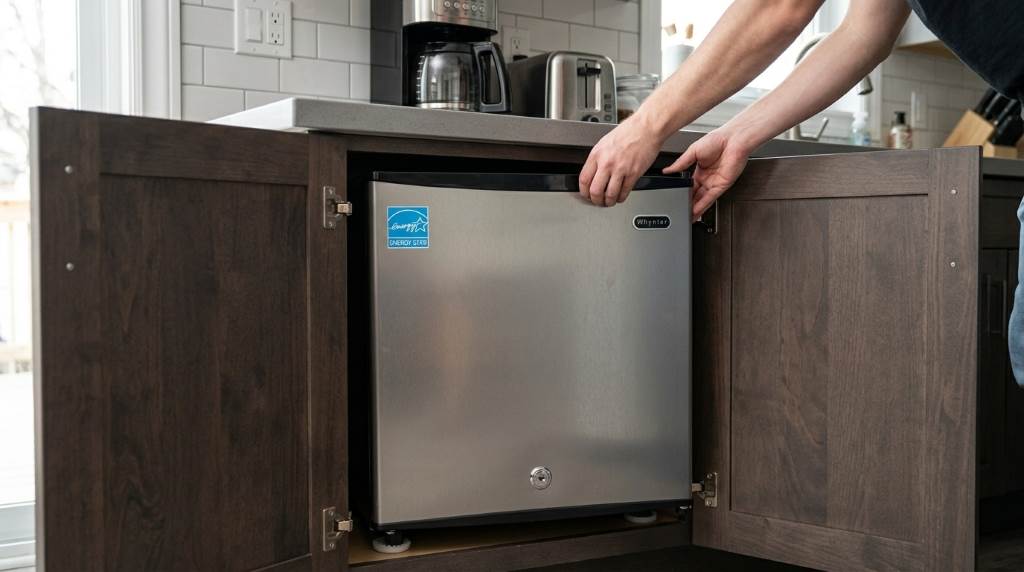
- Clean the coils: Unplug the fridge, locate the coils (usually at the back or bottom), and vacuum dust buildup. Dirty coils force the compressor to overwork, cutting lifespan by 2-3 years.
- Check door seals: Slide a dollar bill between the seal and the door. If it slips out easily, replace the gasket. Leaky seals waste 5-10% more energy.
- Defrost the freezer: Ice buildup thicker than ¼ inch reduces efficiency. Use a plastic scraper—not metal—to avoid damaging the lining.
- Organize for airflow: Keep shelves 70% full to allow cold air circulation. Overpacking causes temperature spikes.
Pro Tip: Place an open box of baking soda inside to neutralize odors naturally.
2. Oven & Stove: Where Flavor (and Problems) Heat Up
Why it fails: Grease buildup, faulty igniters, and misaligned burners cause uneven cooking and fire risks.
Quarterly Maintenance Routine
- Deep-clean burners: Remove grates and soak in hot, soapy water with vinegar for 30 minutes. Scrub with a non-abrasive pad. Grease fires cause 20% of kitchen blazes (NFPA).
- Calibrate the thermostat: Use an oven thermometer to check accuracy. If off by 10°F+, recalibrate or call a technician.
- Inspect the igniter (gas stoves): A weak igniter causes delayed lighting and gas leaks. Replace if it takes more than 2 seconds to ignite.
- Clean the exhaust hood: Wipe filters monthly with degreaser. Clogged vents recirculate smoke and grease, damaging lung health.
Expert Insight: Self-cleaning ovens aren’t maintenance-free. Run the cycle every 3 months to prevent carbon buildup.
3. Dishwasher: The Silent Workhorse
Why it fails: Food debris, hard water, and worn-out seals lead to poor cleaning and leaks.
Bi-Weekly Care Plan
- Scrape, don’t rinse: Pre-rinsing wastes 20 gallons of water per load. Scrape off large debris; the detergent needs food particles to activate.
- Vinegar rinse: Run a cycle with 1 cup white vinegar monthly to dissolve mineral deposits. Hard water cuts dishwasher life by 30%.
- Clean the filter: Remove and rinse under hot water weekly. A clogged filter redistributes food waste onto dishes.
- Check spray arms: Ensure holes aren’t blocked. Use a toothpick to clear debris.
Warning Sign: If dishes come out cloudy, your water is too hard. Install a water softener or use rinse aid.
4. Microwave: The Speedy (But Sensitive) Cook
Why it fails: Food splatters, door seal wear, and overuse of high power settings damage the magnetron.
Weekly Upkeep
- Wipe interior after each use: Food splatters absorb microwaves, causing hot spots and uneven cooking.
- Test the door seal: Close the door on a piece of paper. If it slides out easily, the seal is weak—replace it immediately.
- Avoid metal and foil: Sparks damage the interior lining. Use microwave-safe glass or ceramic.
- Run a lemon steam clean: Microwave 1 cup water + lemon slices for 3 minutes. Wipe away loosened grime.
Fun Fact: Microwaves lose 1-2% efficiency yearly from normal wear. Proper care slows this decline.
5. Coffee Maker: Your Morning Lifeline
Why it fails: Mineral buildup, old filters, and stale water ruin taste and clog pipes.
Monthly Brew Care
- Descale with vinegar: Mix equal parts water and vinegar, run a cycle, then rinse with 2 water-only cycles. Limescale reduces heating efficiency by 50%.
- Replace the water filter: If your model has one, change it every 2 months or after 60 uses.
- Clean the carafe: Wash with baking soda paste to remove coffee oils that turn rancid.
- Store beans properly: Keep them in an airtight container away from heat to prevent flavor transfer.
Barista Secret: Run a blank water cycle daily to flush out old grounds.
6. Garbage Disposal: The Underappreciated Hero
Why it fails: Grease, fibrous foods, and lack of cleaning jam blades and corrode pipes.
Weekly Disposal Drill
- Grind ice cubes: Toss in 1 cup ice + ½ cup rock salt to sharpen blades and dislodge debris.
- Avoid these foods: Eggshells (membrane wraps around blades), potato peels (starchy sludge), and celery (fibers tangle).
- Freshener trick: Grind citrus peels + baking soda to deodorize.
- Run cold water: Always use cold water (not hot) to solidify grease for easier grinding.
Plumber’s Advice: If it hums but doesn’t grind, press the reset button under the sink before calling for repairs.
7. Blender & Food Processor: The Power Tools
Why it fails: Overloading, dull blades, and liquid leaks burn out motors.
Post-Use Habits
- Disassemble and dry: Moisture in crevices breeds mold. Air-dry parts before storing.
- Sharpen blades: Use a whetstone or replace dull blades yearly. Dull blades overwork the motor.
- Avoid overfilling: Fill no more than ⅔ full to prevent motor strain.
- Lubricate seals: Apply food-grade silicone grease to gaskets annually.
Chef’s Hack: Blend 1 cup water + drop of dish soap for 10 seconds to self-clean.

Professional Tips to Extend Appliance Lifespan
Beyond DIY care, these expert strategies add years to your appliances:
1. Read the Manual (Seriously!)
80% of users skip the manual, missing critical maintenance schedules. Manufacturers like GE and Whirlpool provide model-specific guides online.
2. Invest in a Surge Protector
Power surges fry circuit boards. A $20 surge protector can save a $1,000 appliance.
3. Schedule Annual Professional Tune-Ups
Technicians spot issues before they escalate. Sears Home Services reports that preventive checks reduce breakdowns by 40%.
4. Use Appliances as Intended
Don’t dry shoes in the oven or thaw meat in the dishwasher. Misuse voids warranties and accelerates wear.
5. Upgrade to Smart Appliances (If Budget Allows)
Models with self-diagnostic features (like Samsung’s Family Hub fridge) alert you to issues early.
Related topics:
1) How to Choose the Best Kitchen Appliances
2) What is the Purpose of Different Kitchen Appliances
7 FAQs About Kitchen Appliance Maintenance
1. How often should I clean my refrigerator coils?
Every 3-6 months, or more if you have pets. Pet hair clogs coils faster.
2. Can I use bleach to clean my dishwasher?
No. Bleach corrodes seals and leaves toxic residue. Use vinegar or dishwasher cleaner instead.
3. Why does my microwave smell like burning?
Likely food debris on the turntable or wave guide. Unplug, inspect, and clean with baking soda paste.
4. Is it worth repairing a 10-year-old appliance?
Depends. If repair costs exceed 50% of replacement value, upgrade. For example, a $300 fridge repair on a $600 model isn’t worth it.
5. How do I remove hard water stains from my coffee maker?
Soak removable parts in equal parts water and white vinegar for 1 hour. For stubborn stains, use citric acid.
6. Can I put aluminum foil in the oven?
Only on lower racks to catch drips. Never let it touch the oven walls—it can cause arcing.
7. What’s the best way to clean a blender?
Fill halfway with warm water + drop of dish soap, blend for 10 seconds, then rinse.
Conclusion: Your Appliances Deserve a Little Love
Kitchen appliances are investments, not disposable gadgets. With proper maintenance, a $1,000 fridge can last 15+ years instead of 8. A $500 oven can keep baking perfect pies for decades.
Start small:
- This week: Clean one appliance thoroughly.
- This month: Schedule a professional tune-up.
- This year: Replace worn-out parts before they fail.
Your future self—and wallet—will thank you.
Call to Action: What’s Your Next Step?
Which appliance needs attention first? Share your maintenance wins (or horror stories) in the comments! And if this guide helped, bookmark it for your next kitchen deep-clean.
Featured Image Source