How to Clean the Scale Out of Your CO-Z Water Distiller Without Harsh Chemicals

Best Kitchen Faucets in California (CA) – Which Upgrade Makes Daily Kitchen Tasks Easier?
May 27, 2026
How to Cook Entire Meals Using a Smart Air Fryer Oven
June 6, 2026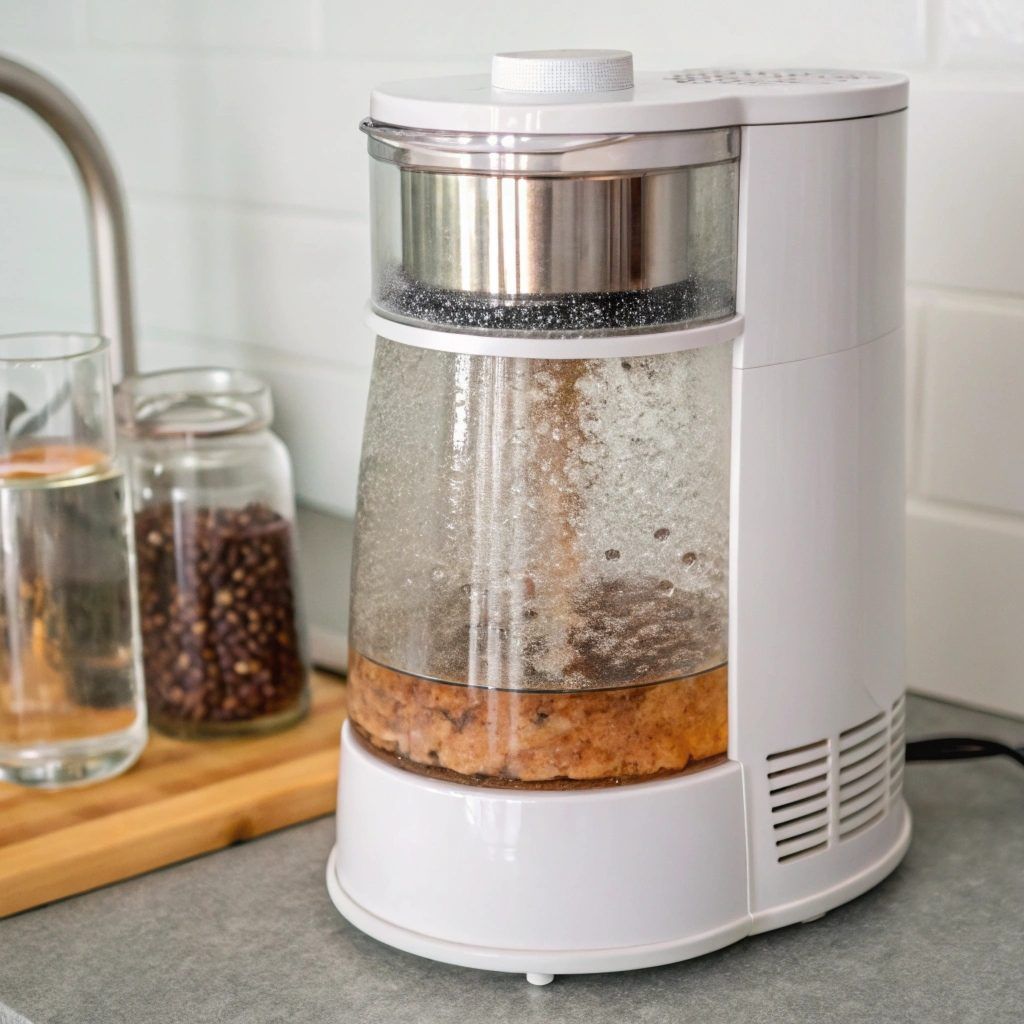
If you use your CO-Z Countertop Water Distiller regularly, you already know the satisfying feeling of drinking 100% pure, molecularly clean water. But if you peer into the stainless steel boiling chamber after a few cycles, you will encounter a much less satisfying sight: a crusty, white, brown, or gray residue baked onto the bottom.
That chalky buildup is scale—a concentration of calcium, magnesium, and other minerals that your distiller successfully intercepted so they wouldn’t enter your body.
While it means your CO-Z is doing its job perfectly, letting that scale build up will reduce the machine’s heating efficiency, increase your electric bill, and eventually cause the cooling element to overheat. Fortunately, you don’t need to buy toxic, industrial chemical descalers to get it pristine again. Here is how to clean your CO-Z distiller using completely safe, eco-friendly household ingredients.

Why You Should Say “No” to Harsh Chemicals
It can be tempting to reach for a bottle of bleach or a heavy-duty bathroom cleaner to dissolve stubborn mineral deposits. Don’t do it. The boiling chamber of your CO-Z is made of high-grade stainless steel. Harsh chemicals—especially those containing chlorine or bleach— corrode and pit stainless steel over time, permanently ruining the finish. Furthermore, because this machine vaporizes whatever is inside it, any chemical residue left behind could potentially contaminate your next batch of water.
Instead, we use mild food-grade acids that eat away calcium but leave the steel completely untouched.
The Two Best Natural Descalers
Option A: Citric Acid Powder (Recommended)
This is the absolute gold standard for cleaning water distillers. It is odorless, incredibly cheap, and highly effective. You can find it in the baking or canning aisle of most grocery stores.
Option B: White Vinegar
If you don’t have citric acid powder on hand, plain old distilled white vinegar from your pantry works incredibly well, though it will leave your kitchen smelling like a pickle factory for an hour.
Step-by-Step: The “No-Scrub” Boiling Method
You don’t need to spend an hour scrubbing with steel wool (which will scratch the liner and create places for water scale to grip even harder next time). Let chemistry do the heavy lifting.
Step 1: Fill the Chamber
Pour ordinary tap water into your CO-Z boiling chamber until it completely covers the mineral scale deposits. Usually, filling it halfway is more than enough.
Step 2: Add the Magic Ingredient
-
If using Citric Acid: Dump 2 to 3 tablespoons of the powder directly into the water.
-
If using White Vinegar: Pour in enough vinegar so that the ratio is roughly 1 part vinegar to 2 parts water.
Step 3: Run a Short Heat Cycle
Plug the CO-Z boiling chamber into the wall. Do not put the top fan lid on. Leave the machine open to the air. Turn the machine on and let the water heat up until it reaches a rolling boil, then let it boil for about 5 to 10 minutes. The heat acts as a catalyst, allowing the acid to rapidly dissolve the calcium bonds.
Step 4: Turn Off and Soak
Unplug the machine from the power source. Let the hot, acidic water sit inside the chamber for 30 to 60 minutes. If your scale buildup is exceptionally thick (neglected for months), you can leave it to soak overnight.
Step 5: Rinse and Wipe
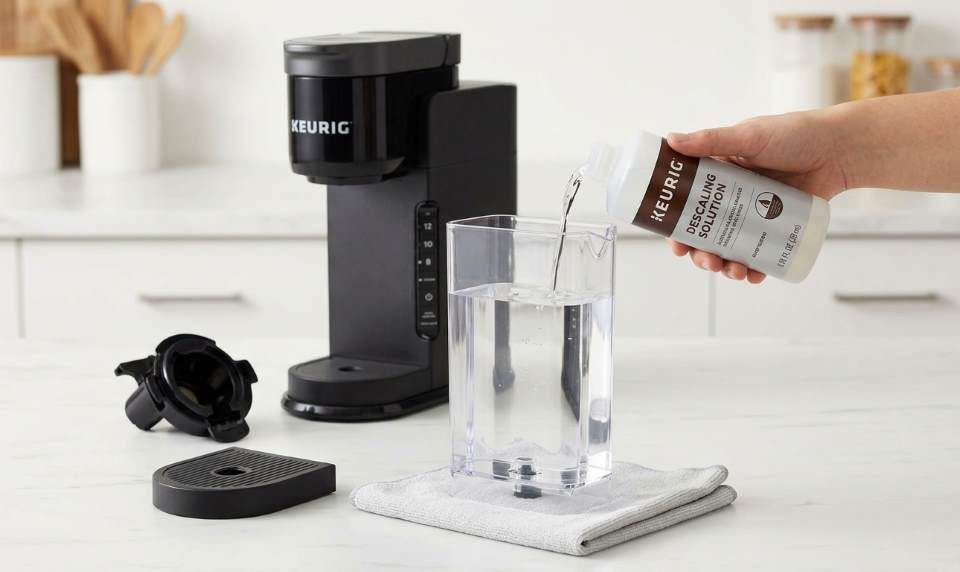
Pour the water down the sink. You will be amazed to see that 95% of the crust has completely vanished into thin air. Take a soft microfiber cloth or a non-scratch sponge and gently wipe away any remaining loosened debris. Rinse the interior thoroughly with fresh water a few times to ensure no acidic taste remains.
How Often Realistically Should You Clean It?
There is no universal calendar rule for cleaning a distiller because it depends entirely on your local water source.
-
If you have soft water, you might only need to descale your CO-Z once every month.
-
If you have hard municipal water or well water, you will likely see a thick white layer form after just 3 to 4 cycles.
The Golden Rule: Don’t wait for the scale to turn brown or black. It is ten times easier to rinse out a thin layer of white dust once a week than it is to chip away a millimeter-thick mineral rock once a season.
Pro-Tip for Extending Time Between Cleans
If you want to cut your cleaning chores in half, try the “Don’t Run Dry” trick.
Most people let the CO-Z run until the cycle completely finishes and the machine automatically shuts off. This bakes the minerals directly onto the dry stainless steel floor like ceramic glaze. If you manually turn the machine off when there is still about half an inch of water left in the bottom, the minerals will stay suspended in the liquid slurry, allowing you to simply dump them right down the drain!