How to Light a GasOne 30qt Turkey Fryer Set Safely

How to Fix a Noisy Firegas 30-Inch Under Cabinet Range Hood
August 12, 2026
Why Is My Gas One Propane Fryer Thermometer Inaccurate?
August 12, 2026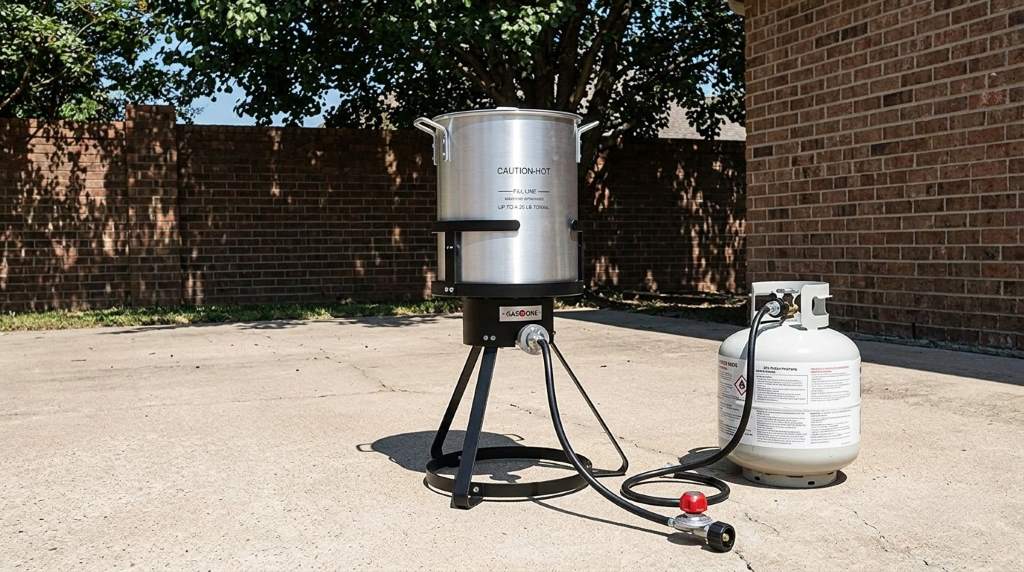
To light a GasOne 30qt turkey fryer set safely, work outdoors on a stable, noncombustible surface. Connect the propane system, test for leaks, open the tank slowly, then ignite with a long lighter. Cooking fires remain a serious concern, with 167,800 residential cooking fires reported in 2023. Those fires also caused 2,500 injuries that year.
The GasOne 30qt turkey fryer set uses propane and an open burner. Therefore, careful setup matters before you introduce heat or cooking oil.
Why Safe Lighting Matters With a Propane Turkey Fryer
A propane burner creates intense heat through an exposed flame. That design works efficiently, but it also demands careful handling during every ignition.
More importantly, propane can ignite if leaked gas reaches an open flame. Therefore, never light the burner until you confirm that every connection remains secure.
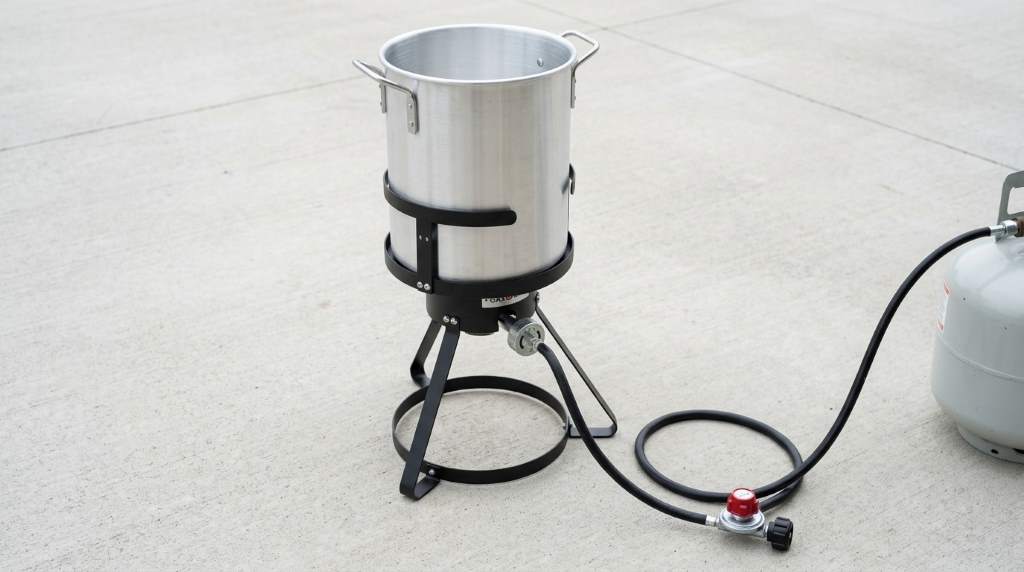
Gas One identifies the B 5155 RED as an outdoor cooking system. The set includes a 30 quart pot, burner, regulator, hose, basket, rack, and thermometer.
Prepare the Fryer Before Lighting It
Proper preparation eliminates many ignition problems before they become dangerous. Start by inspecting the complete fryer and propane equipment.
Inspect Every Component
Check the burner, stand, hose, regulator, pot, and fittings for visible damage. Replace damaged components before using the fryer.
Also inspect the burner ports for dirt, grease, insects, or other blockages. Blocked burner openings can create uneven flames or poor combustion.
- Confirm the burner stand sits firmly on the ground.
- Check the hose for cracks, cuts, or unusual wear.
- Inspect the regulator for visible damage.
- Make sure the burner remains clean and unobstructed.
- Confirm that all connections fit correctly.
Choose the Right Cooking Location
Always operate the fryer outdoors in an open, well ventilated area. Never operate this propane fryer inside a garage, shed, porch, or enclosed space.
Place the fryer on a level, stable, noncombustible surface. Keep combustible materials, structures, vehicles, children, and pets away from the cooking area.
Additionally, keep the propane cylinder upright and positioned safely away from direct heat. Never place the tank directly underneath the burner.
Connect the Propane Tank Correctly
Before connecting anything, make sure the burner control remains completely closed. Keep the propane tank valve closed during the connection process.
Attach the regulator and hose according to the supplied manual. Hand tighten the appropriate connection without forcing or cross threading the fitting.
Once connected, inspect the hose routing carefully. Keep the hose away from the burner flame, hot metal, sharp edges, and areas where people walk.
Perform a Propane Leak Test
A leak test should happen before every use and after changing the propane tank. This simple step can reveal problems before ignition.
Use Soapy Water to Check Connections
Apply a soapy water solution around the propane connections. Open the propane tank valve slowly while keeping the burner control closed.
Watch each connection carefully for growing bubbles. Bubbles indicate escaping gas and require immediate attention.
- Close the propane tank valve immediately.
- Do not attempt ignition.
- Tighten the affected connection carefully.
- Repeat the leak test.
- Stop using the fryer if bubbles continue appearing.
Never use a flame to search for a propane leak. Gas One’s instructions specifically call for soapy water leak testing.
How to Light a GasOne 30qt Turkey Fryer Set
Once the fryer passes inspection, you can begin the ignition process. Follow the sequence carefully rather than rushing through the steps.
Step 1: Confirm the Burner Is Off
Turn the burner control fully off before opening the propane tank. This prevents gas from flowing unexpectedly through the burner.
Keep your face, hands, and clothing away from the burner opening. Then position yourself where you can safely reach the controls.
Step 2: Open the Propane Tank Slowly
Open the propane tank valve gradually rather than turning it open abruptly. Slow opening gives you better control over the initial gas flow.
Listen and watch for anything unusual after opening the valve. Stop immediately if you smell propane or hear unexpected gas escaping.
Step 3: Ignite the Burner With a Long Lighter
Use a long handled lighter or suitable ignition tool designed for outdoor burners. Keep your hand away from the burner ports while igniting.
According to the available Gas One instructions, open the propane valve slowly before lighting. Then ignite the burner with a long lighter or match.
Never lean over the burner while attempting ignition. If the burner does not light immediately, stop and follow the manufacturer’s relighting procedure.
Step 4: Check the Flame
A properly operating burner should produce a steady flame without excessive sputtering. Watch the flame closely during the first moments after ignition.
Turn the burner off if you notice unusual flames, strong gas odor, or unstable combustion. Allow the area to clear before investigating further.
What to Do If the Burner Does Not Light
A failed ignition does not mean you should keep trying repeatedly. Unburned propane can accumulate around the burner and create a dangerous ignition hazard.
Instead, close the propane supply and wait before attempting another ignition. Follow the specific instructions supplied with your fryer model.
Common Causes of Ignition Problems
- The propane tank valve remains closed.
- The burner ports contain dirt or debris.
- A connection remains loose.
- The regulator has a problem.
- The propane supply has become depleted.
If the burner repeatedly fails after proper checks, stop using the fryer. Have the equipment inspected rather than attempting unauthorized repairs.
Lighting the Fryer Before Adding Turkey
Lighting the burner safely does not mean you should immediately add a turkey. Deep frying requires additional preparation before the food enters hot oil.
First, position the pot securely on the burner stand. Then add only the recommended amount of oil for your cooking setup.
Never exceed the pot’s maximum fill guidance. Hot oil can overflow when you lower a large turkey into the pot.
Keep the Turkey Completely Thawed and Dry
Water and hot oil create an extremely dangerous combination. Therefore, thaw the turkey completely before deep frying it.
Pat the turkey thoroughly dry inside and outside. Remove excess moisture before bringing the turkey near hot oil.
Also remove excess ice from the turkey cavity. Even small amounts of trapped moisture can cause aggressive oil splattering.
Control Heat With the Thermometer
The included thermometer helps you monitor oil temperature during cooking. Position its probe correctly without allowing it to touch the pot bottom.
Heat the oil gradually and monitor the reading continuously. Avoid chasing temperature changes with sudden, large burner adjustments.
Gas One’s available instructions describe a typical frying range of 325°F to 350°F. Always follow your specific recipe and equipment instructions.
Safety Habits That Matter During Frying
Safe ignition represents only one part of responsible turkey frying. You must continue monitoring the fryer throughout the cooking process.
- Never leave the fryer unattended.
- Keep children and pets outside the immediate cooking zone.
- Wear heat resistant gloves when handling hot equipment.
- Keep combustible materials away from the burner.
- Monitor the oil temperature continuously.
- Keep the propane hose away from hot surfaces.
- Keep suitable fire suppression equipment accessible.
Most importantly, never pour water onto an oil fire. Water can spread burning oil rapidly and make the situation far more dangerous.
What to Do if You Smell Propane
A strong propane odor requires immediate attention. Do not ignore the smell because the burner appears to operate normally.
Turn off the propane supply if you can do so safely. Extinguish all ignition sources and move people away from the area.
Do not operate electrical switches near a suspected gas leak. Never relight the burner until you identify and correct the problem.
If you cannot safely control the situation, leave the area and contact emergency services. Professional assistance remains safer than experimenting with a leaking propane system.
How to Shut Down the GasOne Turkey Fryer
After cooking, shut the fryer down deliberately rather than rushing the process. Turn off the propane supply according to the equipment instructions.
Allow the burner, pot, oil, and accessories to cool completely before moving anything. Hot metal can remain dangerous long after the visible flame disappears.
Disconnect and store the propane equipment according to the manufacturer’s instructions. Keep the propane cylinder upright in an appropriate outdoor storage location.
Quick Pre Lighting Checklist
| Check | What to Confirm |
|---|---|
| Location | Outdoor, level, stable, and noncombustible surface |
| Burner | Clean ports and secure stand |
| Hose | No cracks, cuts, or heat damage |
| Connections | Secure fittings with no leak bubbles |
| Propane | Tank upright and valve accessible |
| Ignition | Long lighter ready before opening gas |
| Cooking | Turkey fully thawed and completely dry |
Common Mistakes to Avoid
Many fryer accidents begin with small shortcuts rather than complicated equipment failures. Avoiding those shortcuts creates a much safer cooking routine.
- Never light the fryer indoors.
- Never test propane leaks with a flame.
- Never ignite the burner beside spilled fuel.
- Never operate damaged hoses or regulators.
- Never overfill the cooking pot.
- Never fry a frozen or wet turkey.
- Never leave the fryer running unattended.
- Never use water on a grease fire.
How to Make Ignition More Consistent
Consistent ignition usually starts with consistent preparation. Keep the burner clean and inspect the propane system before every cooking session.
Furthermore, use the correct regulator and hose combination for your specific model. Avoid improvised fittings because they can affect gas flow and safety.
Gas One offers propane burner and regulator products with adjustable flame control. However, always match replacement parts to your fryer model.
When You Should Stop Using the Fryer
Stop using the fryer when you discover damaged components or persistent gas leaks. The same rule applies when the burner produces abnormal flames.
Persistent ignition problems also deserve professional attention. Do not modify the burner, regulator, or gas system to force operation.
When safety depends on guessing, stop cooking and inspect the equipment properly. A delayed meal costs far less than a preventable fire or serious burn.
Final Takeaway
Lighting a GasOne 30qt turkey fryer set safely requires preparation, leak testing, controlled gas flow, and careful ignition. Set up outdoors, inspect every component, test connections, then ignite using a long lighter.
After lighting, watch the flame and monitor cooking temperatures continuously. Most importantly, keep the turkey completely thawed and dry before lowering it into hot oil.
Use these steps every time you operate the fryer, not only during holiday cooking. Before your next cook, inspect the complete system and follow the supplied manufacturer instructions carefully.
FAQs
Can I light the GasOne 30qt turkey fryer indoors?
No, operate the propane fryer outdoors in a properly ventilated area.
Can I check a propane leak with a lighter?
No, always use a soapy water solution to check propane connections.
What should I use to light the burner?
Use a long handled lighter or another suitable ignition tool recommended for the burner.
Why should I dry the turkey before frying?
Drying removes surface moisture that can cause dangerous hot oil splattering.
What should I do if the burner will not light?
Turn off the propane supply, allow gas to clear, then inspect the system before trying again.