How to Troubleshoot a Ninja Kitchen System Not Blending

Why Is My Ninja Air Fryer Smoking and How to Fix It
August 11, 2026
Why Won’t My Propane Torch Burner Stay Lit?
August 11, 2026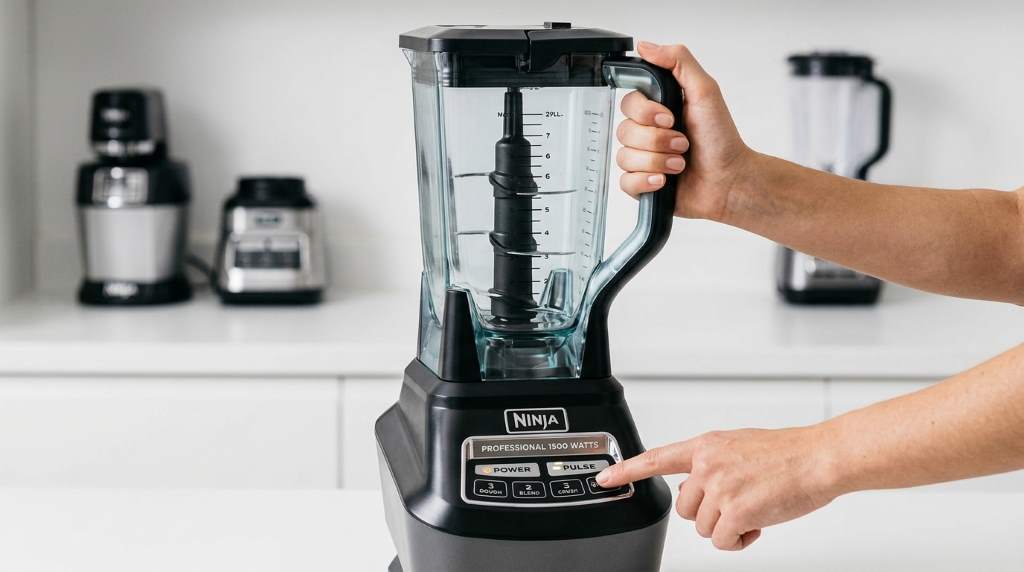
When a Ninja Kitchen System stops blending, check assembly, power, blade movement, ingredient load, and motor temperature first. A 15 minute cooling period can restore operation after an overload, while smaller ingredient loads often improve blending. The Ninja kitchen system combines powerful blending with food preparation functions, so one small setup issue can stop the entire process. Start with the simplest checks before assuming the motor or blade assembly needs replacement. This approach saves time, protects the appliance, and helps you identify the actual cause.
Start With a Quick Ninja Kitchen System Diagnostic
Before taking anything apart, switch the system off and unplug it from the outlet. Then inspect the base, container, lid, blade assembly, and power connection for obvious problems.
A quick diagnostic prevents unnecessary repairs and helps separate setup problems from mechanical problems. Work through each check in order instead of changing several things at once.
- Confirm the power cord sits firmly inside a working outlet.
- Check that the pitcher, bowl, or cup sits correctly on the motor base.
- Make sure the lid locks into its proper position.
- Inspect the blade assembly for stuck food or visible damage.
- Check whether the ingredients exceed the recommended capacity.
- Look for signs of overheating around the motor base.
If the appliance remains completely silent, focus on power and safety interlocks first. If the motor runs but ingredients remain intact, focus on the blade and ingredient load.
Why Your Ninja Kitchen System May Not Blend
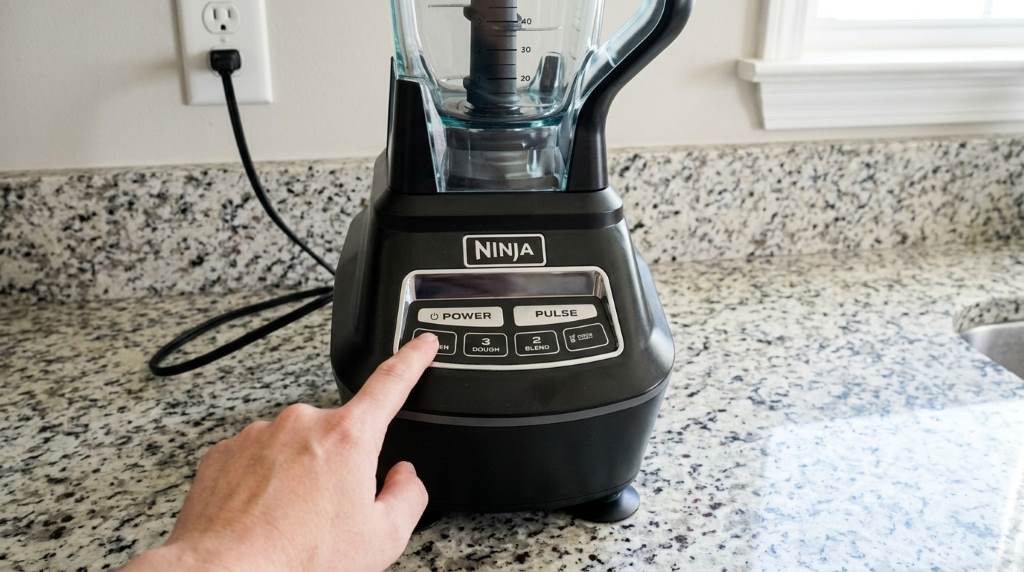
A Ninja Kitchen System can fail to blend for several different reasons. However, most troubleshooting begins with assembly, ingredients, blade movement, or overheating.
Understanding the symptom helps you avoid treating the wrong problem. Therefore, identify what the machine does before attempting a fix.
| Symptom | Likely Cause | First Action |
|---|---|---|
| No motor response | Power or assembly issue | Check outlet and container locking |
| Motor runs but food stays whole | Heavy load or poor liquid balance | Reduce ingredients and add suitable liquid |
| Blades stop suddenly | Overload or blockage | Unplug and inspect the blade area |
| System becomes hot | Extended or overloaded operation | Stop and allow the motor to cool |
| Uneven blending | Large pieces or dull blades | Reduce piece size and inspect blades |
Check the Power Before Anything Else
A powerless blender cannot respond to program buttons, so begin with the electrical connection. Confirm that the plug sits securely in the outlet and inspect the cord for visible damage.
Next, test the outlet with another small appliance if you suspect a power problem. Also check whether a tripped breaker or switched outlet affects the connection.
Never continue using a cord with exposed wires, severe cuts, or obvious heat damage. Instead, stop troubleshooting and arrange qualified service or replacement.
Reseat the Container and Lid Correctly
Many Ninja systems require the container and lid to reach specific locked positions before operation begins. Consequently, a slightly misaligned component can make a working motor appear completely dead.
Remove the container from the base and reinstall it carefully. Align the container with its locking points, then secure it without forcing the mechanism.
Afterward, check the lid and its locking mechanism. Remove food residue from contact areas because debris can interfere with proper seating.
Why Proper Locking Matters
The locking system helps prevent accidental operation while the blades remain accessible. Therefore, never bypass or modify a safety mechanism to make the blender operate.
If the appliance works only when you press or hold a component unusually, stop using it. That behavior can indicate a damaged or misaligned safety mechanism.
Inspect the Blade Assembly Safely
Sharp blades can cause serious cuts, even when they appear stationary. Always unplug the system before touching, removing, cleaning, or inspecting the blade assembly.
Look for fibrous vegetables, frozen chunks, sticky foods, or other material wrapped around the blades. Even a small blockage can prevent smooth blade rotation.
Never reach into the container while the appliance remains connected to power. Instead, remove the container and follow the model specific cleaning procedure.
Look for Blade Damage
After cleaning, inspect the blade assembly for bent, cracked, loose, or visibly damaged components. Damaged blades can create poor results even when the motor operates normally.
Also check whether the blade assembly sits correctly in its container. A loose or incorrectly positioned assembly can affect blending and create unusual movement.
Reduce an Overloaded Ingredient Mixture
Overfilling creates one of the most common blending problems with high powered kitchen systems. Dense ingredients can prevent the blades from moving freely through the mixture.
Remove some ingredients when the container looks crowded. Then restart with a smaller load and observe how the mixture moves around the blades.
Cut large fruits, vegetables, and other solid ingredients into smaller pieces before blending. Smaller pieces give the blades a better chance to break ingredients down evenly.
Use Enough Liquid for Thick Mixtures
Thick mixtures need enough liquid to move through the blade area effectively. Without sufficient liquid, ingredients can form a dense mass that resists circulation.
Add liquid gradually rather than flooding the container immediately. Use the liquid that suits your recipe, such as water, milk, juice, broth, or another suitable ingredient.
For frozen mixtures, allow ingredients to soften slightly when appropriate. Then use shorter blending cycles and inspect the consistency between cycles.
Use the Pulse Function for Difficult Ingredients
Large or dense ingredients can benefit from short pulses before continuous blending. Pulsing helps break stubborn pieces into smaller portions that move more easily.
Start with several controlled pulses instead of running the motor continuously. Then switch to the appropriate blending program once the mixture begins circulating.
However, avoid repeatedly pulsing a severely overloaded container. Remove some ingredients first when the blades struggle to move.
Check Whether the Motor Has Overheated
A motor can become hot when the system processes heavy loads for extended periods. Overload protection may stop operation to protect the motor from excessive heat.
If the motor stops during blending, switch the appliance off and unplug it. Allow the unit to cool for at least 15 minutes before testing it again.
Meanwhile, reduce the ingredient quantity and improve airflow around the motor base. Never cover ventilation areas while the appliance operates.
Recognize Signs of Excessive Heat
A warm motor base does not automatically mean the appliance has failed. However, strong burning smells, smoke, or repeated shutdowns require immediate attention.
Unplug the appliance if you notice smoke or a persistent burning odor. Do not restart it until a qualified technician or appropriate support process clears the problem.
Fix Uneven Blending Without Replacing Parts
Sometimes the Ninja Kitchen System runs normally but leaves chunks behind. This problem usually points toward ingredient size, mixture thickness, loading technique, or blade condition.
First, stop the machine and inspect the mixture safely. Then redistribute large pieces and add a small amount of suitable liquid if necessary.
Next, reduce the overall load and process the ingredients in smaller batches. Smaller batches often produce more consistent circulation around the blades.
Load Ingredients for Better Circulation
Place liquid and softer ingredients where they can help move heavier ingredients toward the blades. Add dense ingredients in manageable quantities rather than creating one solid mass.
For smoothies, combine enough liquid with fruits and vegetables to create movement. For thicker recipes, use short pulses and pause when the mixture needs redistribution.
Clean the System After a Failed Blend
Food residue can interfere with lids, seals, blade assemblies, and container connections. Therefore, cleaning should form part of every serious troubleshooting routine.
Unplug the appliance before removing components for cleaning. Follow the cleaning instructions designed for your specific model and attachment.
Pay particular attention to dried food around the lid and blade assembly. Once everything dries completely, inspect the components again before reassembly.
When a Ninja Kitchen System Needs Professional Attention
Some problems require more than cleaning, reseating, or reducing ingredients. Persistent electrical faults, damaged wiring, smoke, or repeated motor shutdowns deserve professional attention.
Do not disassemble the motor base simply to investigate an internal fault. Opening the housing can create electrical and mechanical hazards while making later service more difficult.
Professional evaluation makes more sense when basic troubleshooting produces no improvement. Keep the model number available because different Ninja systems use different containers, blades, and controls.
A Five Minute Troubleshooting Sequence
When you need a practical process, follow the same sequence every time. This method reduces guesswork and helps identify the failure point quickly.
- Unplug the system: Make the appliance safe before touching any removable components.
- Check the outlet: Confirm that the electrical connection works properly.
- Reseat everything: Secure the container, blade assembly, and lid correctly.
- Inspect the blades: Remove visible food blockages using safe handling practices.
- Reduce the load: Remove excess ingredients and cut large pieces smaller.
- Add suitable liquid: Improve circulation when the mixture appears excessively thick.
- Cool the motor: Wait at least 15 minutes after an overload shutdown.
- Test a small batch: Use a simple mixture to separate recipe problems from appliance problems.
Testing a small batch provides a useful baseline after troubleshooting. If the system works normally afterward, the original recipe or loading method likely caused the problem.
How to Prevent Future Blending Problems
Good operating habits can prevent many blending failures before they start. Keep loads within the recommended capacity and avoid forcing dense mixtures through an overloaded container.
Cut large ingredients into smaller pieces and provide enough liquid for recipes that need circulation. Also, give the motor adequate cooling time between demanding blending tasks.
Clean the blade assembly and container after use to prevent dried residue from interfering with future operation. Finally, inspect removable components regularly for cracks, damage, or unusual wear.
When Replacement Makes More Sense Than Repair
A replacement attachment may make sense when the blade assembly has visible damage or severe wear. However, replacing parts should follow the exact model compatibility requirements.
If the motor base repeatedly fails after correct assembly and normal loading, continued troubleshooting may not solve the underlying problem. At that stage, professional service can determine whether repair or replacement makes practical sense.
Do not purchase a random replacement container or blade because Ninja systems can use model specific components. Match every replacement part with the exact model number before ordering.
Frequently Asked Questions
Why is my Ninja Kitchen System not blending?
Check the power connection, container locking, blade blockage, ingredient load, liquid level, and motor temperature first.
Why does my Ninja blender turn on but not blend?
Reduce the ingredient load, add suitable liquid, inspect the blades, and use pulses for dense ingredients.
How long should I let an overheated Ninja blender cool?
Allow the motor to cool for at least 15 minutes before testing the appliance again.
Can a jammed blade stop my Ninja Kitchen System?
Yes, food lodged around the blades can restrict rotation and prevent effective blending.
When should I stop troubleshooting my Ninja Kitchen System?
Stop troubleshooting when you notice smoke, persistent burning odors, damaged wiring, or repeated unexplained shutdowns.
Final Thoughts
A Ninja Kitchen System that stops blending does not automatically need replacement. Start with power, assembly, blade movement, ingredient quantity, liquid balance, and motor temperature.
Most basic problems respond to careful setup and safer loading habits. However, persistent electrical faults or signs of motor damage require professional attention.
Use the troubleshooting sequence above the next time your system refuses to blend. By testing one cause at a time, you can find the problem faster and protect your appliance from unnecessary damage.