Why Is My Ninja Air Fryer Smoking and How to Fix It

How to Stop Bakers Signature Air Fryer Paper Liners From Burning
August 11, 2026
How to Troubleshoot a Ninja Kitchen System Not Blending
August 11, 2026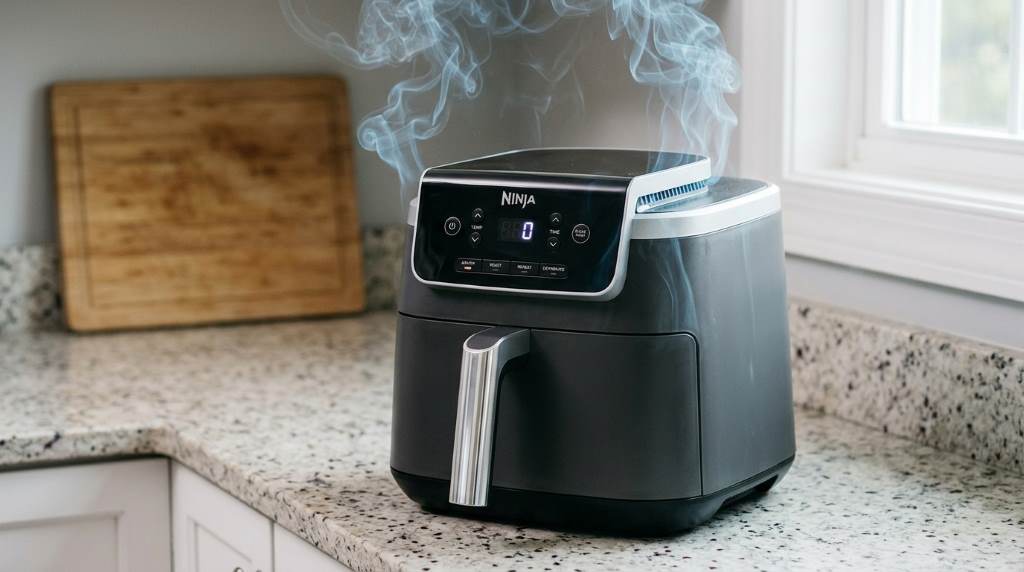
A smoking Ninja air fryer usually needs cleaning, less oil, or better food placement. White smoke often comes from hot grease, while persistent dark smoke or electrical smells require immediate shutdown.
Cooking remains a major source of household fires, so unusual smoke deserves attention. NFPA data recorded about 158,373 reported home cooking fires annually from 2017 through 2021. Those fires also caused about 26.2 injuries per 1,000 reported fires.
For everyday cooking, a clean Ninja air fryer should produce little visible smoke. Therefore, sudden smoke usually points toward food residue, excess grease, blocked airflow, or an overheating component.
Why Is My Ninja Air Fryer Smoking?
Your Ninja air fryer may smoke because grease, crumbs, or food residue reaches the hot heating area. Likewise, fatty foods can release enough oil to create visible smoke during high temperature cooking.
Sometimes, food itself causes the problem rather than the appliance. Bacon, sausage, chicken skin, burgers, and other fatty foods can release substantial grease while cooking.
In other cases, the smoke signals poor airflow or accumulated residue. Therefore, identifying the smoke type can help you find the cause faster.
White Smoke Usually Means Hot Grease
White smoke often appears when rendered fat becomes extremely hot inside the cooking chamber. The smoke may look dramatic, but grease does not always mean an electrical problem.
However, you should still stop and inspect the fryer when smoke becomes heavy. Excess grease can continue heating and create a genuine fire risk.
Dark Smoke Needs Immediate Attention
Dark gray or black smoke usually deserves more concern than light white smoke. It can indicate burning food, excessive residue, damaged components, or overheating.
Turn the appliance off immediately if dark smoke continues after removing obvious food residue. Also unplug it when you can do so safely without touching hot or damaged parts.
A Plastic Smell Can Have Different Causes
A mild new appliance smell can sometimes occur during initial use. However, a strong burning plastic odor should never become normal through repeated cooking.
Stop using the appliance if the smell remains strong after several clean cooking cycles. Inspect the cord, plug, basket, housing, and surrounding countertop for signs of heat damage.
Common Reasons a Ninja Air Fryer Produces Smoke
Several simple problems can create smoke without indicating a permanent appliance failure. Start with the cooking chamber before assuming the heating system has failed.
| Possible cause | What you may notice | What to do |
|---|---|---|
| Excess grease | White smoke and greasy residue | Reduce fatty foods and clean the chamber |
| Old food residue | Burnt smell and repeated smoke | Clean the basket and interior carefully |
| Loose crumbs | Smoke during high heat cooking | Remove crumbs before the next cycle |
| Overfilled basket | Uneven cooking and poor airflow | Reduce the food load |
| Wet food | Steam mixed with light smoke | Pat food dry before cooking |
| Heating area residue | Smoke from above the food | Clean accessible surfaces after cooling |
| Electrical damage | Burning smell, sparks, or dark smoke | Stop using the appliance immediately |
How to Fix a Smoking Ninja Air Fryer
The safest approach starts with stopping the cooking cycle and allowing the appliance to cool. Never begin cleaning while the basket, heating area, or internal surfaces remain dangerously hot.
1. Stop Cooking and Check the Smoke
First, cancel the cooking program and observe the smoke carefully. If flames appear, treat the situation as an appliance fire rather than a cleaning problem.
Keep the cooking compartment closed when possible during a small internal flare up. Do not pour water into an air fryer containing hot grease or flames.
If you cannot control the situation safely, leave the area and contact emergency services. Never risk burns while trying to save an appliance.
2. Let the Air Fryer Cool Completely
Allow the appliance to cool before removing the basket or inspecting internal surfaces. Hot grease can remain dangerous even after the cooking cycle ends.
Place the appliance on a stable, heat resistant surface while it cools. Keep children and pets away from the cooking area during this process.
3. Clean the Basket and Crisper Plate
Remove the basket and crisper plate once they become safe to handle. Wash removable parts according to the instructions for your specific Ninja model.
Pay particular attention to sticky grease around corners, edges, and perforations. Even a thin layer of old grease can smoke during another high temperature cycle.
Rinse away cleaning residue and allow every washable component to dry completely. Water left around electrical areas can create another safety problem.
4. Clean Accessible Interior Surfaces
Grease can travel upward during cooking and collect around the upper cooking chamber. That residue may smoke when the heating element becomes hot.
After cooling, wipe accessible interior surfaces with an appropriate damp cloth. Avoid flooding the appliance or allowing liquid to reach electrical components.
Also inspect the area around the heating element for loose crumbs or burnt food. Remove only residue that you can safely reach without forcing or bending components.
5. Reduce Excess Oil
Air fryers need little oil because circulating hot air handles much of the cooking process. Adding too much oil can create unnecessary smoke and greasy buildup.
Use a light coating when your recipe requires oil. Avoid pouring pools of oil directly into the cooking basket unless your model specifically supports that method.
For fatty foods, reduce added oil even further. The food may release enough natural fat during cooking.
6. Dry Wet Ingredients Before Cooking
Wet ingredients can create heavy steam that sometimes looks like smoke. Excess moisture also affects browning and can make cooking less consistent.
Pat vegetables, meat, and other ingredients dry before placing them inside the basket. This simple step improves browning while reducing unnecessary moisture.
7. Avoid Overfilling the Basket
An overcrowded basket restricts airflow and prevents hot air from moving around the food properly. Consequently, food may cook unevenly and release more moisture.
Leave enough space for air to circulate around the ingredients. Cook smaller batches when the food covers most of the basket surface.
Smaller batches can also produce better browning and crispier results. Although another cycle takes longer, the cooking quality usually improves.
8. Check Food Placement
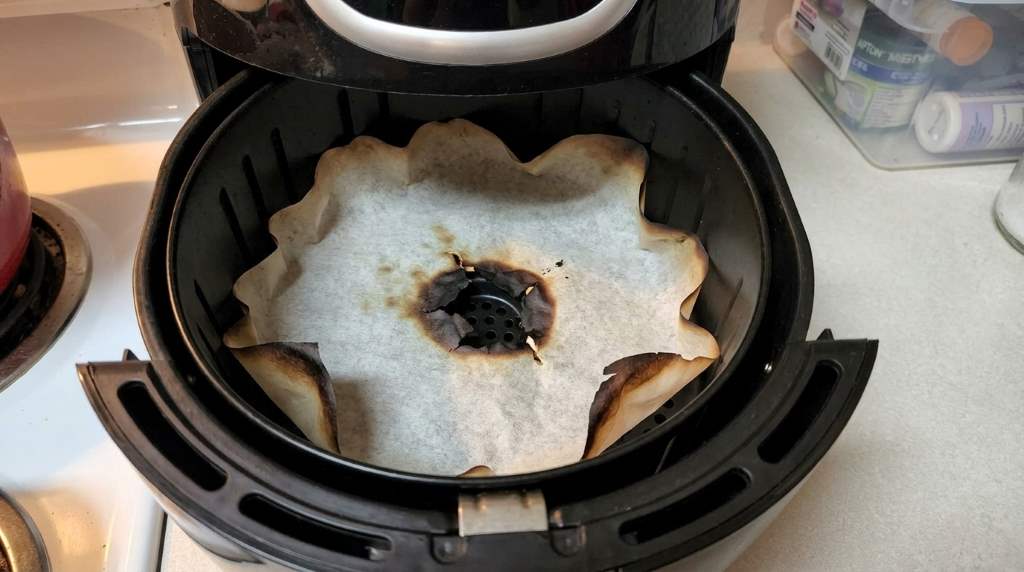
Light foods can sometimes move during powerful air circulation. Thin bread, parchment, and lightweight ingredients can reach the heating area if positioned incorrectly.
Keep food securely placed inside the basket during cooking. Never allow loose materials to sit where the heating element can contact them.
Use only accessories designed for air fryer cooking and compatible with your Ninja model. Always follow the accessory and appliance instructions before use.
How to Tell Whether the Smoke Comes From Food
Food related smoke usually appears during cooking and decreases after removing the offending ingredients. The smell often resembles burnt fat, seasoning, crumbs, or overcooked food.
Electrical smoke behaves differently and deserves more caution. You may notice burning plastic, melting material, sparks, unusual sounds, or smoke from the cord area.
| Smoke pattern | Likely source | Recommended response |
|---|---|---|
| Light white smoke | Hot grease or moisture | Stop cooking and inspect grease buildup |
| Smoke with burnt food smell | Food residue | Cool and clean the appliance |
| Smoke from upper area | Residue near heating components | Cool completely and inspect accessible areas |
| Dark smoke | Severe burning or overheating | Stop using the appliance |
| Electrical burning smell | Cord, plug, or internal fault | Unplug safely and discontinue use |
What to Do If Your Ninja Air Fryer Smokes After Cleaning
Repeated smoke after thorough cleaning suggests that residue may remain near an inaccessible heating component. It can also indicate a mechanical, electrical, or temperature control problem.
Run another cooking cycle only when the appliance looks undamaged and the previous smoke had an obvious food related cause. Otherwise, continued testing can increase the risk.
If smoke returns quickly without greasy food inside, stop using the appliance. Contact Ninja support or a qualified appliance professional for model specific guidance.
Inspect the Power Cord and Plug
Examine the cord and plug after the appliance cools completely. Look for melted plastic, discoloration, cracking, exposed wiring, or unusual heat damage.
Do not continue using an appliance with damaged electrical components. Likewise, never attempt an improvised electrical repair on a countertop cooking appliance.
Check the Countertop and Airflow
Your air fryer needs adequate ventilation around its exterior vents. Blocking those areas can interfere with heat removal and normal operation.
Move nearby objects away from the appliance before cooking again. Keep the unit on a stable surface that can tolerate the appliance’s operating heat.
How to Prevent Your Ninja Air Fryer From Smoking
Regular maintenance prevents most food related smoke problems before they become disruptive. A simple cleaning routine also protects cooking performance over time.
- Clean removable cooking parts after regular use.
- Remove crumbs before cooking another high temperature recipe.
- Reduce added oil when cooking fatty foods.
- Pat wet ingredients dry before air frying.
- Avoid packing the basket too tightly.
- Keep lightweight ingredients away from the heating area.
- Inspect the cord and plug regularly.
- Keep exterior vents clear during operation.
- Never leave the appliance cooking without attention.
- Stop using the appliance after unexplained electrical smoke.
Cleaning frequency should match how often you use the appliance. Frequent cooking with fatty foods requires more frequent cleaning than occasional vegetable cooking.
Also, inspect the cooking chamber whenever you notice new odors or smoke. Early cleaning usually takes less effort than removing heavily baked grease later.
When Should You Stop Using the Air Fryer?
Not every smoke event means your Ninja air fryer needs replacement. However, certain warning signs should end troubleshooting immediately.
- Dark smoke continues after cleaning.
- The appliance produces sparks during operation.
- The plug becomes unusually hot.
- You smell burning plastic or electrical insulation.
- The cord shows visible damage.
- The housing becomes unusually hot or deformed.
- The appliance makes repeated crackling or popping sounds.
- The unit repeatedly smokes without fatty food.
These symptoms can point toward an electrical or internal component problem. In that situation, professional inspection offers a safer solution than repeated home testing.
Can You Still Cook With a Smoking Ninja Air Fryer?
Yes, but only when the smoke clearly came from removable food residue or normal grease. First, stop cooking, cool the appliance, clean it thoroughly, and inspect it.
Afterward, monitor the next cooking cycle closely and use a lower risk food. If smoke returns without an obvious food related reason, discontinue use.
Never assume repeated smoke represents normal air fryer behavior. A clean appliance should not continuously produce heavy smoke during ordinary cooking.
Frequently Asked Questions
Why does my Ninja air fryer smoke when cooking bacon?
Bacon releases substantial fat, which can become hot enough to create visible white smoke.
How do I stop my Ninja air fryer from smoking?
Clean grease and crumbs, reduce added oil, avoid overfilling, and keep the heating area free from residue.
Is white smoke from a Ninja air fryer dangerous?
White smoke often comes from hot grease, but heavy or persistent smoke still requires immediate inspection.
Why does my Ninja air fryer smell like burning plastic?
A strong burning plastic smell can indicate overheating or electrical damage and requires immediate discontinuation.
Should I replace my Ninja air fryer if it keeps smoking?
Replace or professionally inspect it when unexplained smoke continues after cleaning and proper food preparation.
Final Thoughts
A smoking Ninja air fryer often has a simple cause, especially excess grease, crumbs, or poor food placement. Still, dark smoke, sparks, electrical odors, or repeated overheating should never become part of normal operation.
Start by stopping the cycle, cooling the appliance, and cleaning every accessible cooking surface. Then reduce oil, improve airflow, and test carefully with a suitable food.
If the smoke returns without an obvious food related cause, stop using the appliance. Take the safer route by contacting Ninja support or a qualified appliance professional.
Use these checks before your next cooking session, and keep your air fryer clean between uses. That routine can improve cooking results while reducing avoidable smoke and safety risks.