How to Choose the Right Induction Cooktop for Efficient Cooking

How to Choose the Best Ventilation Hood for a Smoke-Free Kitchen
April 20, 2026
How to Choose the Best Dishwasher for Easy and Effective Cleaning
April 20, 2026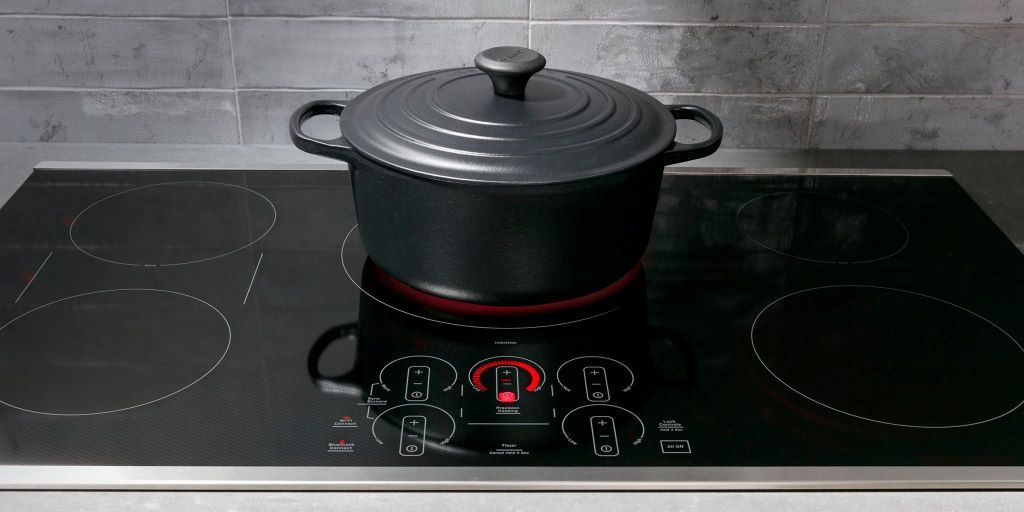
Cooking has evolved dramatically over the years, and induction cooktops are leading the charge in modern kitchen technology. Unlike traditional gas or electric stoves, induction cooktops use electromagnetic energy to heat cookware directly, offering faster heating, precise temperature control, and energy efficiency. Whether you’re a home chef, a busy parent, or someone who values sustainability, an induction cooktop can transform your cooking experience.
I remember my first experience with an induction cooktop after years of using a slow, inefficient electric stove. The speed, precision, and ease of cleaning were game-changers. If you’re looking to upgrade your kitchen with a cooktop that combines efficiency, safety, and performance, exploring the best Induction cooktop options is a great place to start.
Why Induction Cooktops Are a Game-Changer for Efficient Cooking
Induction cooktops are revolutionizing the way we cook by offering unmatched speed, precision, and energy efficiency. Unlike traditional cooktops that heat a burner, which then transfers heat to the cookware, induction cooktops use electromagnetic fields to heat the cookware directly. This means faster heating times, more precise temperature control, and less wasted energy. According to the U.S. Department of Energy, induction cooktops are up to 90% energy-efficient, compared to about 50% for gas and 70% for traditional electric cooktops.
In addition to energy savings, induction cooktops are safer because the cooktop surface itself doesn’t get hot—only the cookware does. This reduces the risk of burns and makes cleaning spills a breeze. Induction cooktops also offer instant heat adjustments, allowing you to go from a rolling boil to a gentle simmer in seconds. Whether you’re searing steaks, simmering sauces, or baking delicate pastries, an induction cooktop provides the control and consistency you need for perfect results every time.
Types of Induction Cooktops
1. Portable Induction Cooktops
Portable induction cooktops are compact, single-burner units that can be used anywhere there’s an electrical outlet. They are ideal for small kitchens, dorm rooms, RVs, or as a backup cooktop for large meals. Portable induction cooktops are lightweight, easy to store, and perfect for those who want the benefits of induction cooking without a full kitchen renovation.
Pros:
- Compact and portable for use anywhere
- Affordable and easy to store
- Great for small spaces or as a secondary cooktop
Cons:
- Limited to one burner at a time
- May lack advanced features found in built-in models
2. Built-In Induction Cooktops
Built-in induction cooktops are designed to be permanently installed into your kitchen countertop. They come in a variety of sizes, from single-burner units to full-size cooktops with multiple burners. Built-in models offer seamless integration with your kitchen design and are ideal for those who want a high-performance, long-term cooking solution.
Pros:
- Seamless integration with your kitchen design
- Available in multiple sizes and burner configurations
- Offers advanced features like touch controls and smart connectivity
Cons:
- Requires professional installation
- More expensive than portable models
3. Induction Ranges
Induction ranges combine an induction cooktop with a conventional oven, offering a complete cooking solution in one appliance. These ranges are ideal for those who want the benefits of induction cooking along with the versatility of a built-in oven. Induction ranges are available in a variety of styles and sizes to match your kitchen’s aesthetic and cooking needs.
Pros:
- Combines induction cooktop with a conventional oven
- Offers a complete, all-in-one cooking solution
- Available in a variety of styles and finishes
Cons:
- More expensive than standalone cooktops
- Requires more space and professional installation
4. Hybrid Induction Cooktops
Hybrid induction cooktops combine induction burners with traditional electric or gas burners, offering the best of both worlds. These cooktops are ideal for those who want the precision of induction cooking along with the familiarity of traditional burners. Hybrid models are versatile and suitable for a wide range of cooking styles and preferences.
Pros:
- Combines induction with traditional electric or gas burners
- Offers versatility for different cooking needs
- Ideal for households with varied cooking preferences
Cons:
- More complex to use and maintain
- Typically more expensive than standalone induction cooktops
5. Smart Induction Cooktops
Smart induction cooktops feature advanced technology like Wi-Fi connectivity, touchscreen controls, and compatibility with smart home systems. These cooktops allow you to control cooking settings remotely, monitor cooking progress, and even receive notifications when your food is ready. Smart induction cooktops are perfect for tech-savvy cooks who want the latest in kitchen innovation.
Pros:
- Advanced features like Wi-Fi and touchscreen controls
- Remote monitoring and control via smartphone
- Compatible with smart home systems for added convenience
Cons:
- More expensive than traditional induction cooktops
- Requires a learning curve to use advanced features
Key Features to Consider When Choosing an Induction Cooktop
Power and Heat Settings
The power of an induction cooktop is measured in watts, with higher wattage indicating faster heating and more precise temperature control. Most induction cooktops range from 1,200 to 3,700 watts, with higher-end models offering more power for professional-level cooking. Look for cooktops with a wide range of heat settings, from gentle simmering to high-heat searing, to accommodate different cooking techniques.
Number of Burners
Induction cooktops come with varying numbers of burners, typically ranging from one to five. Single-burner cooktops are ideal for small kitchens or portable use, while multi-burner models are better suited for larger households or serious home chefs. Consider the size of your household and the types of meals you prepare when choosing the number of burners.
Cookware Compatibility
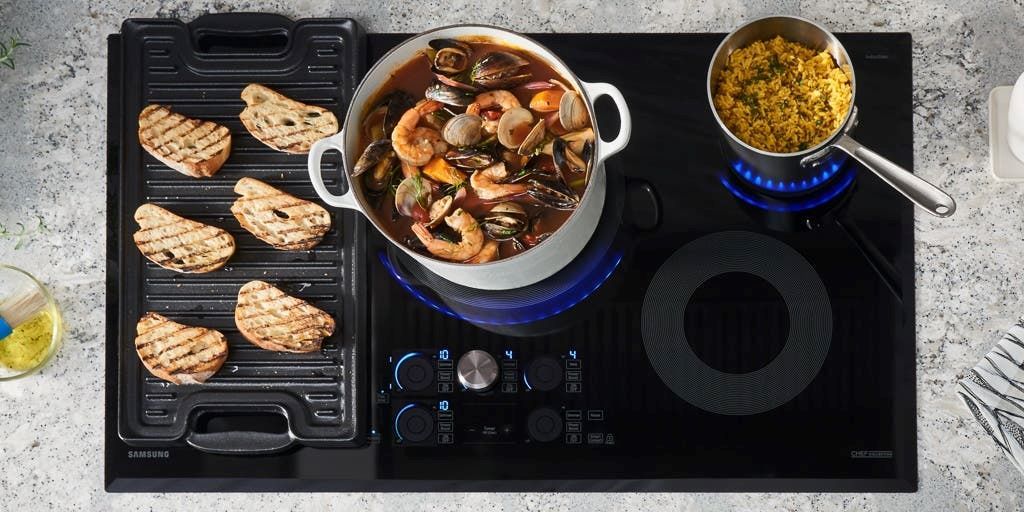
Induction cooktops require cookware made from ferromagnetic materials, such as stainless steel or cast iron. Not all cookware is compatible with induction cooking, so it’s important to check your existing pots and pans or invest in induction-compatible cookware. Look for cooktops that include a compatibility test feature or come with a set of induction-ready cookware.
Control Type
Induction cooktops offer different control types, including knobs, touchscreens, and slider controls. Touchscreen controls are sleek and modern, offering precise adjustments and easy cleaning, while knobs provide a more traditional feel. Choose a control type that matches your preference for ease of use and aesthetics.
Safety Features
Safety is a major advantage of induction cooktops, as the cooktop surface remains cool to the touch. Look for additional safety features like automatic shut-off, child locks, and overheating protection. These features add an extra layer of security, especially in households with children or pets.
Ease of Cleaning
Induction cooktops are easier to clean than traditional cooktops because the surface doesn’t get hot, preventing food from burning onto it. Look for cooktops with smooth, flat surfaces and minimal seams or crevices where food can get trapped. Some models include self-cleaning functions or removable parts for easy maintenance.
Smart Features and Connectivity
Smart induction cooktops offer advanced features like Wi-Fi connectivity, app control, and compatibility with smart home systems. These features allow you to monitor and control your cooktop remotely, set timers, and even receive cooking tips. If you enjoy smart home technology, look for a cooktop with these advanced capabilities.
Energy Efficiency
Induction cooktops are inherently energy-efficient, but some models offer additional features to maximize efficiency. Look for cooktops with energy-saving modes, automatic power adjustments, and eco-friendly settings. These features help reduce energy consumption and lower your utility bills.
Installation Requirements
Built-in induction cooktops require professional installation, including electrical wiring and countertop cutouts. Portable models are easier to install but may require a dedicated electrical outlet. Consider the installation requirements of your chosen cooktop and ensure your kitchen is properly equipped to handle it.
Price and Budget
Induction cooktops are available at a wide range of price points, from budget-friendly portable models to high-end built-in units. Determine your budget and look for the best features within that range. While high-end models offer advanced features and premium materials, there are also many affordable options that provide excellent performance and efficiency.
How to Choose the Right Induction Cooktop for Your Kitchen
Assess Your Cooking Needs
Consider the types of meals you prepare most often and the cooking techniques you use. If you frequently sear, stir-fry, or boil, a high-power induction cooktop with multiple burners is ideal. For simpler meals or small households, a single-burner or portable model may be sufficient. Match the cooktop’s features to your cooking habits for the best results.
Consider Your Kitchen Layout
The layout of your kitchen will influence the type of induction cooktop you choose. Built-in models require a dedicated space in your countertop, while portable cooktops can be used anywhere there’s an outlet. Measure your available space and choose a cooktop that fits seamlessly into your kitchen’s design and workflow.
Match the Cooktop to Your Cookware
Induction cooktops require compatible cookware made from ferromagnetic materials. Check your existing pots and pans for induction compatibility or be prepared to invest in new cookware. Some induction cooktops include compatibility test features or come with a set of induction-ready cookware to get you started.
Test for Ease of Use
Whenever possible, test different induction cooktops to assess their ease of use. Look for models with intuitive controls, clear displays, and responsive touchscreens. If you’re buying online, read user reviews and expert ratings to gauge the performance and quality of the cooktop. Pay attention to features like heat settings, safety options, and cleaning ease.
Prioritize Quality and Durability
Investing in a high-quality induction cooktop ensures better performance, durability, and longevity. Look for cooktops made from strong, durable materials with reliable components and positive user reviews. While quality cooktops may come with a higher price tag, they often last longer and perform better, making them a worthwhile investment for your kitchen.
Consider Your Budget
Induction cooktops are available at a wide range of price points. Determine your budget and look for the best features within that range. While high-end models offer advanced features and premium materials, there are also many affordable options that provide excellent performance and efficiency.
Common Mistakes to Avoid When Choosing an Induction Cooktop
- Choosing Based on Looks Alone: While aesthetics matter, prioritize performance features like power, heat settings, and cookware compatibility.
- Ignoring Cookware Compatibility: Not all cookware works with induction cooktops. Ensure your existing pots and pans are compatible or be prepared to invest in new cookware.
- Skipping the Power Check: Higher wattage means faster heating and better performance. Choose a cooktop with sufficient power for your cooking needs.
- Overlooking Safety Features: Induction cooktops are safer than traditional models, but additional features like child locks and automatic shut-off add extra security.
- Not Considering Installation Requirements: Built-in cooktops require professional installation and may need electrical upgrades. Ensure your kitchen is ready for the cooktop you choose.
FAQs
What is the difference between induction and traditional electric cooktops?
Induction cooktops use electromagnetic energy to heat cookware directly, offering faster heating, precise temperature control, and energy efficiency. Traditional electric cooktops heat a burner, which then transfers heat to the cookware, resulting in slower heating and less efficiency. Induction cooktops are also safer and easier to clean.
Can I use any cookware on an induction cooktop?
No, induction cooktops require cookware made from ferromagnetic materials, such as stainless steel or cast iron. Non-magnetic materials like aluminum, copper, or glass will not work. Check your cookware for induction compatibility or invest in induction-ready pots and pans.
How do I clean an induction cooktop?
Induction cooktops are easy to clean because the surface doesn’t get hot, preventing food from burning onto it. Use a damp cloth and mild detergent to wipe the surface after each use. For tougher stains, use a cooktop cleaner designed for glass or ceramic surfaces. Avoid abrasive cleaners or scrubbers that can scratch the surface.
Are induction cooktops energy-efficient?
Yes, induction cooktops are up to 90% energy-efficient, compared to about 50% for gas and 70% for traditional electric cooktops. They heat cookware directly, reducing energy waste and lowering utility costs. Look for models with energy-saving features for even greater efficiency.
Do I need professional installation for an induction cooktop?
Built-in induction cooktops require professional installation, including electrical wiring and countertop cutouts. Portable models are easier to install but may require a dedicated electrical outlet. Always follow the manufacturer’s guidelines for installation and safety.
Conclusion
Choosing the right induction cooktop is essential for achieving efficient, precise, and safe cooking results. By considering factors like power, number of burners, cookware compatibility, and control type, you can find a cooktop that matches your cooking style and kitchen layout.
Investing in a quality induction cooktop ensures faster heating, better temperature control, and easier cleaning, making every meal a pleasure to prepare. Take the time to research, test, and choose a cooktop that will transform your cooking experience and enhance your kitchen’s functionality.
Have you found an induction cooktop that transformed your cooking routine? Share your favorite models or tips in the comments below! And if you found this guide helpful, don’t forget to share it with your fellow home cooks and kitchen enthusiasts.