How to Choose the Right Barbeque Grill for Perfect Grilling Results

How to Choose the Best Barbeque Grill for Outdoor Cooking
April 20, 2026
How to Choose the Best Coffee Maker for Great-Tasting Coffee at Home
April 20, 2026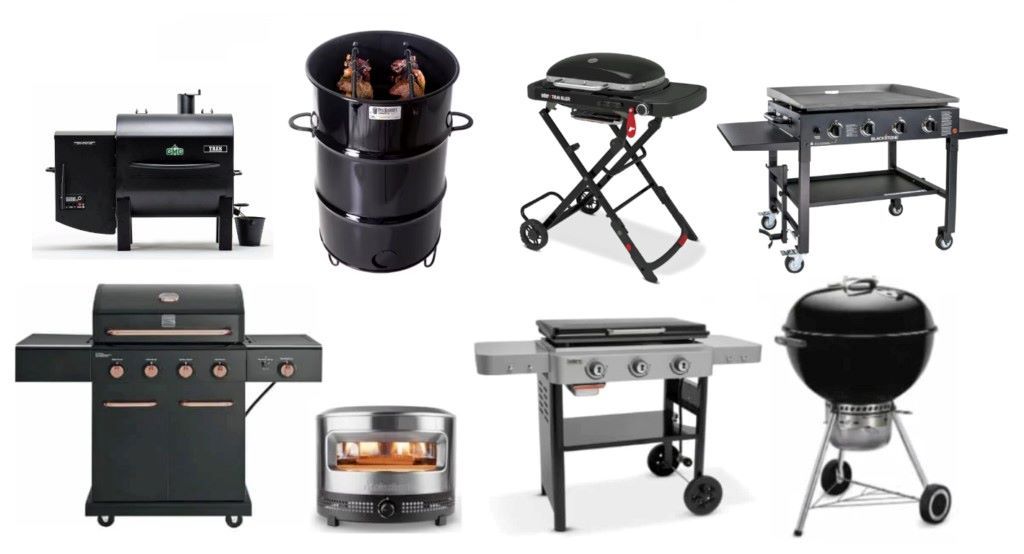
Few things bring people together like the smell of food sizzling on a barbeque grill. Whether you’re a weekend warrior or a seasoned pitmaster, the right grill can turn a simple cookout into a memorable feast. But with so many options on the market, how do you choose the one that’s perfect for your needs?
I remember my first grill—a hand-me-down charcoal model that took forever to heat up and required constant attention. While it had its charm, upgrading to a high-quality gas grill changed everything. Suddenly, I could control the temperature with precision, cook evenly, and spend more time enjoying my guests instead of babysitting the fire.
If you’re ready to take your grilling game to the next level, this guide is for you. We’ll explore how to choose the right Barbeque Grill here for perfect results every time. From fuel types to size, features, and budget, we’ll cover everything you need to know to make an informed decision.
Why the Right Barbeque Grill Matters
A good grill is more than just a cooking tool—it’s the heart of your outdoor kitchen. Here’s why choosing the right one is so important:
- Flavor: The type of grill you use affects the taste of your food. Charcoal grills impart a smoky flavor, while gas grills offer a cleaner taste.
- Convenience: Some grills heat up quickly and are easy to control, while others require more time and effort. Your choice should match your lifestyle and cooking style.
- Versatility: The right grill allows you to cook a variety of foods, from burgers and steaks to vegetables and even pizza.
- Durability: A high-quality grill lasts for years, saving you money in the long run. Cheaper models may rust, warp, or break down after just a few uses.
According to a survey by the Hearth, Patio & Barbecue Association, over 60% of grill owners say that upgrading to a better grill improved their cooking results. That’s a significant boost in both flavor and enjoyment.
Types of Barbeque Grills
Not all grills are created equal. Here’s a breakdown of the most popular types:
1. Charcoal Grills
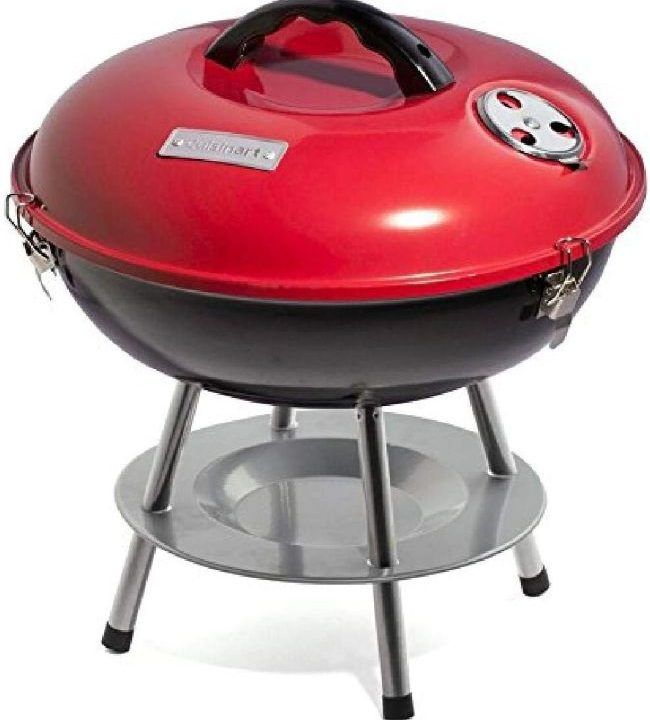
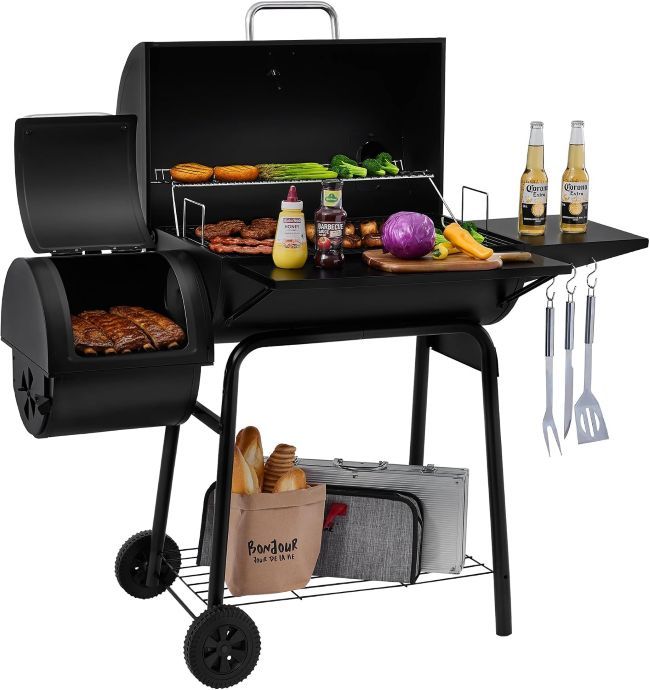
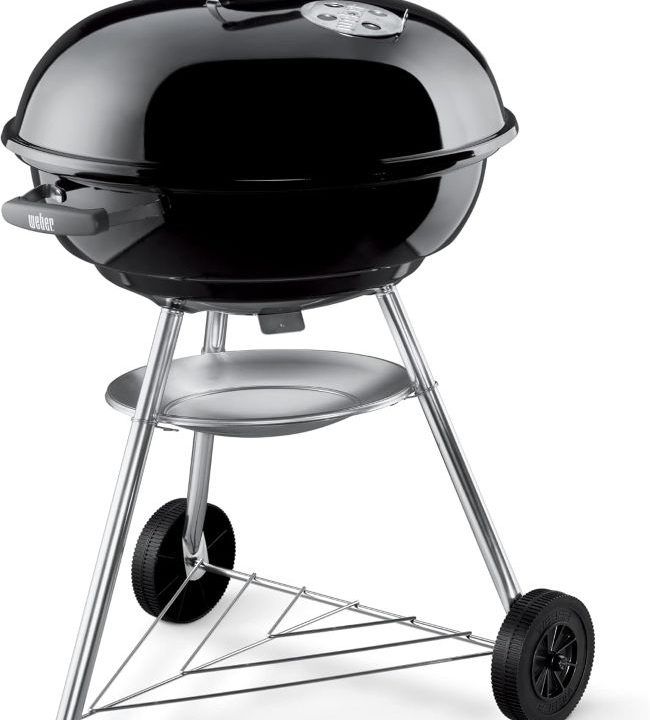
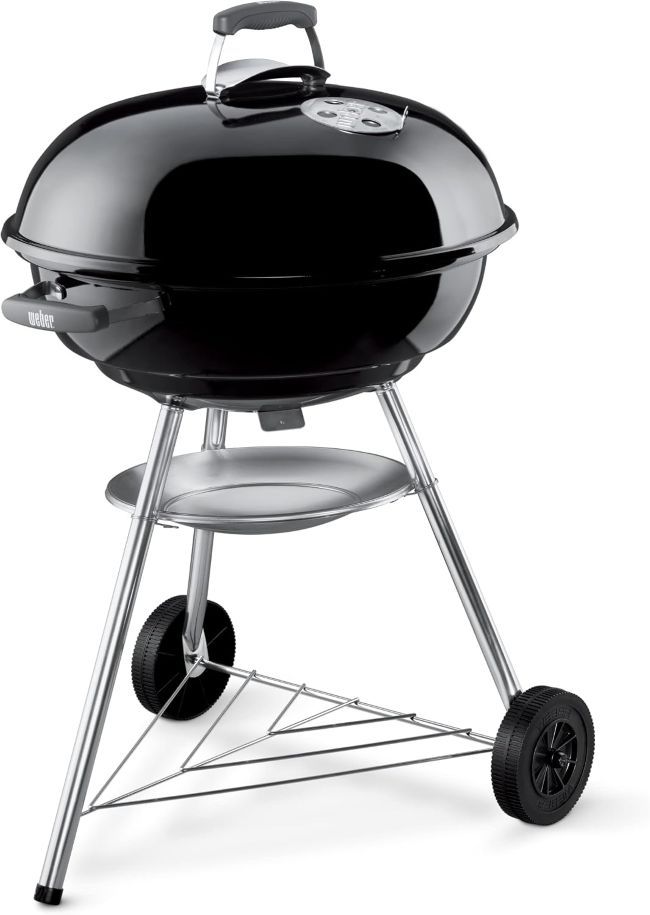
Charcoal grills are beloved for their smoky flavor and high heat. They’re ideal for traditionalists who enjoy the process of lighting and managing a fire. However, they require more time and effort to use, as you’ll need to monitor the temperature and add charcoal as needed.
2. Gas Grills
Gas grills are the most convenient option for many people. They heat up quickly, offer precise temperature control, and are easy to clean. Propane and natural gas models are available, with propane being more portable and natural gas requiring a fixed gas line.
3. Electric Grills
Electric grills are perfect for those who live in apartments or areas where open flames are restricted. They’re easy to use and maintain but may not reach the high temperatures needed for searing.
4. Pellet Grills
Pellet grills use wood pellets for fuel, offering a unique smoky flavor similar to charcoal but with the convenience of gas. They’re great for slow cooking and smoking but can be more expensive and require electricity to operate.
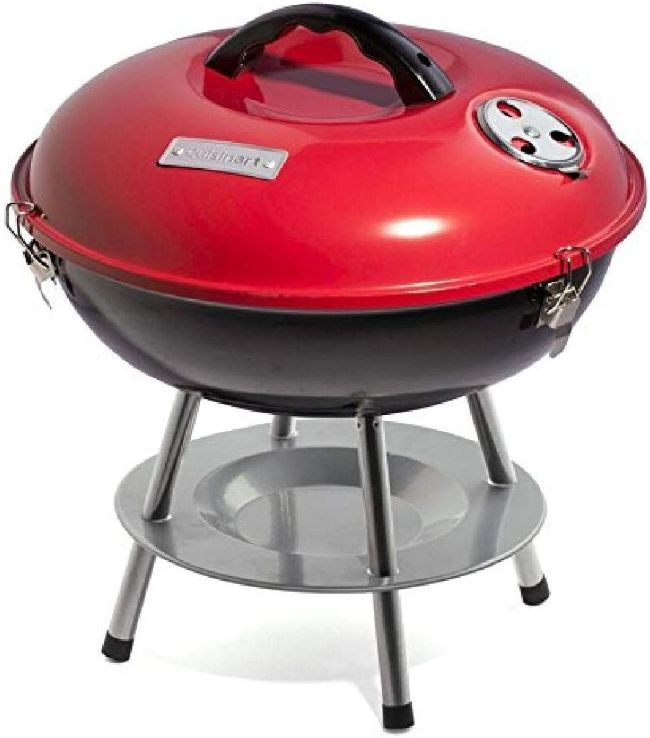
5. Portable Grills
Portable grills are designed for camping, tailgating, or small spaces. They come in charcoal, gas, and electric varieties and are perfect for grilling on the go.
How to Choose the Right Grill for Your Needs
Your grilling style and needs should guide your choice. Here’s how to find the perfect match:
1. Consider Your Cooking Style
- Quick and Easy: If you want convenience, a gas grill is your best bet. It heats up fast and offers precise temperature control.
- Smoky Flavor: For that classic barbeque taste, charcoal or pellet grills are ideal.
- Versatility: If you love to experiment with different cooking methods, look for a grill with multiple burners, a side burner, or even a smoker box.
2. Think About Size
The size of your grill depends on how much you plan to cook and how many people you usually feed. A small grill is perfect for couples or small families, while larger grills are better for entertaining crowds.
3. Budget Matters
Grills range from budget-friendly models to high-end luxury options. Set a budget before you start shopping, and stick to it. Remember, a more expensive grill doesn’t always mean better results—it’s about finding the right features for your needs.
4. Durability and Materials
Look for grills made from high-quality materials like stainless steel or cast iron. These materials resist rust and wear, ensuring your grill lasts for years.
Key Features to Look for in a Barbeque Grill
When shopping for a grill, keep an eye out for these essential features:
1. Temperature Control
Precise temperature control is crucial for even cooking. Look for grills with adjustable burners, a built-in thermometer, or even smart technology that allows you to monitor the temperature from your phone.
2. Cooking Surface
The cooking surface should be large enough for your needs and made from durable materials. Cast iron grates retain heat well, while stainless steel is easy to clean and resistant to rust.
3. Ease of Cleaning
Grills with removable grease trays, easy-to-clean grates, and accessible burners make maintenance a breeze. Some models even come with self-cleaning features.
4. Portability
If you plan to take your grill on the road, look for lightweight models with foldable legs or wheels for easy transport.
5. Additional Features
Side burners, rotisserie kits, and smoker boxes add versatility to your grill. Consider which extras are important to you and your cooking style.
How to Maintain Your Barbeque Grill
A well-maintained grill lasts longer and performs better. Here’s how to keep yours in top shape:
- Clean Regularly: After each use, brush the grates to remove food particles and grease. Empty the grease tray to prevent flare-ups.
- Cover Your Grill: Use a grill cover to protect it from the elements when not in use. This prevents rust and extends the life of your grill.
- Check for Wear: Inspect your grill regularly for signs of rust, wear, or damage. Replace any worn-out parts promptly.
- Season Your Grates: For cast iron grates, season them with oil to prevent rust and improve non-stick properties.
FAQs
What’s the best type of grill for beginners?
Gas grills are the best choice for beginners. They’re easy to use, heat up quickly, and offer precise temperature control.
How do I know what size grill to buy?
Consider how many people you usually cook for. A small grill is great for 2–4 people, while a large grill can handle 6 or more.
Can I use my grill in the winter?
Yes, but cold weather can affect cooking times and temperatures. Use a grill cover and allow extra time for preheating.
How often should I clean my grill?
Clean your grill after every use to prevent buildup and extend its lifespan. A deep clean every few months is also recommended.
Are pellet grills worth the investment?
Pellet grills offer excellent flavor and versatility but can be more expensive. If you love smoky flavors and slow cooking, they’re worth considering.
Conclusion
Choosing the right barbeque grill is an investment in your outdoor cooking experience. Whether you prefer the smoky flavor of charcoal, the convenience of gas, or the versatility of a pellet grill, there’s a perfect option out there for you.
Now that you’re equipped with the knowledge to make an informed decision, it’s time to fire up the grill and start cooking! Have a favorite grill or grilling tip? Share your thoughts in the comments below—we’d love to hear from you! Don’t forget to share this article with your fellow grill masters who might be in the market for a new barbeque grill. Happy grilling!