How to Maintain Household Appliances Without Costly Repairs: The Ultimate Guide to Saving Thousands

Best Affordable Countertop Dishwashers in California (2026): Which Compact Model Actually Cleans Better in Small Spaces?
March 29, 2026
Best Smart Air Fryer Oven in California: Top Picks for 2026
April 9, 2026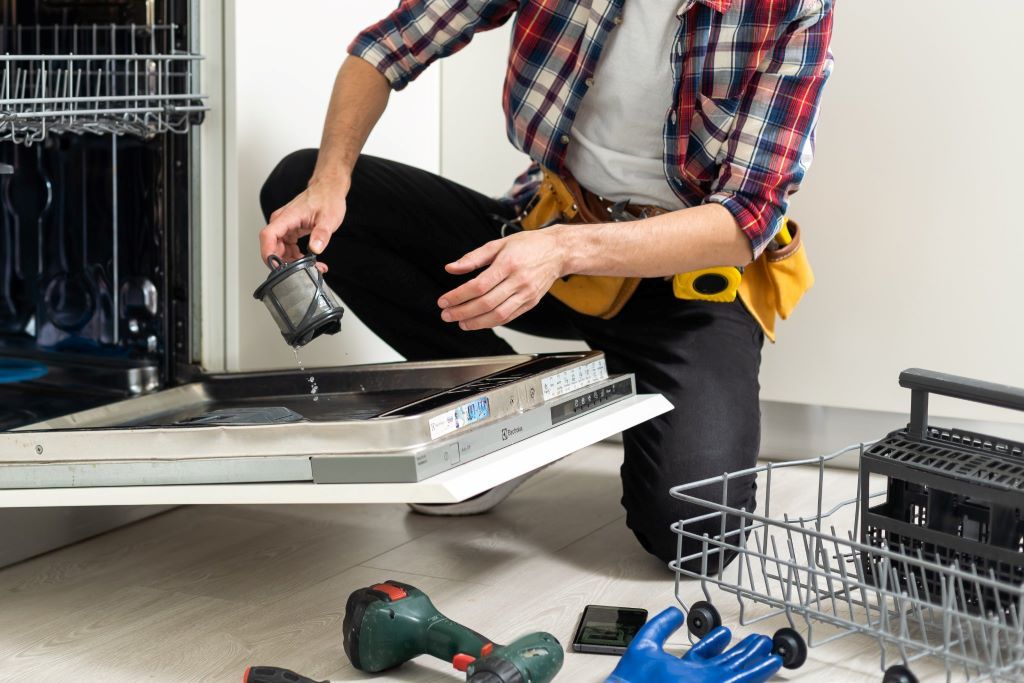
Your washing machine starts making strange noises. The refrigerator isn’t cooling properly. The dishwasher leaves spots on every glass. These aren’t just minor inconveniences—they’re warning signs of impending appliance failure. The average American household spends $300 annually on appliance repairs, with 20% of those costs going toward problems that proper maintenance could have prevented. The secret to avoiding these expenses isn’t luck—it’s a systematic approach to appliance care that extends the life of your machines by years.
This isn’t about becoming a DIY repair expert or spending hours on maintenance. It’s about implementing simple, proven strategies that keep your appliances running smoothly with minimal effort. From the refrigerator that keeps your food fresh to the washing machine that handles weekly loads, every appliance in your home represents a significant investment. With the right maintenance routine, you can double the lifespan of these machines and avoid the frustration of unexpected breakdowns. Whether you’re a new homeowner or looking to protect your current appliances, these appliance care tips will help you save money, reduce stress, and keep your household running efficiently.
The Hidden Costs of Neglecting Appliance Maintenance
Every appliance in your home has a finite lifespan, but how you maintain it determines whether it lasts 5 years or 15. The U.S. Department of Energy estimates that proper maintenance can extend an appliance’s life by 30-50%, yet most homeowners only perform basic cleaning. This neglect leads to premature failures that cost billions annually in repairs and replacements.
Energy inefficiency is another hidden cost of poor maintenance. A refrigerator with dirty coils uses up to 25% more energy, adding $50-$100 to your annual electricity bill. Clogged dryer vents not only reduce efficiency but create fire hazards—responsible for 2,900 home fires each year according to the U.S. Fire Administration. Regular maintenance isn’t just about saving money; it’s about protecting your home and family.
The environmental impact adds up too. Appliances that fail prematurely contribute to the 9 million tons of e-waste generated annually in the U.S. Extending the life of your appliances through proper care reduces this waste and your carbon footprint. What’s more, well-maintained appliances retain higher resale value if you ever decide to upgrade or sell your home.
5 Essential Principles for Maintaining Household Appliances
1. Follow the Manufacturer’s Maintenance Schedule
Every appliance comes with specific care instructions, yet 60% of homeowners admit they never consult the manual. These guidelines aren’t suggestions—they’re engineered requirements for optimal performance. For example, most washing machines require monthly tub cleaning with affresh or similar cleaners to prevent mold and odor buildup. Refrigerators need coil cleaning every 6 months to maintain cooling efficiency.
Create a maintenance calendar for each appliance with reminders for:
- Filter replacements (every 3-6 months for water and air filters)
- Coil cleaning (twice yearly for refrigerators)
- Vent cleaning (annually for dryers)
- Seal inspections (quarterly for refrigerator doors)
2. Clean With Purpose and the Right Products
Not all cleaners are created equal. Harsh chemicals can damage appliance surfaces and void warranties. Use manufacturer-recommended products or mild solutions like vinegar and baking soda. For stainless steel appliances, always wipe in the direction of the grain to avoid scratches. Microfiber cloths prevent scratching on glass and metal surfaces.
Deep cleaning goes beyond surface wiping. For washing machines, run a monthly cleaning cycle with affresh tablets or a cup of white vinegar. Clean refrigerator drain pans annually to prevent mold growth. Remove and wash dishwasher filters monthly to maintain cleaning performance. These simple tasks prevent the buildup that leads to malfunctions.
3. Inspect and Replace Worn Components Proactively
Many appliance failures start with small, inexpensive parts. Check these components regularly:
- Washing machines: Hoses for cracks or bulges (replace every 5 years)
- Dryers: Vent hoses for lint buildup and kinks
- Refrigerators: Door seals for cracks or gaps
- Dishwashers: Spray arms for clogs
- Ovens: Door gaskets for wear
A $10 hose replacement can prevent a $500 flood damage repair. A $5 vent cleaning prevents dryer fires. These small investments pay massive dividends in appliance longevity and home safety.
4. Use Appliances as Intended
Misuse is the leading cause of premature appliance failure. Common mistakes include:
- Overloading washing machines (stresses motors and bearings)
- Using wrong detergent types (damages seals and pumps)
- Slamming oven doors (misaligns door seals)
- Ignoring weight limits in dishwashers (damages racks and spray arms)
Always follow capacity guidelines and use recommended detergents. For example, HE washing machines require HE detergent—regular detergent creates excessive suds that damage sensors and pumps. Similarly, using too much dishwasher detergent leaves residue that clogs filters and reduces cleaning performance.
5. Address Minor Issues Immediately
That strange noise from your washing machine isn’t going away on its own. Neither is the refrigerator that’s running constantly. These symptoms indicate developing problems that become more expensive to fix over time. Keep a basic appliance repair kit with:
- Multimeter for electrical testing
- Nut drivers for appliance panels
- Replacement hoses and belts
- Appliance-specific lubricants
Many common issues have simple fixes. A washing machine that won’t spin often just needs a new lid switch. A refrigerator that’s not cooling might only need its coils cleaned. Learning basic troubleshooting saves hundreds in service calls.
Step-by-Step Guide to Maintaining Each Major Appliance
Refrigerator Maintenance for Longevity
Your refrigerator runs 24/7, making proper care essential. Follow this routine:
- Monthly:
- Wipe interior with baking soda solution (1 tbsp per quart of water)
- Check door seals for gaps (use dollar bill test—if it slides out easily, replace seals)
- Clean water dispenser and ice maker
- Quarterly:
- Vacuum condenser coils (unplug first!)
- Clean drain pan under the fridge
- Check temperature settings (37°F for fridge, 0°F for freezer)
- Annually:
- Replace water filter
- Defrost freezer if not frost-free
- Inspect door hinges and gaskets
Pro tip: Place an open box of baking soda in the fridge to absorb odors naturally. Avoid overpacking—air needs to circulate for proper cooling.
Washing Machine Care That Prevents Floods
Front-loaders and top-loaders have different maintenance needs. For both:
- After Each Use:
- Leave door open to dry interior and prevent mold
- Wipe door gasket and drum with dry cloth
- Monthly:
- Run cleaning cycle with affresh tablet or 1 cup vinegar
- Check hoses for leaks or bulges
- Clean detergent dispenser
- Annually:
- Replace water inlet hoses (every 5 years)
- Check drain pump for debris
- Level the machine to prevent walking during spin cycles
For front-loaders, use HE detergent only. Top-loaders need occasional tub cleaning to remove detergent residue. Never overload—follow manufacturer’s capacity guidelines.
Dryer Maintenance That Prevents Fires
Lint buildup causes 2,900 dryer fires annually. Prevent this with:
- After Each Use:
- Clean lint trap
- Check vent hose for kinks
- Quarterly:
- Vacuum lint from trap housing
- Clean vent pipe with dryer vent brush
- Check exterior vent flap for obstructions
- Annually:
- Have professional clean entire vent system
- Inspect drum rollers and belts
- Test thermal fuse and heating element
Use metal vent pipes instead of plastic—they’re safer and more durable. Never run the dryer when you’re away or sleeping.
Dishwasher Care for Spotless Performance
Hard water and food debris are a dishwasher’s worst enemies. Maintain yours with:
- Weekly:
- Scrape food from dishes before loading
- Run rinse cycle if not using immediately
- Wipe door gasket with vinegar
- Monthly:
- Clean filter (remove and rinse under water)
- Run cleaning cycle with dishwasher cleaner
- Check spray arms for clogs
- Annually:
- Inspect door seal for leaks
- Check water inlet valve for mineral buildup
- Test detergent dispenser operation
Use rinse aid to prevent spots and improve drying. Avoid overloading—dishes need space for water circulation.
Oven and Range Maintenance for Safety
Grease buildup and faulty igniters cause most range issues. Keep yours safe with:
- After Each Use:
- Wipe spills from stovetop
- Clean glass cooktop with approved cleaner
- Monthly:
- Clean oven interior with baking soda paste
- Check burner flames (blue with small yellow tips is normal)
- Test oven temperature with oven thermometer
- Annually:
- Replace faulty igniters
- Clean range hood filters
- Inspect gas lines for leaks (use soapy water—bubbles indicate leaks)
For self-cleaning ovens, run the cycle every 6 months to prevent buildup. Never use abrasive cleaners on glass cooktops—they scratch the surface.
HVAC System Maintenance for Efficiency
Your heating and cooling system accounts for 50% of home energy use. Maintain it with:
- Monthly:
- Replace air filters (every 1-3 months depending on type)
- Clean return air vents
- Seasonally:
- Clean outdoor AC unit (remove debris, trim vegetation)
- Check thermostat operation
- Test safety controls
- Annually:
- Schedule professional tune-up
- Clean ductwork
- Inspect refrigerant levels
Smart thermostats like Nest or Ecobee help maintain efficiency by learning your habits and optimizing runtime.
Appliance Care Tips From Repair Technicians
Tip 1: Keep a Maintenance Log
Track all maintenance tasks, repairs, and part replacements. Note dates, what was done, and any unusual observations. This helps spot patterns and proves maintenance history for warranty claims.
Tip 2: Use Surge Protectors
Power surges damage appliance electronics. Use surge protectors for:
- Refrigerators
- Washing machines
- Computers and home offices
- Entertainment systems
Whole-house surge protectors offer the best protection for all appliances.
Tip 3: Level Your Appliances
Vibration from unlevel appliances causes premature wear. Use a level to check:
- Washing machines (prevents walking during spin cycles)
- Refrigerators (ensures proper door sealing)
- Dryers (reduces noise and wear)
Adjustable feet make leveling easy. Place washing machines on vibration pads to reduce movement.
Tip 4: Protect Against Hard Water
Mineral buildup destroys appliances. If you have hard water:
- Install a whole-house water softener
- Use vinegar monthly to descale coffee makers and dishwashers
- Choose appliances with self-cleaning cycles
Test your water hardness with a simple kit from hardware stores.
Tip 5: Learn Basic Troubleshooting
Many “broken” appliances just need simple fixes. Common solutions:
- Refrigerator not cooling: Clean coils, check door seals
- Washing machine won’t drain: Check drain hose for clogs
- Dryer not heating: Clean lint trap and vent, check thermal fuse
- Dishwasher not cleaning: Clean filter, check spray arms
YouTube has excellent tutorials for basic appliance repairs. Always unplug before attempting fixes.
Tip 6: Invest in Quality Parts
When replacements are needed, choose OEM (Original Equipment Manufacturer) parts. They cost more but last longer than generic alternatives. Keep spare parts like:
- Washing machine hoses
- Refrigerator water filters
- Oven igniters
- Air filters
Tip 7: Schedule Professional Tune-Ups
Some maintenance requires expert hands. Schedule annual checkups for:
- HVAC systems
- Water heaters
- Gas appliances
- Complex electronics
Technicians can spot developing issues before they become major problems.
Common Appliance Maintenance Mistakes (And How to Avoid Them)
Mistake 1: Using Harsh Cleaners
Bleach and abrasive cleaners damage appliance surfaces and seals. Use manufacturer-recommended products or mild solutions like vinegar and baking soda.
Mistake 2: Overloading Appliances
Cramming too much into washing machines, dishwashers, or dryers stresses motors and reduces cleaning performance. Follow capacity guidelines.
Mistake 3: Ignoring Strange Noises
That rattling, humming, or squeaking isn’t normal. Investigate unusual sounds immediately—they often indicate developing problems.
Mistake 4: Skipping Filter Changes
Clogged filters reduce efficiency and damage appliances. Mark filter change dates on your calendar.
Mistake 5: DIY Repairs Without Knowledge
Some fixes require professional skills. Attempting complex repairs without proper tools or knowledge often makes problems worse.
Mistake 6: Not Reading the Manual
Every appliance has specific care requirements. The manual isn’t just for setup—it’s your maintenance guide.
Mistake 7: Forgetting About Exterior Maintenance
Outdoor AC units, dryer vents, and refrigerator coils need regular cleaning. Neglect leads to reduced efficiency and premature failure.
Related Topics:
- Home Appliance Repair Experts: Quick and Reliable Solutions
- What are the Importance of Home Appliance: Essential benefits for modern living
FAQs About Maintaining Household Appliances
1. How often should I clean my appliances?
- Refrigerator: Monthly interior, quarterly coils
- Washing machine: Monthly cleaning cycle
- Dryer: After each use (lint trap), annually (vent)
- Dishwasher: Monthly filter cleaning
- Oven: Quarterly deep clean
2. What’s the best way to clean stainless steel appliances?
Use a microfiber cloth and stainless steel cleaner. Wipe in the direction of the grain. Avoid abrasive pads or cleaners with chlorine.
3. How can I extend my appliance’s lifespan?
- Follow the manufacturer’s maintenance schedule
- Address minor issues promptly
- Use appliances as intended
- Keep them clean and level
- Protect against power surges
4. Are extended warranties worth it?
For high-end appliances, yes. Look for warranties that cover:
- Parts and labor
- In-home service
- At least 5 years of coverage
Compare costs to potential repair bills.
5. What’s the most important appliance to maintain?
Refrigerators—they run 24/7 and are expensive to replace. Proper maintenance prevents food spoilage and costly repairs.
6. How do I know when to repair vs. replace an appliance?
Consider:
- Age of appliance (if over 10 years, replacement may be better)
- Cost of repair (if over 50% of replacement cost, replace)
- Energy efficiency (newer models may save money long-term)
- Availability of parts
7. What tools should I have for basic appliance maintenance?
- Nut drivers (for appliance panels)
- Multimeter (for electrical testing)
- Vacuum with crevice tool (for coils and vents)
- Basic hand tools (screwdrivers, pliers)
- Appliance-specific cleaners
Conclusion: Small Efforts, Big Savings
Maintaining household appliances isn’t about becoming a repair expert—it’s about implementing simple habits that prevent costly problems. The time you invest in regular care pays dividends through extended appliance life, lower energy bills, and fewer repair headaches. By following these appliance care tips, you’ll protect your investment and enjoy reliable performance for years to come.
Your action plan:
- Create a maintenance calendar for each appliance
- Gather the right cleaning supplies and tools
- Address any current appliance issues promptly
- Schedule your first professional tune-up
Ready to start saving on repairs? Begin with one appliance—perhaps your refrigerator or washing machine—and implement its maintenance routine. Then gradually add others to your schedule. Your appliances (and your wallet) will thank you for years to come. What’s the first appliance you’ll maintain this week? Share your plans in the comments—or book a virtual consultation with our appliance experts to create your personalized maintenance plan!
Featured Image Source