How to Choose the Right Sterling Climbing Rope for Your Climbing Style
Six Kitchen Remodelling Ideas to Improve Functionality and Presentation
February 23, 2026
Best Affordable Slow Cookers & Multi-Cookers 2026: Which Model Makes Dinner Effortless?
March 5, 2026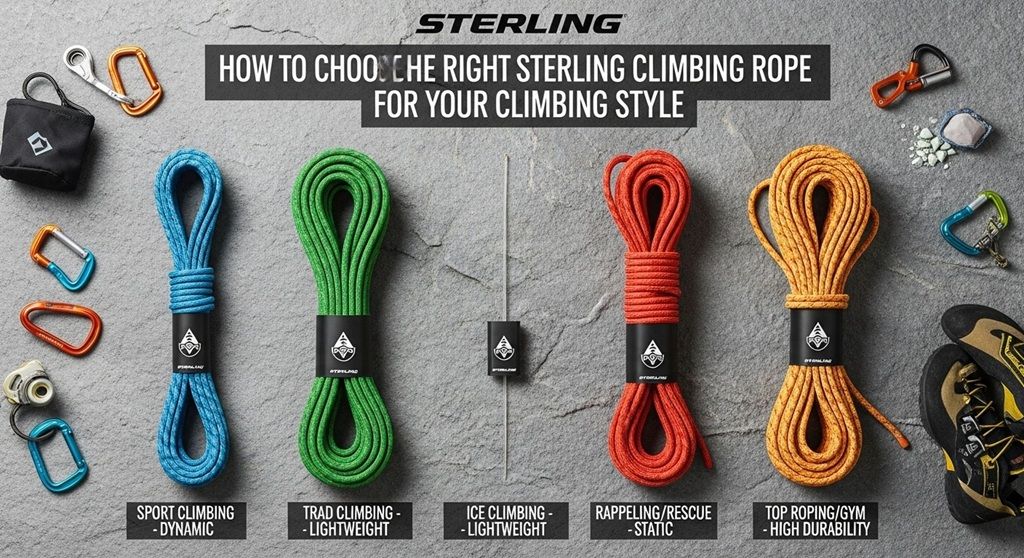
The right Sterling climbing rope depends on your discipline, fall risk, length needs, and durability expectations. Sport climbers typically choose a single dynamic rope between 9.4–9.8mm. Trad climbers often prioritize abrasion resistance and slightly thicker diameters. Gym climbers prefer durable ropes that handle frequent top-roping. Mountaineers may require lightweight half or twin ropes. Static ropes are reserved for hauling, rescue, or fixed-line work—not for lead climbing.
Choosing the wrong rope can increase fall impact force, shorten rope lifespan, and affect safety margins. According to UIAA standards, certified dynamic ropes must withstand multiple standardized falls under strict laboratory conditions. That data matters. Because rope selection is not about preference. It is about physics, friction, and fall factors.
This guide breaks down rope construction, use cases, certifications, diameter differences, and real-world case studies. By the end, you will know exactly which climbing rope types match your climbing style—and why.
Why Does Choosing the Wrong Climbing Rope Create Safety Problems?
Short answer: Using the wrong rope increases fall impact force, reduces durability, and can lead to rope failure in specific environments.
Climbing ropes are engineered to stretch under load. That stretch absorbs energy during a fall. A static rope stretches very little—usually under 5%. A dynamic rope can stretch up to 30% under UIAA fall testing. That difference is critical.
The Problem:
- Using a static rope for lead climbing transfers high impact forces to the climber and anchor.
- Using a thin sport rope for rough trad routes increases abrasion damage.
- Using a short rope outdoors may prevent safe lowering.
The Agitation:
In 2023, climbing accident reports from multiple alpine rescue organizations showed that improper gear selection, including rope misuse, contributed to preventable incidents. Many cases involved climbers using ropes outside their intended application.
When a rope does not match the fall factor scenario, gear ratings alone cannot compensate. That is why understanding climbing rope types matters before purchasing.

What Are the Main Climbing Rope Types and How Do They Differ?
Short answer: There are two primary rope categories—dynamic rope and static rope—with subtypes including single, half, and twin ropes.
1. Dynamic Rope
Designed for lead climbing and fall absorption.
- Elongation under load absorbs energy
- Certified under UIAA dynamic fall tests
- Used for sport, trad, gym, and alpine climbing
2. Static Rope
Designed for minimal stretch applications.
- Low elongation (typically under 5%)
- Used in rescue, hauling, caving, fixed lines
- Not suitable for lead falls
Dynamic Rope Subtypes
- Single ropes: Used alone. Most common.
- Half ropes: Used in pairs. Clip alternately.
- Twin ropes: Used in pairs. Clip together.
Each configuration addresses specific terrain risks. For example, half ropes reduce rope drag on wandering trad routes and offer redundancy on alpine objectives.
How Does Rope Diameter Affect Performance?
Short answer: Thinner ropes are lighter and smoother to handle, but thicker ropes last longer and resist abrasion better.
| Diameter | Best Use | Pros | Cons |
|---|---|---|---|
| 8.5–9.2mm | Advanced sport / alpine | Lightweight, low drag | Shorter lifespan |
| 9.3–9.8mm | All-around climbing | Balance of durability and weight | Slightly heavier |
| 10–10.5mm | Gym / top rope | Durable, abrasion resistant | Heavier |
Case study data from rope manufacturers shows thinner ropes experience faster sheath wear in high-friction environments. For example, high-traffic indoor gyms report replacing thin ropes nearly 30% more frequently than 10mm ropes under similar usage loads.
If you climb outdoors once a week, a mid-range diameter often provides the best cost-to-longevity ratio.
How Long Should Your Climbing Rope Be?
Short answer: Most outdoor sport climbers choose 60m or 70m ropes. Gym climbers may use 40m–50m. Always match rope length to route height.
Modern sport routes frequently exceed 30 meters. A 60m rope allows safe lowering from many crags. However, 70m ropes provide added margin for longer routes and reduce the need for rappelling.
Common mistakes:
- Bringing a 50m rope to a 35m route
- Not tying a stopper knot at the rope end
Before buying, check local crag databases or guidebooks. Rope length is not optional. It is route-dependent.
What Certifications Should You Look For?
Short answer: Look for UIAA and CE certification labels.
UIAA certification ensures ropes meet standardized dynamic fall testing. For single ropes, the UIAA fall rating typically ranges from 5–12 falls under laboratory conditions.
Key technical metrics include:
- Impact force (kN)
- Static elongation (%)
- Dynamic elongation (%)
- Sheath slippage (%)
Lower impact force values reduce stress on climber and protection. However, extremely low impact force may mean more rope stretch, affecting fall distance. It is always a balance.
How Do You Match Rope Type to Your Climbing Style?
Short answer: Your climbing discipline determines rope structure, diameter, and treatment.
Sport Climbing
- Single dynamic rope
- 9.4–9.8mm diameter
- 60–70m length
Trad Climbing
- Durable single rope or half ropes
- Abrasion resistance matters
- Consider dry treatment for alpine routes
Gym Climbing
- Thicker rope (9.8–10.2mm)
- Focus on durability over weight
Alpine / Mountaineering
- Half or twin ropes
- Dry-treated to resist water absorption
- Lightweight priority
Choosing from available climbing rope types becomes easier when you define your terrain and fall exposure.
Do Dry Treatments Matter?
Short answer: Yes. Dry-treated ropes resist water absorption, freezing, and dirt contamination.
In wet alpine conditions, untreated ropes can gain weight and lose flexibility. Studies show untreated ropes may absorb up to 40% of their weight in water under extreme conditions. That increases handling difficulty and reduces safety margins.
If you climb in snow, ice, or unpredictable weather, dry treatment is not optional. It is protective.
How Long Does a Climbing Rope Last?
Short answer: Lifespan depends on frequency and severity of use.
- Frequent lead falls: 1 year or less
- Regular weekend climbing: 2–3 years
- Occasional use: up to 5 years (maximum storage recommendation varies by brand)
Manufacturers generally recommend retiring ropes after significant sheath damage, core exposure, flat spots, or major falls. Always inspect before each climb.
Conclusion: How Do You Choose with Confidence?
The wrong rope increases risk. The right rope increases confidence. The difference lies in understanding application, certification, and terrain.
If you lead sport routes, choose a mid-diameter single dynamic rope. If you climb trad or alpine routes, prioritize durability or half rope systems. If you haul loads or fix lines, use a static rope—but never for lead climbing.
Before buying, evaluate:
- Your primary climbing style
- Typical route height
- Environmental exposure
- Durability expectations
Need a breakdown of top-rated Sterling models and comparisons? Review this detailed guide on dynamic rope options to compare specifications and choose with clarity.
Climb smart. Choose based on data. Inspect often. Replace when necessary.
Frequently Asked Questions
Is a dynamic rope safer than a static rope?
For lead climbing, yes. A dynamic rope stretches to absorb fall energy. Static ropes do not provide adequate fall absorption and should not be used for lead climbing.
What diameter rope is best for beginners?
Most beginners benefit from 9.6–10mm single ropes. They offer durability and easier handling in belay devices.
How do I know if my rope is damaged?
Look for sheath fraying, soft spots, flat sections, discoloration, or exposed core fibers. If unsure, retire the rope.
Do I need a dry-treated rope for gym climbing?
No. Dry treatment is mainly for outdoor, alpine, or wet environments.
What is the difference between half and twin ropes?
Half ropes are clipped alternately into protection. Twin ropes are clipped together. Half ropes reduce drag and increase redundancy on wandering routes.
How many falls can a rope hold?
UIAA fall ratings indicate laboratory test results, typically between 5–12 standardized falls. Real-world wear reduces lifespan before reaching lab limits.
Related Topic: Ninja TB401: Powerful All-in-One Blender And Food Processor
Read Next: Laposso Rechargeable Milk Frother – 3-Speed Handheld Whisk in C-Blue