How to Use Oghom Clothes Steamer Safely and Effectively

How to Use Nextmug Self Heating Mug
September 20, 2026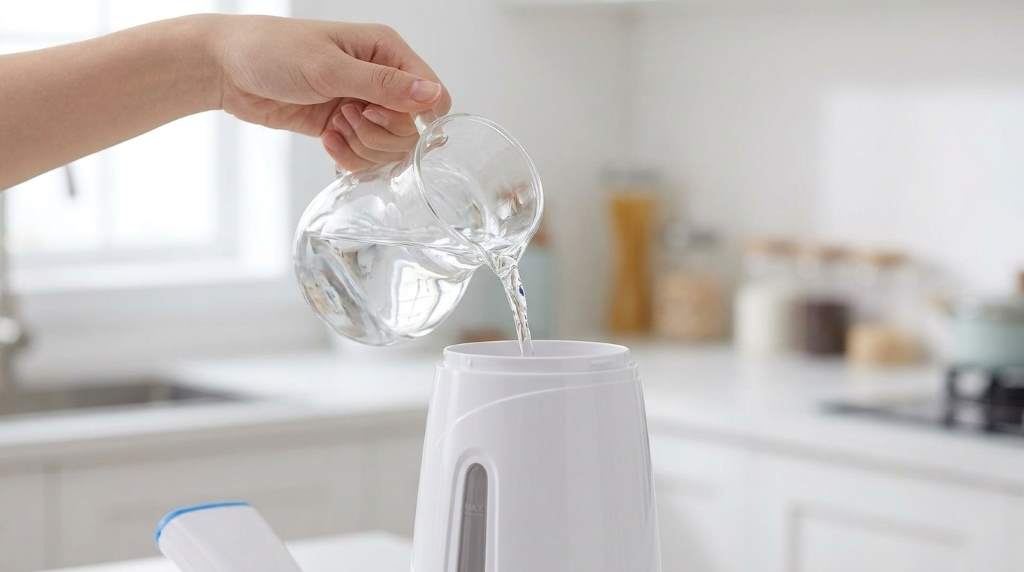
To use an Oghom Clothes Steamer, fill its tank, let it heat fully, then move the nozzle over hanging clothes. Keep the steam head moving and follow each garment’s care label to reduce fabric damage.
A handheld steamer can refresh garments faster than ironing because it treats wrinkles while clothes hang naturally. The Oghom Clothes Steamer works best when you combine steady movement with suitable steam distance. Steamers can reach temperatures above 200°F, so careful handling remains important. Moreover, proper storage prevents mineral buildup and keeps the appliance ready for regular use.
Key Takeaways
- Fill the water tank before connecting the steamer to power.
- Let the steamer reach operating temperature before treating fabric.
- Hang garments vertically for easier wrinkle removal.
- Move the steam head continuously instead of holding it still.
- Use extra care with delicate fabrics, trims, and printed areas.
- Empty the tank after use and store the steamer completely dry.
What You Need Before Steaming
First, prepare the steamer, clean water, a sturdy hanger, and the garment you want to refresh. Choose a spacious area where the fabric can hang freely without touching people or surfaces.
Next, inspect the garment’s care label before applying steam. The label can indicate whether the fabric tolerates heat, steam, or only specific cleaning methods.
Check the Garment Fabric
Most everyday fabrics respond well to controlled steaming, especially cotton blends, polyester, and synthetic materials. However, delicate materials can require lower heat, greater distance, or professional care.
Therefore, inspect silk, velvet, suede, leather, coated fabrics, and embellished clothing carefully. When the label warns against steam or heat, avoid using the steamer on that garment.
How to Prepare the Oghom Steamer
Before starting, place the steamer on a stable, heat resistant surface. Keep the steam outlet away from your hands, face, furniture, and other sensitive materials.
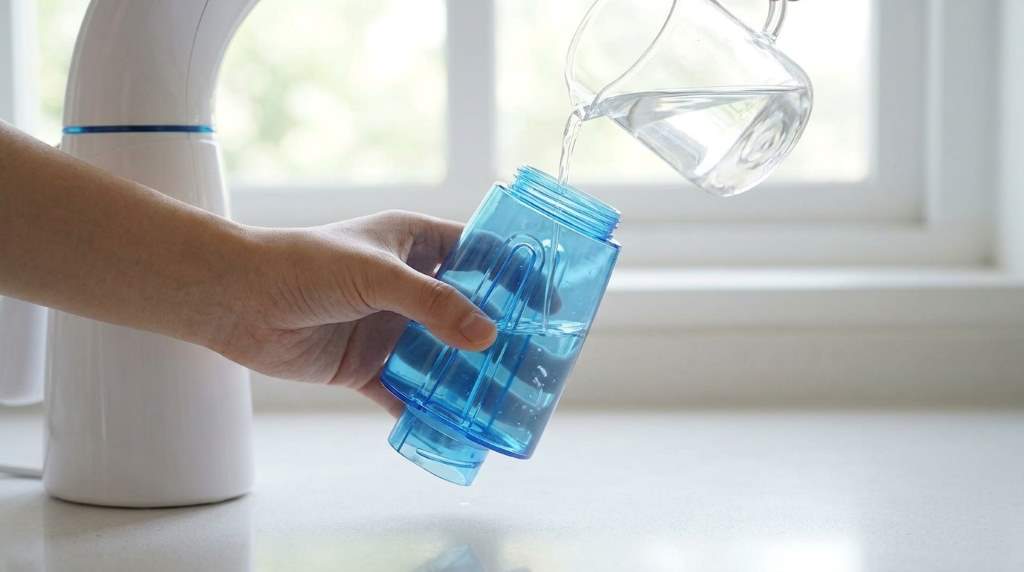
Then remove the water tank according to the appliance design and fill it with suitable clean water. Never exceed the tank’s maximum fill line because excess water can cause leaks.
Fill the Water Tank Correctly
Use clean water that matches the manufacturer’s instructions for your specific Oghom model. Avoid adding perfume, detergent, fabric softener, or other liquids unless the manual specifically permits them.
After filling the tank, secure it firmly before connecting the appliance to power. A properly seated tank helps prevent water leakage while you work.
Allow Proper Heating Time
Connect the steamer to power and activate its heating function. Wait until the appliance reaches its ready state before directing steam toward clothing.
Meanwhile, hang the garment and straighten obvious folds with your hands. This preparation gives steam a clearer path through the fabric.
How to Steam Clothes Step by Step
Start with the garment hanging vertically from a strong hanger. Keep enough space around the garment so you can move the steam head freely.
Hold the steamer according to its operating instructions and point the steam outlet toward the fabric. Begin near the upper section, then work gradually toward the hem.
1. Start With the Collar and Shoulders
Begin with collars, shoulders, and other structured areas because these sections often hold visible creases. Move the steam head slowly across the fabric without concentrating heat on one spot.
For collars, support the fabric with your free hand when safe to do so. Keep your hand away from the direct steam path to prevent burns.
2. Work Down the Garment
Next, move from the upper body toward the lower sections using smooth vertical passes. Keep the nozzle moving rather than repeatedly pressing steam against one location.
As wrinkles loosen, gently smooth the fabric with your free hand. This combination helps the fibers relax while gravity keeps the garment naturally aligned.
3. Treat Sleeves Carefully
Pull each sleeve straight and steam from the shoulder toward the cuff. Rotate the sleeve gradually so steam reaches both sides evenly.
For shirts and jackets, pay attention to sleeve seams and cuffs. Avoid forcing steam directly into decorative details, adhesives, or sensitive trims.
4. Finish the Lower Sections
Steam trousers, skirts, dresses, and longer garments from the waist downward. Keep the fabric hanging freely while you move across each section.
For trousers, use extra care around creases because excessive steam can soften intentional pressing. If you want a sharp crease, follow the garment’s care instructions instead.
How Far Should You Hold the Steamer?
The correct distance depends on the Oghom model and fabric, so follow its instructions first. Generally, keep the steam head close enough to relax wrinkles without pressing it tightly against delicate material.
Start farther away when treating an unfamiliar fabric, then gradually reduce the distance if necessary. This approach gives you better control and lowers the risk of water spotting or heat damage.
How to Steam Different Fabrics
Different fabrics react differently to heat and moisture, so avoid using one technique for every garment. Instead, adjust your movement, distance, and exposure according to the material.
| Fabric | Steaming Approach | Important Caution |
|---|---|---|
| Cotton | Use steady passes across visible wrinkles | Thicker cotton may need repeated passes |
| Polyester | Use moderate exposure and continuous movement | Avoid excessive heat on delicate finishes |
| Silk | Use gentle steam from a safer distance | Test an inconspicuous area first |
| Wool | Steam lightly while preserving the garment shape | Avoid saturating the fabric |
| Velvet | Use careful indirect steaming when permitted | Direct pressure can affect the pile |
How to Remove Stubborn Wrinkles
Some wrinkles need more than one quick pass, especially after clothing stays compressed in luggage. Instead of holding the steamer in one place, make several controlled passes.
First, stretch the garment gently while keeping it securely hung. Then apply steam gradually and allow the fabric to relax between passes.
Use Gravity to Your Advantage
Hanging garments gives gravity a useful role during steaming. As warm moisture relaxes the fibers, the garment can naturally settle into a smoother shape.
Therefore, avoid laying clothes flat unless your specific steaming method requires it. Vertical steaming usually gives you better access and easier movement.
Common Mistakes to Avoid
Many steaming problems happen because users rush the heating process or keep the steam head stationary. Simple changes can improve results while protecting both clothing and the appliance.
- Do not steam clothing while wearing it.
- Do not point steam toward your hands or face.
- Do not overfill the water tank.
- Do not add chemicals to the tank without approval.
- Do not ignore fabric care labels.
- Do not press the steam head aggressively against delicate fabric.
- Do not leave the appliance unattended while powered.
How to Steam Clothes Without Water Spots
Water spots can appear when moisture collects on fabric faster than it evaporates. Start with a properly heated appliance and avoid excessive steam exposure.
Additionally, keep the steamer moving and allow enough distance for vapor to spread evenly. Test darker or delicate garments on a hidden section before treating the entire item.
How to Clean and Store the Steamer
After steaming, switch the appliance off and disconnect it from power. Allow the unit to cool completely before handling the tank or storing the appliance.
Empty remaining water from the tank after each session when the manufacturer’s instructions permit it. This habit reduces stagnant water and helps keep the appliance ready for its next use.
Reduce Mineral Buildup
Minerals from water can accumulate inside steam appliances over time. Follow the Oghom model’s cleaning and descaling instructions rather than applying an unapproved cleaning solution.
If steam output decreases or the appliance begins producing unusual droplets, inspect the tank and cleaning requirements. Regular maintenance can help preserve consistent steam performance.
How to Use the Steamer for Travel
A compact steamer can help refresh shirts, dresses, trousers, and other garments after travel. However, always check the destination’s electrical requirements before connecting an appliance.
Pack the steamer only after it has cooled, drained, and dried completely. During use, hang clothing securely and keep the appliance away from hotel furnishings that heat or moisture could damage.
When a Steamer Works Better Than an Iron
A steamer offers a practical option when you want to release wrinkles without setting up an ironing board. It also works conveniently for hanging garments, jackets, dresses, and quick touch ups.
However, an iron can provide better results when you need crisp seams, sharp trouser creases, or precise pressing. Therefore, treat steaming and ironing as different tools rather than interchangeable methods.
Quick Troubleshooting Guide
| Problem | Likely Cause | What to Do |
|---|---|---|
| No steam | Insufficient heating or water | Check the tank and allow proper heating time |
| Weak steam | Low water or mineral buildup | Check water level and cleaning instructions |
| Water droplets | Condensation or improper positioning | Allow heating and keep the head moving |
| Wrinkles remain | Insufficient exposure or fabric tension | Use controlled repeated passes |
Safety Practices That Matter Most
Steam can cause serious burns even when the appliance looks compact and easy to handle. Always keep the steam outlet pointed away from your body and other people.
Furthermore, keep children and pets away while the appliance operates. Disconnect the steamer after use, let it cool completely, and store it somewhere stable.
Frequently Asked Questions
Can I use tap water in an Oghom Clothes Steamer?
Use the water type recommended for your specific Oghom model, especially if your local water contains many minerals.
Can I steam clothes while wearing them?
No, always hang the garment securely before steaming because direct steam can cause serious skin burns.
Can I use an Oghom steamer on delicate fabrics?
Yes, when the garment label permits steaming, but start gently and test a hidden area first.
Why does my steamer release water instead of steam?
Water droplets can result from incomplete heating, condensation, excessive filling, or incorrect handling.
Should I empty the steamer after every use?
Yes, emptying the tank after use helps reduce stagnant water and supports cleaner appliance storage.
Final Thoughts
Using an Oghom Clothes Steamer effectively comes down to preparation, controlled movement, and fabric awareness. Start with the care label, fill the tank correctly, allow proper heating, and steam from top to bottom.
For better results, keep the garment hanging and use several gentle passes instead of excessive heat. Follow the manufacturer’s model specific instructions whenever they differ from general steaming practices.
Before your next steaming session, inspect your garment, prepare a safe workspace, and test unfamiliar fabrics first. With consistent technique and proper maintenance, you can make everyday wrinkle removal faster and more reliable.