How to Choose Miele GN Vacuum Bags

How to Use Lifewit 100L Laundry Basket: Complete Guide
September 20, 2026
How to Use Nextmug Self Heating Mug
September 20, 2026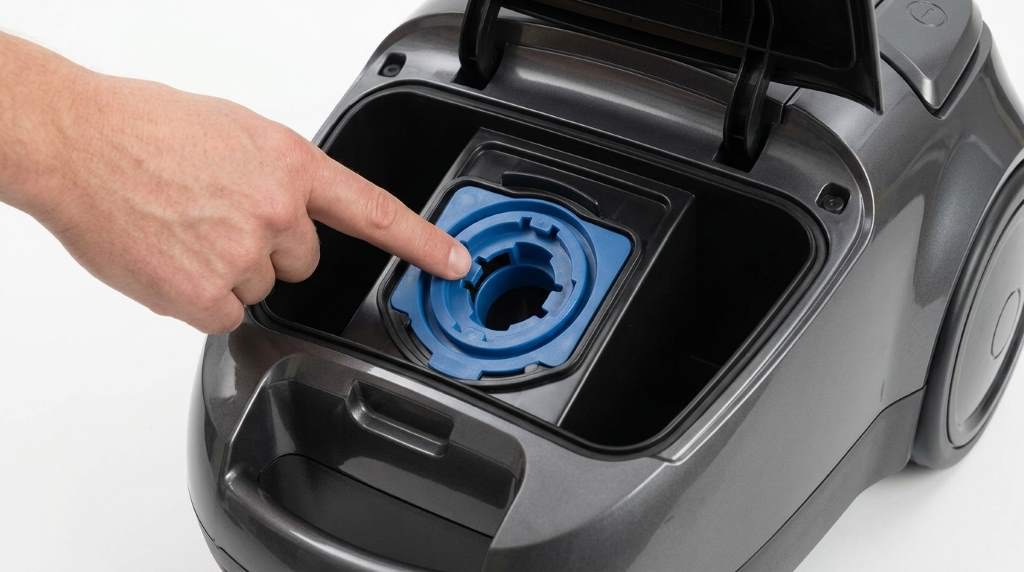
Choose Miele GN vacuum bags by matching the bag type to your Miele vacuum model first. Then check filtration, bag construction, pack size, and genuine compatibility before buying. A properly fitted Miele GN Vacuum Bags set can help maintain airflow and protect your vacuum. Miele introduced the GN HyClean dustbag format for several canister vacuum families, while modern variants add improved filtration features. Therefore, the right bag depends more on your vacuum’s specifications than appearance. This guide explains the key checks, common mistakes, and practical buying decisions for cleaner, safer vacuuming.
Key Takeaways
- Confirm your exact Miele vacuum model before ordering bags.
- Check whether the machine accepts the GN bag format.
- Compare filtration levels when allergies or fine dust matter.
- Prefer bags with a secure collar and automatic sealing feature.
- Check package quantity based on your cleaning frequency.
- Replace bags before heavy filling restricts airflow.
Start With Your Miele Vacuum Model
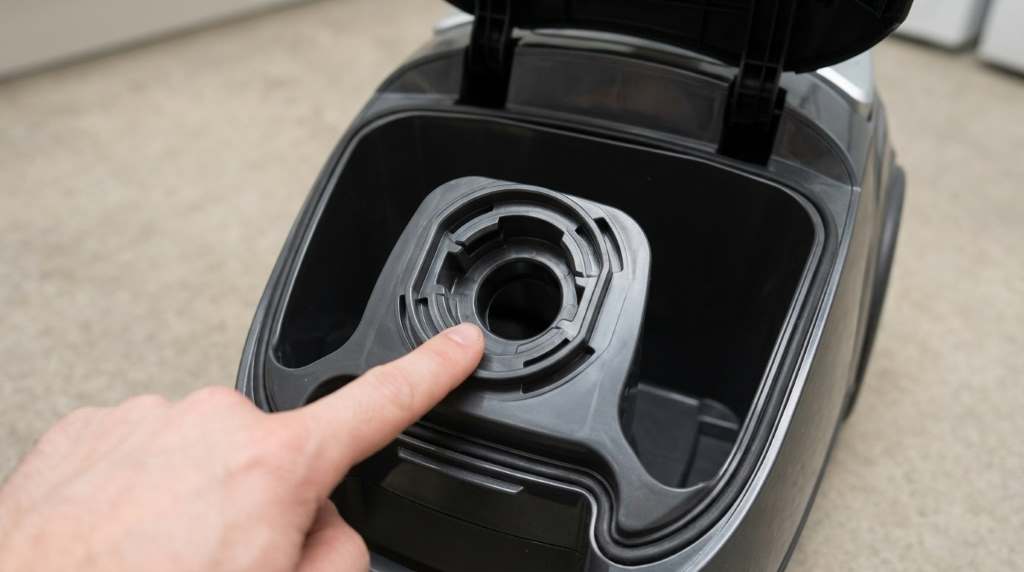
The model number provides the most reliable starting point for selecting a compatible dustbag. You can usually find this information on the vacuum’s rating plate or documentation. Moreover, several Miele canister vacuums use the GN format, but not every Miele vacuum accepts it. Therefore, never assume compatibility because two machines look similar.
Write down the complete model designation before searching for replacement bags. Then compare that information against the bag packaging or manufacturer’s compatibility information. This simple step prevents most purchasing mistakes.
Why Model Matching Matters
Vacuum bags must connect securely with the machine’s intake port. A poor fit can reduce suction and allow dust to escape around the connection. Consequently, a visually similar bag may still perform poorly in the wrong vacuum.
Furthermore, Miele has produced many vacuum models across different product families. Their bags can share similar shapes while using different mounting systems. Always verify the approved bag type instead of relying on photographs alone.
Understand the GN Bag Format
GN refers to a specific Miele dustbag format used across numerous cylinder vacuum models. The format generally features a rectangular dustbag with a rigid collar for machine attachment. However, compatibility still depends on the vacuum model and its design.
When shopping, look specifically for compatibility with the GN format. Next, verify whether your vacuum belongs to a compatible Miele product family. This two step check gives you much greater confidence than searching by bag appearance.
GN Versus Other Miele Bag Types
Miele uses different dustbag formats for different vacuum designs. For example, some compact machines use smaller bag formats rather than GN bags. Therefore, knowing the letters printed on your existing bag can help narrow the search.
Still, the existing bag should not serve as your only source of information. Check your vacuum model because previous owners sometimes install incorrect replacement bags. A model based check gives you a more dependable answer.
Check Filtration Before Buying
Filtration becomes especially important when your household regularly encounters fine dust, pollen, or pet debris. A quality dustbag can capture particles while maintaining suitable airflow through the vacuum. However, the bag’s filtration performance depends on its material and construction.
Miele offers dustbags with multilayer construction designed to capture household debris efficiently. Some versions also incorporate additional filtration technology for finer particles. Therefore, compare the filtration description when indoor air quality matters to you.
Choose Based on Household Needs
Homes with pets often collect hair, dander, and fine debris during routine cleaning. Consequently, a well constructed bag can make regular maintenance easier. Allergy sensitive households may also benefit from selecting a higher filtration option when compatible.
For ordinary household dust, you may not need the most specialized filtration available. Instead, focus on genuine compatibility and reliable construction. This approach avoids paying for features that provide little practical benefit.
Inspect the Bag Construction
A good vacuum bag should feel sturdy without becoming excessively rigid. Strong seams help the bag contain collected debris during removal and disposal. Likewise, a well formed collar should attach firmly to the vacuum intake.
Look for multilayer material and a properly finished connection point. Additionally, inspect the cardboard or synthetic collar for clean edges and accurate shaping. These details can reveal whether a bag meets the expected manufacturing standard.
Look for Automatic Closure Features
Some Miele dustbags include a self closing mechanism that helps seal the opening during removal. This feature can reduce direct contact with collected dust. Therefore, it offers a practical advantage for households that clean frequently.
However, the closure mechanism must engage correctly inside the vacuum. If the bag does not seat properly, the feature cannot provide its intended benefit. Always install the bag according to the vacuum’s instructions.
Decide Between Genuine and Compatible Bags
Genuine Miele bags provide a straightforward route to confirmed compatibility and expected construction. Compatible alternatives can cost less, but their quality varies considerably. Therefore, evaluate construction, fit, filtration, and seller reliability before considering an alternative.
Cheap bags can become expensive when poor fit reduces cleaning performance or creates dust leakage. Conversely, a reputable compatible product may satisfy basic cleaning needs. The important point involves verified specifications rather than price alone.
What to Check With Compatible Bags
- Confirm the bag explicitly supports your Miele model.
- Check the attachment collar dimensions and design.
- Review the stated filtration material and construction.
- Look for a secure closure mechanism when available.
- Check customer feedback for fit and leakage complaints.
Also, avoid listings that provide vague compatibility claims without specific model information. A clear compatibility list shows greater attention to product accuracy. When details remain unclear, verify the bag type before placing an order.
Consider Bag Capacity and Pack Size
Bag capacity affects how often you need to stop cleaning and replace the bag. Larger households may fill bags faster because they generate more dust and debris. Similarly, homes with pets can require more frequent replacements.
Buying multipacks can make sense when you already know the bags fit your vacuum. However, purchase a smaller pack when testing a new product or unfamiliar supplier. This approach limits waste if the bags fail your expectations.
Use Your Cleaning Routine as a Guide
Track how quickly your current bag fills during normal cleaning. Then use that pattern to estimate how many bags your household needs annually. Consequently, you can select a pack size based on actual consumption rather than guesswork.
Remember that visible fullness does not always indicate ideal replacement timing. Fine dust can restrict airflow before the bag looks completely full. Replace the bag when performance drops or the vacuum indicates replacement.
Compare Bag Features Before Purchase
| Feature | Why It Matters | What to Check |
|---|---|---|
| Compatibility | Ensures proper installation | Exact vacuum model and GN format |
| Filtration | Helps capture fine household dust | Bag material and filtration claims |
| Collar | Creates the intake connection | Correct shape and secure fit |
| Closure | Helps contain dust during removal | Automatic sealing mechanism |
| Pack size | Determines replacement frequency | Number of bags per package |
| Construction | Supports reliable dust containment | Seams, layers, and material quality |
Use this checklist before comparing individual products. It keeps the buying decision focused on performance instead of packaging claims. More importantly, it reduces the chance of buying bags that fit poorly.
Watch for Common Buying Mistakes
Many shoppers search only for the cheapest bag that carries the GN label. That shortcut can overlook filtration quality, construction, and exact model compatibility. Instead, verify each important specification before ordering.
Another common mistake involves buying bags based on an old package without checking the vacuum itself. Previous replacements may not match the machine correctly. Therefore, treat the vacuum model as your primary reference point.
Avoid These Errors
- Do not assume every Miele canister vacuum uses GN bags.
- Do not rely solely on product photographs.
- Do not ignore filtration requirements in sensitive households.
- Do not buy large multipacks before confirming compatibility.
- Do not continue using a bag after airflow noticeably decreases.
Install the Bag Correctly
Even the correct bag can perform poorly when installed incorrectly. Open the vacuum compartment and remove the full bag according to the machine’s instructions. Then position the replacement collar directly over the intake connection.
Press the collar into place without forcing it at an angle. Next, check that the bag sits naturally inside the compartment without folding against the housing. Finally, close the compartment securely before operating the vacuum.
Check Performance After Installation
Run the vacuum briefly after installing a new bag and listen for unusual airflow changes. Strong, consistent suction generally indicates proper seating and normal airflow. If performance suddenly drops, switch off the machine and inspect the installation.
Also, check around the bag connection for visible dust or an unusual smell. These signs can indicate an incorrect fit or another maintenance issue. Address the problem before continuing regular cleaning.
How to Keep Miele Bags Working Properly
Regular maintenance helps your vacuum maintain useful airflow between bag replacements. Emptying or replacing the bag at the recommended point prevents excessive restriction. Furthermore, keeping filters clean supports the entire filtration system.
Never force additional debris into an already full bag. Doing so can compress the contents and reduce available airflow. Instead, replace the bag and inspect the filters during routine maintenance.
Build a Simple Replacement Routine
- Monitor suction during normal cleaning.
- Check the bag indicator when your model provides one.
- Replace the bag when it reaches the recommended fill level.
- Inspect filters during regular vacuum maintenance.
- Keep replacement bags stored in a clean, dry location.
This routine keeps replacement decisions simple and predictable. Over time, your cleaning habits will show how frequently your household needs new bags. Use that pattern when planning future purchases.
When Should You Buy Miele GN Vacuum Bags?
The best time to buy replacement bags depends on your household’s cleaning frequency and storage space. Frequent cleaners can keep a spare pack available to avoid interruptions. Occasional users may prefer smaller quantities to prevent unnecessary long term storage.
Before ordering, confirm the model, GN compatibility, filtration, construction, and pack quantity. Then compare those factors across reputable sellers. This process gives you a practical basis for selecting the right replacement.
Frequently Asked Questions
Are all Miele vacuum bags GN?
No, Miele uses several bag formats, so you must verify your vacuum model before buying.
How do I know if GN bags fit my vacuum?
Check your vacuum’s complete model designation against the manufacturer’s approved bag compatibility information.
Are Miele GN bags reusable?
No, standard disposable GN dustbags should be replaced rather than emptied and reused.
How often should I replace a GN vacuum bag?
Replace it when the bag reaches its recommended fill level or airflow noticeably decreases.
Do higher filtration bags improve cleaning?
Higher filtration can help capture finer particles when the selected bag remains fully compatible with your vacuum.
Final Buying Checklist
Choosing the right Miele GN bag starts with the vacuum model, not the product listing. From there, compare filtration, construction, collar design, closure features, and pack quantity.
Before completing your purchase, verify every specification and avoid relying on appearance alone. Use the same checklist for future replacements, and your buying process will become faster and more reliable.
Start by checking your Miele vacuum model today, then select a compatible GN bag that matches your household’s filtration and cleaning needs.