How to Bypass GE RPWFE Replacement Water Filter RFID Chip

Why Is My Gas One Propane Fryer Thermometer Inaccurate?
August 12, 2026
Best Nextmug Self-Heating Mug in New Jersey (NJ): Can the Long-Lasting Battery Keep Coffee Warm During Work or Study?
August 13, 2026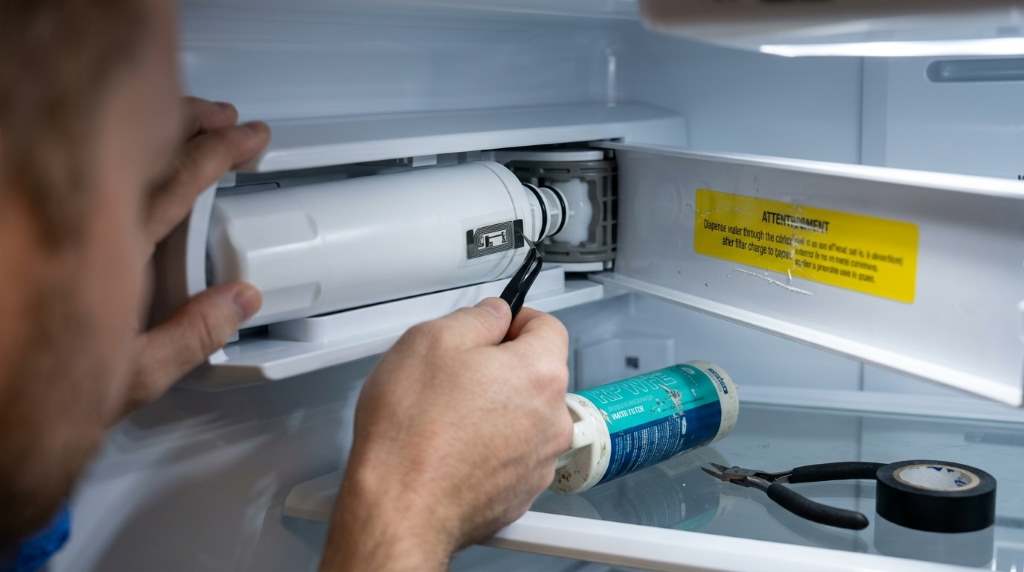
You generally cannot manually bypass the GE RPWFE RFID system through the refrigerator controls. The safest workaround uses the GE bypass plug, while a genuine RFID equipped filter provides the normal filtration option.
The RPWFE system uses RFID to identify the installed filter and detect certain filter related conditions. GE also states that many compatible models cannot manually reset the filter reminder. A power disconnect for 1 minute can help with some persistent appliance errors.
If you need a GE RPWFE replacement water filter, verify the exact cartridge before installing anything. The right approach can prevent unnecessary troubleshooting, water leaks, and dispenser shutdowns.
What the GE RPWFE RFID Chip Actually Does
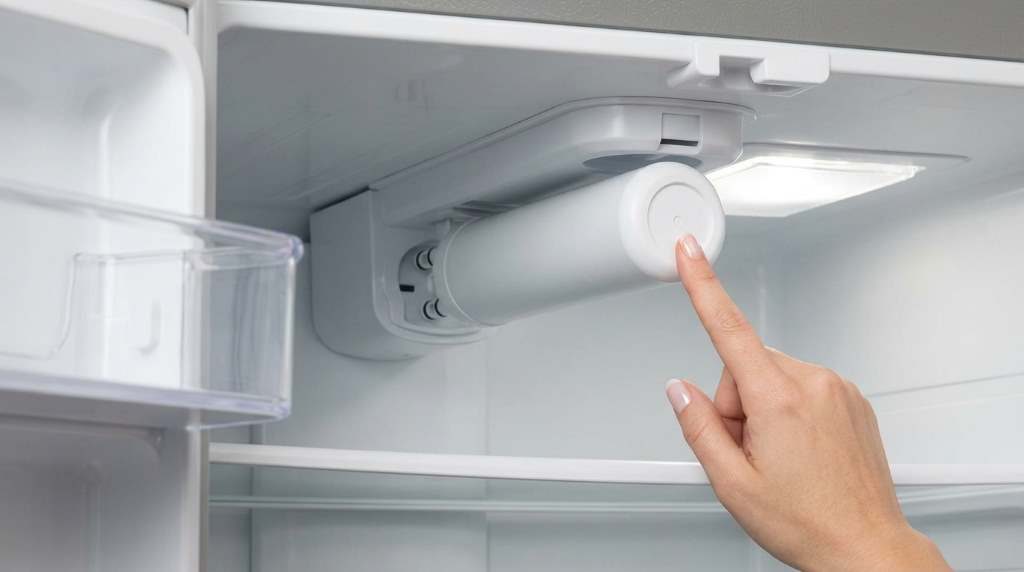
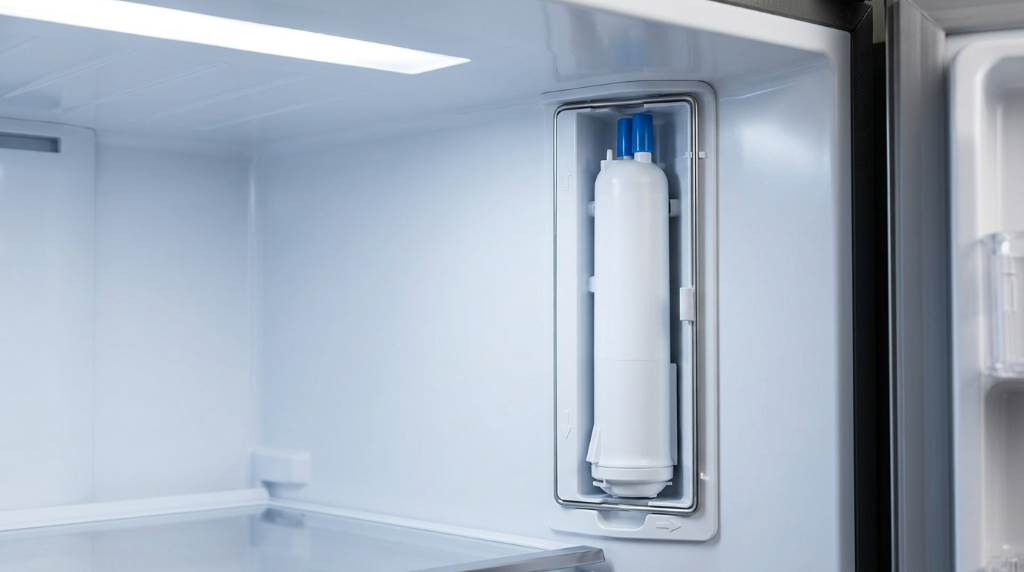
The RFID chip acts as an electronic identification tag for the RPWFE filter. Your refrigerator reads that tag to determine whether the installed cartridge matches its expected filter system.
Consequently, a physically compatible cartridge may still fail electronically. The refrigerator can display messages such as Replace Water Filter or Leak Detected when recognition fails.
GE explains that genuine RPWFE filters contain an ID chip beneath the rear label. You can usually identify its location by the raised square outline under the label.
Therefore, the RFID chip does more than track a simple replacement date. It forms part of the refrigerator’s filter recognition and dispenser control process.
Can You Manually Bypass the RPWFE RFID Chip?
No, most RPWFE refrigerators do not provide a normal control setting that disables RFID recognition. GE specifically states that many models cannot manually reset the filter indicator.
Instead, the refrigerator expects either a recognized RFID filter or an approved bypass plug. That design makes ordinary button based reset methods ineffective on many models.
However, some refrigerators use different control systems or configurations. Always check your refrigerator model and owner documentation before assuming the same reset procedure applies.
The Safest Way to Bypass the Filter Requirement
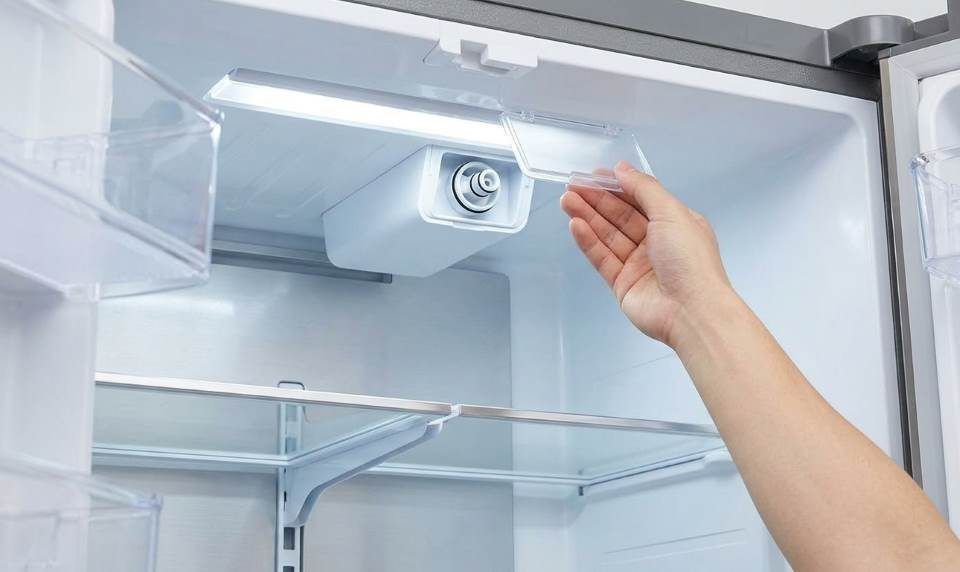
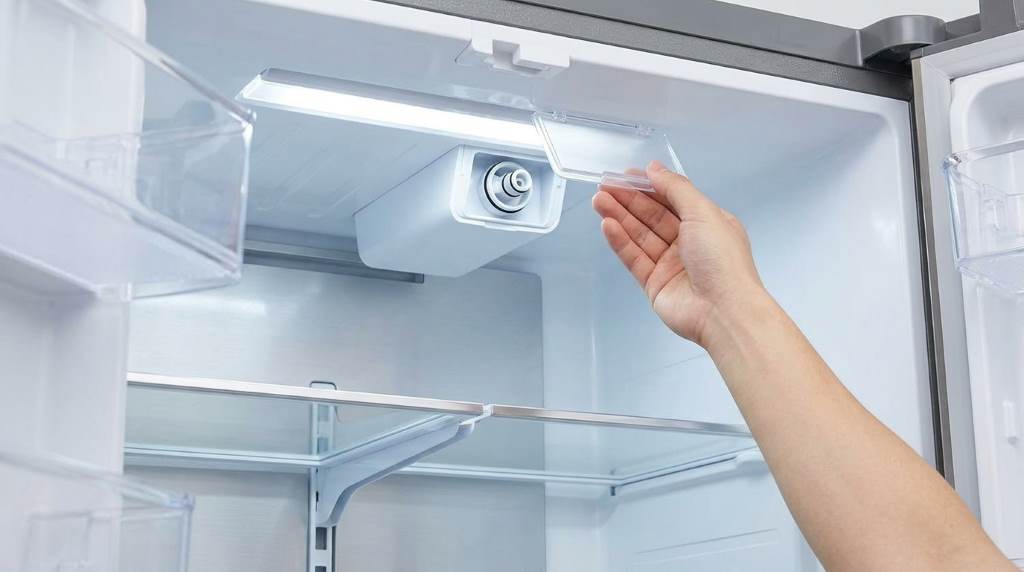
The simplest supported solution involves installing the refrigerator’s compatible bypass plug. GE states that either an RPWFE filter or bypass plug must occupy the filter position.
The bypass plug lets the refrigerator recognize the required component without using a filtering cartridge. Therefore, it can solve the RFID related dispenser lockout without modifying electronics.
Use the Original Bypass Plug
First, locate the bypass plug that came with your refrigerator. Some owners discard or misplace this small component after installing their first filter.
Next, inspect the plug for damage and confirm that it matches your refrigerator’s filter housing. Install it according to the orientation shown by the manufacturer.
When installed correctly, the word FRONT should face outward. If BACK appears instead, remove the plug and reinstall it in the correct direction.
Request a Replacement Bypass Plug
If you lost the original plug, contact GE support about obtaining a replacement. GE states that replacement bypass plugs may be available at no charge.
This option makes more sense than modifying an RFID chip or opening the refrigerator’s filter electronics. It also keeps the refrigerator close to its intended operating configuration.
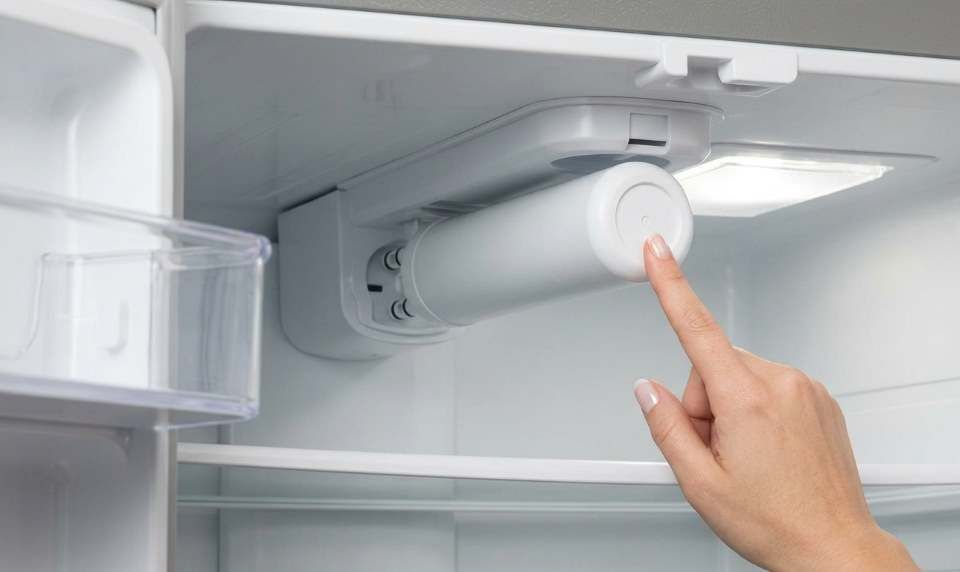
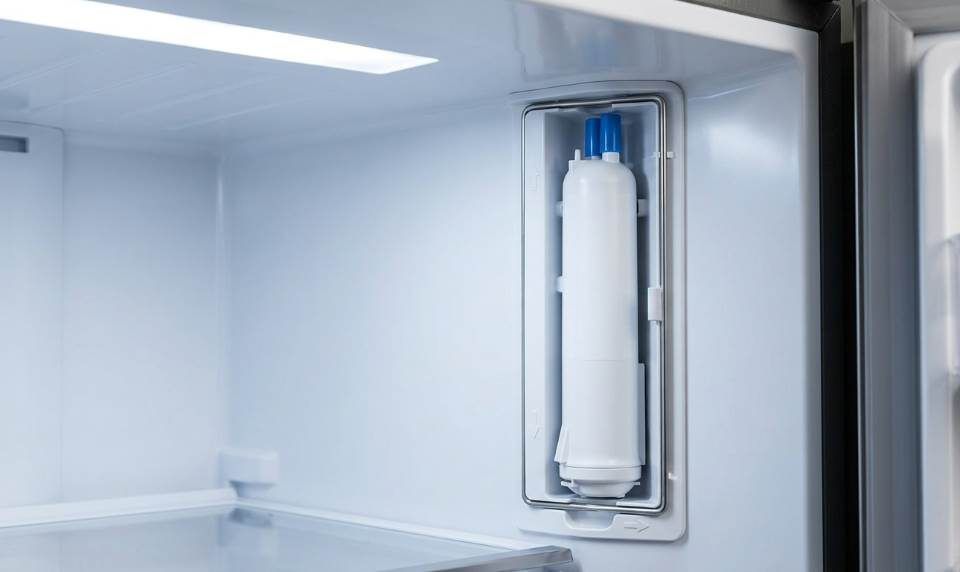
How to Install an RPWFE Filter Correctly
Before attempting any bypass, confirm that your existing filter installation does not cause the problem. Incorrect installation can produce symptoms that resemble RFID failure.
Use these basic checks before changing anything else:
- Confirm that the cartridge says RPWFE.
- Check that the filter contains the expected RFID identification area.
- Install the cartridge with FRONT facing outward.
- Seat the cartridge fully inside the filter housing.
- Check the filter area for visible water leakage.
- Confirm that the dispenser operates after installation.
After installation, check the refrigerator display for several minutes. A correctly recognized cartridge should normally clear the filter related warning automatically.
If the warning remains, remove and reinstall the cartridge carefully. A poor fit can prevent proper recognition even when the filter itself remains genuine.
Why Generic RPWF Filters May Not Work
The RPWF and RPWFE names look similar, but their electronic requirements differ on supported refrigerators. A generic or non RFID cartridge may fit physically while failing the refrigerator’s identification check.
That distinction creates confusion for owners searching for cheaper replacement cartridges. Physical compatibility does not automatically guarantee electronic compatibility.
GE specifically warns that an incorrect or non genuine filter can prevent dispenser operation. The refrigerator may also display a Leak Detected message after detecting an incompatible cartridge.
Therefore, compare the exact filter number rather than relying only on appearance. Also verify that the replacement includes the required RFID identification feature.
What About Moving the RFID Chip to Another Filter?
Some appliance owners discuss transferring an RFID chip from an old RPWFE filter to another compatible cartridge. This unofficial workaround may appear attractive because it can reduce replacement costs.
However, the process can damage the chip, filter housing, label, or RFID antenna. It can also leave the refrigerator displaying an expired or incorrect filter status.
More importantly, transferring identification hardware does not make the replacement cartridge equivalent to a properly certified filter. The filtration media still determines what substances the cartridge can reduce.
For those reasons, chip removal, cloning, or relocation should not serve as the first troubleshooting method. A bypass plug or genuine RFID filter offers a cleaner solution.
How to Fix a Persistent “Leak Detected” Message
A Leak Detected message does not automatically prove that the RFID chip has failed. The refrigerator can display this message because of installation problems, incompatible filters, or an actual leak.
Start by removing the filter and examining the filter compartment. Look for moisture, damaged seals, debris, or anything preventing the cartridge from seating correctly.
Then reinstall the correct cartridge with FRONT facing outward. If the message continues, test the refrigerator with the proper bypass plug if available.
If the bypass plug also produces an error, the problem may involve the refrigerator rather than the filter. At that point, continued experimentation can create more problems.
Try a One Minute Power Reset
GE recommends disconnecting refrigerator power for 1 minute when certain filter related troubleshooting steps fail. This process can clear some temporary appliance control errors.
First, disconnect the refrigerator from power using the appropriate safe method. Wait the full minute before restoring power.
After power returns, allow the refrigerator controls to restart completely. Then check the filter status and dispenser operation again.
This reset does not permanently disable RFID recognition. Instead, it can help recover the control system after an unusual error state.
When the RFID System May Actually Need Service
A genuine RPWFE filter should normally work when installed correctly and recognized by a functioning refrigerator. Repeated failures across multiple genuine filters suggest a deeper problem.
For example, the RFID reader, control board, wiring, or filter housing could have a fault. A persistent leak detection condition can also disable dispensing independently of filter replacement.
Before requesting service, record the exact refrigerator model number and filter number. Also note every message shown on the display.
That information gives the technician a clearer starting point. It can also prevent unnecessary replacement of filters when the refrigerator itself needs attention.
Common Mistakes That Cause RPWFE Problems
Several simple mistakes can make an RFID issue appear more complicated than it really is. Fortunately, most of these problems take only a few minutes to check.
- Installing an RPWF cartridge instead of an RPWFE cartridge.
- Using a counterfeit filter without the required RFID identification.
- Installing the filter backward inside the housing.
- Failing to seat the cartridge completely.
- Ignoring moisture around the filter compartment.
- Assuming every GE refrigerator uses the same reset procedure.
- Removing or damaging the RFID label during experimentation.
- Replacing filters repeatedly without checking the refrigerator itself.
Checking these points first can save time and prevent unnecessary purchases. It also helps separate a filter problem from an appliance problem.
RFID Bypass Options Compared
| Method | Reliability | Risk | Best Use |
|---|---|---|---|
| Genuine RPWFE filter | High | Low | Normal filtered operation |
| GE bypass plug | High | Low | Operating without the cartridge |
| Generic non RFID filter | Low | Moderate | Not recommended for RFID models |
| RFID chip transfer | Variable | High | Unofficial experimentation |
| RFID chip cloning | Uncertain | High | Not recommended |
The bypass plug stands out because it addresses the refrigerator’s recognition requirement without modifying the filter. A genuine RPWFE cartridge remains preferable when you want active filtration.
Does a Bypass Plug Filter the Water?
No, a bypass plug does not provide the same filtration function as an RPWFE cartridge. It allows the refrigerator to operate without the installed filter cartridge.
That distinction matters because bypassing filter recognition does not improve water quality. If your household depends on filtration for a specific contaminant, continue using an appropriate certified filter.
Water filters also require proper maintenance to remain effective. Federal health guidance recommends following the manufacturer’s replacement schedule and maintaining filters correctly.
How to Decide Which Solution Fits Your Situation
If your priority is filtered drinking water, use a genuine RFID equipped RPWFE cartridge. This option preserves the refrigerator’s intended filtration and recognition system.
If you do not want refrigerator filtration, use the compatible bypass plug instead. This approach avoids unnecessary filter purchases while preserving normal dispenser operation.
If a genuine filter repeatedly fails recognition, stop experimenting with replacement cartridges. Check installation, inspect for leaks, perform the one minute reset, and seek service if needed.
Finally, avoid judging a filter only by its lower purchase cost. The cartridge’s certification, compatibility, filtration claims, and maintenance requirements matter more than physical fit.
Final Takeaway
The practical answer to bypassing the GE RPWFE RFID chip is to use the compatible bypass plug. Do not rely on manual reset tricks because most supported models require RFID recognition.
For filtered water, install a genuine RPWFE cartridge and verify its RFID identification. If recognition still fails, troubleshoot installation and leaks before assuming the chip itself needs bypassing.
Choose the supported solution that matches your goal, then monitor water flow and dispenser performance. If the refrigerator continues showing errors, contact qualified appliance service rather than modifying internal electronics.
Frequently Asked Questions
Can I manually reset the RPWFE RFID chip?
No, most compatible refrigerators do not offer a manual reset for the RPWFE RFID system.
Can I use an RPWF filter instead of RPWFE?
No, an RPWF filter may fit physically but generally lacks the RFID identification required by RPWFE refrigerators.
What is the safest RFID bypass method?
The safest supported method is installing the compatible GE bypass plug instead of modifying an RFID chip.
Why does my refrigerator say Leak Detected after replacing the filter?
The message can result from incorrect installation, an incompatible filter, an actual leak, or another appliance fault.
Will a bypass plug filter my drinking water?
No, a bypass plug only allows refrigerator operation and does not provide the filtration supplied by an RPWFE cartridge.