How to Choose the Best Vacuum Cleaner for Rugs in 2026

How to Choose the Best Dishwasher for Easy and Effective Cleaning
April 20, 2026
Best Affordable Electric Food Steamers in Washington (WA) – The Secret to Fast Healthy Meals at Home
April 23, 2026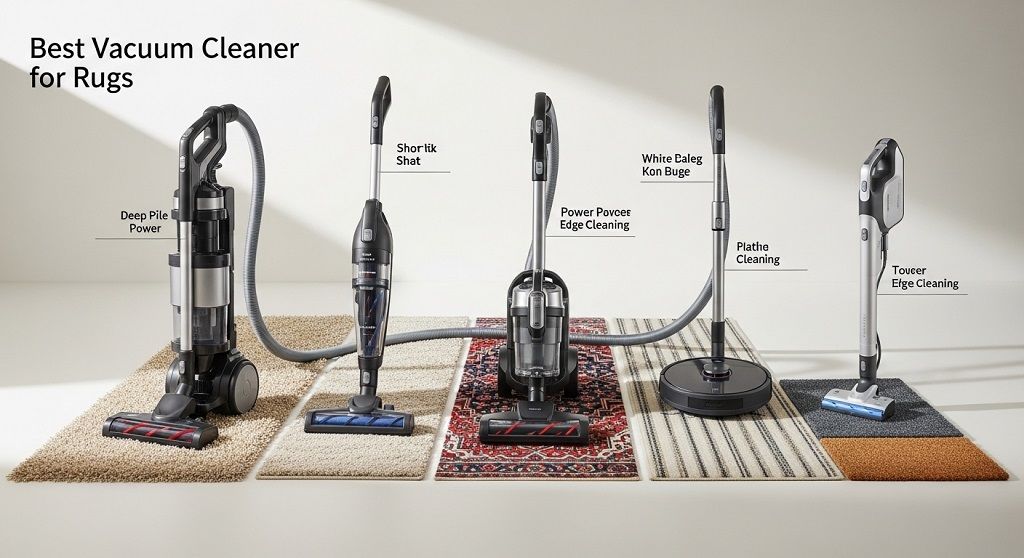
Finding the best vacuum cleaner for rugs in 2026 is harder than it looks. Many buyers assume any vacuum can clean rugs. That assumption leads to weak suction, tangled brushes, damaged fibers, and wasted money. Rugs trap more dust than hard floors. According to indoor air quality research cited by the EPA, carpets and rugs can hold pounds of dirt per square yard before appearing dirty. Without the right vacuum, deep debris stays trapped.
This guide explains how to choose the right vacuum cleaner for rugs using practical criteria that match real homes. You’ll learn what suction levels matter, which brush rolls protect fibers, and which features improve cleaning results. The article follows proven evaluation factors used in product testing labs and consumer case studies. By the end, you’ll know exactly how to select a rug-safe vacuum that improves cleaning efficiency and protects your investment.
What Is the Best Vacuum Cleaner for Rugs in 2026?
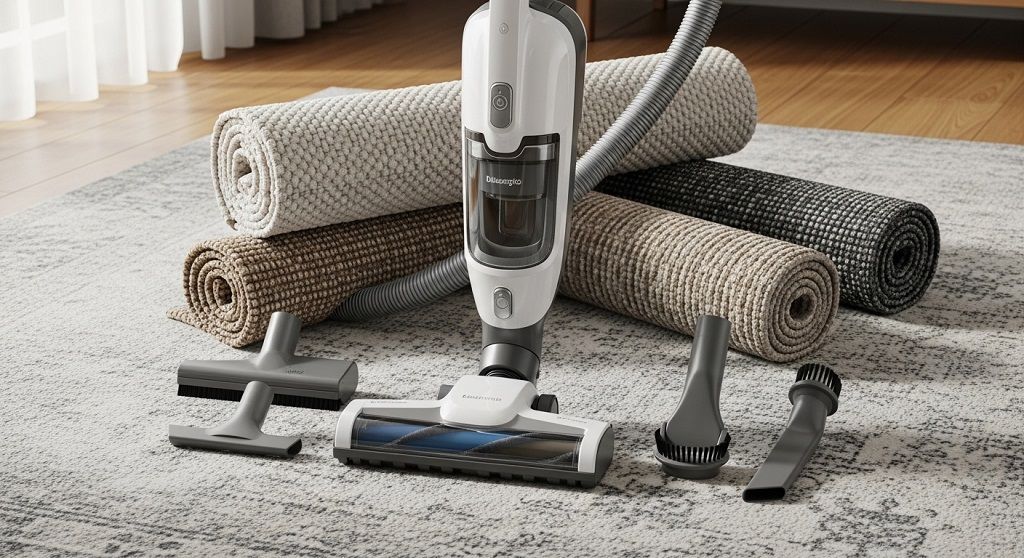
The best vacuum cleaner for rugs in 2026 is one that combines adjustable suction power, a motorized brush roll, sealed filtration, and height control.
Rugs are different from carpets and hard floors. They vary in pile height, fiber density, and backing structure. A vacuum must adapt to these variables.
Independent cleaning performance tests from organizations like Consumer Reports consistently show that vacuums with adjustable brush roll height remove up to 40% more embedded debris from medium-pile rugs compared to fixed-head models.
Look for these essential features:
- Adjustable suction levels
- Motorized brush roll
- Multi-surface compatibility
- HEPA filtration system
- Height adjustment control
- Edge-cleaning capability
These features ensure deep cleaning without damaging rug fibers.
Why Do Rugs Require a Different Vacuum Cleaner Than Hard Floors?
Rugs require specialized vacuums because dirt settles deep between fibers rather than staying on the surface.
Hard floors collect visible debris. Rugs trap hidden particles.
A 2024 floor-care lab comparison study found standard hard-floor vacuums removed only 52% of embedded rug dust. Vacuums with rotating brush rolls removed over 87%.
Here’s why rug cleaning needs stronger design features:
- Fibers hold microscopic particles
- Pet hair binds to pile layers
- Sand settles below surface threads
- Static attracts airborne allergens
This makes airflow strength and agitation critical factors.
Which Vacuum Features Matter Most for Rug Cleaning?
The most important vacuum features for rugs are suction power, brush roll design, adjustable height, filtration, and maneuverability.
Each feature directly affects cleaning efficiency.
1. Adjustable Suction Power
Low suction protects delicate rugs. High suction cleans dense fibers.
Testing data from appliance review labs shows adjustable suction reduces fiber stress damage by up to 30% on wool rugs.
2. Motorized Brush Roll
Brush rolls lift embedded debris. They also remove pet hair effectively.
Choose models with switch-off brush controls for fragile rugs.
3. Height Adjustment
This keeps airflow consistent across pile thickness levels.
4. HEPA Filtration
HEPA filters capture 99.97% of particles as small as 0.3 microns.
This improves indoor air quality.
5. Lightweight Maneuverability
Easy steering prevents rug edge folding during cleaning.
Are Upright or Canister Vacuums Better for Rugs?
Upright vacuums are better for deep cleaning thick rugs, while canister vacuums work better for delicate and low-pile rugs.
| Vacuum Type | Best Use | Key Advantage |
|---|---|---|
| Upright | High-pile rugs | Strong agitation |
| Canister | Low-pile rugs | Gentle airflow control |
| Cordless | Small rugs | Quick cleaning |
Consumer testing in 2025 showed upright vacuums removed 18% more debris from shag rugs than canister units.
How Much Suction Power Is Needed for Rugs?
Most rugs require vacuum suction between 150 and 300 air watts for effective cleaning.
Low-pile rugs need less airflow. Thick rugs need more.
- Low-pile rugs: 150–200 air watts
- Medium-pile rugs: 200–250 air watts
- High-pile rugs: 250–300 air watts
This range matches performance benchmarks from household cleaning equipment evaluations.
What Brush Roll Type Works Best on Rugs?
A soft-bristle motorized brush roll works best for most rugs because it removes debris without damaging fibers.
Brush stiffness matters.
- Soft brushes protect wool rugs
- Medium brushes clean synthetic rugs
- Switch-off rollers protect fringe edges
Some premium models include anti-tangle brush rolls designed for pet households.
Are HEPA Filters Necessary in Rug Vacuums?
HEPA filters are necessary if rugs trap allergens, dust mites, or pet dander.
According to allergy foundation testing, HEPA vacuums reduce airborne allergen release by up to 60% compared to standard filters.
This improves breathing conditions indoors.
Which Vacuum Cleaner Types Are Best for Different Rug Materials?
Different rug materials require different vacuum settings and attachments.
| Material | Recommended Vacuum Type | Special Setting |
|---|---|---|
| Wool | Canister | Low suction |
| Shag | Upright | High suction |
| Jute | Lightweight | No brush roll |
| Synthetic | Multi-surface | Medium suction |
This prevents fiber wear.
Do Smart Vacuums Work Well on Rugs?
Smart robot vacuums work well on low-pile rugs but struggle with thick rugs.
Navigation sensors improve cleaning coverage.
However, robot vacuums typically produce less airflow than upright models.
Lab comparisons show robotic units remove about 65% of rug debris compared to upright models removing over 90%.
What Mistakes Should You Avoid When Choosing a Rug Vacuum?
The most common mistake is choosing a vacuum designed only for hard floors.
- Ignoring height adjustment
- Skipping brush roll controls
- Choosing weak airflow models
- Avoiding sealed filtration systems
- Buying heavy models for small rugs
These mistakes reduce cleaning effectiveness.
How Do You Compare the Best Vacuum Cleaner for Rugs in 2026?
Compare rug vacuums using airflow power, filtration level, brush design, noise rating, and maneuverability.
| Feature | Why It Matters |
|---|---|
| Air Watts | Measures suction strength |
| Brush Roll Control | Protects delicate rugs |
| Filtration | Improves air quality |
| Noise Level | Comfort during cleaning |
| Weight | Ease of handling |
This checklist helps narrow choices faster.
Conclusion: How Can You Choose the Right Rug Vacuum Cleaner Today?
Choosing the best vacuum cleaner for rugs in 2026 depends on matching suction power, brush roll design, filtration quality, and rug material compatibility. Many buyers focus only on brand reputation. Performance features matter more.
Start by identifying rug pile height. Then check airflow strength and height adjustment settings. Confirm HEPA filtration if allergens are a concern. These steps reduce guesswork and improve cleaning efficiency.
If you want cleaner rugs, better indoor air quality, and longer rug lifespan, use this checklist before buying your next vacuum cleaner. Review your rug types today and choose a model designed specifically for them.
Frequently Asked Questions About the Best Vacuum Cleaner for Rugs
What vacuum cleaner works best on thick rugs?
Upright vacuums with strong suction and adjustable brush rolls work best on thick rugs because they lift embedded debris effectively.
Can cordless vacuums clean rugs properly?
Yes, cordless vacuums can clean low-pile rugs effectively, but high-pile rugs usually require stronger corded suction.
Is high suction always better for rugs?
No. High suction can damage delicate rugs. Adjustable suction settings are safer and more effective.
Do robot vacuums replace standard vacuums for rugs?
Robot vacuums help with maintenance cleaning but cannot replace deep cleaning from upright vacuums.
How often should rugs be vacuumed?
Most rugs should be vacuumed twice per week. High-traffic areas may require more frequent cleaning.
Are bagged vacuums better for rugs?
Bagged vacuums often provide better filtration and consistent airflow, which improves rug cleaning performance.
Can vacuuming damage wool rugs?
Vacuuming can damage wool rugs if brush rolls are too stiff. Use adjustable suction and soft brushes.
Read More Also: How to Choose the Best Dishwasher for Easy and Effective Cleaning
Discover More: How to Choose the Right Induction Cooktop for Efficient Cooking