Water Heater Troubleshooting: Spot Problems Before They Get Worse

Gable Roof Types for Mixed Roof Homes
December 24, 2025
Narcissus 3.5-Cup vs Peach Heart Shape 8-Cup Rice Cooker Review: Which One Should You Buy in 2026?
January 10, 2026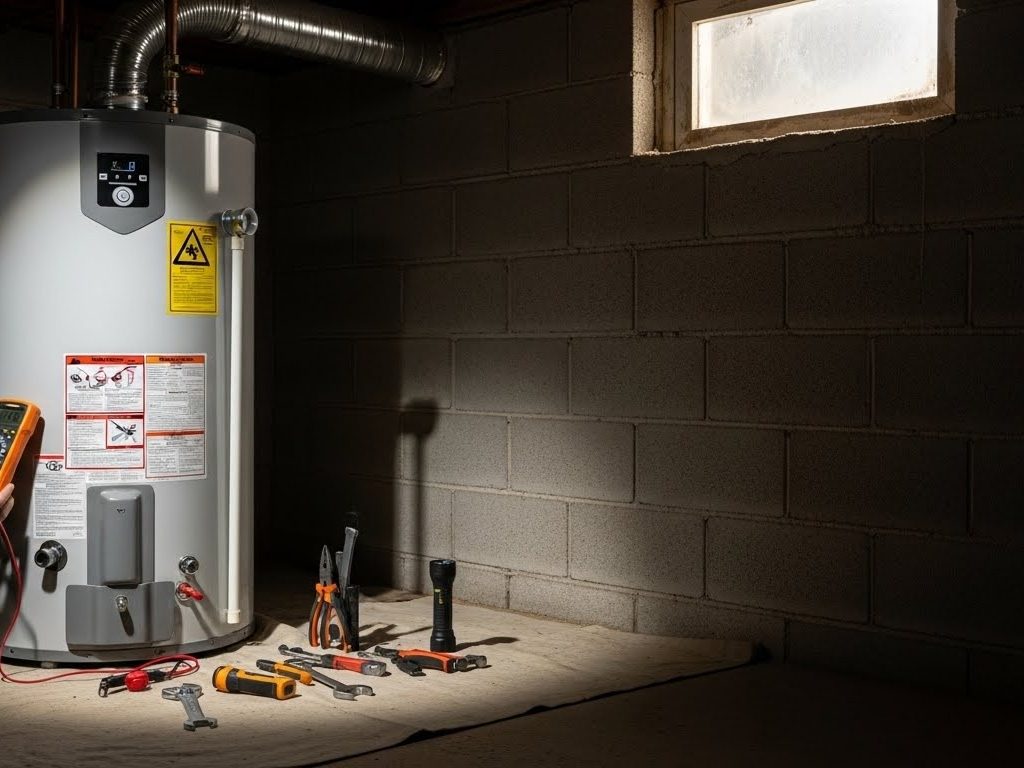
Water heater troubleshooting is the process of identifying early warning signs, performance issues, and mechanical faults in your water heater before they escalate into expensive breakdowns or complete system failure. For homeowners, this skill can mean the difference between a quick fix and a flooded utility room.
Your water heater works silently every day—until it doesn’t. Lukewarm showers, strange noises, rusty water, or sudden spikes in energy bills are often dismissed as minor inconveniences. In reality, these are early indicators that something is wrong internally. Ignoring them can shorten the lifespan of your unit, increase utility costs, and even pose safety risks.
This guide is designed to help homeowners spot problems early using proven water heater diagnosis methods. You’ll learn how to recognize symptoms, understand what causes them, and apply practical heater repair tips to prevent small issues from turning into emergencies.
Each section begins with a direct, snippet-ready answer for fast clarity, followed by a deeper explanation to help you make informed decisions. Whether you own a gas, electric, or tankless system, this guide will help you troubleshoot with confidence.
Why Is My Water Heater Not Producing Hot Water?
Short answer: A failed heating element, gas supply issue, or thermostat malfunction is usually the cause.
No hot water is one of the most common reasons homeowners start water heater troubleshooting. The underlying cause depends on whether your system is electric or gas-powered.
- Electric heaters: A burned-out heating element or tripped circuit breaker is often to blame.
- Gas heaters: The pilot light may be out, or the gas control valve could be faulty.
Start your water heater diagnosis by checking the power or gas supply. Reset breakers, relight the pilot if safe, and inspect thermostat settings. If these steps don’t restore hot water, professional repair may be required.
What Does It Mean When Hot Water Runs Out Too Fast?

Short answer: Sediment buildup or an undersized tank is usually responsible.
If your hot water disappears quickly, your heater may not be heating efficiently. Over time, minerals settle at the bottom of the tank, reducing capacity and heat transfer.
Heater repair tips for this issue include flushing the tank annually and verifying that your unit size matches household demand. Tankless systems may require descaling instead.
Why Is My Water Heater Making Popping or Rumbling Noises?
Short answer: Noise typically indicates hardened sediment inside the tank.
Rumbling, banging, or popping sounds are clear signs during water heater troubleshooting. As sediment traps water beneath it, steam bubbles form and collapse, creating noise.
Ignoring this problem can overheat the tank bottom, damaging internal components. Flushing the tank is often an effective solution, but persistent noise may indicate advanced wear.
Is Rusty or Discolored Water a Water Heater Problem?
Short answer: Yes, rusty water often points to internal corrosion.
Discolored water during hot water use usually signals corrosion inside the tank or a failing anode rod. This is a critical water heater diagnosis sign.
If left untreated, corrosion can cause leaks or complete tank failure. Replacing the anode rod early is one of the most cost-effective heater repair tips available.
Why Does My Water Smell Like Rotten Eggs?
Short answer: Bacteria reacting with the anode rod causes sulfur odors.
This unpleasant smell is common in water heaters using well water. While not dangerous, it indicates bacterial growth inside the tank.
Flushing the system and replacing the anode rod often resolves the issue. In persistent cases, installing a powered anode rod can help.
What Causes Water Heater Leaks?
Short answer: Leaks are usually caused by corrosion, loose fittings, or pressure buildup.
Leaks should never be ignored during water heater troubleshooting. Small drips can quickly turn into major water damage.
| Leak Source | Likely Cause | Action |
|---|---|---|
| Top connections | Loose fittings | Tighten or replace |
| Pressure relief valve | Excess pressure | Test or replace valve |
| Tank body | Internal corrosion | Replace unit |
Why Is My Water Too Hot or Not Hot Enough?
Short answer: Incorrect thermostat settings or faulty sensors are common causes.
Temperature inconsistency is a classic water heater troubleshooting scenario. Thermostats may drift over time or fail completely.
Check settings first. If adjustments don’t help, thermostat replacement may be necessary to restore safe, consistent temperatures.
Can High Energy Bills Be Linked to Water Heater Problems?
Short answer: Yes, inefficiency caused by wear or sediment increases energy use.
If your utility bills spike unexpectedly, your water heater may be working harder than necessary. This often results from poor insulation, aging components, or sediment buildup.
Heater repair tips include insulating hot water pipes, flushing the tank, and upgrading to energy-efficient models when repairs no longer make sense.
When Should I Stop Troubleshooting and Call a Professional?
Short answer: When leaks, electrical issues, or gas problems are involved.
While basic water heater diagnosis is homeowner-friendly, certain issues require professional expertise. Gas leaks, electrical failures, and tank corrosion are not DIY-safe.
Calling a professional early can prevent accidents and reduce long-term costs.
Conclusion: Take Control of Water Heater Problems Before They Escalate
Effective water heater troubleshooting starts with awareness. Strange noises, inconsistent temperatures, discolored water, and rising energy bills are not random annoyances—they are signals your system needs attention.
By learning basic water heater diagnosis techniques and applying proven heater repair tips, homeowners can extend equipment lifespan, improve efficiency, and avoid emergency breakdowns. Regular maintenance, timely flushing, and early part replacement are far less expensive than full system replacement.
However, knowing your limits is just as important. When safety risks or major component failures appear, professional service is the smartest move.
Call to Action: If you’ve noticed any of these warning signs, don’t wait for a cold shower or costly leak. Schedule a professional inspection today or bookmark this guide as your go-to water heater troubleshooting resource.
Frequently Asked Questions About Water Heater Troubleshooting
How often should I flush my water heater?
Answer: Most experts recommend flushing your water heater once a year to remove sediment and maintain efficiency.
Is water heater troubleshooting different for tankless systems?
Answer: Yes. Tankless systems require descaling instead of flushing and rely more on sensors and electronics.
Can I replace a heating element myself?
Answer: Experienced DIYers can, but power must be shut off completely. When in doubt, hire a professional.
What is the average lifespan of a water heater?
Answer: Traditional tank heaters last 8–12 years. Tankless systems can last 15–20 years with proper maintenance.
Why does my pressure relief valve keep leaking?
Answer: This often indicates excessive pressure or a failing valve that needs replacement.
Is noisy operation dangerous?
Answer: Noise itself isn’t dangerous, but it signals sediment buildup that can damage the tank over time.
Related Topics: Gable Roof Types for Mixed Roof Homes
Related Topics: How to use juice extractor?