How Electric Pasta Makers Work and Which Ones Are Worth Buying
How zinc coating provides corrosion resistance
January 28, 2026
9 Best Contact Grills for Perfect Grilled Meals
February 14, 2026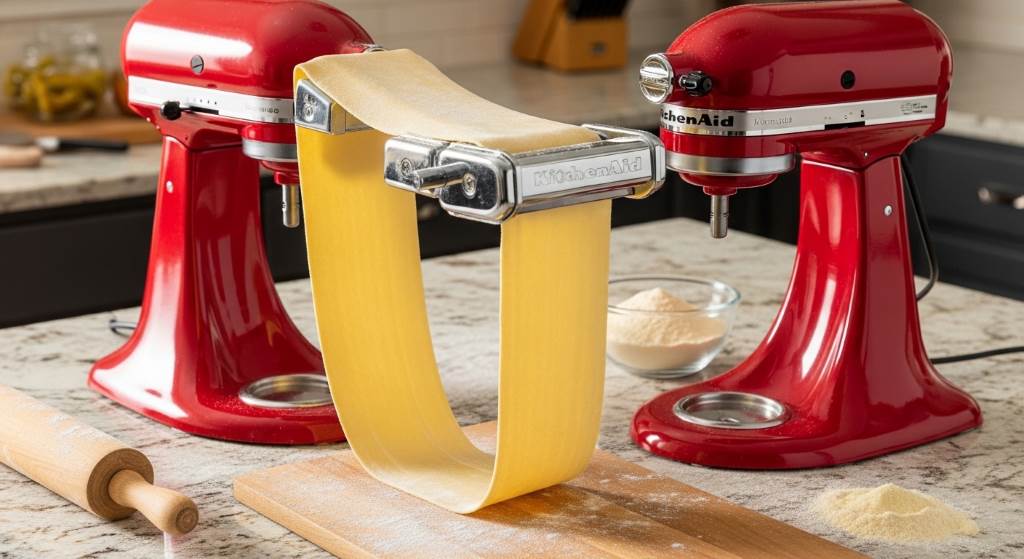
Fresh pasta tastes amazing. It delivers a texture and flavor that store-bought versions rarely match. Many home cooks now bring restaurant-quality pasta into their kitchens with electric pasta makers.
These machines simplify the process. They handle everything from mixing dough to shaping noodles. In fact, North Americans consume an average of 8.4 kg of pasta per person annually, according to recent market data. Meanwhile, the U.S. pasta market reaches billions in revenue each year.
People crave fresher options. If convenience draws you in, an automatic pasta maker changes the game completely. This guide explains how these machines operate and highlights models that truly deliver value.
What Is an Electric Pasta Maker?
Electric pasta makers transform simple ingredients into fresh pasta quickly. They use motors to power the work. This eliminates much of the manual effort required in traditional methods.
Two main types exist. Roller machines flatten and cut dough into sheets or strips. Extruder machines mix, knead, and push dough through shaped dies.
Both types save time. However, they produce slightly different results. Rollers excel at flat pastas like fettuccine or lasagna sheets. Extruders shine with tubular shapes like penne or rigatoni.
Home cooks love them for consistency. The motor ensures even pressure. This leads to uniform thickness and better cooking results.

Types of Electric Pasta Makers: Rollers vs. Extruders
Electric pasta makers fall into clear categories. Each type suits different needs.
Roller-Style Electric Pasta Makers
These machines feature motorized rollers. You prepare dough separately. Then feed it through the rollers.
The motor turns heavy rollers smoothly. You adjust settings to thin the dough gradually. Many include cutters for spaghetti or tagliatelle.
KitchenAid stand mixer attachments dominate this category. They attach directly to the mixer. The mixer’s power drives the rollers.
Marcato offers motorized versions too. These standalone units clamp to countertops.
Rollers give you control. You feel the dough’s texture. Many experts prefer them for egg-based pastas.
Extruder-Style Electric Pasta Makers
Extruders handle the full process. You add flour and liquids. The machine mixes, kneads, and extrudes.
A powerful auger pushes dough through dies. Different dies create various shapes.
Philips models lead this category. They feature built-in scales in newer versions. The machine weighs ingredients automatically.
Extruders work fast. They produce pasta in under 15 minutes. Cleanup stays contained since everything happens inside.
However, the dough experiences more pressure. This creates a denser texture. Many users enjoy it for certain sauces.
Moreover, extruders handle gluten-free or vegetable flours well. The strong motor manages tougher mixtures.
How Electric Pasta Makers Work: Step-by-Step Breakdown
Understanding the mechanics helps you choose wisely. The process differs by type.
Inside a Roller Machine
You start with rested dough. The motor powers smooth steel rollers.
You set the widest gap first. Feed the dough through. It flattens into a thick sheet.
Then, reduce the gap. Pass the sheet again. Repeat until you reach desired thinness.
Finally, switch to cutters. The motor pulls the sheet through blades. Noodles emerge evenly.
The machine maintains steady speed. This prevents tearing. You achieve professional results easily.
Inside an Extruder Machine
Extruders automate more steps. You pour flour into the chamber.
Add liquids through a separate opening. The machine starts mixing with a paddle.
It kneads for several minutes. Sensors detect consistency.
Next, the auger activates. It forces dough forward under pressure.
Dough exits through a shaped die. A built-in cutter trims to length.
The entire cycle runs hands-free. You watch fresh pasta form before your eyes.
Additionally, advanced models adjust timing. They optimize based on flour type or humidity.
Benefits of Using an Electric Pasta Maker
Fresh pasta elevates meals. Electric machines make it accessible.
You control ingredients fully. Use organic flour or add spinach puree. Experiment freely.
Homemade pasta cooks faster. It absorbs sauces better. Textures range from silky to al dente.
Families enjoy the process together. Kids love watching extrusion. It becomes a fun activity.
Moreover, you reduce packaging waste. No more plastic-wrapped boxes.
Health benefits appear too. Skip preservatives. Adjust recipes for dietary needs.
Finally, consistency improves over time. Machines deliver reliable results every batch.
Key Factors to Consider When Buying
Several features matter most. Think about your cooking style.
Versatility in Shapes
Look for multiple dies or attachments. Some offer over 15 shapes.
Rollers handle sheets best. Extruders manage hollow forms.
Ease of Cleaning
Removable parts simplify washing. Dishwasher-safe components save time.
Extruders contain mess inside. Rollers require wiping rollers carefully.
Build Quality and Durability
Stainless steel lasts longer. Heavy bases prevent tipping.
Read user reviews for longevity. Strong motors handle frequent use.
Capacity and Speed
Family-size machines produce 1-2 pounds quickly. Smaller units suit couples.
Extruders finish faster overall. Rollers require more hands-on time.
Storage and Counter Space
Compact designs fit small kitchens. Vertical storage helps too.
Consider weight. Heavier machines stay stable during operation.
Top Electric Pasta Makers Worth Buying in 2026
Several models stand out. They earn praise from testers and home cooks.
Philips Artisan Smart Pasta Maker
This flagship extruder leads reviews. It features auto-weighing technology.
You select a program. Add flour. The machine guides liquid amounts.
It mixes perfectly every time. ProExtrude technology ensures even pressure.
Users love the variety. Dies include spaghetti, penne, lasagna, and more.
Cleanup stays simple. Parts detach easily.
Many call it the smartest choice. It delivers consistent results effortlessly.
Philips Viva Collection Compact Pasta Maker
A slightly smaller sibling offers great value. It produces up to four servings quickly.
The design fits tight spaces. Operation remains fully automatic.
It handles alternative flours well. Try buckwheat or lentil pasta.
Testers note quiet performance. The motor runs smoothly without vibration.
This model suits beginners perfectly. Programs guide you step by step.
KitchenAid Pasta Roller and Cutter Set
This attachment set transforms stand mixers. It includes three pieces.
The roller thins dough precisely. Cutters create fettuccine and spaghetti.
Power comes from the mixer. Speed control offers flexibility.
Metal construction ensures durability. It integrates seamlessly with existing equipment.
Many bakers already own KitchenAid mixers. This extends their use beautifully.
Marcato Atlas 150 with Motor
Marcato’s classic gets an electric upgrade. The motor attaches to the beloved manual design.
It rolls and cuts with precision. Ten thickness settings provide control.
Italian craftsmanship shines through. Anodized aluminum rollers prevent sticking.
Users appreciate the hybrid approach. Switch to manual if desired.
This option bridges traditional and modern methods smoothly.
Emeril Lagasse Pasta & Beyond
This versatile machine extrudes and more. It includes juicing functions.
Automatic mixing and extrusion work reliably. Multiple dies cover popular shapes.
The interface stays user-friendly. Programs guide portions.
Cleanup involves dishwasher-safe parts. Storage drawers keep dies organized.
Families enjoy the multi-function aspect. It earns counter space easily.
How to Get Started with Your Electric Pasta Maker
Success starts with good ingredients. Use high-quality flour.
Basic Recipe Tips
Start with “00” flour for silky texture. Semolina adds bite.
Measure accurately. Ratios matter greatly.
Rest dough if rolling. Let gluten relax.
First Use Advice
Read the manual fully. Assemble carefully.
Run a test batch. Learn the machine’s rhythm.
Dust with flour lightly. Prevent sticking.
Cook fresh pasta briefly. Two to four minutes usually suffices.
Creative Variations
Add pureed vegetables. Create colorful noodles.
Incorporate herbs or spices. Flavor dough directly.
Try gluten-free blends. Adjust liquids as needed.
Maintenance and Long-Term Care
Proper care extends life. Clean after each use.
Disassemble removable parts. Wash with warm water.
Dry thoroughly. Prevent rust.
Wipe rollers gently. Avoid submerging motors.
Store dies carefully. Keep shapes intact.
Brush out flour residue. Use included tools.
Regular maintenance keeps performance sharp. Your machine lasts years.
Common Mistakes to Avoid
Overloading happens often. Follow capacity guidelines.
Skipping flour dusting causes sticking. Apply lightly.
Rushing thinning tears dough. Go gradually.
Ignoring rest time toughens results. Patience pays off.
Forgetting to dry pasta leads to clumping. Spread strands out.
Conclusion
Electric pasta makers open new possibilities. They combine convenience with authentic taste.
Rollers offer hands-on control. Extruders provide full automation.
Top models like Philips Artisan, KitchenAid attachments, and Marcato motorized versions deliver reliable performance.
Choose based on shapes you love most. Consider space and frequency of use.
Start experimenting today. Fresh pasta awaits. Gather ingredients and create memorable meals.
Ready to make your own? Pick a model that fits your kitchen. Enjoy perfectly cooked pasta tonight.
FAQs
How long does fresh pasta from an electric maker last?
Cook it the same day for best texture. Alternatively, dry strands fully and store in airtight containers up to a month. Refrigerate uncooked fresh pasta up to two days.
Can electric pasta makers handle gluten-free dough?
Yes, most do. Extruders manage sticky mixtures better. Add xanthan gum for binding. Adjust liquid amounts carefully.
Is homemade pasta healthier than store-bought?
You control ingredients completely. Skip additives and preservatives. Add vegetables or whole grains easily. Nutritional value rises with better components.
Do I need special flour for electric pasta makers?
Not necessarily. All-purpose works fine. “00” flour creates silkier results. Semolina suits extruded shapes well.
How noisy are electric pasta makers?
Most operate quietly. Extruders hum gently during mixing. Rollers produce minimal sound. Compare to a stand mixer volume.
References
- Serious Eats: Best Pasta Extruders Tested & Reviewed – https://www.seriouseats.com/best-pasta-extruders-8404980
- Food & Wine: The Best Pasta Makers of 2026 – https://www.foodandwine.com/news/best-pasta-makers
- Philips Official Pasta Maker Guide – https://www.usa.philips.com/c-e/ho/cooking/pasta-maker.html
- Statista Pasta Market Data – https://www.statista.com/outlook/cmo/food/bread-cereal-products/pasta/united-states