How To Choose the Best Kitchen Faucet for Modern Home Use

Best Kitchen Pantry Cabinets in Washington (WA): Which Storage Cabinet Actually Maximizes Space at Home?
June 7, 2026
BBC Good Food Show Winter 2026: Dates, Tickets, Celebrity Chefs and Festive Highlights
June 15, 2026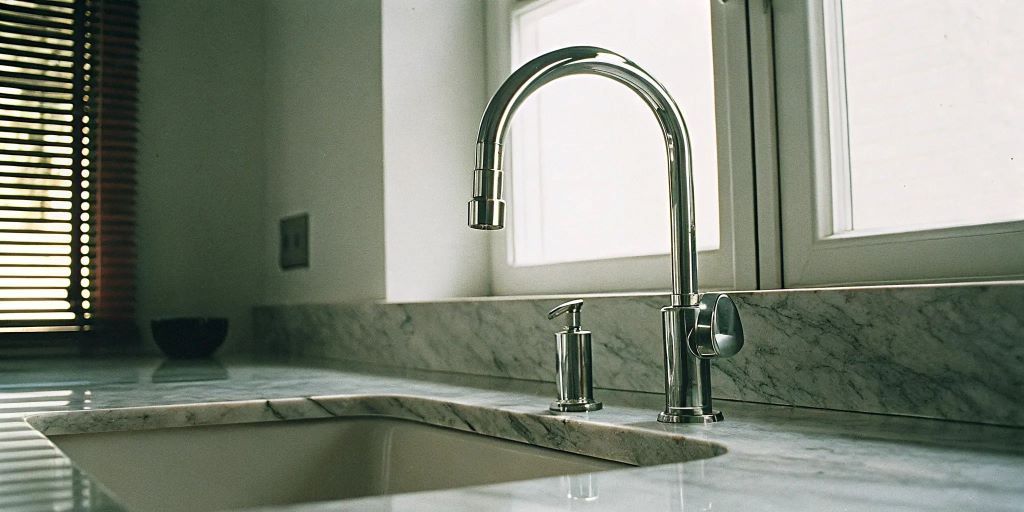
The kitchen faucet is one of the most used fixtures in any home, yet it’s often overlooked when it comes to upgrades or renovations. A high-quality faucet can transform your kitchen experience, making daily tasks like washing dishes, filling pots, and cleaning produce easier and more efficient. According to a survey by Houzz, over 70% of homeowners consider the kitchen faucet a key element in their kitchen’s functionality and style.
I remember the frustration of dealing with a leaky, outdated faucet in my first home. The constant dripping, the limited water flow, and the awkward design made even simple tasks feel like a chore. Upgrading to a modern, high-performance faucet changed everything. Suddenly, washing dishes became effortless, and the sleek design elevated the look of my entire kitchen. That experience taught me the importance of choosing the right faucet for both form and function.
Why Choosing the Right Kitchen Faucet Matters
A kitchen faucet is more than just a functional fixture—it’s a centerpiece of your kitchen’s design and usability. The right faucet can enhance your workflow, save water, and even add a touch of luxury to your space. According to the Environmental Protection Agency (EPA), a WaterSense-certified faucet can reduce water usage by up to 30% without sacrificing performance, making it an eco-friendly choice for modern homes.
For those looking to upgrade, a kitchen faucet guide can help you navigate the many options available. A well-chosen faucet can also improve the resale value of your home. Potential buyers often notice high-quality fixtures, and a stylish, functional faucet can be a selling point that sets your kitchen apart.
Additionally, the right faucet can make your kitchen more accessible and user-friendly. Features like touchless operation, pull-down sprayers, and adjustable water flow can make tasks easier for people of all ages and abilities. Whether you’re washing large pots or filling a glass of water, a good faucet should make these tasks smoother and more efficient.
Types of Kitchen Faucets to Consider
When it comes to choosing a kitchen faucet, there are several types to consider, each with its own advantages and ideal uses. The most common types include single-handle, double-handle, pull-down, pull-out, and touchless faucets.
Single-handle faucets are popular for their simplicity and ease of use. They allow you to control both the water temperature and flow with one hand, making them a convenient choice for busy kitchens. These faucets are also easier to clean and maintain, as they have fewer parts and crevices where grime can build up.
Double-handle faucets offer a classic look and precise control over water temperature and flow. Each handle controls either the hot or cold water, allowing for more accurate adjustments. However, they can be less convenient for quick tasks, as you need to use both hands to operate them.
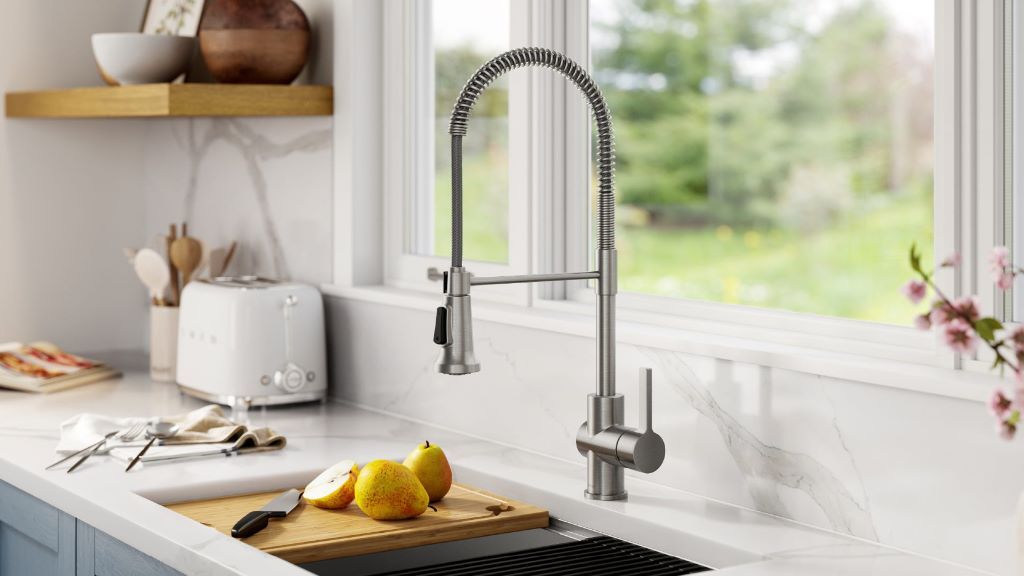
Pull-down faucets feature a spray head that can be pulled down into the sink, providing greater flexibility and reach. These faucets are ideal for filling large pots, washing big dishes, or cleaning the sink itself. Pull-out faucets are similar but have a spray head that pulls out toward you, offering a different range of motion.
Touchless faucets are a modern and hygienic option, using motion sensors to turn the water on and off. These faucets are perfect for kitchens where cleanliness is a priority, as they reduce the need to touch the faucet with dirty hands. However, they can be more expensive and may require batteries or electrical connections.
Key Features to Look for in a Kitchen Faucet
Choosing the right kitchen faucet involves considering several key features to ensure it meets your needs and preferences. First, think about the faucet’s finish. Popular finishes include chrome, stainless steel, brushed nickel, and oil-rubbed bronze. Each finish has its own aesthetic appeal and level of durability. Chrome and stainless steel are highly durable and easy to clean, while brushed nickel and oil-rubbed bronze offer a more rustic or vintage look.
The spout height and reach are also important considerations. A higher spout can make it easier to fill large pots and wash big dishes, but it may also create more splashing. The reach of the spout determines how far the water stream extends into the sink. A longer reach can be useful for larger sinks or for washing items that require more space.
Another key feature is the faucet’s flow rate, measured in gallons per minute (GPM). A higher flow rate can fill pots and pans more quickly, but it may also use more water. Look for faucets with a flow rate of around 1.5 to 2.2 GPM, which balances performance and water efficiency. Additionally, consider the faucet’s spray options. Many modern faucets offer multiple spray settings, such as a powerful stream for filling pots and a gentle spray for rinsing dishes.
How to Match Your Faucet to Your Sink and Kitchen Style
Your kitchen faucet should complement both your sink and the overall style of your kitchen. Start by considering the size and configuration of your sink. If you have a large, deep sink, a pull-down or pull-out faucet with a high spout can provide the reach and flexibility you need. For smaller sinks, a single-handle or double-handle faucet with a lower spout may be more appropriate.
Next, think about the style of your kitchen. For a modern or contemporary kitchen, sleek, minimalist faucets with clean lines and finishes like chrome or stainless steel can create a cohesive look. For a traditional or rustic kitchen, consider faucets with more ornate designs and finishes like oil-rubbed bronze or brushed nickel.
Additionally, consider the number of holes in your sink. Most sinks come with one to four pre-drilled holes for faucets and accessories like soap dispensers or air gaps. If your sink has fewer holes than your faucet requires, you may need to use a deck plate to cover the extra holes. Conversely, if your sink has more holes than your faucet needs, you can use accessory kits to fill the extra spaces.
The Importance of Durability and Ease of Maintenance
Durability and ease of maintenance are critical factors when choosing a kitchen faucet. A high-quality faucet should be made from durable materials that can withstand daily use and resist corrosion, tarnishing, and scratches. Look for faucets with solid brass or stainless steel construction, as these materials are known for their longevity and resistance to wear and tear.
Additionally, consider the faucet’s finish. Some finishes, like chrome and stainless steel, are highly resistant to tarnishing and easy to clean. Others, like brushed nickel or oil-rubbed bronze, may require more maintenance to keep them looking their best. Regular cleaning with mild soap and water can help extend the life of your faucet and keep it looking like new.
Ease of maintenance is also important for the faucet’s internal components. Look for faucets with ceramic disc cartridges, as these are more durable and less prone to leaks than traditional washers. Additionally, consider faucets with easy-to-replace parts, such as aerators and O-rings, which can wear out over time.
Common Mistakes to Avoid When Choosing a Kitchen Faucet
When selecting a kitchen faucet, there are some common mistakes that homeowners often make. One of the biggest mistakes is choosing a faucet based solely on looks without considering its functionality. While a beautiful faucet can enhance your kitchen’s aesthetic, it’s important to ensure it also meets your practical needs.
Another mistake is not considering the faucet’s compatibility with your sink and plumbing. Before purchasing a faucet, make sure it fits the number of holes in your sink and is compatible with your plumbing setup. Additionally, avoid choosing a faucet with a spout height or reach that doesn’t match your sink’s size and configuration.
Lastly, some homeowners overlook the importance of water efficiency. A faucet with a high flow rate may provide strong water pressure, but it can also waste water and increase your utility bills. Look for faucets with a balanced flow rate and WaterSense certification to ensure they are both efficient and effective.
Personal Experience: Finding the Perfect Kitchen Faucet
When I renovated my kitchen a few years ago, I knew I wanted a faucet that was both stylish and functional. After much research, I decided on a pull-down faucet with a sleek chrome finish and a high spout. The faucet’s design complemented my modern kitchen, and its flexibility made washing dishes and filling pots a breeze.
However, I quickly realized that the high spout, while great for filling large pots, created more splashing than I anticipated. That experience taught me the importance of balancing aesthetics with practicality. I eventually found a faucet with a slightly lower spout and a more controlled water flow, which solved the splashing issue while still providing the functionality I needed.
Conclusion
Choosing the best kitchen faucet for your home involves considering a variety of factors, from functionality and durability to style and water efficiency. By understanding the different types of faucets, key features, and common mistakes to avoid, you can find a faucet that enhances both the look and usability of your kitchen.
A high-quality faucet is an investment in your home’s functionality and aesthetic appeal. Whether you prefer a sleek, modern design or a classic, traditional look, the right faucet can transform your kitchen experience. So, take the time to research and choose the best faucet for your needs and style.
Have you recently upgraded your kitchen faucet? Share your experiences or tips in the comments below! And if you found this article helpful, don’t forget to share it with your friends and family.
FAQs
What is the best type of kitchen faucet for a modern home?
The best type of kitchen faucet depends on your needs and preferences. Pull-down and pull-out faucets are popular for their flexibility and ease of use, while touchless faucets offer a hygienic and modern option. Single-handle faucets are also a great choice for their simplicity and convenience.
How do I choose the right finish for my kitchen faucet?
Consider the overall style of your kitchen and the durability of the finish. Chrome and stainless steel are highly durable and easy to clean, while brushed nickel and oil-rubbed bronze offer a more rustic or vintage look. Choose a finish that complements your kitchen’s design and meets your maintenance preferences.
What is the ideal flow rate for a kitchen faucet?
The ideal flow rate for a kitchen faucet is around 1.5 to 2.2 gallons per minute (GPM). This balances performance and water efficiency, providing strong water pressure while conserving water. Look for faucets with WaterSense certification for added efficiency.
How do I maintain my kitchen faucet?
Regularly clean your faucet with mild soap and water to remove grime and prevent tarnishing. Avoid using abrasive cleaners or scrubbers, as they can scratch the finish. Additionally, check and replace parts like aerators and O-rings as needed to prevent leaks and maintain performance.
Can I install a new kitchen faucet myself?
Yes, many homeowners can install a new kitchen faucet themselves with basic tools and some DIY experience. However, if you’re unsure about the process or your plumbing setup, it’s always a good idea to consult a professional plumber to ensure a proper and leak-free installation.