How to Use Royal Gourmet CC1830S Grill

How to Use Oghom Clothes Steamer Safely and Effectively
September 20, 2026
How to Use Sweetfull Coffee Mug Warmer: A Practical Guide
September 20, 2026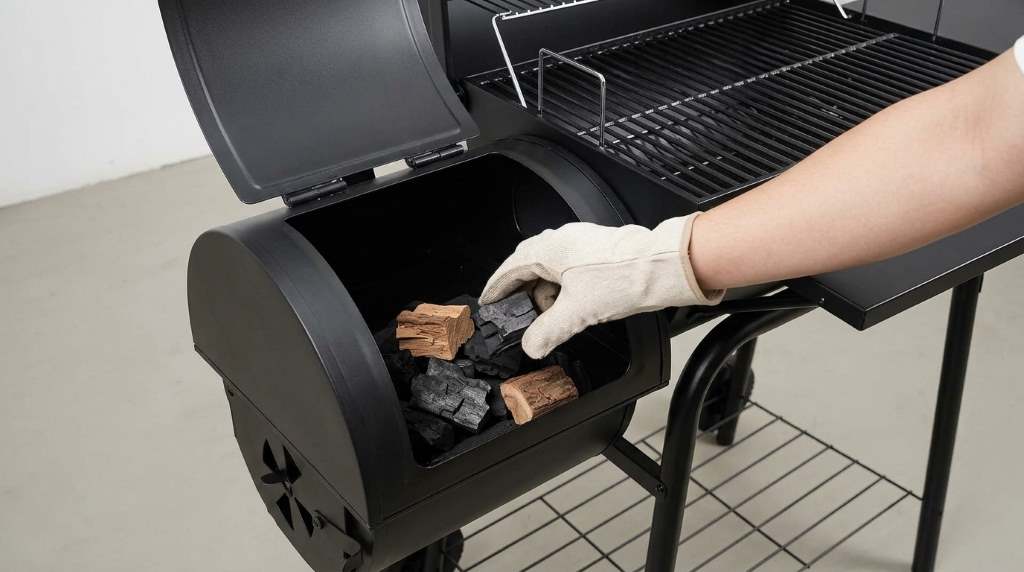
Use the Royal Gourmet CC1830S Grill by assembling it correctly, controlling its charcoal heat, and managing airflow throughout cooking. The grill works best when you build a controlled coal bed, preheat the grates, and adjust vents before adding food.
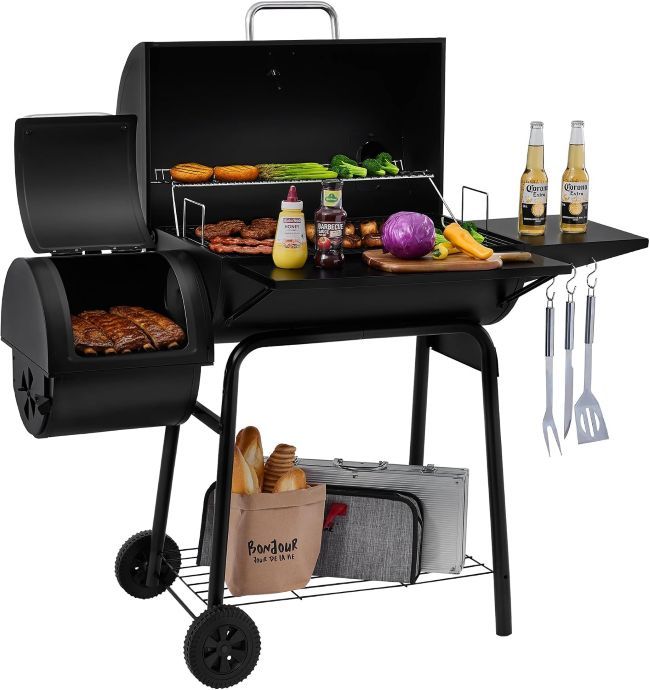
For a practical reference, the Royal Gourmet CC1830S Grill combines charcoal grilling with a side firebox design. Its 811 square inch total cooking area gives you room for direct grilling and indirect cooking.
Key Takeaways
- Assemble every grill component securely before lighting charcoal.
- Use the main chamber for direct heat and the firebox for controlled smoking.
- Preheat the cooking grates before placing food on them.
- Control temperature mainly through charcoal quantity and air vents.
- Keep the lid closed during indirect cooking to maintain steady heat.
- Clean ash and grease after cooking to improve airflow and performance.
Understand the Grill Before Cooking
The CC1830S uses a horizontal barrel design with a separate side firebox. Therefore, you can grill food directly or create indirect heat for longer cooking.
The main chamber handles everyday grilling, while the side firebox supplies heat and smoke. Meanwhile, adjustable dampers help you manage airflow and cooking temperature.
Know the Main Components
Before your first cook, identify the cooking grates, charcoal pan, firebox, dampers, handles, lid, and warming rack. Knowing each component makes temperature control much easier.
Also, check that the grates sit securely and the doors close properly. Loose parts can affect airflow, heat distribution, and cooking consistency.
Prepare the CC1830S for First Use
Place the grill outdoors on a stable, nonflammable surface before preparing it. Keep the grill away from walls, overhangs, dry vegetation, and other combustible materials.
Next, inspect the entire grill for loose hardware or damaged components. Tighten loose connections before lighting any charcoal or adding food.
Season the Cooking Grates
Clean the cooking grates before their first cooking session. Then apply a thin layer of high smoke point cooking oil across the grate surfaces.
Heat the grill without food until the oil bonds with the metal surface. This process helps reduce sticking and supports easier cleaning during future cooks.
Build the Right Charcoal Fire
Start with a moderate amount of charcoal rather than filling the entire charcoal area. You can always add more fuel when the temperature needs adjustment.
Arrange the lit charcoal toward one side for indirect cooking. Alternatively, spread the coals beneath the food when you want strong direct heat.
Use a Chimney Starter
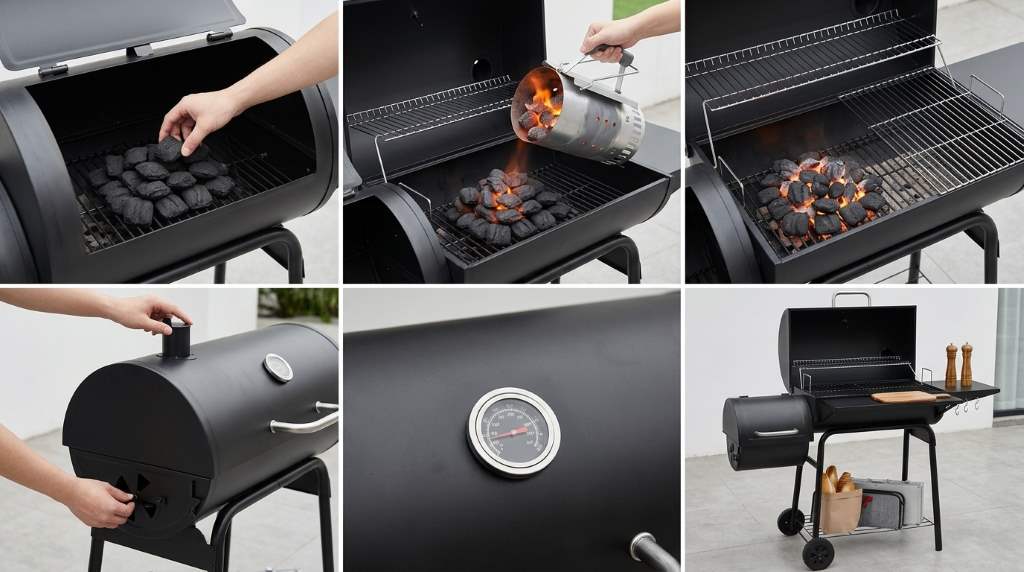
A chimney starter provides a simple way to light charcoal without lighter fluid. Fill it with charcoal, place fire starter material underneath, and ignite it safely.
Wait until the charcoal develops a gray ash coating before transferring it. Then distribute the hot coals according to your cooking method.
Avoid Excess Charcoal
More charcoal does not automatically produce better grilling results. Excess fuel can create excessive temperatures and make the grill harder to control.
Instead, begin with a manageable fire and increase fuel gradually. This approach gives you more control during longer cooking sessions.
Control Heat With the Vents
Airflow controls how aggressively charcoal burns inside the grill. Opening the vents generally increases oxygen flow, while closing them reduces combustion.
Make small adjustments instead of moving the dampers dramatically. After each adjustment, give the grill time to respond before changing the setting again.
Use Direct Heat for Fast Cooking
Direct grilling places food above the hot charcoal. This method works well for burgers, steaks, sausages, vegetables, and thinner cuts.
Preheat the grates before cooking, then place food over the hottest area. Turn food when necessary and move it away from flare ups when needed.
Use Indirect Heat for Longer Cooking
Indirect cooking keeps food away from the strongest charcoal heat. This method works particularly well for whole chickens, ribs, roasts, and thicker cuts.
Place charcoal on one side and food on the opposite side. Close the lid, then regulate airflow to maintain steady cooking temperatures.
Use the Side Firebox for Smoking
The side firebox turns the CC1830S into a charcoal smoker. Start a small fire inside the firebox and let heat travel into the main chamber.
Add suitable smoking wood gradually instead of adding large quantities at once. Too much wood can produce harsh smoke and overpower the food.
Manage Smoke Quality
Good barbecue usually benefits from clean, controlled smoke rather than thick white clouds. Adjust airflow until the fire burns steadily and produces lighter smoke.
Keep the cooking chamber closed as much as practical. Opening the lid repeatedly releases heat and disrupts the smoke environment.
Preheat Before Adding Food
Give the grill adequate time to heat after lighting the charcoal. Preheating helps stabilize the cooking surface and burn away residue from previous sessions.
Place your hand several inches above the grate only briefly if you need a basic heat impression. However, use a reliable grill thermometer for accurate temperature monitoring.
Create Different Heat Zones
A two zone setup gives you more control during cooking. Keep one area hotter for searing and another area cooler for slower cooking.
Move food between zones whenever the surface browns too quickly. This simple technique also helps manage flare ups without removing food from the grill.
Cook Different Foods Effectively
Use high direct heat for foods that cook quickly and need surface browning. Burgers, steaks, hot dogs, and vegetables commonly benefit from this approach.
For thicker foods, start with indirect heat and finish over direct charcoal. As a result, the center can cook without burning the exterior.
| Food Type | Recommended Method | Useful Technique |
|---|---|---|
| Burgers | Direct heat | Sear and flip once as needed |
| Steaks | Direct and indirect | Cook indirectly, then sear |
| Chicken | Indirect heat | Finish over direct heat |
| Ribs | Low indirect heat | Maintain steady smoke |
| Vegetables | Direct heat | Use a cooler zone when needed |
Prevent Common Grilling Problems
Temperature Keeps Rising
Rapid temperature increases usually indicate excessive airflow or too much burning charcoal. Reduce airflow gradually and avoid adding more fuel.
Also, check whether the lid and dampers close properly. Small gaps can introduce additional oxygen and make temperature control difficult.
Food Burns Outside
Move the food toward the cooler cooking zone when the exterior browns too quickly. Then close the lid and allow indirect heat to finish cooking.
Furthermore, avoid placing fatty foods directly above intense charcoal for extended periods. Dripping grease can create sudden flames and scorching.
Smoke Tastes Too Strong
Heavy smoke often comes from excessive wood or poor combustion. Reduce the amount of smoking wood and improve airflow around the fire.
Use smaller wood pieces and add them gradually. Clean combustion usually creates a cleaner flavor than an overloaded smoking chamber.
Clean the Grill After Every Session
Let the charcoal and grill cool completely before cleaning. Never remove hot ash into plastic containers or other heat sensitive materials.
Brush the cooking grates after cooking while they remain slightly warm. Then empty accumulated ash once everything has cooled safely.
Clean Grease and Food Residue
Remove heavy grease buildup from surfaces that collect drippings. Excess grease can produce unwanted smoke and increase fire risk during later cooks.
Wipe accessible surfaces with suitable grill cleaning tools. Avoid damaging painted or coated areas with unnecessarily aggressive abrasives.
Store the CC1830S Correctly
Protect the grill from prolonged moisture whenever possible. A suitable grill cover can help reduce exposure to rain, dirt, and environmental debris.
Before covering it, confirm that the grill has cooled completely. Also, remove ash and food residue so moisture does not combine with corrosive deposits.
Safety Practices That Matter
Always operate the grill outdoors in an open, well ventilated area. Never use charcoal grills inside homes, garages, enclosed patios, or other enclosed spaces.
Keep children and pets away from the hot grill and surrounding area. Additionally, keep a suitable fire extinguisher or other appropriate fire safety equipment nearby.
- Never leave a burning charcoal grill unattended.
- Do not use gasoline or other unsafe accelerants.
- Keep combustible materials away from hot surfaces.
- Use heat resistant gloves when handling hot components.
- Allow charcoal to cool completely before disposal.
How to Get More Consistent Results
Consistency comes from controlling variables rather than constantly changing techniques. Use similar charcoal quantities, cooking zones, vent settings, and preparation methods each time.
Keep a simple cooking record for successful recipes. Record approximate fuel quantity, cooking temperature, cooking duration, and vent adjustments for future reference.
Use a Thermometer
A digital meat thermometer provides more reliable results than judging doneness by appearance alone. Check the thickest part of the food without touching bone.
For safety, follow current food safety guidance for the specific meat you cook. Remove food only after it reaches the appropriate internal temperature.
Frequently Asked Questions
How do I start the Royal Gourmet CC1830S?
Light charcoal safely, allow it to develop a gray ash coating, then arrange it for direct or indirect cooking.
Can I use the CC1830S as a smoker?
Yes, use the side firebox to create indirect heat and introduce controlled amounts of smoking wood.
How do I control the grill temperature?
Control temperature by adjusting charcoal quantity and gradually changing the intake and exhaust airflow.
Should I preheat the cooking grates?
Yes, preheat the grates before cooking to stabilize heat and reduce food sticking.
How often should I clean the grill?
Brush the cooking grates after every session and remove accumulated ash whenever the grill completely cools.
Final Thoughts
The Royal Gourmet CC1830S becomes easier to use once you understand fuel placement, airflow, heat zones, and smoke control. Start with moderate charcoal, make small adjustments, and give the grill time to respond.
For better results, practice with simple foods before attempting long smoking sessions. Clean the grill after every cook, record successful settings, and gradually develop your preferred cooking routine.
Ready to cook? Set up a two zone charcoal fire, preheat the grates, and start with a simple meal before exploring longer cooks.