How to Choose the Best Blenders for Smoothies and Healthy Drinks

How to Choose the Best Blenders for Kitchen Use and Daily Cooking
April 20, 2026
How to Choose the Best Ventilation Hood for a Smoke-Free Kitchen
April 20, 2026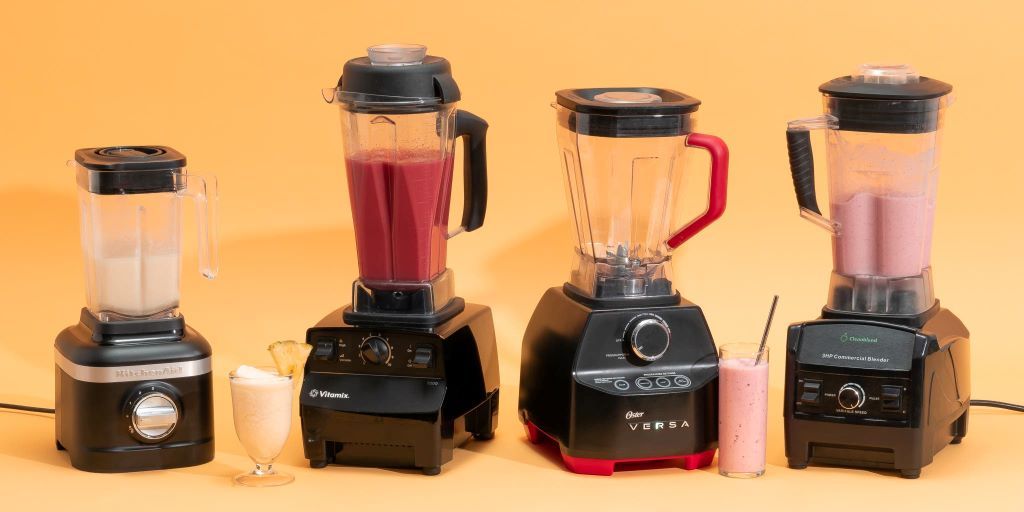
Starting your day with a nutritious, delicious smoothie is one of the easiest ways to boost your health and energy. However, not all blenders are created equal when it comes to making smooth, creamy, and nutrient-packed drinks. The right blender can turn frozen fruits, leafy greens, and superfoods into a silky-smooth beverage without leaving chunks or wasting ingredients. Whether you’re a fitness enthusiast, a health-conscious parent, or just someone who loves a good smoothie, choosing the right blender is key to achieving perfect results every time.
I remember my first attempt at making a green smoothie with a weak, budget blender that struggled to blend even soft fruits. After upgrading to a high-performance blender designed specifically for smoothies, my drinks became creamier, more consistent, and packed with nutrients. If you’re ready to take your smoothie game to the next level, exploring the best blenders for smoothies is a great place to start.
Why the Right Blender Matters for Smoothies and Healthy Drinks
A blender is the heart of your smoothie-making routine, and its performance directly impacts the texture, taste, and nutritional value of your drinks. The right blender ensures that ingredients like frozen fruits, leafy greens, and seeds are blended smoothly, preserving their nutrients and flavors. According to a report by the International Food Information Council, over 70% of Americans include smoothies in their diet for their convenience and health benefits. However, a poor-quality blender can leave your smoothie lumpy, separate nutrients unevenly, or even burn out under the strain of tough ingredients.
High-quality blenders for smoothies are designed with powerful motors, sharp blades, and optimized jar shapes to create a vortex that pulls ingredients down for even blending. They also handle ice, frozen fruits, and fibrous greens with ease, ensuring a smooth, consistent texture every time. Investing in a blender that’s up to the task means you’ll enjoy better-tasting, nutrient-rich smoothies without the hassle of clogs or incomplete blending.
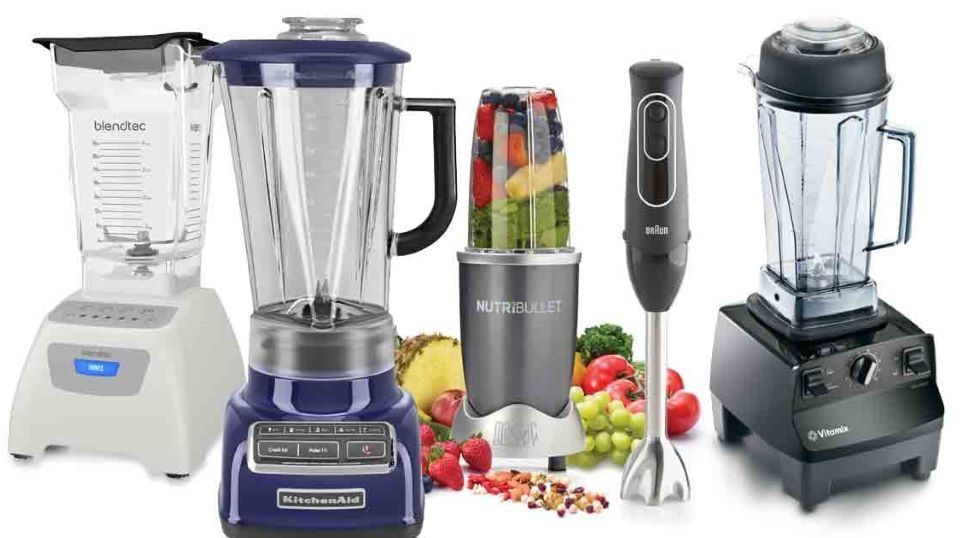
Types of Blenders for Smoothies
1. Personal Blenders
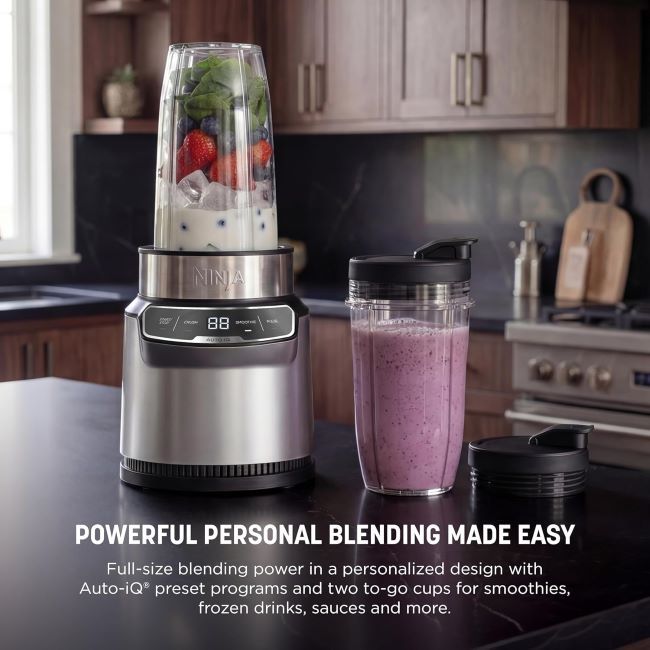
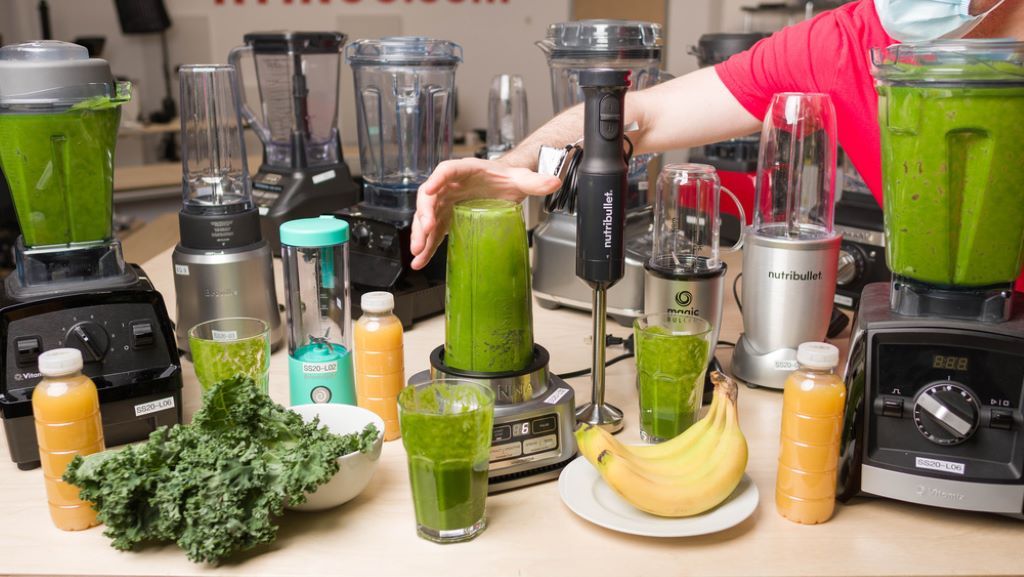
Personal blenders are designed for single-serving smoothies and are perfect for individuals or small households. They typically come with a small blending cup that doubles as a travel container, making them ideal for on-the-go lifestyles. Personal blenders are compact, easy to use, and often more affordable than full-size models.
Pros:
- Compact and portable, perfect for travel or small kitchens
- Blending cup often doubles as a to-go container
- Affordable and easy to clean
Cons:
- Limited capacity for larger batches
- May struggle with very tough ingredients like ice or nuts
2. High-Performance Blenders
High-performance blenders are built for serious blending tasks, including crushing ice, processing tough greens, and making nut butters. They feature powerful motors (often 1,000 watts or more) and durable, sharp blades designed to handle heavy use. These blenders are ideal for health enthusiasts, fitness buffs, and anyone who demands professional-level results.
Pros:
- Extremely powerful for tough ingredients like ice and frozen fruits
- Versatile for a wide range of tasks, including nut butters and sauces
- Durable and long-lasting
Cons:
- More expensive than standard blenders
- Can be larger and heavier, taking up more counter space
3. Countertop Blenders
Countertop blenders are the most common type and are designed for versatility and power. They typically feature a large pitcher (or jar) and a powerful motor base, making them ideal for blending large quantities of smoothies, soups, and sauces. Countertop blenders are perfect for families, smoothie lovers, and anyone who needs a reliable, all-purpose blender.
Pros:
- Powerful motors for smooth, consistent blending
- Large capacity for batch cooking and meal prep
- Versatile for a wide range of tasks
Cons:
- Can take up significant counter space
- Some models are heavy and difficult to move
4. Immersion Blenders
Immersion blenders, also known as hand blenders or stick blenders, are handheld devices that allow you to blend ingredients directly in a cup, bowl, or pitcher. While they are not ideal for large batches or tough ingredients, they are great for making small smoothies or blending ingredients that are already soft or pre-cut.
Pros:
- Compact and easy to store
- Great for blending small batches or soft ingredients
- Lightweight and portable
Cons:
- Less powerful than countertop or high-performance blenders
- Not ideal for crushing ice or tough greens
5. Multi-Function Blenders
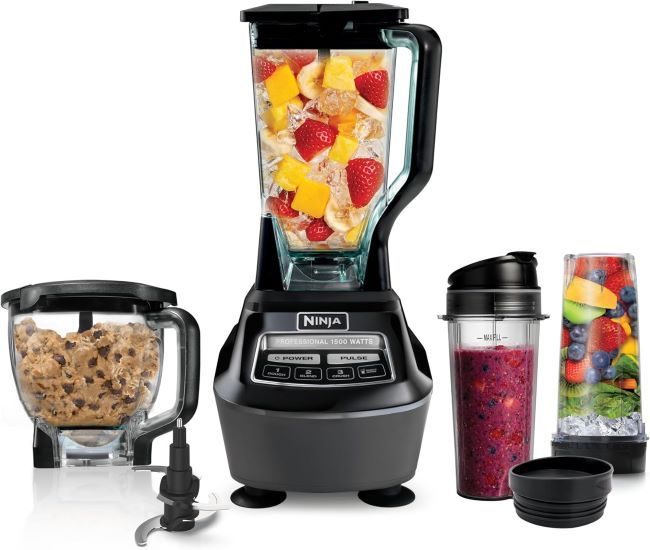
Multi-function blenders combine blending with additional features like food processing, chopping, and grinding. These blenders often come with interchangeable blades and attachments, allowing you to use one appliance for multiple tasks. They are ideal for those who want to maximize kitchen space and minimize the number of appliances.
Pros:
- Versatile for blending, chopping, and grinding
- Saves space by replacing multiple appliances
- Convenient for a variety of kitchen tasks
Cons:
- Can be more complex to use and clean
- May not perform as well as dedicated appliances for specific tasks
6. Travel Blenders
Travel blenders are compact, battery-operated blenders designed for making smoothies on the go. They are perfect for campers, travelers, or anyone who wants to enjoy fresh smoothies without access to a power outlet. Travel blenders are lightweight, portable, and often come with rechargeable batteries.
Pros:
- Portable and perfect for travel or outdoor use
- Battery-operated for convenience
- Compact and easy to pack
Cons:
- Limited power compared to countertop models
- Smaller capacity for single servings only
Key Features to Look for in Blenders for Smoothies
Motor Power
The motor power of a blender determines its ability to handle tough ingredients like ice, frozen fruits, and fibrous greens. For smoothies, look for blenders with motors ranging from 700 to 1,500 watts. High-performance blenders typically have motors of 1,000 watts or more, ensuring smooth, consistent blends without straining the motor.
Blade Quality and Design
The blades of a blender play a crucial role in its performance. Look for blenders with sharp, stainless steel blades that are designed to crush ice, puree fruits, and blend tough ingredients. Some blenders feature multi-layered or serrated blades for better cutting efficiency. Removable blades are also easier to clean and maintain.
Jar or Pitcher Material
The material of the blender jar affects its durability, heat retention, and ease of cleaning. Common materials include:
- Glass: Durable and heat-resistant, but heavier and more prone to breaking.
- Plastic: Lightweight and shatterproof, but may absorb odors and stains over time.
- Stainless Steel: Durable, easy to clean, and resistant to stains and odors, but often more expensive.
For smoothies, plastic or stainless steel jars are often preferred for their lightweight and durable properties.
Capacity
The capacity of your blender jar determines how much you can blend at once. Personal blenders typically hold 16 to 24 ounces, while countertop blenders range from 40 to 64 ounces. Consider the size of your household and the types of recipes you prepare when choosing the capacity of your blender. Larger jars are ideal for families or batch cooking, while smaller jars are perfect for single servings.
Speed Settings
Variable speed settings allow you to control the blending process for different textures and ingredients. Look for blenders with multiple speed options, including low, medium, and high settings, as well as pulse functions for precise control. Some high-end blenders also include pre-programmed settings for smoothies, ensuring optimal blending without guesswork.
Ease of Use and Cleaning
A user-friendly blender simplifies your smoothie-making routine. Look for models with intuitive controls, easy-to-read displays, and dishwasher-safe parts. Some blenders feature self-cleaning functions, where you add water and soap, then run the blender to clean the jar and blades. Removable blades and jars also make cleaning easier.
Noise Level
Blenders can be noisy, especially high-performance models. If noise is a concern, look for blenders with sound-dampening features or quieter motors. Some models are specifically designed to reduce noise without sacrificing power, making them ideal for early morning or late-night blending.
Additional Features
Many blenders come with additional features that enhance convenience and versatility. Look for models with:
- Tamper Tools: Helps push ingredients down into the blades for smoother blending.
- Travel Lids: Allows you to blend and take your smoothie on the go.
- Pre-Programmed Settings: For smoothies, soups, and sauces, ensuring consistent results.
- Variable Speed Controls: For precise blending of different ingredients.
Durability and Build Quality
A well-built blender lasts longer and performs better. Look for models with sturdy construction, high-quality materials, and reliable components. Avoid blenders with flimsy plastic parts or weak motors, as they are more likely to break or wear out quickly. High-quality blenders often come with longer warranties, indicating their durability and reliability.
Warranty and Customer Support
A good warranty and responsive customer support can save you time and money if something goes wrong. Look for blenders with at least a one-year warranty, and check user reviews to gauge the manufacturer’s reputation for customer service and product reliability. Some brands offer extended warranties or replacement programs for added peace of mind.
How to Choose the Right Blender for Smoothies and Healthy Drinks
Assess Your Smoothie Needs
Consider the types of smoothies and healthy drinks you prepare most often. If you primarily make fruit-based smoothies, a personal or countertop blender is ideal. For green smoothies with tough greens like kale or spinach, a high-performance blender with a powerful motor is essential. If you enjoy adding superfoods like chia seeds or nut butters, look for a blender that can handle thick, sticky ingredients without clogging.
Consider Your Household Size
The size of your household should guide your choice of blender capacity. For large families or batch cooking, a countertop blender with a 60-ounce jar is practical. For individuals or couples, a personal blender with a 16- to 24-ounce jar is sufficient. Choose a capacity that matches your typical serving sizes to avoid waste or multiple blending sessions.
Evaluate Your Budget
Blenders for smoothies are available at a wide range of price points. Determine your budget and look for the best features within that range. While high-performance blenders offer advanced features and durability, there are also many affordable options that deliver excellent results for daily use. Balance cost with quality to ensure you get the best blender for your needs.
Test for Ease of Use
Whenever possible, test different blenders to assess their ease of use. Look for models with intuitive controls, clear displays, and simple assembly. If you’re buying online, read user reviews and expert ratings to gauge the performance and quality of the blender. Pay attention to features like programmable settings, self-cleaning functions, and tamper tools, which can simplify your smoothie-making routine.
Prioritize Quality and Durability
Investing in a high-quality blender ensures better performance, durability, and longevity. Look for models made from strong, durable materials with powerful motors and sharp blades. While quality blenders may come with a higher price tag, they often last longer and perform better, making them a worthwhile investment for your health and kitchen.
Consider Eco-Friendly Options
If sustainability is important to you, look for blenders with eco-friendly features. Some models are made from recycled materials, while others include reusable filters or energy-efficient motors. Choosing a durable blender that lasts for years also reduces waste and environmental impact.
Common Mistakes to Avoid When Choosing a Blender for Smoothies
- Choosing Based on Looks Alone: While aesthetics matter, prioritize performance features like motor power, blade quality, and durability.
- Ignoring Motor Power: A weak motor can struggle with tough ingredients, leading to uneven blends or motor burnout. Always choose a blender with sufficient power for your needs.
- Skipping the Capacity Check: A blender with too small a jar requires multiple batches, while one that’s too large can be cumbersome. Choose a capacity that matches your household size and cooking needs.
- Overlooking Ease of Cleaning: Blenders with complex parts or non-removable blades can be difficult to clean. Look for models with dishwasher-safe components or self-cleaning functions.
- Not Considering Noise Levels: High-performance blenders can be loud, which may be disruptive in small kitchens or early mornings. Look for models with sound-dampening features if noise is a concern.
FAQs
What is the best type of blender for green smoothies?
For green smoothies, a high-performance blender with a powerful motor (at least 1,000 watts) and sharp blades is ideal. These blenders can easily blend tough greens like kale and spinach, as well as frozen fruits and seeds, into a smooth, nutrient-packed drink.
Can I use a personal blender for making nut butter?
While personal blenders can handle soft ingredients and small batches, they often lack the power needed to make nut butter. A high-performance or commercial-grade countertop blender is better suited for this task, as it can handle the thick, sticky consistency of nut butter.
How often should I clean my blender?
You should rinse your blender jar and blades after every use to prevent residue buildup. Perform a deeper clean, including descaling and sanitizing, at least once a week. Many blenders have self-cleaning functions or dishwasher-safe parts to simplify this process.
What is the difference between a personal blender and a countertop blender?
Personal blenders are designed for single-serving smoothies and shakes, with smaller jars that often double as travel cups. Countertop blenders are larger and more powerful, suitable for blending larger quantities and tougher ingredients. Personal blenders are more compact and portable, while countertop blenders offer greater versatility.
Are expensive blenders worth the investment for smoothies?
Expensive blenders are often worth the investment if you use your blender frequently or for tough ingredients like ice and nuts. High-end models offer powerful motors, durable construction, and advanced features that improve performance and longevity. However, for casual use, a mid-range blender can provide excellent results at a lower cost.
Conclusion
Choosing the best blender for smoothies and healthy drinks is essential for achieving smooth, nutrient-rich results every time. By considering factors like motor power, blade quality, capacity, and ease of use, you can find a blender that matches your needs and lifestyle. Investing in a quality blender ensures you can effortlessly prepare delicious, healthy drinks that fuel your day and support your wellness goals.
Take the time to research, test, and choose a blender that will help you create perfect smoothies with ease. Whether you’re a fitness enthusiast, a health-conscious parent, or just someone who loves a good smoothie, the right blender can transform your kitchen experience.
Have you found a blender that transformed your smoothie routine? Share your favorite models or tips in the comments below! And if you found this guide helpful, don’t forget to share it with your fellow smoothie lovers.