
What Types of Food Are Best for Indoor Grilling? Unlock Year-Round BBQ Flavor!

Unlock Perfect Flavors: Finding the Ideal Temperature for Indoor Grilling
May 7, 2025
The Ultimate Guide to Flour for Your Bread Maker: From Rustic Loaves to Delicate Rolls
May 11, 2025
The craving for that distinct, smoky char and juicy tenderness of grilled food doesn’t magically disappear when the weather turns sour or when outdoor space is limited. Enter the hero of the modern kitchen: the indoor grill. Whether it’s a contact grill, an open griddle, or a specialized smokeless unit, indoor grilling offers a fantastic way to enjoy those beloved barbecue flavors any day of the year, right from the comfort of your countertop. But what exactly shines when cooked under the electric heat of an indoor grill?
Many home cooks wonder if their favorite outdoor grilling staples translate well to an indoor setting. The good news is, a surprising variety of foods not only work but truly excel on an indoor grill. The key lies in understanding the nuances of indoor grilling – primarily, managing heat, space, and potential smoke – and choosing foods that complement this cooking method. From succulent meats and delicate seafood to vibrant vegetables and even sweet fruits, your indoor grill is more versatile than you might think. This article will guide you through the best types of food to bring that grilled goodness inside, transforming your kitchen into a year-round barbecue haven.
Understanding Your Indoor Grill: Setting the Stage for Success
Before we dive into the delicious possibilities, let’s briefly touch upon the tools of the trade. Indoor grills generally fall into two main categories:
- Contact Grills: These feature heated plates on both the top and bottom (think George Foreman grills). They cook food simultaneously from both sides, significantly speeding up the process. They often have sloped surfaces to drain away fat, contributing to healthier cooking and reduced smoke. They excel at cooking thinner items quickly, like burgers, thin steaks, chicken cutlets, and paninis.
- Open Grills/Griddles: These resemble small outdoor grills with a single, flat or ridged cooking surface. You need to flip the food manually, just like outdoor grilling. Some models come with lids to help trap heat and moisture. These are often more versatile for different shapes and sizes of food, including thicker cuts, kebabs, and larger vegetable pieces. Many modern units boast “smokeless” technology, often incorporating water trays or built-in fans to minimize smoke production.
Regardless of the type, successful indoor grilling involves managing smoke. While engineered to produce less smoke than outdoor grills, factors like high heat, dripping fat, and certain marinades can still create some haze. Choosing leaner cuts, trimming excess fat, avoiding overly sugary or oily marinades, ensuring proper ventilation (like using your range hood or opening a window), and keeping your grill clean are crucial steps for a pleasant indoor grilling experience. Always preheat your grill thoroughly – this ensures even cooking and helps create those desirable sear marks.
Best Meats for Indoor Grilling: Leaner and Thinner is Often Better
Meat is often the star of the grilling show, and indoor grills handle many cuts beautifully, especially when you choose wisely. Because indoor grills generally don’t reach the scorching temperatures of charcoal or gas grills and lack the open flame, certain types of meat perform better than others.
- Thinner Cuts: Items that cook relatively quickly are ideal. Think thinner steaks like flank steak, skirt steak, or sirloin (often under an inch thick). Pounding chicken breasts or pork chops to an even, thinner consistency (around ½ to ¾ inch) ensures they cook through rapidly without drying out on the exterior. These cuts achieve a great sear and cook evenly on contact grills or open grills.
- Leaner Options: Fatty cuts are the primary culprits for smoke indoors as the fat drips onto the hot plates. Opting for leaner selections significantly minimizes this issue. Choose lean ground beef (90/10 or leaner) for burgers, turkey burgers, or chicken burgers. Trim visible fat from steaks and pork chops before grilling. Chicken breasts and tenderloins are naturally lean and perform exceptionally well.
- Burgers and Sausages: These are classic grilling staples that transition perfectly indoors. The contained heat cooks them efficiently. For burgers, use lean ground meat and avoid pressing down too hard, which squeezes out juices. Pre-cooked sausages just need heating through and browning, while raw sausages cook nicely, allowing the fat to render and drain away on sloped grills.
- Kebabs: Skewers loaded with smaller pieces of meat (like sirloin tips, chicken chunks, or lamb cubes) intermingled with vegetables cook quickly and evenly. They are particularly well-suited for open-style indoor grills.
While you can cook thicker steaks (like a ribeye or T-bone) on some powerful indoor grills, it requires more careful temperature management to avoid overcooking the outside before the inside reaches the desired doneness. Using a meat thermometer is highly recommended for thicker cuts to ensure they are cooked perfectly and safely (e.g., 145°F for steaks/pork, 160°F for ground meats, 165°F for poultry).
Fantastic Fish and Seafood Choices: Quick Cooking Delights
Fish and seafood are fantastic candidates for indoor grilling, cooking quickly and absorbing flavors beautifully. Their natural tenderness benefits from the controlled heat.
- Firm Fish Fillets: Heartier fish hold their shape well on the grill grates. Salmon is a perennial favorite, its natural oils keeping it moist. Tuna steaks (sear quickly for a rare center), mahi-mahi, snapper, and tilapia are also excellent choices. Aim for fillets that are at least ½-inch thick. For less fatty fish like tilapia or flounder, brushing lightly with oil or using a flavorful marinade helps prevent sticking and adds moisture.
- Shrimp and Scallops: These cook in mere minutes, making them perfect for fast weeknight meals. Skewering them prevents them from falling through the grates and makes flipping easy. A simple marinade of olive oil, garlic, lemon juice, and herbs works wonders. Grill shrimp until pink and opaque, and scallops until lightly golden and just cooked through – usually just 2-3 minutes per side.
- Fish Steaks: Swordfish or halibut steaks, being firmer and thicker, grill much like meat steaks and stand up well to robust seasonings.
Remember that seafood cooks very quickly. Keep a close eye on it to prevent it from becoming dry or rubbery. Using a fish basket or grilling mat can be helpful for more delicate fillets on open grills.
Vegetables That Shine on the Indoor Grill: Adding Color and Flavor
Grilled vegetables are a healthy and delicious addition to any meal, and the indoor grill brings out their natural sweetness and adds a lovely char.
- Classic Choices: Bell peppers (cut into large pieces or rings), onions (cut into thick slices or wedges), zucchini and yellow squash (cut into lengthwise planks or thick rounds), and asparagus (thicker spears work best) are all fantastic.
- Heartier Options: Eggplant slices develop a creamy texture. Portobello mushroom caps become meaty and satisfying (great as a burger substitute). Corn on the cob (shucked) grills beautifully, or you can grill pre-cooked corn kernels tossed with a little oil and seasoning in a grill basket or on a flat-top griddle surface.
- Smaller Veggies: Cherry tomatoes or small mushrooms are best threaded onto skewers so they don’t fall through the grates.
- Root Vegetables: Harder vegetables like potatoes or sweet potatoes benefit from being par-cooked (boiled or microwaved until slightly tender) before grilling to ensure they cook through evenly. Cut them into wedges or slices.
Preparation is key: Cut vegetables into substantial pieces (at least ½-inch thick) so they don’t overcook too quickly or fall apart. Toss them lightly in olive oil or another high-heat oil, and season simply with salt, pepper, garlic powder, or your favorite herbs before placing them on the preheated grill. Don’t overcrowd the grill; cook in batches if necessary to ensure good contact and charring.
Related: Unlock Perfect Flavors: Finding the Ideal Temperature for Indoor Grilling
Fruits for a Sweet Grilled Treat: Caramelized Perfection
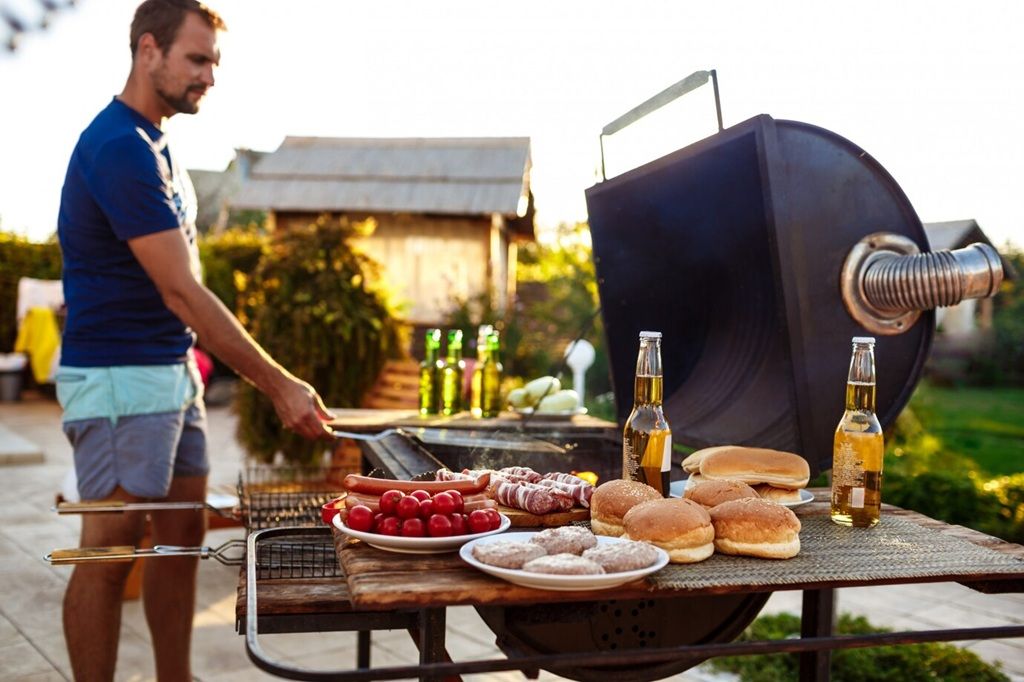
Don’t overlook fruit! Grilling caramelizes the natural sugars in fruit, intensifying their sweetness and adding a subtle smoky dimension. It’s a simple way to create an elegant and relatively healthy dessert or a unique side dish.
- Best Fruits for Grilling: Choose fruits that are firm and slightly under-ripe, as overly ripe fruit can become mushy. Pineapple rings or spears are arguably the most popular – they become incredibly sweet and juicy. Stone fruits like peaches, nectarines, and plums (halved and pitted) are divine. Bananas (halved lengthwise, perhaps even left in the peel) and firm apple or pear slices also work well. Watermelon slices can even be grilled for a surprising warm-and-cool treat.
- How to Grill: Cut fruit into large pieces or thick slices. Brush very lightly with a neutral oil or melted butter if desired (though often unnecessary). Grill over medium-high heat for just a few minutes per side, until heated through with nice grill marks.
- Serving Ideas: Serve grilled fruit warm on its own, topped with a dollop of Greek yogurt, ricotta cheese sweetened with honey, a scoop of vanilla ice cream, or a drizzle of balsamic glaze. Grilled pineapple is fantastic alongside pork or chicken.
Beyond the Basics: Creative Indoor Grilling Ideas
Your indoor grill isn’t just for steaks and burgers. Get creative!
- Grilled Sandwiches: Contact grills are essentially panini presses! Elevate your grilled cheese, Reubens, or any favorite sandwich.
- Quesadillas and Wraps: Fill tortillas with cheese, beans, cooked chicken, or veggies, fold, and grill until golden and melted.
- Plant-Based Proteins: Firm or extra-firm tofu and tempeh, cut into steaks or cubes and marinated, grill up beautifully, developing a chewy texture and charred exterior.
- Grilled Pizza: Some flat-top indoor grills can handle individual-sized pizzas. Grill the crust first, then add toppings and grill until bubbly.
- Appetizers: Think prosciutto-wrapped asparagus, halloumi cheese slices, or even grilled avocado halves filled with salsa or couscous salad.
Related: Sparkling Clean & Ready to Sizzle: Your Ultimate Guide to Cleaning an Indoor Electric Grill
Tips for Successful Indoor Grilling: Mastering the Method
To get the best results and enjoy a smooth indoor grilling experience, keep these tips in mind:
- Preheat Properly: Always allow your grill to fully preheat. This ensures even cooking and helps create sear marks. Most grills have indicator lights.
- Don’t Overcrowd: Give your food space. Overcrowding lowers the grill temperature and causes food to steam rather than sear. Cook in batches if needed.
- Manage Smoke: Choose lean meats, trim excess fat, pat food dry, avoid sugary/oily marinades (apply glazes near the end), ensure good ventilation, and consider a smokeless grill model.
- Use a Thermometer: Especially for meat and poultry, a digital meat thermometer is the best way to guarantee food is cooked safely and perfectly.
- Oil the Food, Not the Grill: Lightly brushing your food (meat, veg, fruit) with oil helps prevent sticking and promotes even browning, often better than oiling the grill plates themselves (unless manufacturer instructions say otherwise).
- Clean Promptly: Clean your grill according to the manufacturer’s instructions after each use, once it has cooled sufficiently. Removing grease and food debris prevents build-up, reduces smoke in future uses, and keeps your appliance working well. Removable, dishwasher-safe plates are a huge plus.
- Embrace Dry Rubs: For intense flavor without adding excess moisture or sugar that can cause smoke, use dry rubs generously on meats and poultry.
- Add Smoky Flavor (Optional): If you miss the outdoor smokiness, incorporate ingredients like smoked paprika, chipotle powder, or a tiny dash of liquid smoke into your seasonings or marinades.
Related: No Smoke Without Fire? How to Reduce Smoke When Grilling Indoors for Year-Round BBQ Bliss
People Also Ask (FAQs)
Here are answers to some frequently asked questions about indoor grilling:
-
Can you grill steak on an indoor grill?
Absolutely! Thinner cuts (like flank, skirt, sirloin under 1-inch thick) and leaner cuts work best. Preheat the grill thoroughly to get a good sear, use a meat thermometer to check for doneness (145°F for medium-rare to medium), and let it rest after cooking.
-
How do you prevent smoke when grilling indoors?
Choose lean cuts of meat and trim visible fat. Avoid high-sugar or very oily marinades. Pat food dry before placing it on the grill. Ensure your grill is clean (burned residue causes smoke). Use your kitchen’s exhaust fan or open a window for ventilation. Consider investing in a grill specifically designed to be “smokeless.”
-
What Cannot be cooked on an indoor grill?
While versatile, indoor grills aren’t ideal for extremely fatty cuts that produce excessive smoke (like fatty bacon in large quantities or heavily marbled untrimmed steaks). Very large items (like a whole chicken or large roast) usually won’t fit or cook evenly. You also won’t achieve true wood-smoke flavor profiles.
-
Is indoor grilling healthy?
It certainly can be! Many indoor grills (especially contact grills) are designed to drain fat away from the food. Grilling encourages cooking lean proteins and vegetables without needing lots of added cooking fat. As with any grilling, avoid excessive charring, as heavily blackened areas can contain potentially harmful compounds.
-
How long does it take to cook chicken on an indoor grill?
Cooking time depends heavily on the type of grill (contact vs. open), the temperature setting, and the thickness of the chicken. As a general guide:
- Thinly pounded boneless, skinless chicken breasts (½-inch): 5-8 minutes on a contact grill.
- Boneless, skinless chicken thighs: 8-12 minutes on a contact grill.
- Bone-in pieces will take longer.
- Always use a meat thermometer – chicken is safe to eat when it reaches an internal temperature of 165°F (74°C).
Conclusion: Bring the BBQ Inside!
Indoor grilling opens up a world of culinary possibilities, proving that you don’t need a backyard or perfect weather to enjoy the satisfying flavors and textures of grilled food. By choosing the right types of food – focusing on leaner meats, thinner cuts, firm fish, robust vegetables, and even surprising fruits – and employing a few simple techniques, you can master your indoor grill.
From quick weeknight dinners like grilled chicken salads and shrimp skewers to fun weekend meals like burgers, paninis, and vegetable platters, your indoor grill is a versatile kitchen powerhouse. Don’t be afraid to experiment with different seasonings, rubs, and food combinations. Embrace the convenience, enjoy the healthier aspects of fat draining away, and savor those delicious grill marks any time the craving strikes. Happy indoor grilling!


