Sustainable Home Improvements That Save Money Over Time

Smart Kitchen & Bathroom Makeover Ideas to Revamp Your Home
December 9, 2025
Beelicious EXT-VAC Vacuum Sealer: Automatic Air Sealing with Starter Kit And 2-Year Warranty
December 18, 2025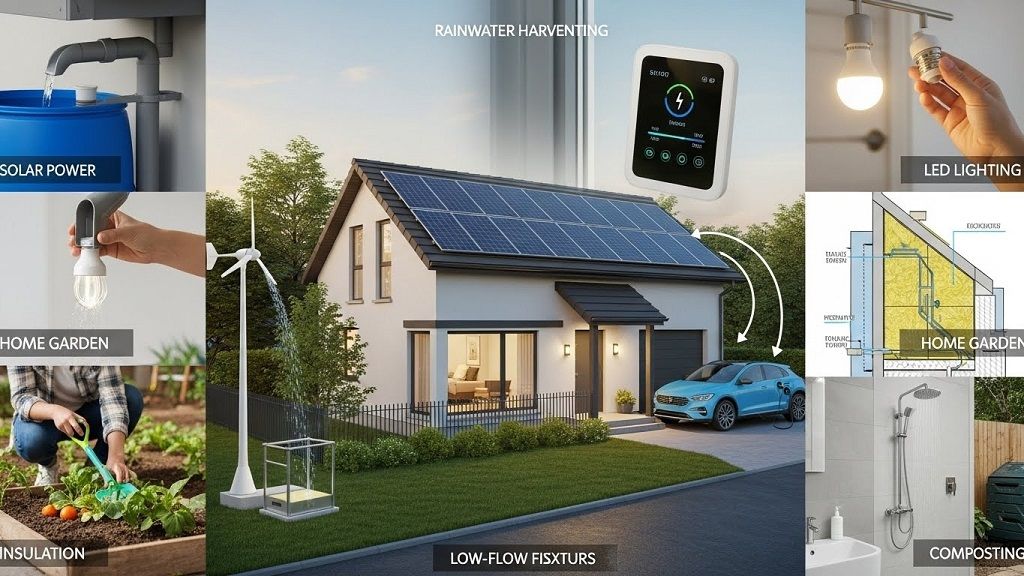
Sustainable Home Improvements are upgrades designed to reduce environmental impact while lowering long-term household costs. These improvements focus on energy efficiency, water conservation, durable materials, and smart technology that work together to create a healthier, more cost-effective home.
With rising energy prices, water shortages, and increasing awareness of climate change, homeowners are looking for solutions that go beyond short-term fixes. Eco-friendly home upgrades and green home renovation strategies help reduce monthly utility bills, improve indoor comfort, and protect property value over time.
Unlike cosmetic renovations, sustainable upgrades are investments. While some improvements require upfront spending, they typically pay for themselves through reduced energy and maintenance costs. In many cases, homeowners recover their investment within a few years and continue saving for decades.
This comprehensive guide explains which sustainable home improvements offer the best return on investment, how they work, and how to prioritize upgrades based on budget and impact. Whether you are planning a full green home renovation or small eco-friendly home upgrades, this article will help you make informed, money-saving decisions.
Which Sustainable Home Improvements Save the Most Money Over Time?
Short answer: Improvements that reduce energy use, minimize water waste, and increase durability deliver the highest long-term savings.
Not every green upgrade provides the same financial return. Some improvements mainly reduce environmental impact, while others generate measurable monthly savings. The following sustainable home improvements consistently rank highest for cost savings and efficiency.
How Does Proper Insulation Reduce Energy Bills?
Snippet answer: High-quality insulation can reduce heating and cooling costs by 15–30% annually.
Insulation is one of the most effective sustainable home improvements. Poor insulation allows heat to escape during winter and enter during summer, forcing HVAC systems to work harder. Modern insulation materials such as spray foam, cellulose, and recycled fiber insulation dramatically reduce this energy loss.
- Maintains consistent indoor temperatures
- Reduces heating and cooling system workload
- Improves indoor comfort year-round
Because insulation lasts for decades with minimal maintenance, it offers one of the best long-term returns in green home renovation projects.
Are Solar Panels a Cost-Effective Sustainable Upgrade?
Snippet answer: Solar panels typically pay for themselves within 6–10 years and provide decades of low-cost electricity.
Solar energy is one of the most popular eco-friendly home upgrades. While installation costs can be significant, government incentives, tax credits, and net-metering programs reduce the financial burden.
| Benefit | Long-Term Impact |
|---|---|
| Electricity bills | Up to 70% reduction |
| Home value | Increased resale appeal |
| Energy independence | Reduced reliance on the grid |
With a lifespan of 25–30 years, solar panels are a cornerstone of sustainable home improvements focused on long-term savings.
How Do Energy-Efficient Windows Save Money?
Snippet answer: Energy-efficient windows reduce heat loss and gain, cutting energy costs by up to 40%.
Old or single-pane windows are a major source of energy leakage. Replacing them with double- or triple-pane windows with low-emissivity coatings is a smart green home renovation decision.
- Lower heating and cooling expenses
- Improved indoor temperature stability
- Reduced outside noise
Although the initial investment is moderate, the energy savings and comfort improvements make efficient windows a high-value eco-friendly home upgrade.
Why Are Water-Efficient Fixtures Considered Sustainable?

Snippet answer: Water-efficient fixtures can reduce household water use by 20–50%.
Sustainable home improvements also focus on water conservation. Low-flow toilets, faucets, and showerheads use significantly less water without sacrificing performance.
- Lower water and sewage bills
- Reduced energy costs for water heating
- Conservation of natural resources
These upgrades are affordable, easy to install, and deliver immediate savings.
Can Smart Home Technology Improve Sustainability?
Snippet answer: Smart thermostats and controls can reduce energy use by 10–15% annually.
Smart technology enhances sustainable home improvements by reducing waste through automation. Smart thermostats learn household patterns and adjust heating and cooling accordingly.
- Automated temperature control
- Real-time energy monitoring
- Optimized lighting usage
These systems improve efficiency without compromising comfort.
How Do Eco-Friendly Home Upgrades Increase Property Value?
Snippet answer: Homes with sustainable features often sell faster and at higher prices.
Buyers increasingly prioritize energy efficiency and long-term operating costs. Properties with sustainable home improvements appeal to environmentally conscious buyers and investors alike.
- Lower projected utility expenses
- Reduced maintenance requirements
- Modern, future-ready appeal
As sustainability becomes a standard expectation, green home renovation is also a strategic move for resale value.
What Are the Most Budget-Friendly Green Home Renovation Ideas?
Snippet answer: LED lighting, weather sealing, and energy-efficient appliances offer high returns at low cost.
Not all sustainable upgrades require major renovations. Several low-cost eco-friendly home upgrades deliver immediate benefits.
- LED lighting uses up to 80% less energy
- Weather stripping prevents air leaks
- Energy Star-rated appliances reduce electricity and water use
These small improvements often serve as the first step toward larger sustainable home improvements.
How Long Does It Take to See a Return on Sustainable Home Improvements?
Snippet answer: Most sustainable upgrades provide a return within 1–10 years.
| Improvement | Estimated ROI Timeline |
|---|---|
| LED lighting | Within 1 year |
| Insulation | 3–5 years |
| Solar panels | 6–10 years |
The key to success is prioritizing upgrades with proven savings and long lifespans.
Conclusion: Are Sustainable Home Improvements Worth the Investment?
Sustainable Home Improvements are not just environmentally responsible—they are financially smart. By reducing energy and water consumption, lowering maintenance costs, and increasing property value, these upgrades deliver lasting benefits.
From eco-friendly home upgrades like insulation and LED lighting to larger green home renovation projects such as solar installation, every step toward sustainability creates measurable savings. Over time, these improvements pay for themselves and continue generating value.
Call to Action: Start with one sustainable upgrade today. Assess your home, set a budget, and take the first step toward a more efficient, cost-effective future. Share this guide, leave a comment, and begin your journey toward a smarter, greener home.
Frequently Asked Questions About Sustainable Home Improvements
What is the most affordable sustainable home improvement?
Answer: LED lighting and weather sealing are the most affordable eco-friendly home upgrades with fast returns.
Do sustainable home improvements really reduce monthly bills?
Answer: Yes. Energy and water efficiency upgrades consistently lower utility costs.
Are green home renovations suitable for older homes?
Answer: Older homes often benefit the most from insulation, window upgrades, and efficient systems.
Are eco-friendly materials durable?
Answer: Many sustainable materials are more durable and longer-lasting than traditional alternatives.
Do sustainable upgrades qualify for incentives?
Answer: Many regions offer rebates, tax credits, and green financing options.
Can renters benefit from sustainable upgrades?
Answer: Yes. Portable upgrades like smart plugs, LED bulbs, and water-saving fixtures are renter-friendly.
Related Topics: Smart Kitchen & Bathroom Makeover Ideas to Revamp Your Home
Related Topics: Smart Small Bathroom Remodel Ideas to Maximize Space