How to Change a Samsung HAF QIN EXP Water Filter

Can the Rovsun Seafood Boiler Fry Fish Well?
August 16, 2026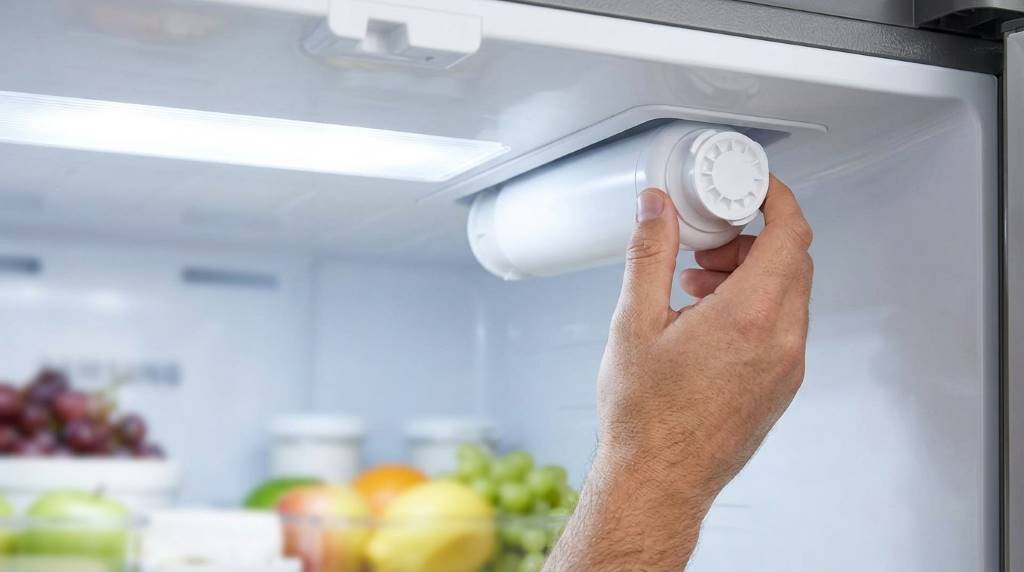
Changing a Samsung HAF QIN EXP water filter takes only a few minutes and requires no special tools. Simply remove the old filter, insert the new cartridge, and reset the filter indicator to restore clean water flow.
Most refrigerator manufacturers recommend replacing water filters every six months. In addition, studies show that regular filter replacement helps maintain better water quality and consistent appliance performance.
A properly maintained refrigerator delivers cleaner drinking water and better tasting ice. Therefore, understanding the correct replacement process helps protect your appliance and your household water quality.
If you need a replacement Samsung HAF QIN EXP refrigerator water filter, always confirm compatibility before installation. Doing so prevents leaks, poor filtration, and unnecessary maintenance issues.
Why Regular Filter Replacement Matters
Water filters gradually collect sediment, chlorine, and other contaminants. As a result, filtration efficiency decreases over time.
An old filter may restrict water flow and reduce ice production. Furthermore, neglected filters can affect taste and odor.
Routine replacement supports optimal refrigerator performance. Consequently, your appliance can continue delivering clean and refreshing water.
Signs Your Water Filter Needs Replacement
Many refrigerators provide a filter indicator light for convenience. However, additional warning signs often appear before performance drops significantly.
- Reduced water dispenser pressure
- Slow ice production
- Unpleasant taste or odor
- Cloudy drinking water
- Filter indicator light remains active
- More than six months since installation
Whenever these symptoms appear, replacing the filter promptly is recommended. This approach helps prevent further performance issues.
Tools and Materials You Need
Fortunately, the replacement process requires very little preparation. Most homeowners can complete the task without professional assistance.
- New Samsung HAF QIN EXP filter
- Dry cloth or towel
- Small container for water drips
Keeping these items nearby creates a smoother installation experience. Moreover, it helps reduce cleanup afterward.
Understanding the Filter Location
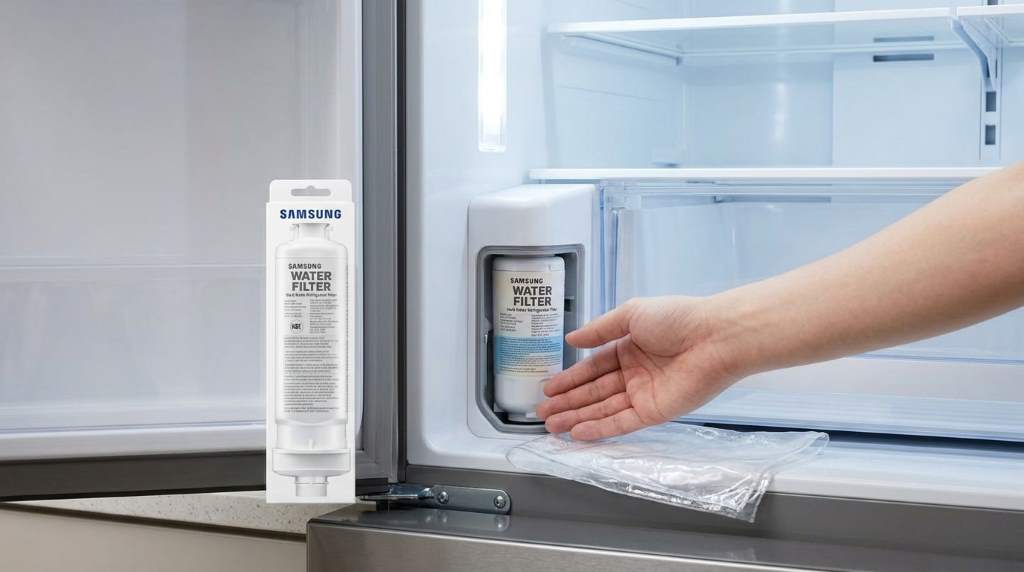
Most compatible Samsung refrigerators place the filter inside the refrigerator compartment. Typically, it sits in the upper right corner.
Before starting, open the refrigerator door completely. Then locate the cylindrical filter housing and inspect its position.
Consult your refrigerator manual if necessary. Nevertheless, most models use a very similar filter design.
How to Change a Samsung HAF QIN EXP Water Filter
Step 1: Prepare the Refrigerator
Place a towel beneath the filter area before removal. This simple step catches any remaining water droplets.
Next, ensure you have the replacement filter ready. Having everything prepared reduces installation time.
Step 2: Remove the Old Filter
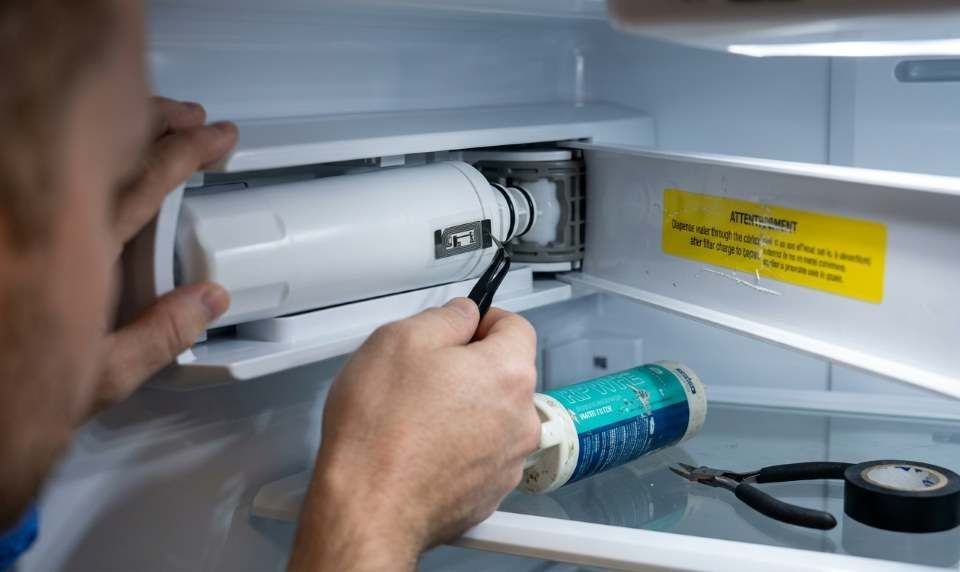
Turn the existing filter counterclockwise until it unlocks. Afterward, gently pull the cartridge straight outward.
A small amount of water may escape during removal. Therefore, keep the towel within reach.
Step 3: Inspect the Filter Housing
Check the housing area for debris or visible damage. Then wipe the surrounding surface with a clean cloth.
A clean installation area promotes a secure connection. Consequently, the risk of leaks becomes much lower.
Step 4: Insert the New Filter
Align the new filter with the housing slot carefully. Next, push it fully into position.
Turn the filter clockwise until it locks securely. Avoid forcing the cartridge beyond its stopping point.
Step 5: Flush the New Filter
Dispense several gallons of water after installation. This process removes trapped air and loose carbon particles.
Water may appear cloudy during initial flushing. However, clarity should improve quickly afterward.
Step 6: Reset the Filter Indicator
Locate the filter reset button on the control panel. Then press and hold it according to your model instructions.
The indicator light should return to normal status. As a result, future replacement reminders remain accurate.
Common Mistakes to Avoid
Many replacement problems occur because of simple oversights. Fortunately, they are easy to prevent.
- Installing the wrong filter model
- Skipping the flushing process
- Failing to reset the indicator light
- Overtightening the filter cartridge
- Ignoring visible housing damage
Avoiding these mistakes improves long term performance. Additionally, it helps extend appliance reliability.
Troubleshooting After Installation
Water Flow Remains Slow
First, confirm the filter is fully seated and locked. Then flush additional water through the system.
If the issue continues, inspect household water pressure. Occasionally, external plumbing conditions contribute to the problem.
Water Leaks Around the Filter
Remove the filter and reinstall it carefully. In many cases, incorrect alignment causes leakage.
Check for damaged seals before reinstalling. If damage exists, replace the cartridge immediately.
Filter Light Does Not Reset
Review the refrigerator control instructions carefully. Different models use slightly different reset procedures.
Holding the button longer often resolves the issue. Therefore, repeat the process before seeking service.
Maintenance Tips for Better Performance
Consistent maintenance improves filtration quality throughout the year. It also helps avoid unexpected performance declines.
- Replace filters every six months
- Keep refrigerator temperatures stable
- Clean dispenser areas regularly
- Monitor water pressure changes
- Use compatible replacement filters
These habits support cleaner water and better appliance efficiency. Consequently, your refrigerator operates more reliably.
When to Replace the Filter Earlier
Some households require more frequent filter replacements. Higher water usage often accelerates filter saturation.
Large families typically dispense more water each day. Likewise, heavy ice production increases filter workload.
If taste or flow changes appear early, replace the filter sooner. Doing so maintains consistent filtration performance.
Conclusion
Learning how to change a Samsung HAF QIN EXP water filter is a simple yet valuable maintenance skill. With proper installation, regular flushing, and timely replacement, your refrigerator can continue delivering cleaner water and dependable performance.
Check your current filter status today and replace it if needed. A few minutes of maintenance can make a noticeable difference in water quality.
FAQs
How often should I replace a Samsung HAF QIN EXP water filter?
Most households should replace the filter every six months.
Do I need tools to change the filter?
No, the replacement process usually requires no special tools.
Why is my water cloudy after installing a new filter?
Trapped air and carbon particles typically cause temporary cloudiness.
Can I use the refrigerator without a filter?
Many models can operate without one, but filtration benefits are lost.
How much water should I flush after installation?
Flush several gallons of water to remove air and loose particles.