How to Choose the Best Coffee Maker for Great-Tasting Coffee at Home

How to Choose the Right Barbeque Grill for Perfect Grilling Results
April 20, 2026
How to Choose the Best Blenders for Kitchen Use and Daily Cooking
April 20, 2026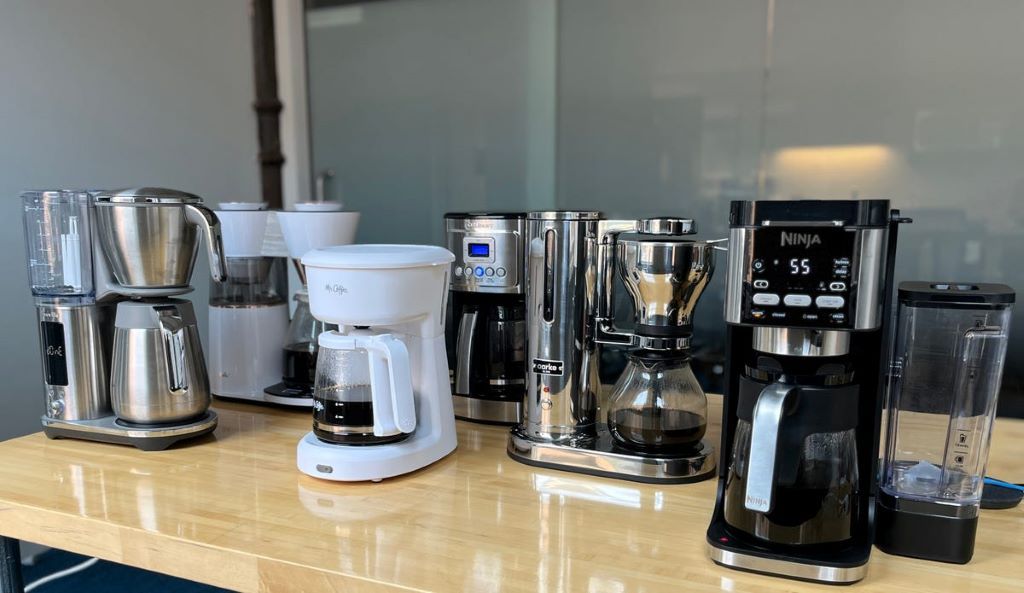
Few things compare to the aroma of freshly brewed coffee filling your kitchen in the morning. For coffee lovers, the right coffee maker can turn a daily ritual into a moment of pure enjoyment. However, with so many options available, choosing the best coffee maker for your needs can feel overwhelming. The right machine can make all the difference in flavor, convenience, and consistency.
I remember my first coffee maker—a basic drip model that produced weak, lukewarm coffee. After upgrading to a high-quality machine designed for rich, flavorful brews, my mornings transformed. If you’re ready to elevate your home coffee experience, exploring the best Coffee Maker options is a great place to start.
Why the Right Coffee Maker Matters
A coffee maker is more than just an appliance—it’s the key to unlocking the full potential of your coffee beans. The right machine ensures optimal extraction, temperature control, and brewing consistency, all of which contribute to a richer, more flavorful cup. According to the National Coffee Association, over 60% of Americans drink coffee daily, making it essential to invest in a machine that delivers great-tasting results.
Poor-quality coffee makers often fail to reach the ideal brewing temperature (between 195°F and 205°F), leading to under-extracted or bitter coffee. High-quality machines, on the other hand, are designed to maximize flavor, aroma, and freshness. Whether you prefer a bold espresso, a smooth pour-over, or a classic drip brew, the right coffee maker can make every cup taste like it was made by a barista.
Types of Coffee Makers
1. Drip Coffee Makers
Drip coffee makers are the most common type, known for their simplicity and convenience. They work by pouring hot water over ground coffee in a filter, allowing the brewed coffee to drip into a carafe. Drip machines are ideal for those who want a quick, no-fuss way to brew coffee for multiple people.
Pros:
- Easy to use and maintain
- Brews large quantities at once
- Affordable and widely available
Cons:
- Can produce inconsistent temperatures, affecting flavor
- Some models lack advanced features for optimal extraction
2. Single-Serve Coffee Makers
Single-serve coffee makers, like pod-based systems, brew one cup at a time. They are perfect for households with varying coffee preferences or for those who want a quick, mess-free option. Single-serve machines are also compact, making them ideal for small kitchens or offices.
Pros:
- Convenient and fast for individual servings
- Minimal cleanup and waste
- Compact and space-saving
Cons:
- Pods can be expensive and less eco-friendly
- Limited to pre-packaged coffee options
3. Espresso Machines
Espresso machines use high pressure to force hot water through finely-ground coffee, producing a concentrated, rich shot of espresso. They are ideal for coffee enthusiasts who enjoy espresso-based drinks like lattes, cappuccinos, and Americanos. Espresso machines come in manual, semi-automatic, and fully automatic models.
Pros:
- Produces high-quality, barista-style espresso
- Versatile for making a variety of coffee drinks
- Offers precise control over brewing variables
Cons:
- Requires more skill and practice to use effectively
- Typically more expensive than other coffee makers
- Needs regular maintenance and cleaning
4. French Press Coffee Makers
French press coffee makers use a simple immersion brewing method, where coarse coffee grounds steep in hot water before being separated by a metal plunger. This method produces a full-bodied, rich coffee with more oils and flavors preserved. French presses are favored by coffee purists for their simplicity and control.
Pros:
- Produces rich, full-flavored coffee
- No paper filters needed, reducing waste
- Portable and easy to use anywhere
Cons:
- Requires manual effort and attention
- Can produce sediment in the coffee
- Not ideal for brewing large quantities
5. Pour-Over Coffee Makers
Pour-over coffee makers, such as the Chemex or Hario V60, involve manually pouring hot water over coffee grounds in a filter. This method allows for precise control over water temperature, flow rate, and extraction time, resulting in a clean, flavorful cup of coffee. Pour-over brewing is popular among coffee enthusiasts who enjoy the ritual and customization it offers.
Pros:
- Offers precise control over brewing variables
- Produces a clean, bright, and flavorful cup
- Lightweight and portable
Cons:
- Requires more time and attention than automatic machines
- Not suitable for brewing large quantities at once
6. Cold Brew Coffee Makers
Cold brew coffee makers use a slow, cold-water extraction process to produce a smooth, low-acid coffee concentrate. This method is ideal for those who prefer a less acidic, easier-on-the-stomach coffee. Cold brew makers are simple to use and can be left to brew overnight for a ready-to-drink coffee in the morning.
Pros:
- Produces a smooth, low-acid coffee
- Easy to use and requires minimal effort
- Coffee concentrate can be stored for up to two weeks
Cons:
- Brewing process takes 12-24 hours
- Limited to cold brew coffee only
7. Combination Coffee and Espresso Machines
Combination coffee and espresso machines offer the versatility of brewing both drip coffee and espresso. These machines are ideal for households with varied coffee preferences or for those who enjoy both styles of coffee. They often include advanced features like programmable settings and milk frothers for added convenience.
Pros:
- Versatile for brewing both coffee and espresso
- Often includes advanced features for customization
- Suitable for households with diverse coffee preferences
Cons:
- Typically more expensive than single-function machines
- Can be complex to operate and maintain
Key Features to Consider
Brewing Method
The brewing method of your coffee maker affects the flavor, strength, and texture of your coffee. Drip machines are great for convenience, while pour-over and French press methods offer more control and richer flavors. Espresso machines provide concentrated, intense coffee, and cold brew makers produce smooth, low-acid coffee. Consider your preferred coffee style and choose a brewing method that matches your taste and lifestyle.
Temperature Control
Temperature control is crucial for optimal coffee extraction. The ideal brewing temperature is between 195°F and 205°F. Look for coffee makers with precise temperature control to ensure your coffee is neither under-extracted (weak and sour) nor over-extracted (bitter and harsh). Some advanced machines include PID controllers for accurate temperature regulation.
Brew Strength Settings
Many coffee makers offer adjustable brew strength settings, allowing you to customize the intensity of your coffee. This feature is especially useful for households with varying taste preferences. Look for machines that offer options for mild, medium, and strong brews to cater to everyone’s preferences.
Water Filtration
The quality of water used in brewing significantly impacts the taste of your coffee. Some coffee makers include built-in water filters to remove impurities and improve flavor. If your machine doesn’t have a filter, consider using filtered water to avoid off-tastes caused by chlorine or minerals.
Grind Size Compatibility
The grind size of your coffee beans affects extraction and flavor. Different brewing methods require different grind sizes—fine for espresso, medium for drip coffee, and coarse for French press or cold brew. Choose a coffee maker that is compatible with the grind size you prefer, or invest in a quality grinder to match your brewing method.
Ease of Use and Cleaning
A user-friendly coffee maker simplifies your morning routine. Look for machines with intuitive controls, easy-to-read displays, and removable parts for hassle-free cleaning. Dishwasher-safe components and self-cleaning cycles can also save time and effort.
Carafe Material
The material of your coffee maker’s carafe affects heat retention and durability. Glass carafes are classic and allow you to see the coffee level, but they can break and don’t retain heat as well as insulated options. Stainless steel or thermal carafes keep coffee hot for longer and are more durable. Choose a carafe material that matches your needs for heat retention and convenience.
Programmable Features
Programmable coffee makers allow you to set a brewing schedule, so your coffee is ready when you wake up. Look for machines with customizable settings for brew time, strength, and temperature. Some models even include smart features like Wi-Fi connectivity for remote control via your smartphone.
Milk Frother and Steamer
If you enjoy espresso-based drinks like lattes or cappuccinos, consider a coffee maker with a built-in milk frother or steamer. This feature allows you to create barista-quality drinks at home without the need for additional equipment. Look for machines with adjustable frothing settings to customize the texture of your milk foam.
Durability and Build Quality
A well-built coffee maker lasts longer and performs better. Look for machines made from high-quality materials like stainless steel, with sturdy construction and reliable components. Avoid models with flimsy plastic parts or poor reviews regarding durability.
How to Choose the Right Coffee Maker for Your Needs
Assess Your Coffee Preferences
Consider the types of coffee you enjoy drinking most often. If you prefer bold, rich espresso, an espresso machine or combination model is ideal. For smooth, low-acid coffee, a cold brew maker is a great choice. If you enjoy the ritual of manual brewing, a pour-over or French press might be perfect. Match your coffee maker to your favorite brewing method and flavor profile.
Consider Your Household Size
The number of people in your household and their coffee preferences should guide your choice of coffee maker. For large families or offices, a drip coffee maker with a large carafe is practical. For individuals or couples, a single-serve or pour-over model may be more suitable. Choose a machine that can brew the right quantity for your needs without wasting coffee.
Evaluate Your Budget
Coffee makers are available at a wide range of price points. Determine your budget and look for the best features within that range. While high-end machines offer advanced features and premium materials, there are also many affordable options that deliver great-tasting coffee. Balance cost with quality to ensure you get the best value for your investment.
Test for Ease of Use
Whenever possible, test different coffee makers to assess their ease of use. Look for machines with intuitive controls, clear displays, and simple maintenance routines. If you’re buying online, read user reviews and expert ratings to gauge the performance and quality of the machine. Pay attention to features like programmable settings and self-cleaning cycles, which can simplify your daily routine.
Prioritize Quality and Durability
Investing in a high-quality coffee maker ensures better performance, durability, and longevity. Look for machines made from strong, durable materials with reliable components and positive user reviews. While quality coffee makers may come with a higher price tag, they often last longer and produce better-tasting coffee, making them a worthwhile investment.
Consider Eco-Friendly Options
If sustainability is important to you, look for coffee makers with eco-friendly features. Reusable filters, energy-efficient designs, and machines made from recycled materials can reduce your environmental impact. Some single-serve models also offer refillable pods to minimize waste.
Common Mistakes to Avoid
- Choosing Based on Looks Alone: While aesthetics matter, prioritize performance features like brewing method, temperature control, and durability.
- Ignoring Brew Temperature: Coffee makers that don’t reach the ideal brewing temperature (195°F–205°F) can produce weak or bitter coffee. Always check temperature specifications.
- Skipping the Grind Size Match: Using the wrong grind size for your brewing method can lead to over-extraction or under-extraction. Match your grind size to your coffee maker.
- Overlooking Maintenance: Regular cleaning and descaling are essential for keeping your coffee maker in top condition. Choose a machine with easy-to-clean components.
- Not Considering Household Needs: A coffee maker that doesn’t match your household size or coffee preferences can lead to wasted coffee or dissatisfaction. Choose a model that fits your lifestyle.
FAQs
What is the best coffee maker for beginners?
For beginners, a programmable drip coffee maker is often the best choice. These machines are easy to use, offer consistent results, and typically include features like automatic brewing and strength settings. Look for models with clear instructions and simple maintenance routines.
Can I use a French press for espresso?
No, a French press is not designed for espresso. It produces a full-bodied, rich coffee but lacks the high pressure needed to create espresso. For espresso, you’ll need an espresso machine or a stovetop moka pot, which brews a concentrated coffee similar to espresso.
How often should I clean my coffee maker?
You should clean your coffee maker after every use by rinsing the carafe and removing used grounds. Perform a deeper clean, including descaling, every 1–3 months, depending on usage and water hardness. Regular cleaning prevents buildup and ensures great-tasting coffee.
What is the ideal water temperature for brewing coffee?
The ideal water temperature for brewing coffee is between 195°F and 205°F. Water that is too hot can over-extract the coffee, making it bitter, while water that is too cool can under-extract, resulting in weak, sour coffee.
Are single-serve coffee makers worth the investment?
Single-serve coffee makers are worth the investment if you value convenience, speed, and the ability to brew individual cups with minimal waste. However, they can be more expensive per cup due to the cost of pods. Consider refillable pods or models compatible with ground coffee to reduce costs.
Conclusion
Choosing the best coffee maker for your home is essential for achieving great-tasting coffee every time. By considering factors like brewing method, temperature control, and your household’s needs, you can find a machine that matches your preferences and lifestyle. Investing in a quality coffee maker ensures you start every day with a delicious, satisfying cup of coffee.
Take the time to research, test, and choose a coffee maker that will help you enjoy the perfect brew at home. Whether you prefer a bold espresso, a smooth pour-over, or a classic drip coffee, the right machine makes all the difference.
Have you found a coffee maker that transformed your morning routine? Share your favorite models or tips in the comments below! And if you found this guide helpful, don’t forget to share it with your fellow coffee lovers.