How to Slow Cook Beef for Deep Flavor Infusion

Meat Thermometer Comparison Guide 2026: Instant, Probe, Infrared & Smart Models
January 24, 2026How zinc coating provides corrosion resistance
January 28, 2026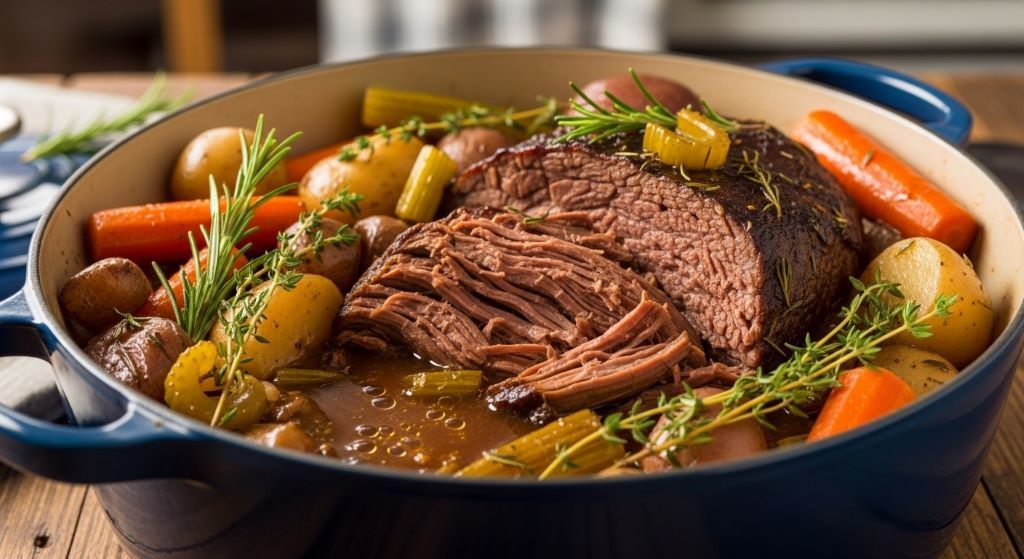
Slow cooking beef transforms tough cuts into tender, flavorful masterpieces. This cooking method allows flavors to develop gradually, creating dishes that taste rich and complex. Whether you’re a beginner or experienced cook, mastering slow-cooked beef opens up a world of delicious possibilities.
Understanding the Science Behind Slow Cooking
Slow cooking works by breaking down tough connective tissues in beef over time. These tissues contain collagen, which converts into gelatin when heated slowly. Therefore, the meat becomes incredibly tender and absorbs surrounding flavors deeply.
The low temperature, typically between 170 and 280 degrees Fahrenheit, prevents the meat from drying out. Additionally, this gentle heat allows spices and aromatics to penetrate the beef thoroughly. The result is meat that practically melts in your mouth with every bite.
Choosing the Right Beef Cuts
Selecting appropriate beef cuts makes all the difference in slow cooking. Tougher cuts with more connective tissue work best because they need extended cooking times to become tender.
Chuck roast stands out as an excellent choice for slow cooking. This shoulder cut contains enough marbling to stay moist during long cooking periods. Similarly, brisket offers wonderful results when cooked slowly, developing a rich flavor profile.
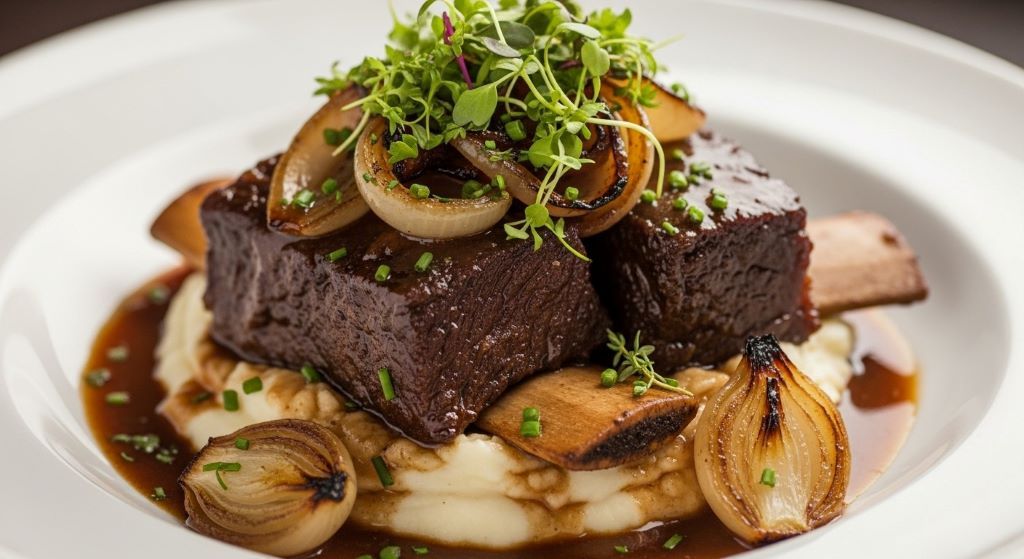
Short ribs provide another fantastic option for deep flavor infusion. Their high fat content ensures the meat stays juicy throughout cooking. Bottom round and rump roast also work well, though they contain less fat than chuck or short ribs.
Avoid lean cuts like sirloin or tenderloin for slow cooking. These cuts dry out quickly under prolonged heat because they lack sufficient fat and connective tissue.
Essential Equipment for Slow Cooking Beef
You have several equipment options for slow cooking beef. Each method offers unique advantages depending on your preferences and schedule.
A slow cooker provides the most convenient option for busy cooks. Simply add ingredients in the morning, set the temperature, and return home to a ready meal. These appliances maintain consistent low temperatures automatically.
Dutch ovens deliver exceptional results for slow cooking in the oven. Their thick walls distribute heat evenly, preventing hot spots that could dry out the meat. Furthermore, you can start cooking on the stovetop before transferring to the oven.
Pressure cookers offer a faster alternative while still achieving tender results. Modern electric pressure cookers combine convenience with versatility, allowing both pressure cooking and slow cooking functions.
Preparing Beef for Maximum Flavor Absorption
Proper preparation ensures your beef absorbs flavors effectively during slow cooking. Start by patting the meat dry with paper towels. Moisture on the surface prevents proper browning, which adds crucial flavor.
Season the beef generously with salt and pepper at least 30 minutes before cooking. This allows the seasoning to penetrate the meat’s surface. Moreover, the salt helps break down proteins, enhancing tenderness.
Searing the beef before slow cooking creates a flavorful crust through the Maillard reaction. Heat oil in a heavy pan until shimmering, then brown each side of the meat for 3-4 minutes. However, skip this step if you’re pressed for time, as it’s not absolutely necessary.
Consider marinating tougher cuts overnight for even deeper flavor penetration. Acidic ingredients like vinegar or wine help tenderize the meat while adding complementary flavors.
Building Layers of Flavor
Creating depth in slow-cooked beef requires thoughtful layering of ingredients. Start with aromatic vegetables like onions, carrots, and celery as a base. These vegetables release flavors gradually, enriching the cooking liquid.
Add herbs and spices strategically for complex taste profiles. Whole spices like peppercorns and bay leaves work better than ground versions in slow cooking. They release flavors steadily without becoming bitter over time.
Liquids play a crucial role in flavor infusion. Beef broth provides a savory foundation, while wine adds acidity and depth. According to Serious Eats, braising liquids should come about one-third to halfway up the meat for optimal results.
Tomato paste, soy sauce, or Worcestershire sauce add umami richness to slow-cooked beef. Just a tablespoon or two significantly enhances the overall flavor without overwhelming other ingredients.
Optimal Cooking Times and Temperatures
Timing varies depending on your cooking method and beef cut size. Generally, larger cuts require longer cooking times to become fork-tender.
For slow cookers, cook beef on low for 8-10 hours or on high for 4-6 hours. The low setting produces more tender results because it gives collagen more time to break down completely.
When using a Dutch oven in the oven, maintain temperatures between 275 and 325 degrees Fahrenheit. Cook for approximately 3-4 hours, checking periodically for tenderness. The meat should easily pull apart with a fork when ready.
Pressure cookers dramatically reduce cooking time while achieving similar results. Most beef cuts become tender in 60-90 minutes under high pressure. However, use natural pressure release to prevent the meat from toughening.
Enhancing Flavor During the Cooking Process
You can boost flavor even while the beef cooks slowly. Adding ingredients at different stages creates more complex taste profiles.
Resist the urge to lift the lid frequently when using a slow cooker. Each time you do, you release heat and extend cooking time by 15-20 minutes. Therefore, only open when necessary to add ingredients or check doneness.
Add delicate herbs like parsley or cilantro during the final 30 minutes of cooking. These fresh flavors would dissipate if added too early. Similarly, stir in cream or coconut milk near the end to prevent curdling.
Deglaze the cooking vessel with wine or broth to capture flavorful browned bits. This technique, recommended by The Kitchn, adds richness to your final dish.
Resting and Serving Your Slow-Cooked Beef
Allow the beef to rest for 10-15 minutes after cooking before slicing or shredding. This resting period lets juices redistribute throughout the meat, ensuring every bite stays moist.
Skim excess fat from the cooking liquid before serving. You can use this flavorful liquid as a sauce or gravy. Alternatively, reduce it on the stovetop to concentrate flavors further.
Slice beef against the grain for maximum tenderness. This cuts through muscle fibers, making each piece easier to chew. For pulled beef dishes, use two forks to shred the meat along its natural grain.
Garnish with fresh herbs to add brightness and visual appeal. The contrast between rich, slow-cooked beef and fresh herbs creates a balanced eating experience.
Common Mistakes to Avoid
Several common errors can prevent achieving optimal flavor infusion in slow-cooked beef. Using too much liquid dilutes flavors rather than concentrating them. Add just enough to keep the meat moist without submerging it completely.
Cooking at too high a temperature causes meat to toughen instead of becoming tender. Patience pays off with slow cooking, so resist increasing the heat to speed up the process.
Cutting vegetables too small leads to mushy results. Keep vegetable pieces relatively large since they’ll cook for hours. Additionally, this prevents them from disintegrating into the sauce.
Not seasoning adequately results in bland dishes despite long cooking times. Remember that flavors mellow during slow cooking, so season more boldly than you might for quick-cooking methods.
Conclusion
Slow cooking beef for deep flavor infusion requires patience, proper technique, and quality ingredients. By choosing the right cuts, preparing them thoughtfully, and layering flavors strategically, you can create restaurant-quality dishes at home. Remember to maintain low temperatures, resist the urge to rush, and allow adequate resting time before serving. With these principles in mind, your slow-cooked beef will deliver the tender texture and complex flavors that make this cooking method so rewarding.
Frequently Asked Questions
What is the best cut of beef for slow cooking?
Chuck roast is widely considered the best cut for slow cooking due to its ideal balance of fat, connective tissue, and flavor. Short ribs and brisket also produce excellent results with deep, rich flavors.
Can I slow cook beef without searing it first?
Yes, you can slow cook beef without searing, though you’ll miss some flavor depth. Searing creates a caramelized crust that adds complexity, but the beef will still become tender without this step.
How much liquid should I add when slow cooking beef?
Add enough liquid to come one-third to halfway up the meat. Too much liquid dilutes flavors, while too little may cause burning or drying out during the extended cooking time.
Why is my slow-cooked beef tough instead of tender?
Your beef may be tough because it hasn’t cooked long enough or the temperature was too high. Slow cooking requires adequate time for collagen to break down into gelatin, typically 8-10 hours on low heat.
Can I cook frozen beef in a slow cooker?
While possible, it’s not recommended to cook frozen beef in a slow cooker. The meat spends too long in the temperature danger zone, increasing food safety risks. Always thaw beef completely before slow cooking.
Related Topics:
How to Master Slow Cooking with Instant Pot
Instant Pot Pro 8QT Multi-Cooker Review: Pressure, Slow Cook And More