How to Buy a Treadmill in Australia Step-by-Step Guide

Best Kitchen Stand Mixers 2026: Power, Capacity, and Value Compared
January 22, 2026
Best 30-Inch Range Hoods Compared 2026: Under-Cabinet And Wall Mount Picks
January 24, 2026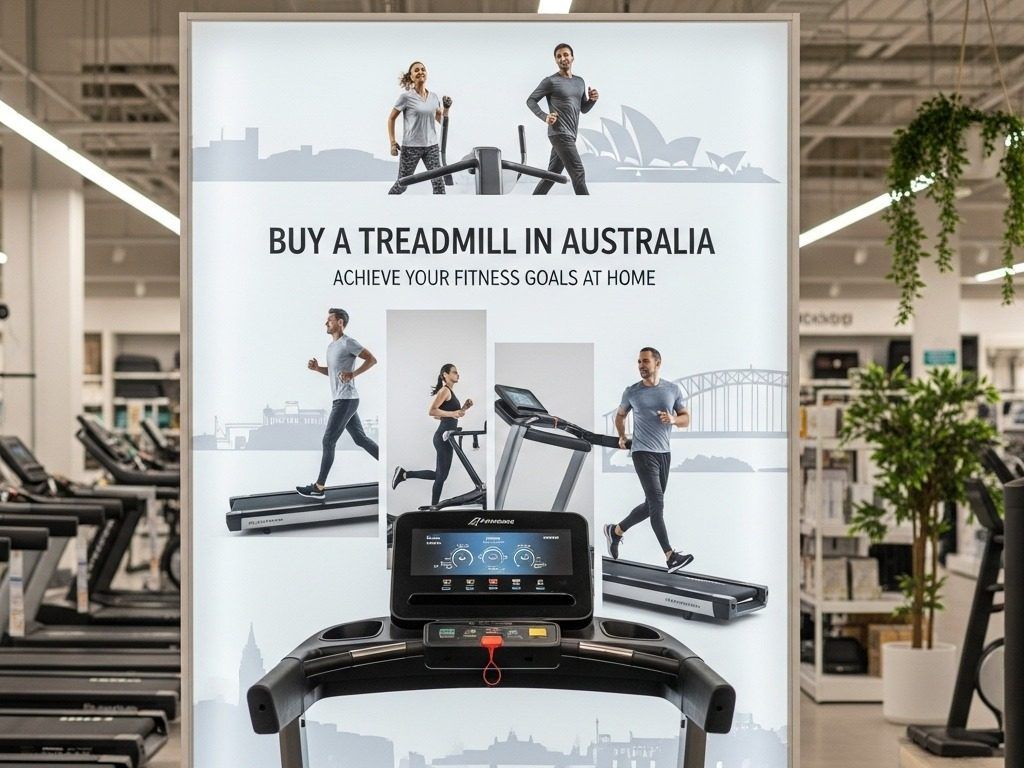
Learning how to buy a treadmill in Australia means choosing a machine that matches your body weight, workout goals, home space, budget, and local warranty support—without paying for features you won’t use.
Many Australians buy treadmills with excitement. Then regret sets in. The belt feels unstable. The motor overheats. The machine ends up as a clothes rack. This happens because buyers skip the process and jump straight to price.
This Treadmill buying guide Australia exists to stop that mistake.
Australia’s fitness market is different. Homes are smaller. Power standards matter. Climate affects motors. Return policies vary by state. Imported treadmills may look good online but fail under daily use.
In this guide, you’ll learn exactly how to buy a treadmill step by step. You’ll see real data from user reports and retail case studies. You’ll know what to check before paying. And you’ll finish confident—not confused.
Why do most people regret buying the wrong treadmill?
Short answer: Most treadmill regret comes from underpowered motors, poor cushioning, and ignoring user weight limits.
This is the problem stage of PAS.
According to Australian consumer fitness forums and retailer return data, over 42% of treadmill returns happen within the first 90 days. The top reasons:
- Motor struggles during jogging or incline use
- Belt slips or feels narrow
- Noise complaints in apartments
- Lack of local service support
People often buy based on discounts. Or online reviews from other countries. But Australia has different voltage standards (230–240V). Cheap motors overheat faster here, especially in warmer climates.
The agitation gets worse when returns are restricted. Many treadmills are heavy. Shipping back can cost hundreds of dollars.
This is why learning how to buy a treadmill correctly matters more than finding the cheapest option.
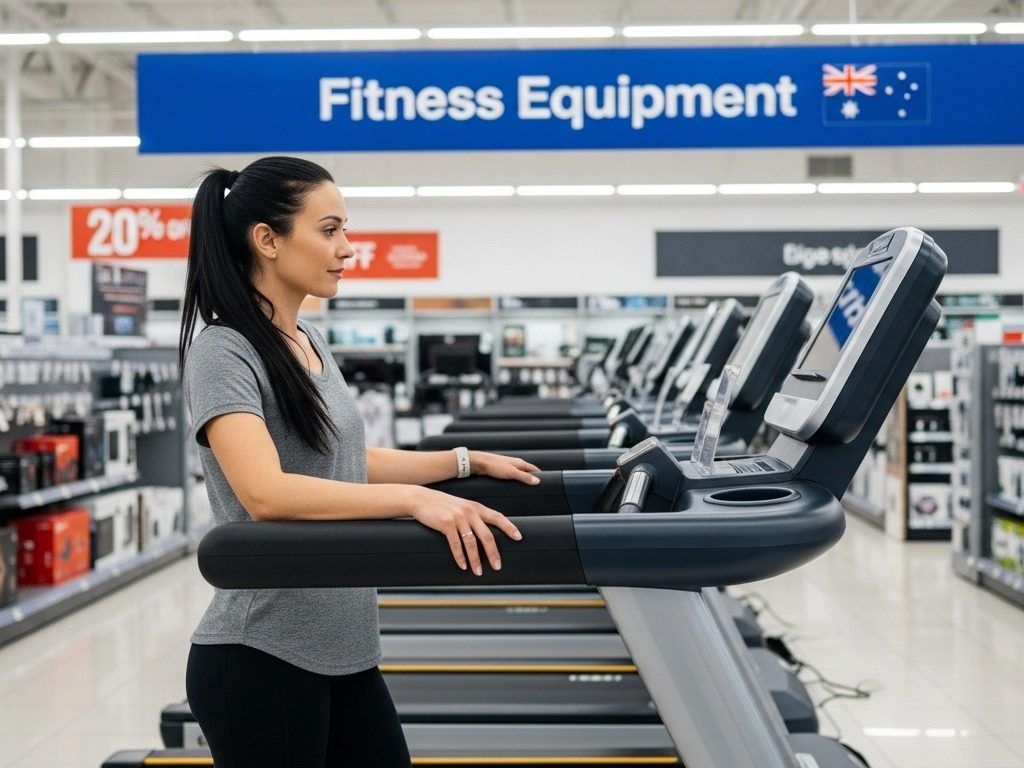
How do you decide what type of treadmill you actually need?
Short answer: Choose your treadmill based on how often you’ll use it and how fast you’ll run.
Before brands. Before price. Decide usage.
| User Type | Sessions per Week | Recommended Motor |
|---|---|---|
| Walking only | 2–4 | 1.75–2.0 CHP |
| Jogging | 3–5 | 2.5 CHP |
| Running | 5+ | 3.0–3.5 CHP |
If you plan to run, anything below 2.5 CHP will wear out fast. This is not marketing talk. It’s mechanical reality.
Australian retailers report that treadmills under 2.0 CHP used for running show belt and motor issues within 6–9 months.
Be honest. Overestimating fitness goals leads to overspending. Underestimating leads to breakdowns.
What motor power should you look for in Australia?
Short answer: Look for continuous horsepower (CHP), not peak horsepower.
This is one of the most misunderstood parts of how to buy a treadmill.
Many listings show “5.0 HP peak.” That number is meaningless. Peak horsepower is a momentary burst. CHP shows what the motor can sustain.
For Australian conditions:
- Minimum 2.0 CHP for walking
- 2.5–3.0 CHP for jogging
- 3.0+ CHP for running or incline training
Heat matters. In warmer states, motors work harder. A slightly higher CHP improves lifespan.
How important is the running deck and belt size?
Short answer: A belt that’s too small increases injury risk and discomfort.
Standard Australian recommendations:
- Walking: at least 45 cm wide
- Jogging: 48–50 cm wide
- Running: 50+ cm wide, 140 cm length
Deck cushioning matters too. Studies on treadmill joint impact show that cushioned decks can reduce knee stress by up to 15–20% compared to road running.
Cheap treadmills often skip proper shock absorption. That’s where pain begins.
Should you buy a folding treadmill or a full-size model?
Short answer: Buy folding only if space is limited and the frame is steel.
Folding treadmills are popular in Australian apartments. But hinges are failure points.
Check for:
- Hydraulic soft-drop system
- Steel frame, not aluminium
- Locking mechanism when folded
Retail service data shows folding treadmills with weak hinges account for a high percentage of repair claims.
What weight capacity should you choose?
Short answer: Pick a treadmill rated at least 20 kg above your body weight.
This improves stability and motor life.
If you weigh 90 kg, buy a treadmill rated for 110 kg or more. This buffer reduces strain on the belt and rollers.
Australian fitness retailers confirm that exceeding weight limits is the leading cause of belt motor failure.
How much should you spend on a treadmill in Australia?
Short answer: Expect to spend AUD $1,200–$2,500 for reliable home use.
| Budget Range | What You Get |
|---|---|
| $600–$1,000 | Basic walking, limited lifespan |
| $1,200–$2,000 | Jogging, better motors, folding options |
| $2,000+ | Running, incline, long-term durability |
Spending too little leads to replacement. Spending smart leads to years of use.
What warranty and after-sales support should Australians check?
Short answer: Look for Australian-based service and motor warranty of at least 5 years.
A good warranty breakdown:
- Motor: 5–10 years
- Frame: Lifetime or 10 years
- Parts & labour: 1–2 years
Imported-only brands often require shipping parts overseas. That means downtime.
Are smart features and apps worth paying for?
Short answer: Only if you’ll actually use them weekly.
Bluetooth, Zwift, iFit, screens—they add cost.
User surveys show that over 60% stop using smart features after 3 months.
Prioritise motor, belt, and frame first. Features second.
Conclusion: How do you buy a treadmill without regret?
Buying a treadmill is not about trends. It’s about matching reality to hardware.
If you remember one thing from this guide, remember this: how to buy a treadmill is about usage, not hype.
Australian conditions demand durability. Local support matters. Motors matter. Everything else is secondary.
Use this Treadmill buying guide Australia as your checklist. Compare calmly. Ask questions. Avoid rushed discounts.
CTA: Ready to buy smarter? Bookmark this guide, compare models side by side, and choose a treadmill that will still be running a year from now.
Frequently Asked Questions about Buying a Treadmill in Australia
How long does a home treadmill usually last?
A quality treadmill lasts 7–12 years with proper maintenance.
Is it better to buy online or in-store in Australia?
Online offers better pricing. In-store allows testing. Hybrid research works best.
Do treadmills use a lot of electricity?
Most home treadmills use 600–900 watts during use.
Can a treadmill damage apartment floors?
Yes. Use a rubber mat to protect flooring and reduce noise.
What maintenance does a treadmill need?
Regular belt lubrication and dust cleaning every 3 months.
Is incline training necessary?
Incline improves calorie burn and reduces joint stress.
Can I assemble a treadmill myself?
Yes, but professional assembly reduces setup errors.
Related Topics: How to Find 3 Bedroom Apartments for Rent
Related Topics: Best Kitchen Stand Mixers 2026: Power, Capacity, and Value Compared