How Long Should You Preheat Your Grill Before Cooking?

How to Clean Countertop Ice Maker: The Ultimate Guide for a Spotless Machine
March 23, 2025
Mastering the Embers: The Definitive Guide to Starting a Charcoal Grill Like a Pro
March 25, 2025
The sizzle of a steak hitting hot grates, the smoky aroma wafting through the air – grilling is an art and a science. But before you throw on your culinary masterpiece, a crucial step stands between you and grilling glory: preheating. It’s not just about getting the grill hot; it’s about achieving the perfect temperature for optimal cooking, flavor, and safety. So, how long should you preheat your grill before cooking , and what factors influence this critical timeframe? Let’s dive into the fiery details.
The Importance of Preheating: Beyond the Obvious
Preheating isn’t merely about reaching a desired temperature; it’s about ensuring even heat distribution across the grates. This uniformity is vital for consistent cooking, preventing some parts of your food from burning while others remain undercooked. A properly preheated grill also helps sear food effectively, locking in juices and creating that coveted Maillard reaction – the chemical process responsible for the delicious browning and complex flavors we associate with grilled food.
Furthermore, a hot grill helps prevent food from sticking to the grates. When the grates are sufficiently heated, the surface becomes less porous, creating a barrier that minimizes contact and sticking. This is especially crucial for delicate foods like fish or vegetables. Preheating also helps burn off any residual food particles or grease from previous grilling sessions, reducing the risk of flare-ups and ensuring a cleaner cooking surface.
Factors Influencing Preheating Time: A Multifaceted Approach
The ideal preheating time isn’t a one-size-fits-all answer. Several factors influence how long your grill needs to reach the optimal temperature:
- Type of Grill:
- Gas Grills: These grills generally heat up faster due to their direct flame. A medium-sized gas grill can reach 400-450°F (200-230°C) in about 10-15 minutes.
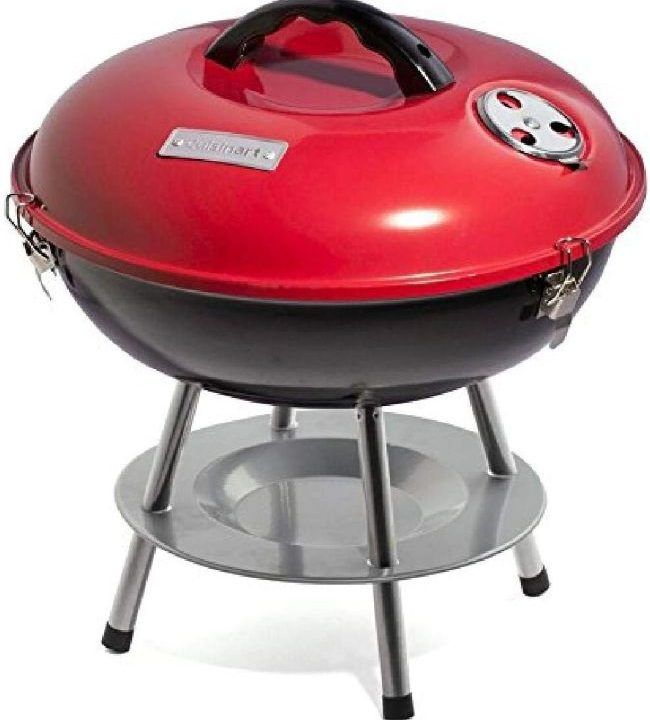
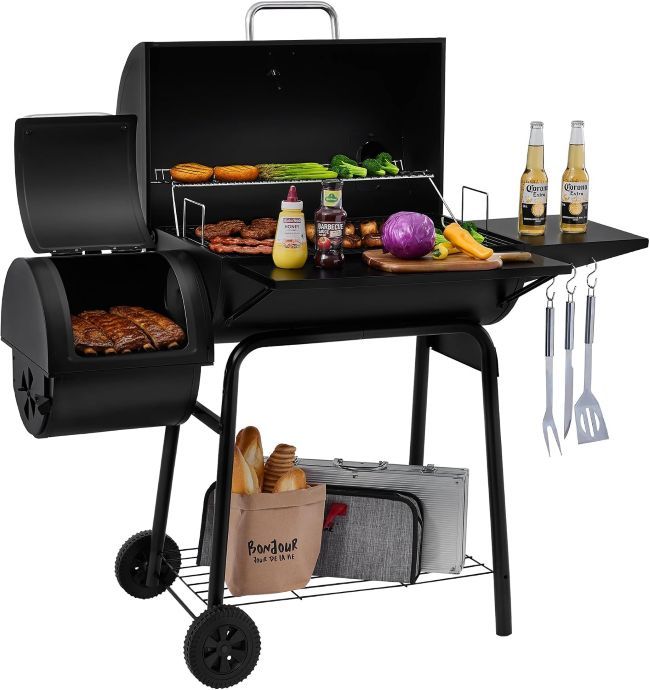
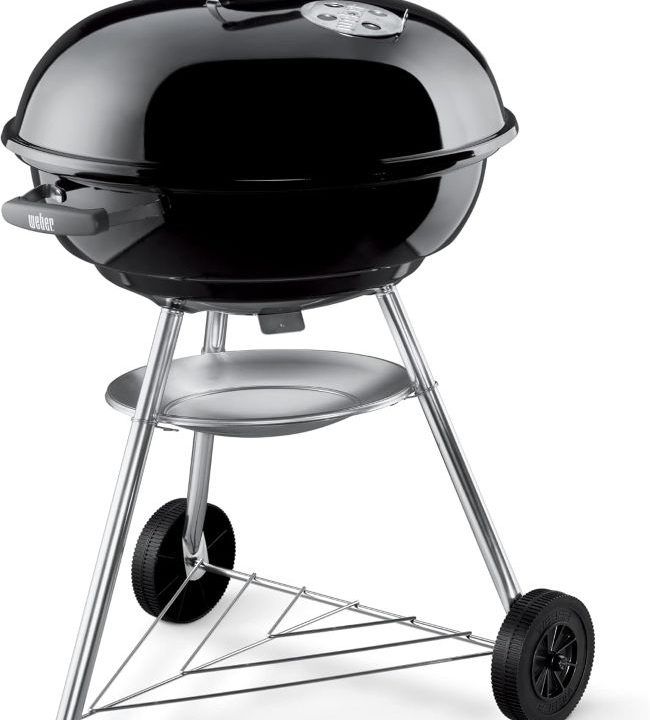
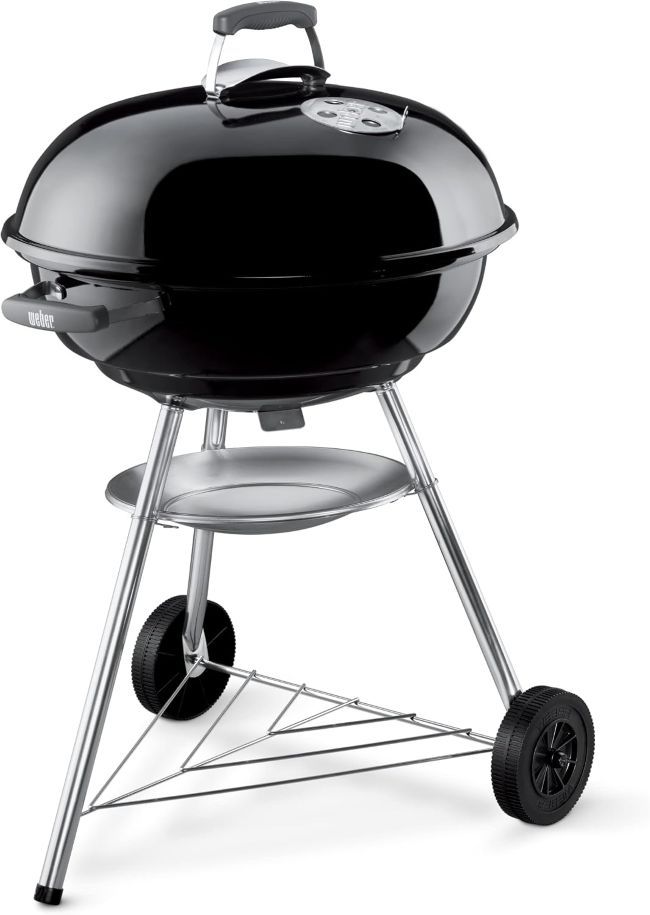
- Charcoal Grills: Charcoal grills require more time and attention. Lighting the charcoal, allowing it to reach optimal heat, and distributing it evenly can take 20-30 minutes or even longer, depending on the amount of charcoal used and the ambient temperature.
- Pellet Grills: These grills use wood pellets and require a similar time frame to gas grills, roughly 10-15 minutes, to reach the desired temperature.
- Electric Grills: Electric grills typically preheat quickly, often reaching cooking temperature within 5-10 minutes.
- Ambient Temperature: On colder days, your grill will take longer to heat up. The surrounding air temperature affects the grill’s ability to retain heat, requiring a longer preheating period. Conversely, in hot weather, the grill will heat up more rapidly.
- Desired Cooking Temperature: Different foods require different grilling temperatures. Steaks need a high heat sear, while delicate fish or vegetables benefit from medium heat. Adjusting the preheating time based on the desired cooking temperature is essential.
- High Heat (450-500°F/230-260°C): Ideal for searing steaks, burgers, and other thick cuts of meat.
- Medium Heat (350-450°F/175-230°C): Suitable for chicken, pork, and most vegetables.
- Low Heat (250-350°F/120-175°C): Best for slow cooking, smoking, and delicate foods.
- Wind Conditions: Wind can significantly affect the grill’s temperature, especially for charcoal grills. Strong winds can dissipate heat, requiring a longer preheating time.
- Grill Size and Construction: Larger grills or those with thicker construction materials may require more time to heat up evenly.
Determining the Ideal Preheating Time: Practical Tips

While general guidelines exist, the best way to determine if your grill is ready is to use a combination of visual cues and a reliable grill thermometer.
- Visual Cues:
- Gas Grills: Look for a consistent flame across the burners. The grates should appear hot and slightly shimmering.
- Charcoal Grills: The coals should be glowing red with a light ash coating. You should be able to hold your hand a few inches above the grates for only a few seconds before feeling intense heat.
- Grill Thermometer: A reliable grill thermometer is essential for accurate temperature readings. Place it on the grates in the center of the grilling surface to monitor the temperature.
- The Hand Test: While not as precise as a thermometer, the hand test can provide a rough estimate of the grill’s temperature. Hold your hand a few inches above the grates and count how many seconds you can comfortably hold it there:
- 2-3 seconds: High heat (450-500°F/230-260°C)
- 4-5 seconds: Medium-high heat (400-450°F/200-230°C)
- 6-7 seconds: Medium heat (350-400°F/175-200°C)
- 8-10 seconds: Low heat (250-350°F/120-175°C)
Specific Preheating Recommendations for Different Grill Types:
- Gas Grills: Turn all burners to high heat and close the lid. Preheat for 10-15 minutes, or until the grill reaches the desired temperature. Then, adjust the burners as needed for your specific recipe.
- Charcoal Grills: Light the charcoal and allow it to burn until it is covered with a light ash coating, normally 20-30 minutes. Spread out the coals evenly to provide a consistent heat source.
- Pellet Grills: Turn on the grill and set it to the desired temperature. Preheat for 10-15 minutes, or until the grill reaches the desired temperature.
- Electric Grills: Plug in the grill and set it to the desired temperature. Electric grills usually preheat within 5-10 minutes.
Tabletop BBQ Grill: Your Ultimate Guide to Portable Grilling
People Also Ask (FAQs):
-
Q: Can I preheat my grill for too long?
- A: Yes, you can. Over-preheating can lead to excessive fuel consumption and potentially damage the grill grates. In general, it’s not necessary to preheat for longer than 20 minutes, even on high heat.
-
Q: Is it necessary to preheat my grill every time I cook?
- A: Yes, preheating is a crucial step for optimal grilling results. It ensures even cooking, prevents sticking, and helps create those delicious sear marks.
-
Q: How do I preheat my grill for indirect cooking?
- A: For indirect cooking, preheat the grill with all burners on high. Then, turn off the center burners or move the charcoal to the sides, creating a zone of indirect heat. Maintain the desired temperature by adjusting the remaining burners or adding charcoal as needed.
-
Q: Should I clean my grill before or after preheating?
- A: It is best to clean the grill grates after they are preheated. The high heat helps to burn off any stuck food, which you can then easily scrape off with a grill brush.
-
Q: Does preheating time differ for different foods?
- A: The overall preheat time of your grill, remains mostly the same. However the heat that you cook on changes. High heat for searing steaks, medium heat for poultry and vegetables, and low heat for delicate fish.
Conclusion: Mastering the Art of the Preheat
Preheating your grill is a fundamental step in achieving grilling success. It’s not just about reaching a certain temperature; it’s about creating an environment conducive to optimal cooking, flavor, and safety. By understanding the factors that influence preheating time and using a combination of visual cues and a reliable thermometer, you can master this essential technique. Whether you’re grilling a juicy steak, tender vegetables, or delicate fish, a properly preheated grill will elevate your culinary creations to new heights. So, fire up your grill, be patient, and enjoy the delicious rewards of well-executed grilling.
Read More:
Grilling Zucchini on Your Gas BBQ: A Flavorful Summer Delight
Troubleshooting Your Charcoal Grill: Why It’s Not Getting Hot Enough